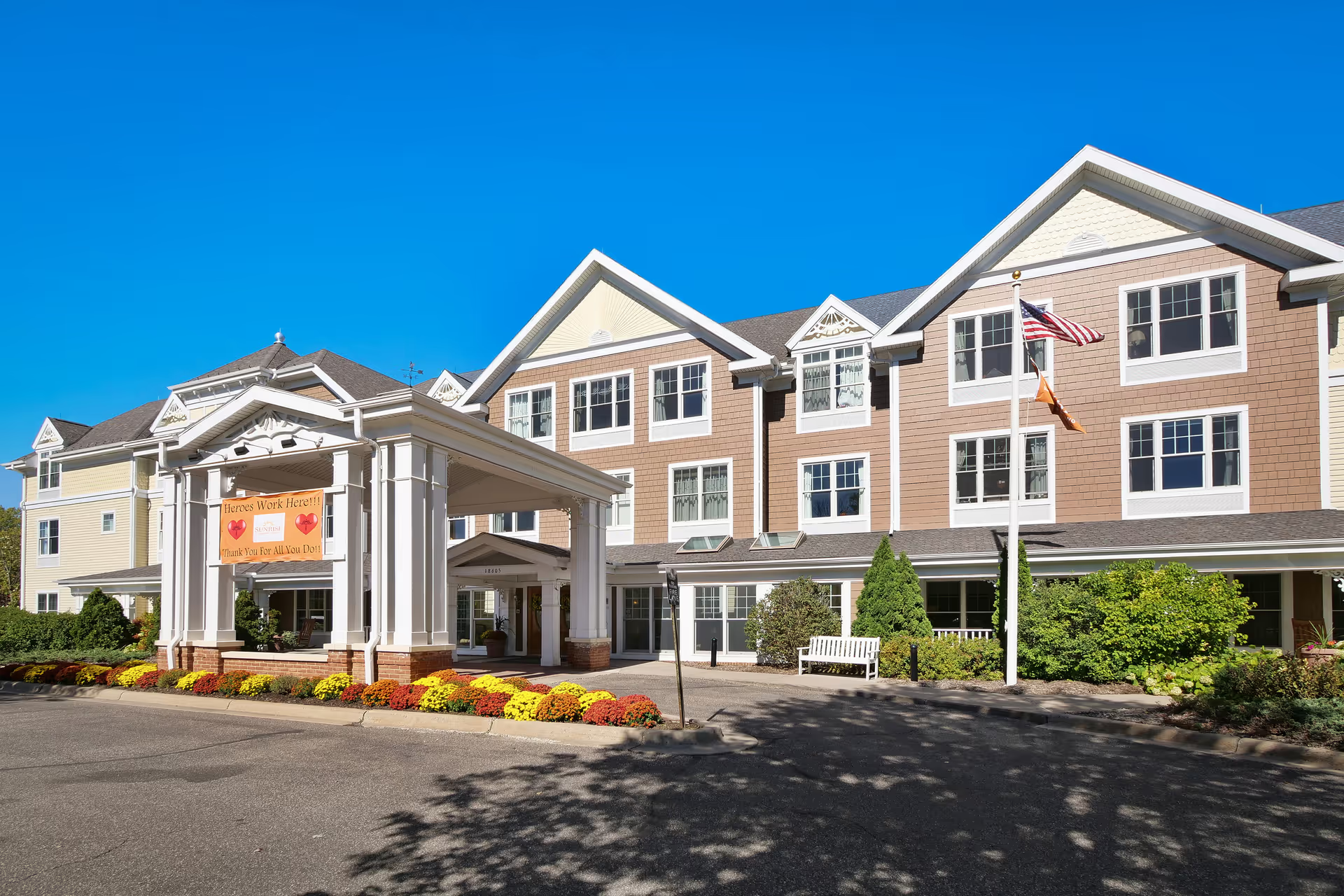
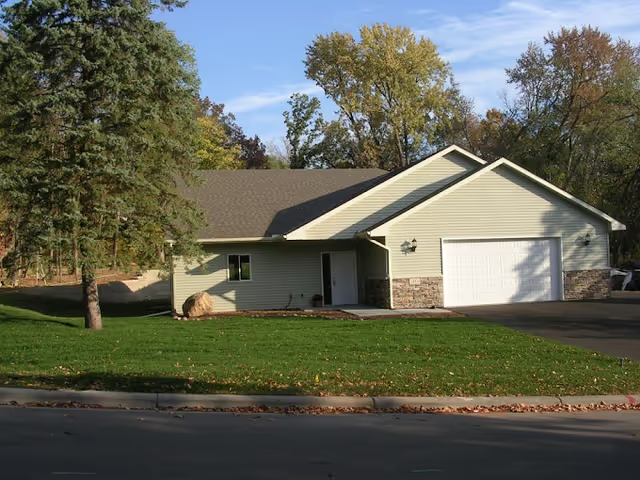
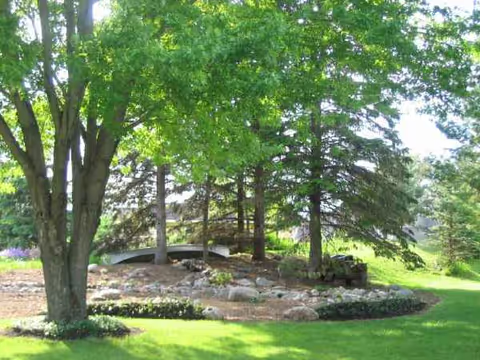
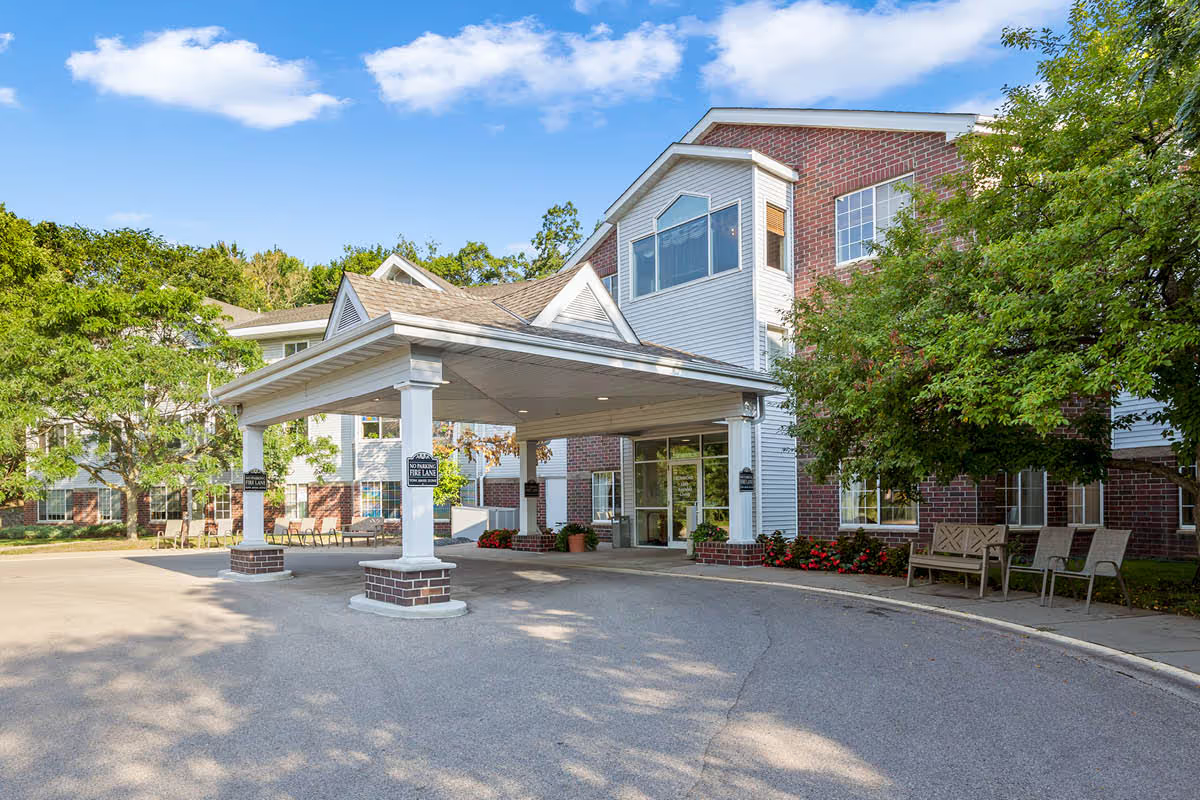
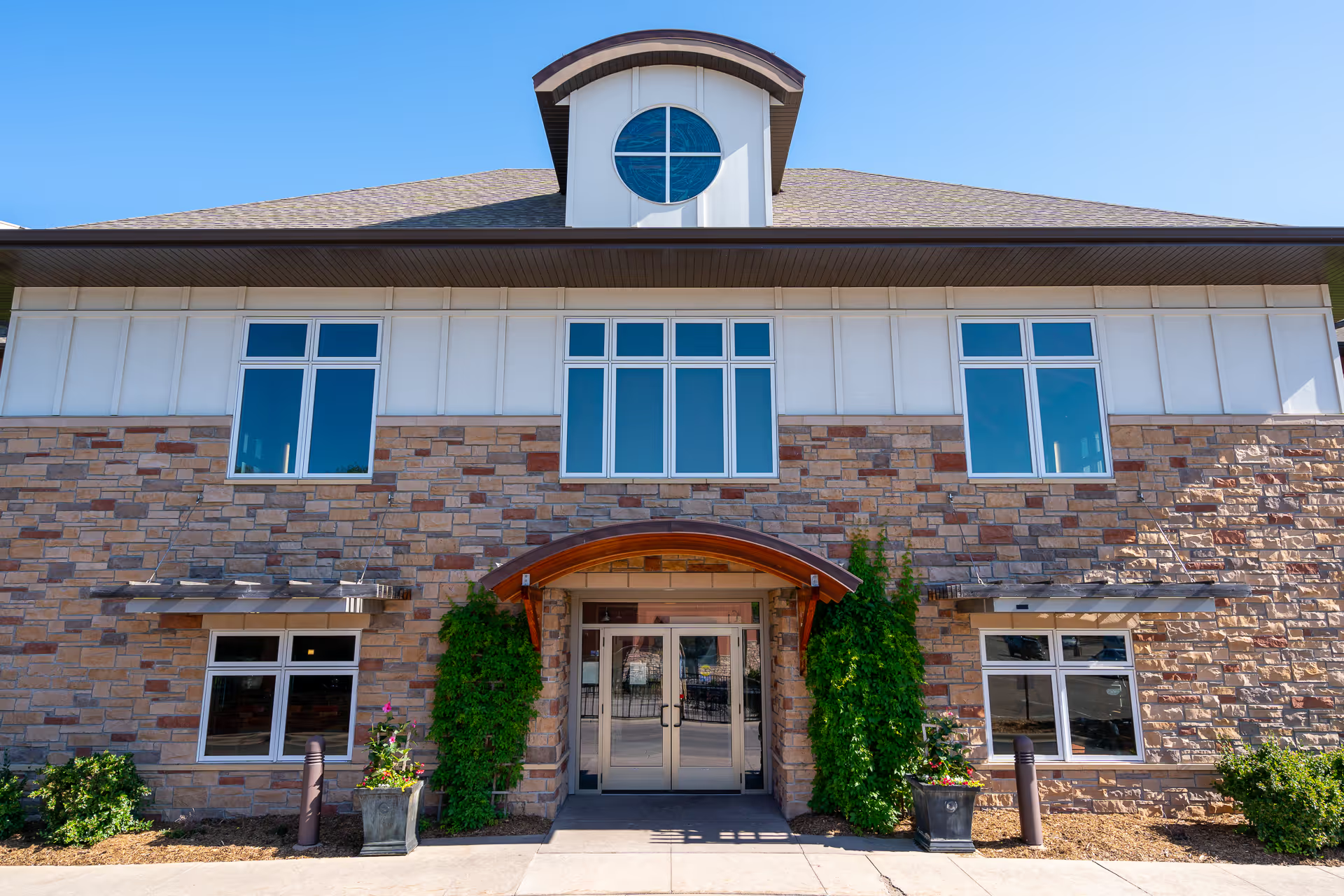
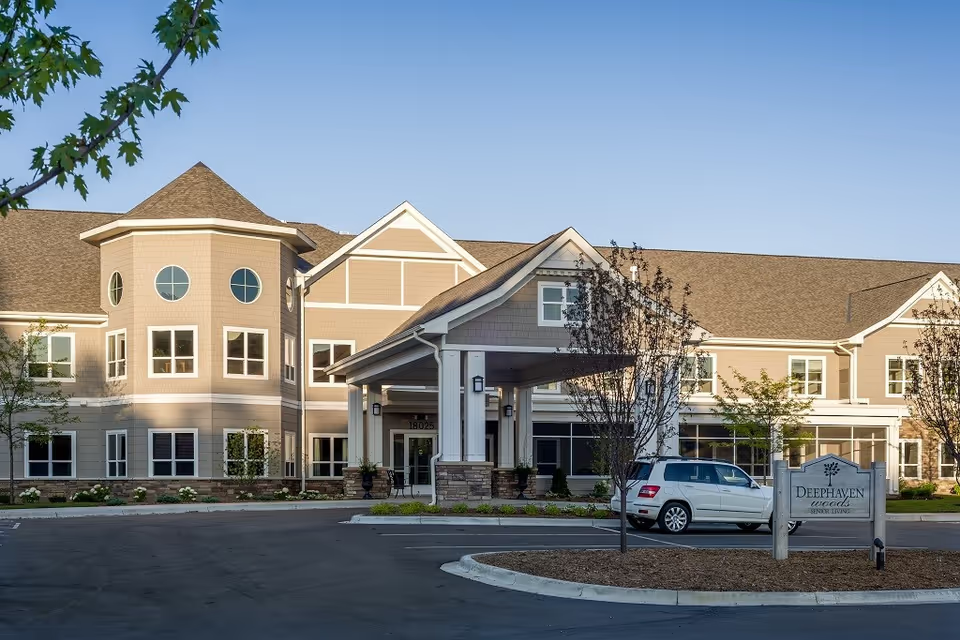
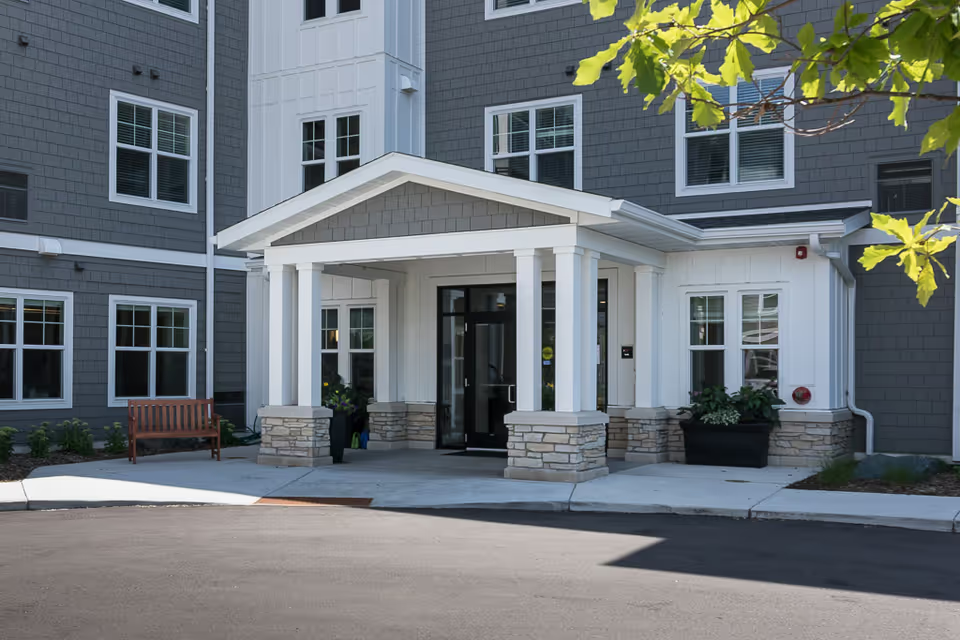
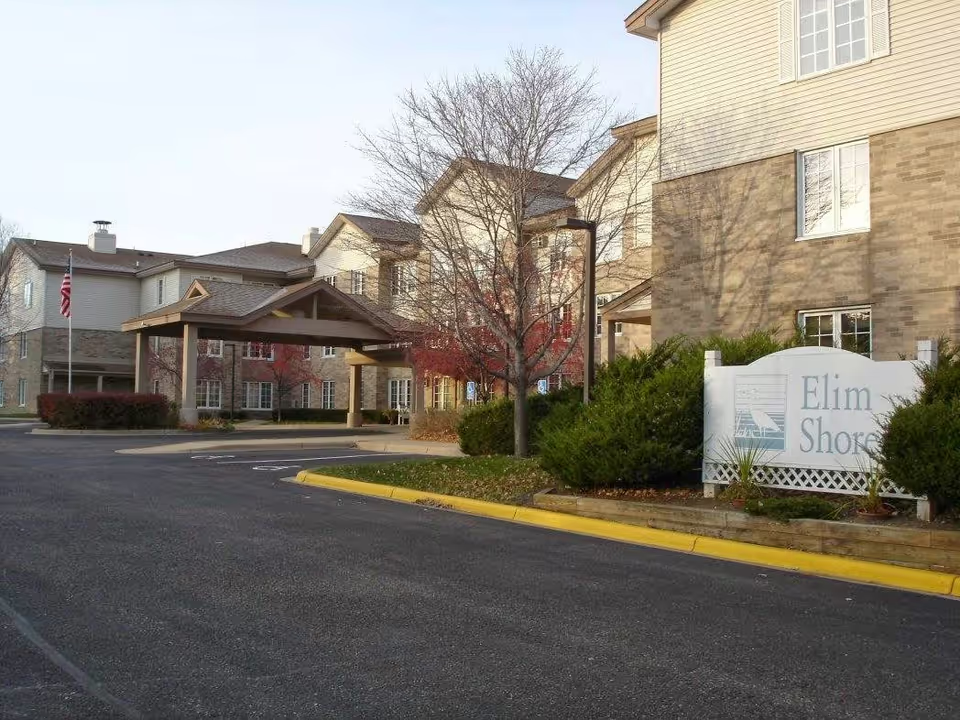
Havenwood of Minnetonka elicits strongly mixed impressions. Families and residents frequently praise the facility’s physical environment, dining, and moments of highly attentive caregiving: clean, well-appointed apartments and common areas, an outdoor patio, and a welcoming move-in experience are consistent positives. The dining program and kitchen staff receive repeated praise for meal quality, variety, and accommodating special requests. The community also offers a continuum of care (independent through memory care) and a Parkinson’s-specific program, which some families found especially valuable.
Care quality and staff behavior are the most polarized areas. Many reviewers describe compassionate, personalized interactions—staff who remember resident preferences, provide emotional warmth, and in some cases go beyond expectations to support families. At the same time, a pattern of high staff turnover and apparent staffing shortages was frequently noted. Those operational issues are linked to inconsistent performance: delayed responses to call buttons, uneven supervision, and variability in personal-care and toileting assistance. Several families expressed concerns about sanitation and incontinence-care processes when staffing is limited.
Clinical operations show mixed reliability. There are multiple references to inconsistent medication administration and late medication delivery, along with limited overnight clinical coverage. These issues combine with reports of uneven staff training, particularly in routine personal-care tasks and memory-care communication. Conversely, when staffing and leadership align, staff responsiveness and specialty programs (for example, Parkinson’s care) are cited as strengths.
Communication and management are recurring concerns. Reviewers describe inconsistent family updates, difficulty communicating with memory-care staff, and slow responsiveness from management on care or billing concerns. There are also criticisms about fee transparency and lease policies—including nonrefundable community fees and additional charges—which have undermined trust for some families. A small number of reviews reference an assertive leasing approach and rigid contract terms; leadership turnover and a period of managerial transition appear to have contributed to variability in operations and follow-through.
Activities and social life receive mixed comments. Some residents enjoy plentiful activities, social interactions, and the welcoming atmosphere; others note limited frequency of organized events and a reliance on passive entertainment when staff engagement is low. Facility cleanliness and the built environment are generally viewed positively, but sanitation and personal-care execution are areas to evaluate during a visit.
What stands out is the facility’s potential when staffing, training, and management practices are functioning well: warm, individualized care, strong dining, and useful specialty programs. Prospective residents and families should verify current staffing ratios, overnight clinical coverage, medication-administration protocols, training standards for memory care, and full lease/fee disclosures. Visiting during different shifts and speaking with current families about recent leadership changes can help assess whether the operational concerns cited remain active or are being addressed.