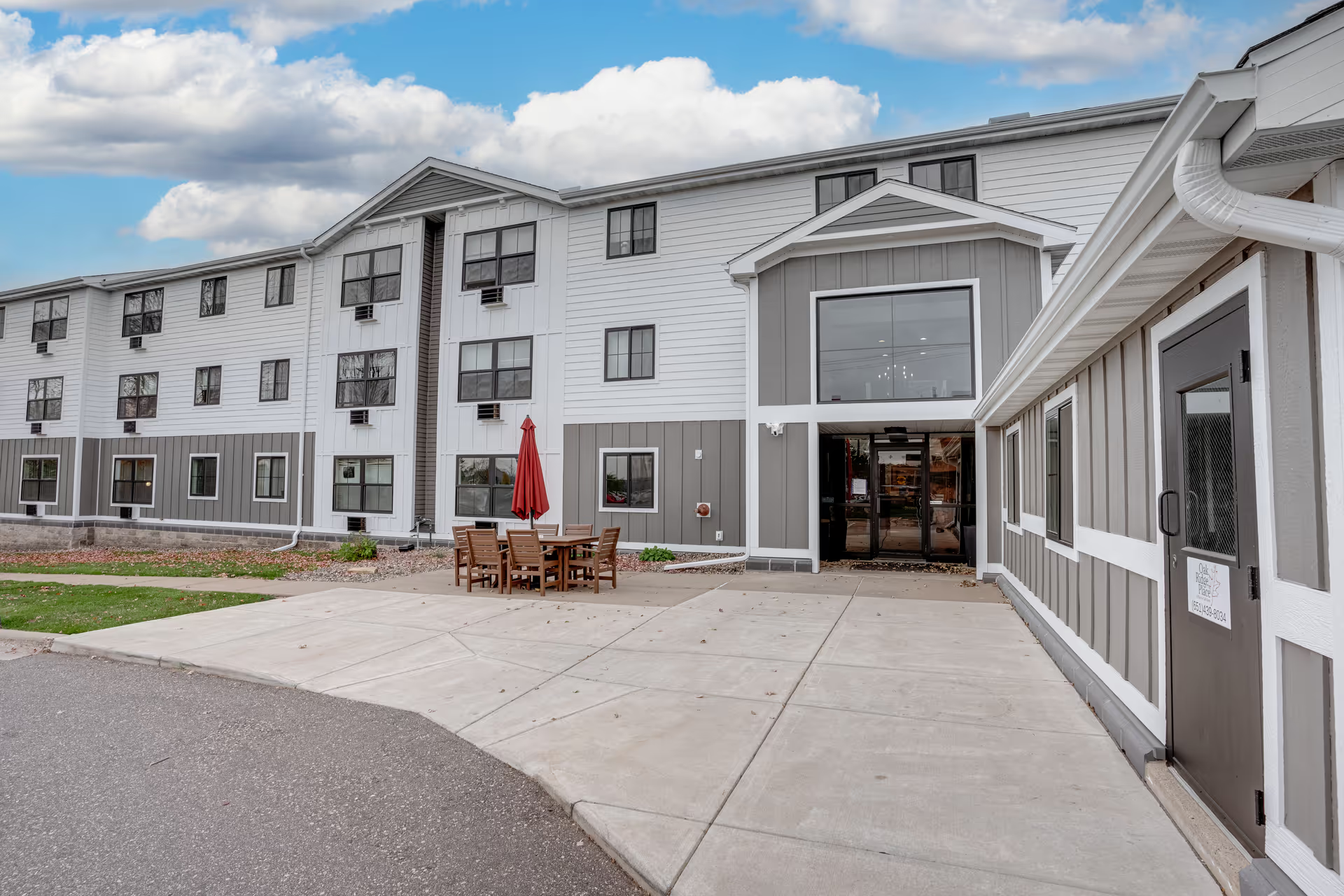
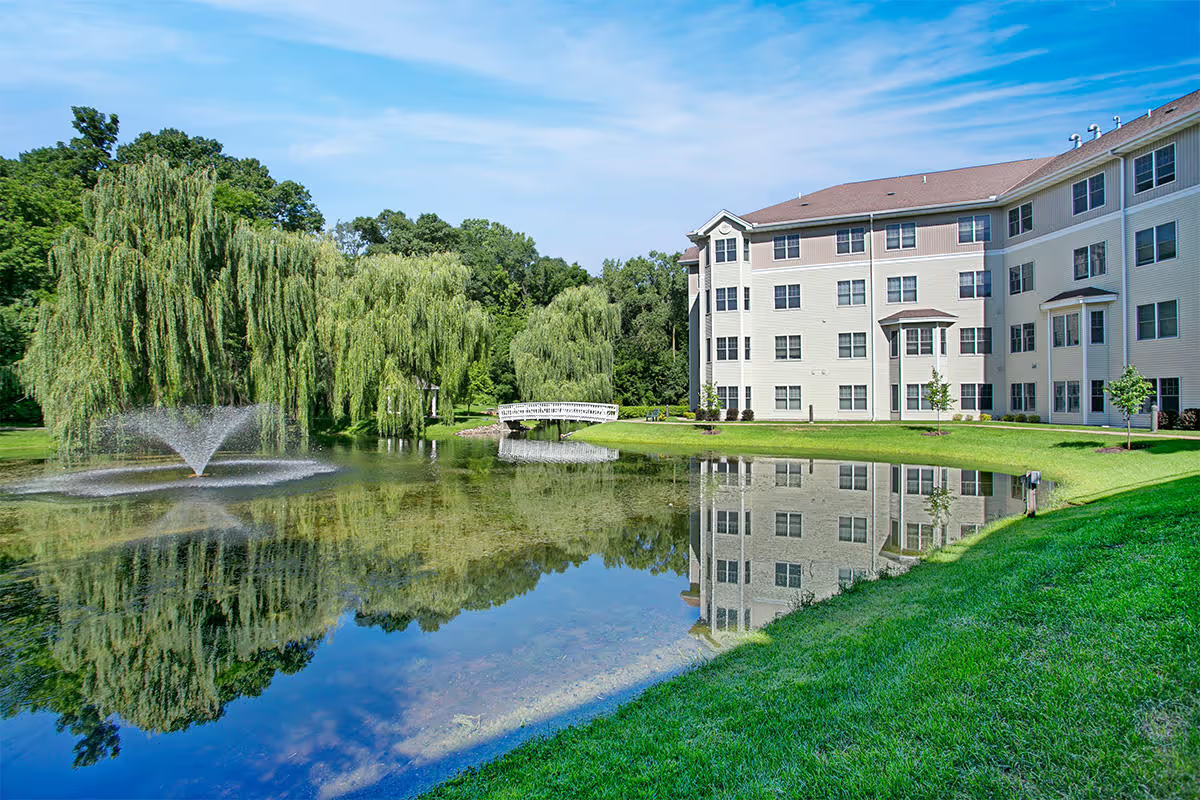
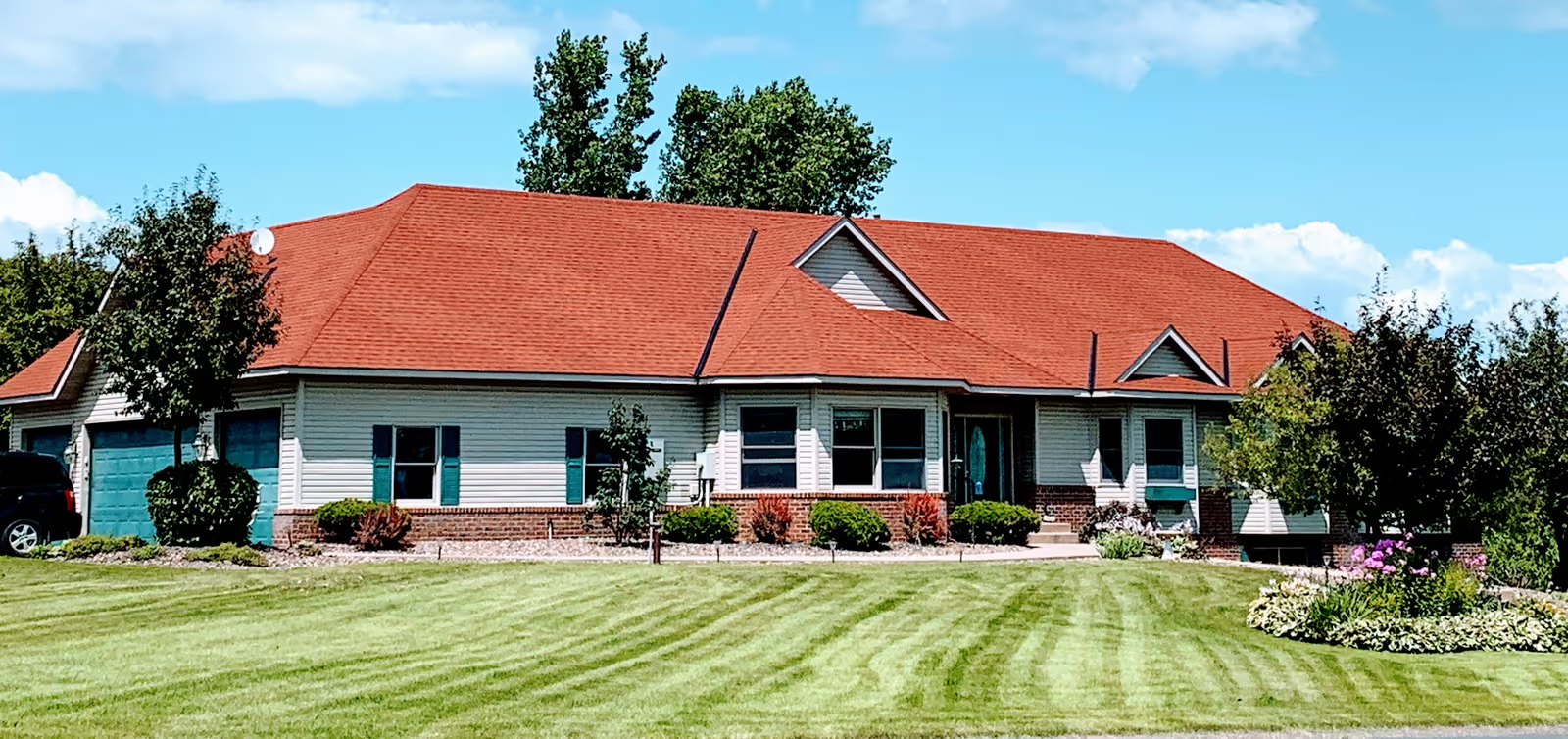
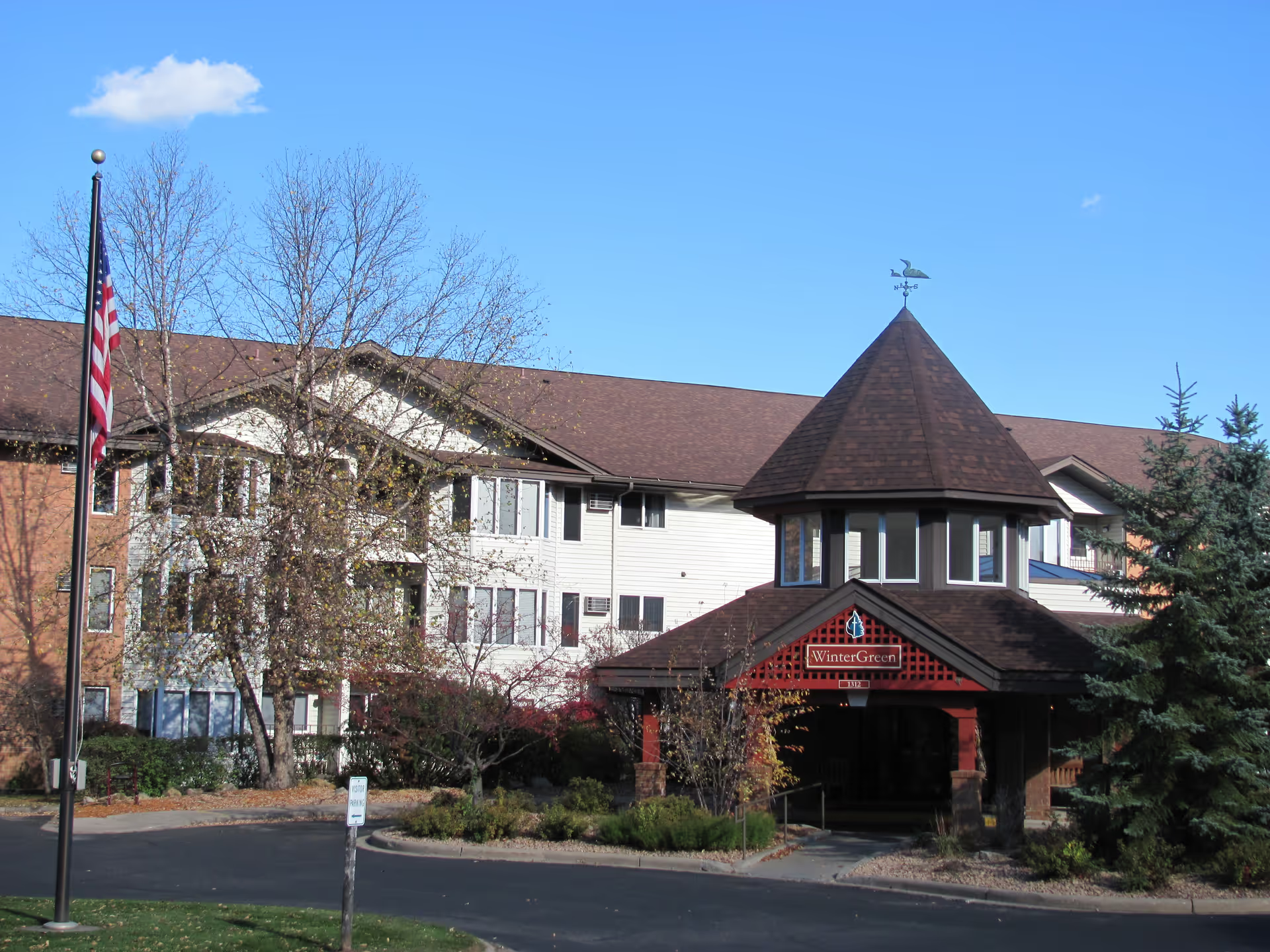
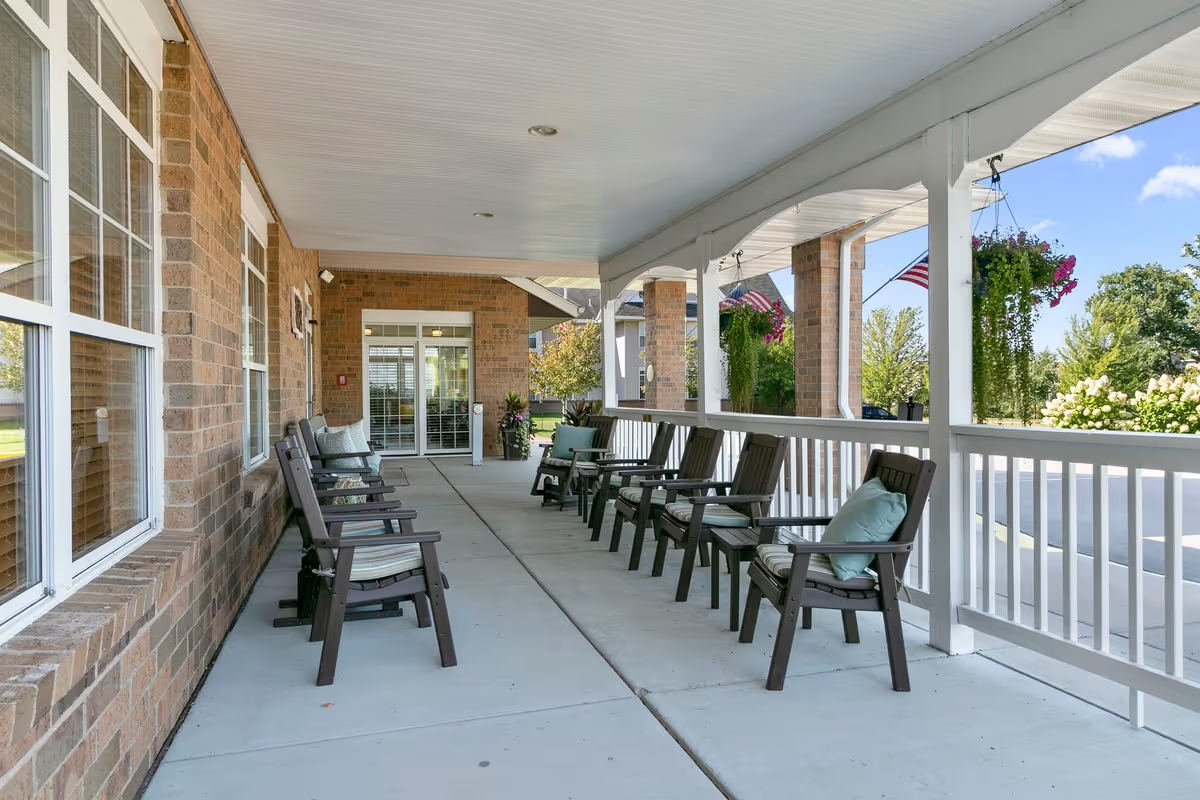
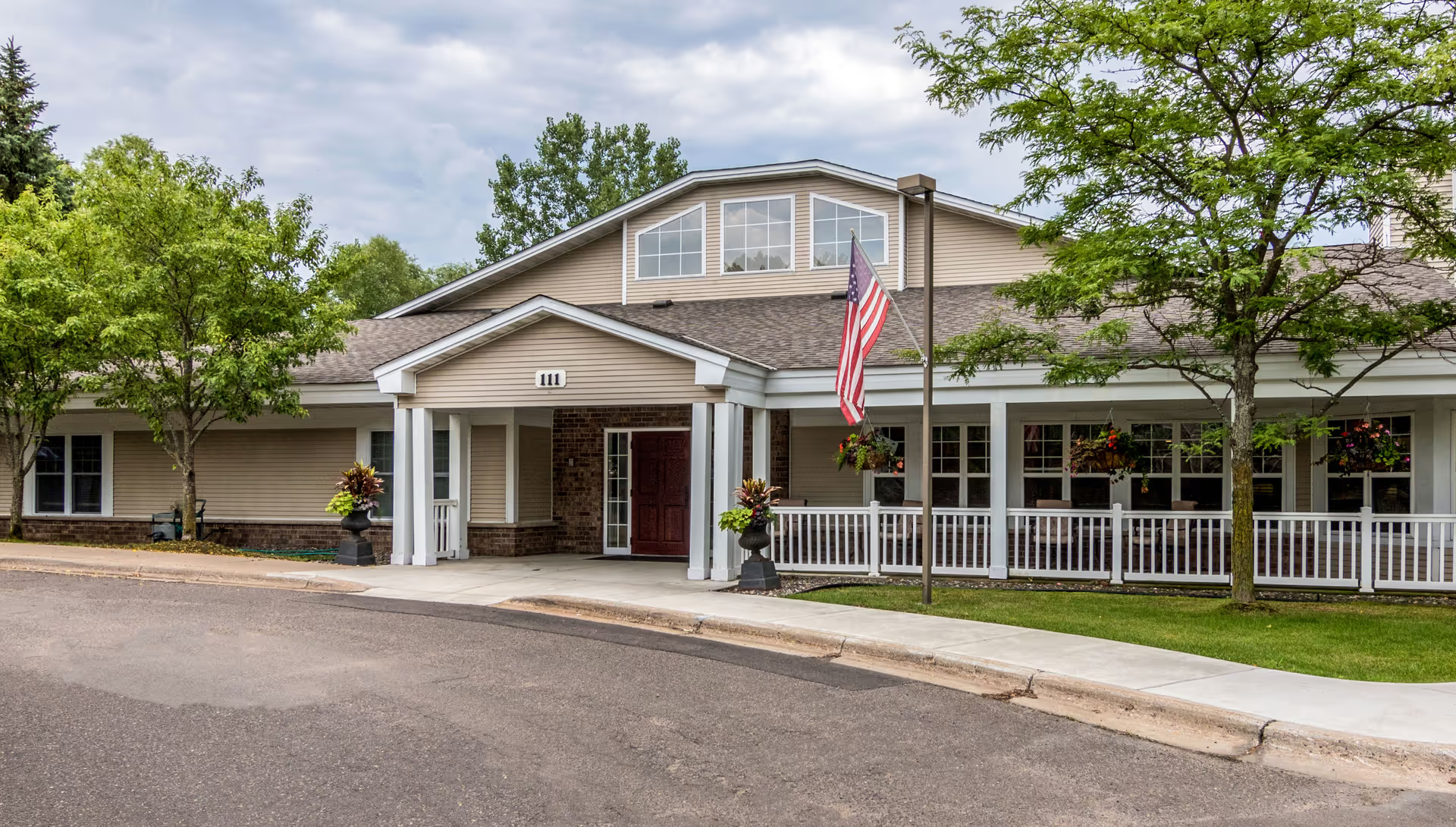
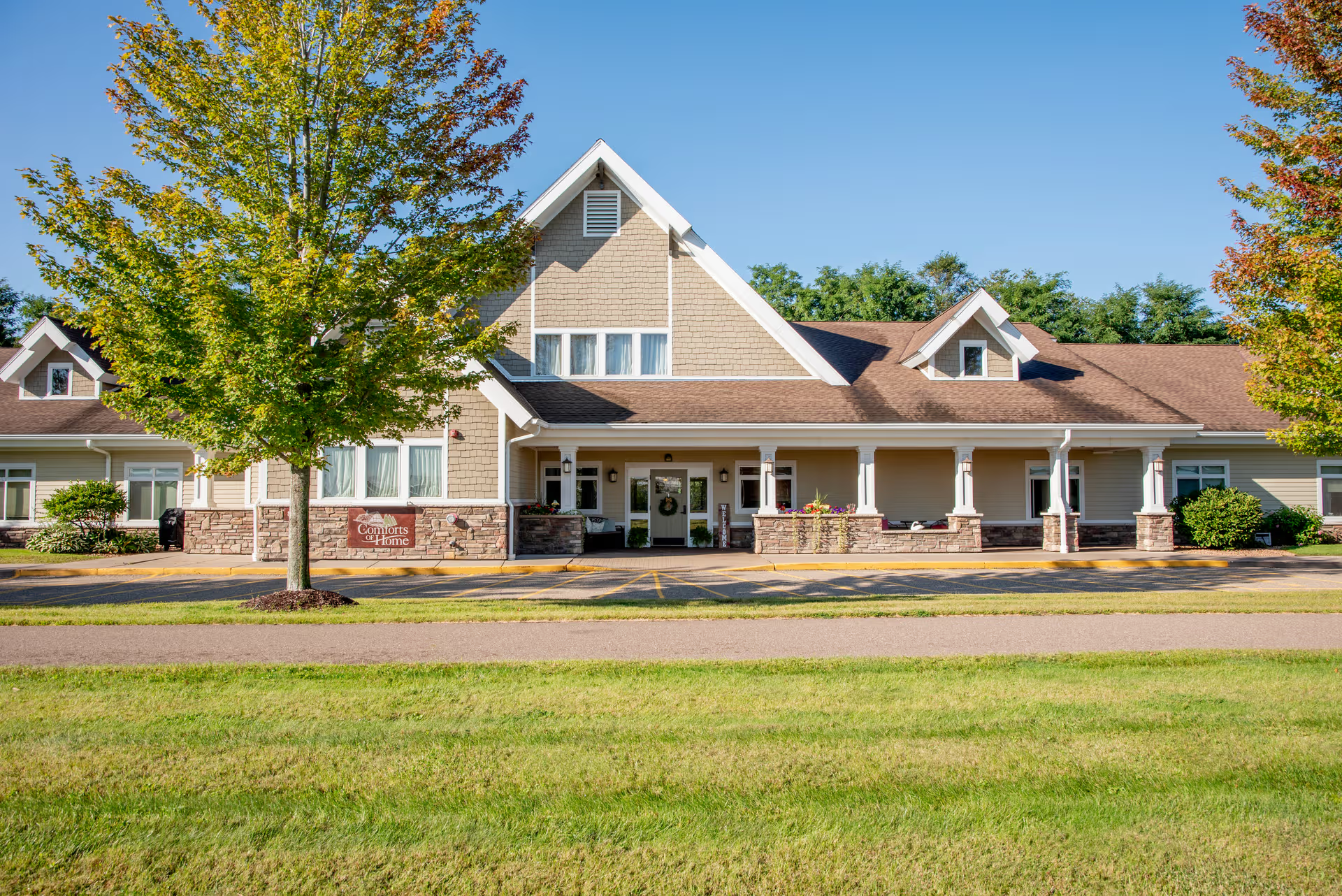
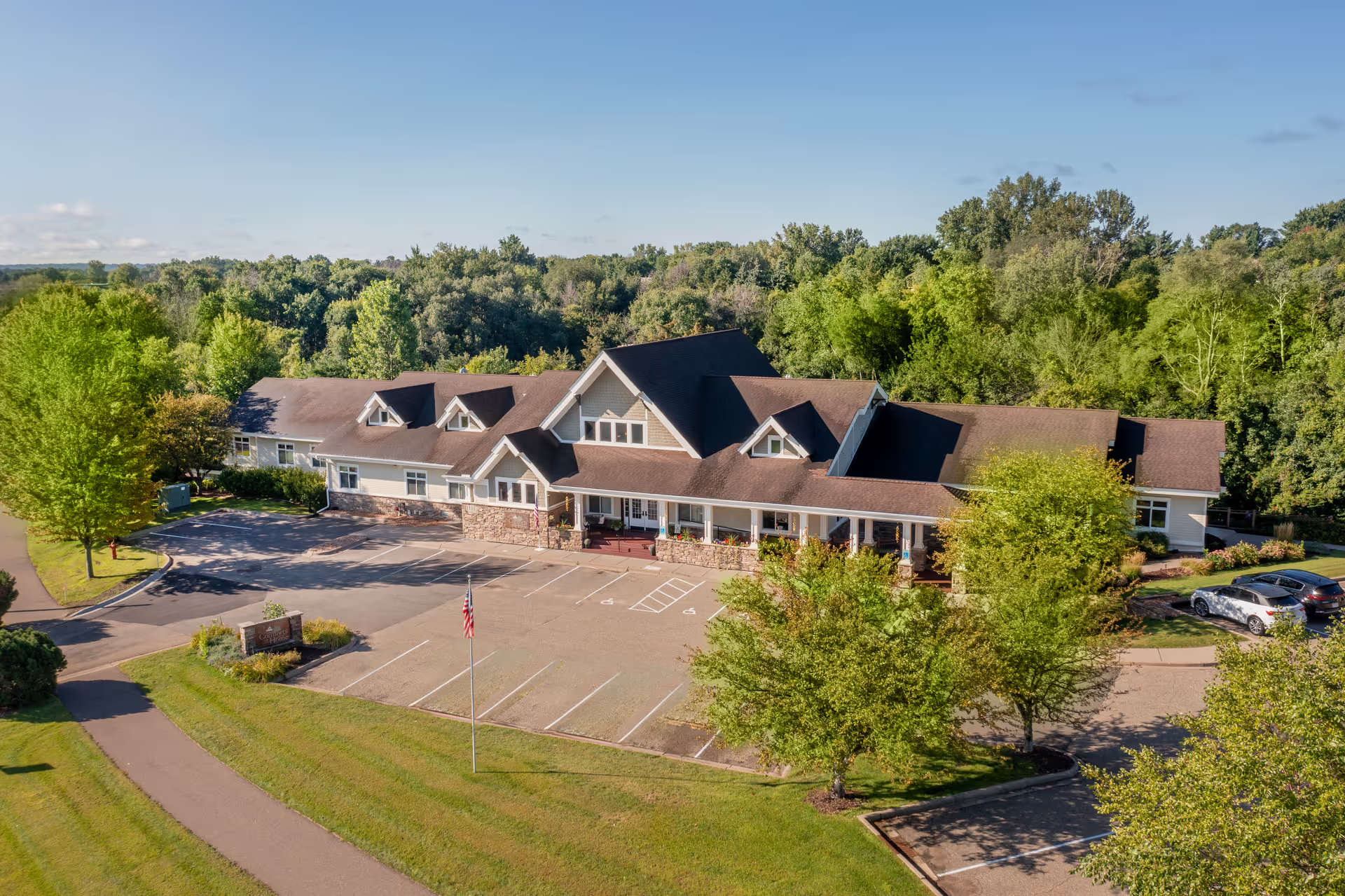
Feedback on this campus is strongly divided between the built environment, amenities and social programming on one hand, and operational and clinical concerns on the other. The physical campus and living units receive consistent praise: reviewers describe an attractive, well-maintained, and active community with a distinctive indoor "main street," extensive common spaces (theater, library, market, chapels), varied dining venues, and numerous activity spaces. Apartments are noted as roomy, bright, and clean, often with full kitchens, storage, and pleasant outdoor paths and landscaping. For families focused on lifestyle, engagement, and amenities, the property offers a broad range of opportunities for social, spiritual and hobby activities and convenient on-site services.
Clinical care and direct-service experiences are mixed. Many accounts highlight compassionate, capable nurses and therapists, effective physical and occupational therapy, and useful transitional-care resources that supported recovery. At the same time, reviewers describe operational gaps that affect clinical reliability: inconsistent staffing coverage (especially after hours and on weekends), medication-management issues, delays in responding to resident needs, and weaknesses in incident reporting and family notification. Several narratives raise safety and fall-prevention concerns and describe delayed or uneven clinical communication between units. These patterns suggest variability in frontline care quality that prospective families should evaluate directly.
Administrative and management themes recur across feedback. Positive notes include approachable reception staff and good family communication in numerous cases. Caveats include opaque billing practices, confusing add-on costs and deposit disputes, and record-keeping weaknesses. Reviewers also describe a working environment with low hourly pay for direct caregivers, perceived favoritism in rule enforcement, and HR responses that some characterize as unsupportive. Security processes such as sign-in enforcement and property controls were flagged as inconsistent in some accounts. Additionally, a past infectious-outbreak event and other infection-control concerns were mentioned, indicating the importance of asking about current preparedness and protocols.
What this composite picture means for prospective residents and families: the facility offers an above-average amenity set, an active community life, and many examples of strong nursing and therapy care. However, there are recurring operational patterns — staffing variability, medication and incident-reporting gaps, billing opacity, and security/process shortcomings — that merit targeted questions during a tour. Recommended steps before committing include asking for current staffing ratios (nights/weekends), medication-administration and incident-notification protocols, background-check and training policies for caregivers, examples of recent rehab outcomes, a clear written fee schedule, and evidence of updated infection-control procedures. Balancing the strong campus features and programming against the operational issues will help match expectations to the level of care required.