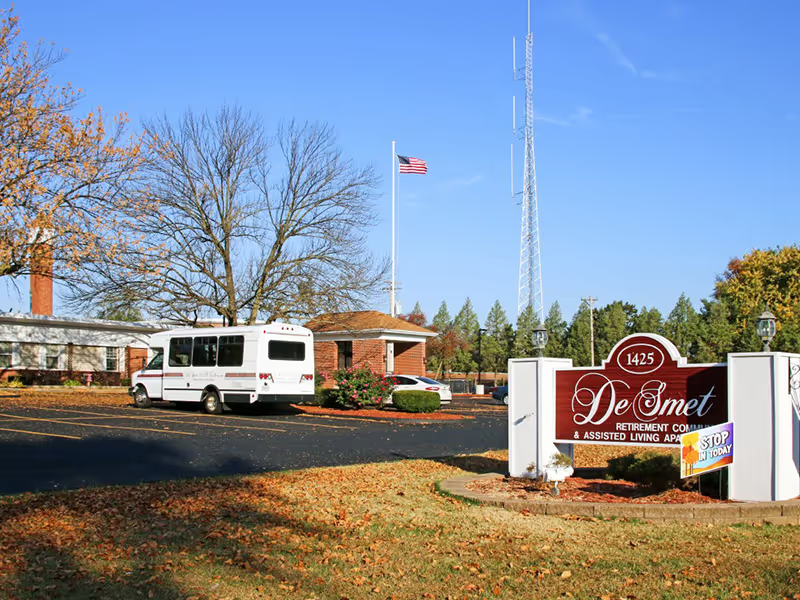
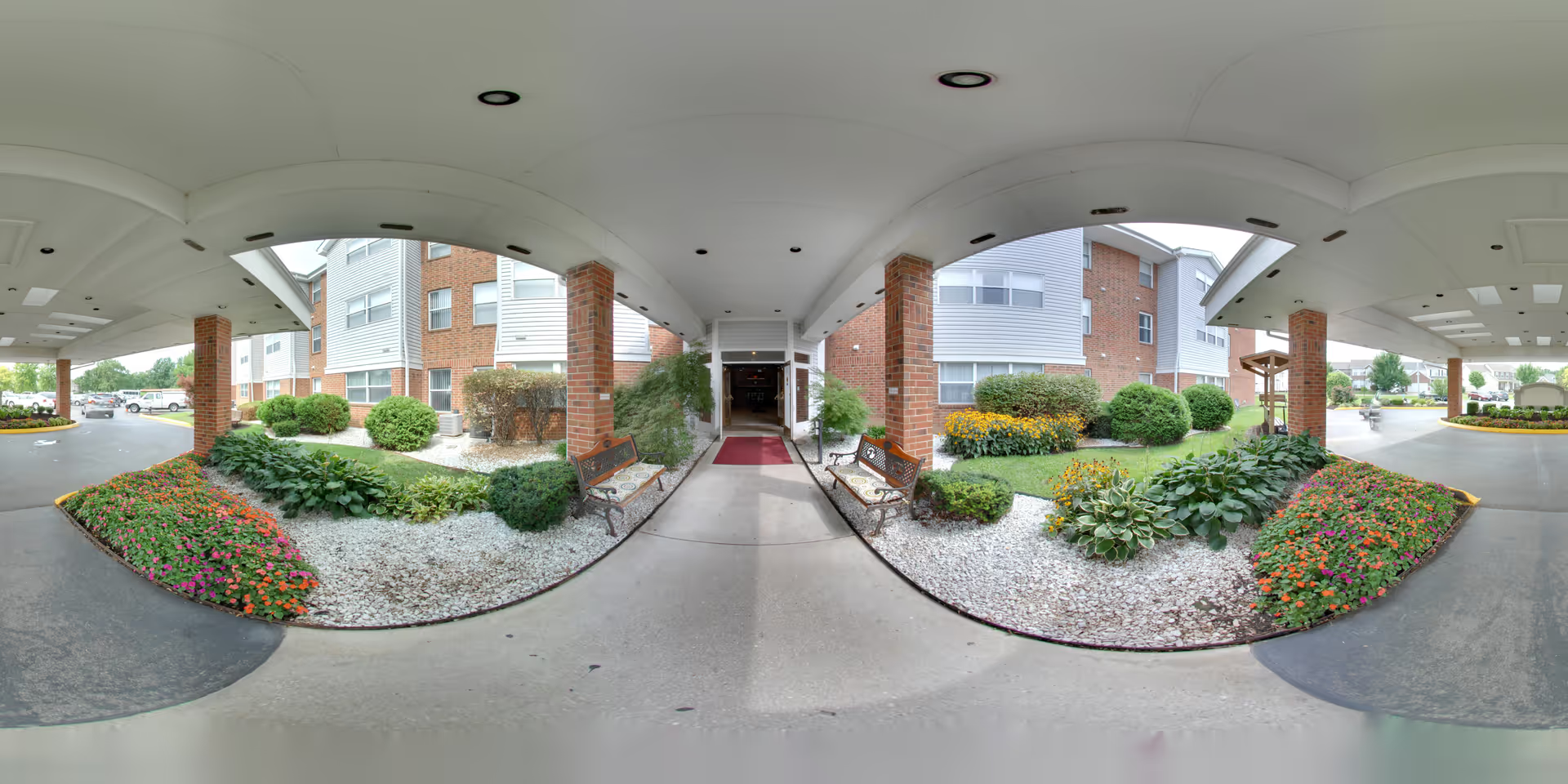
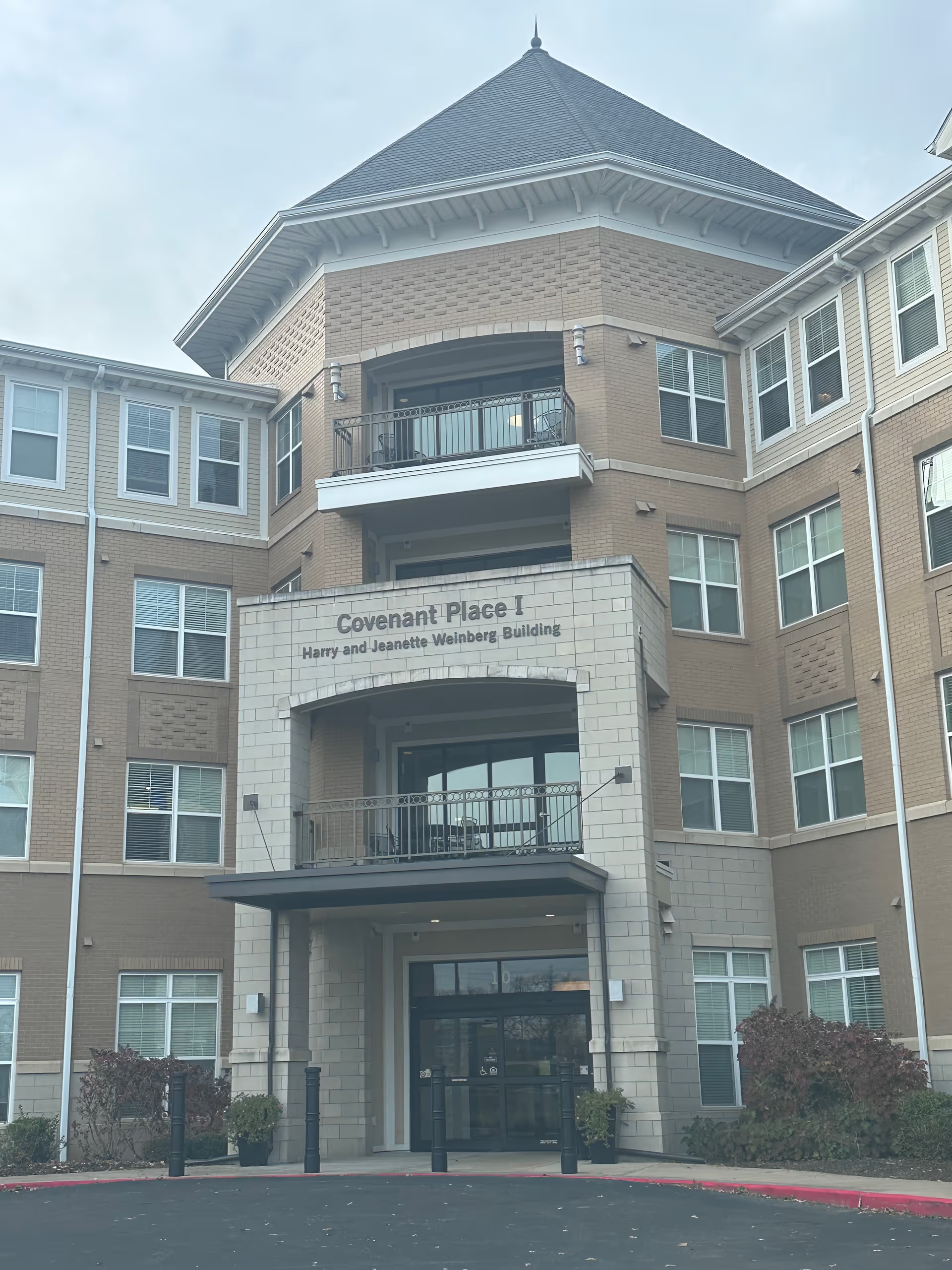
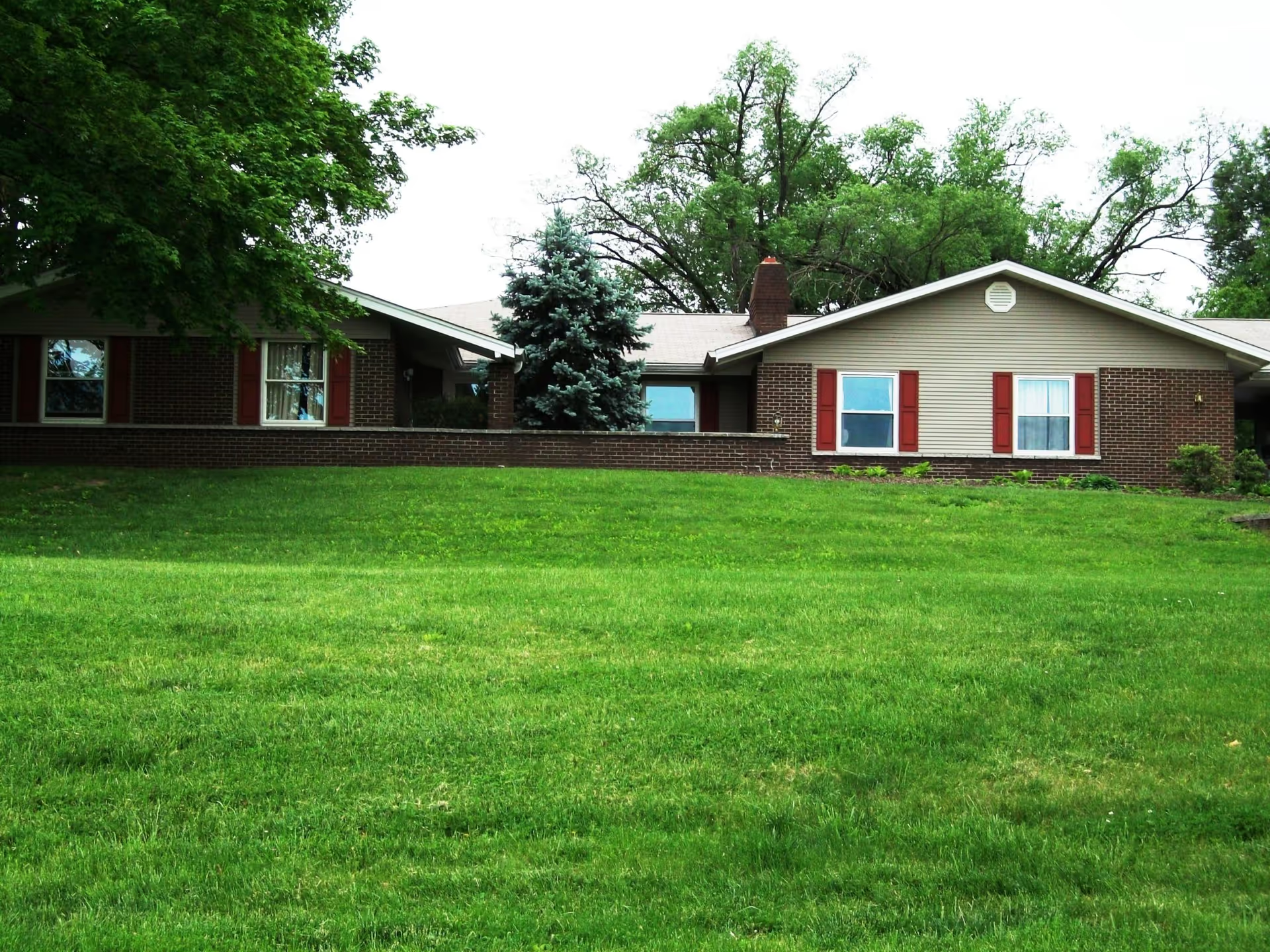
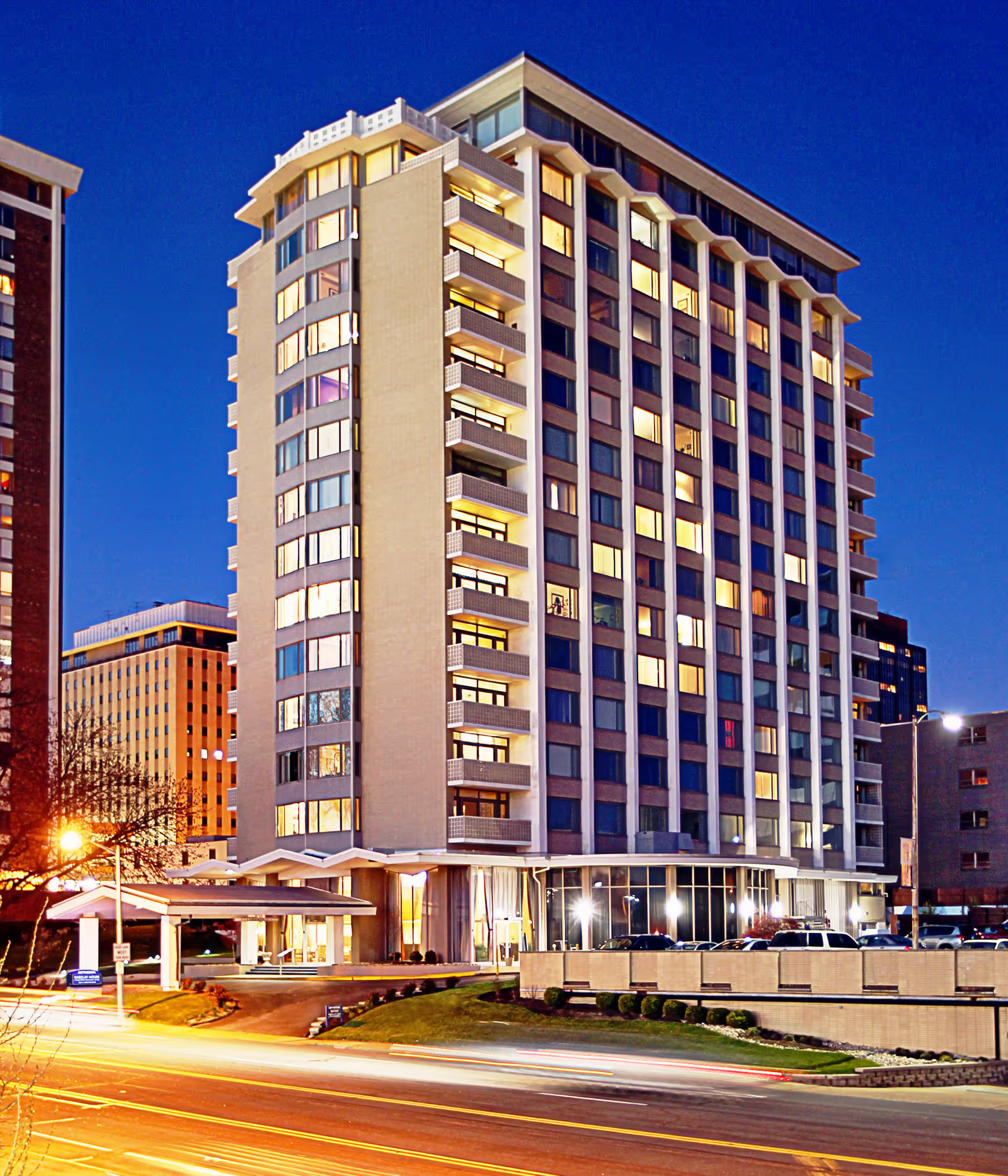
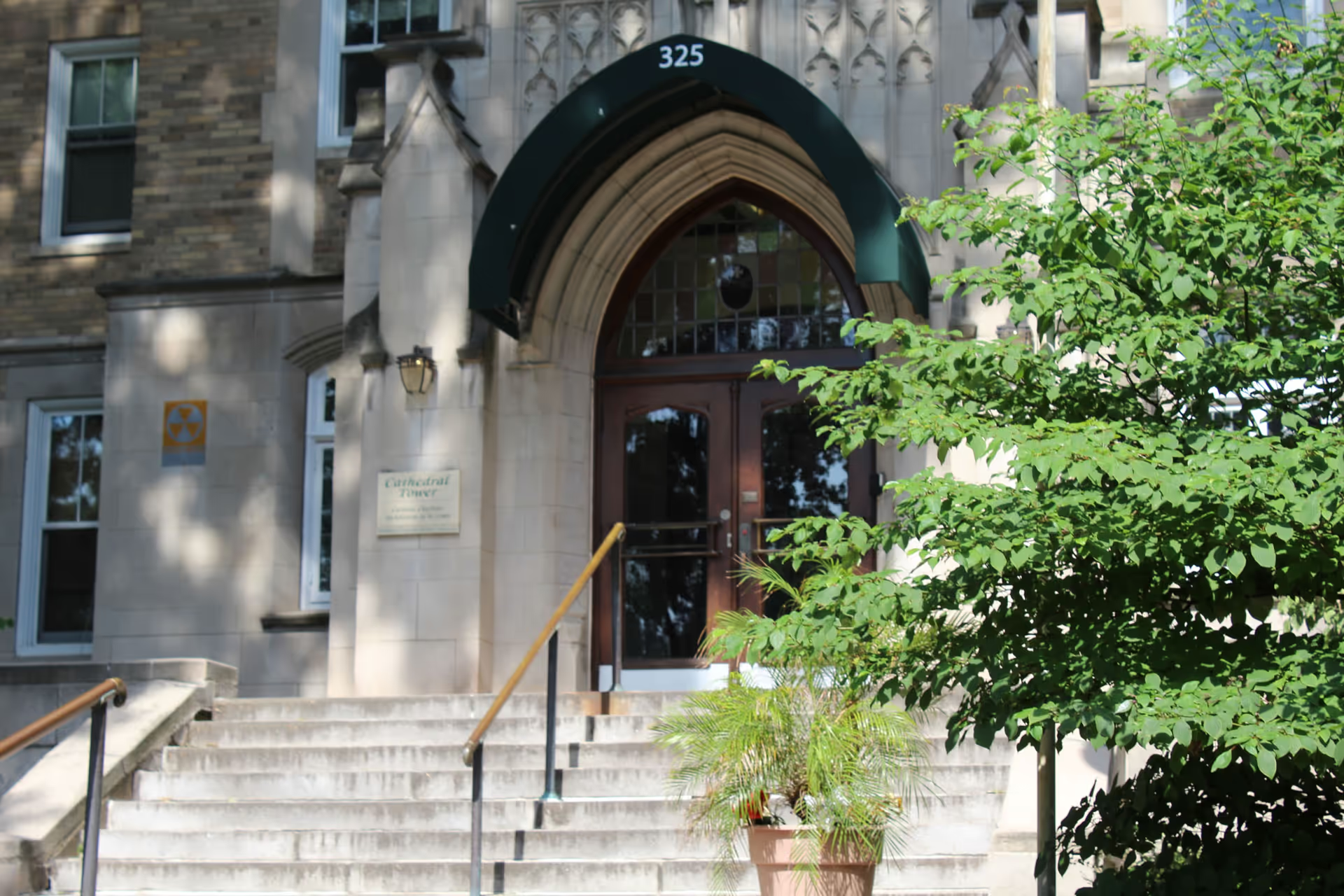
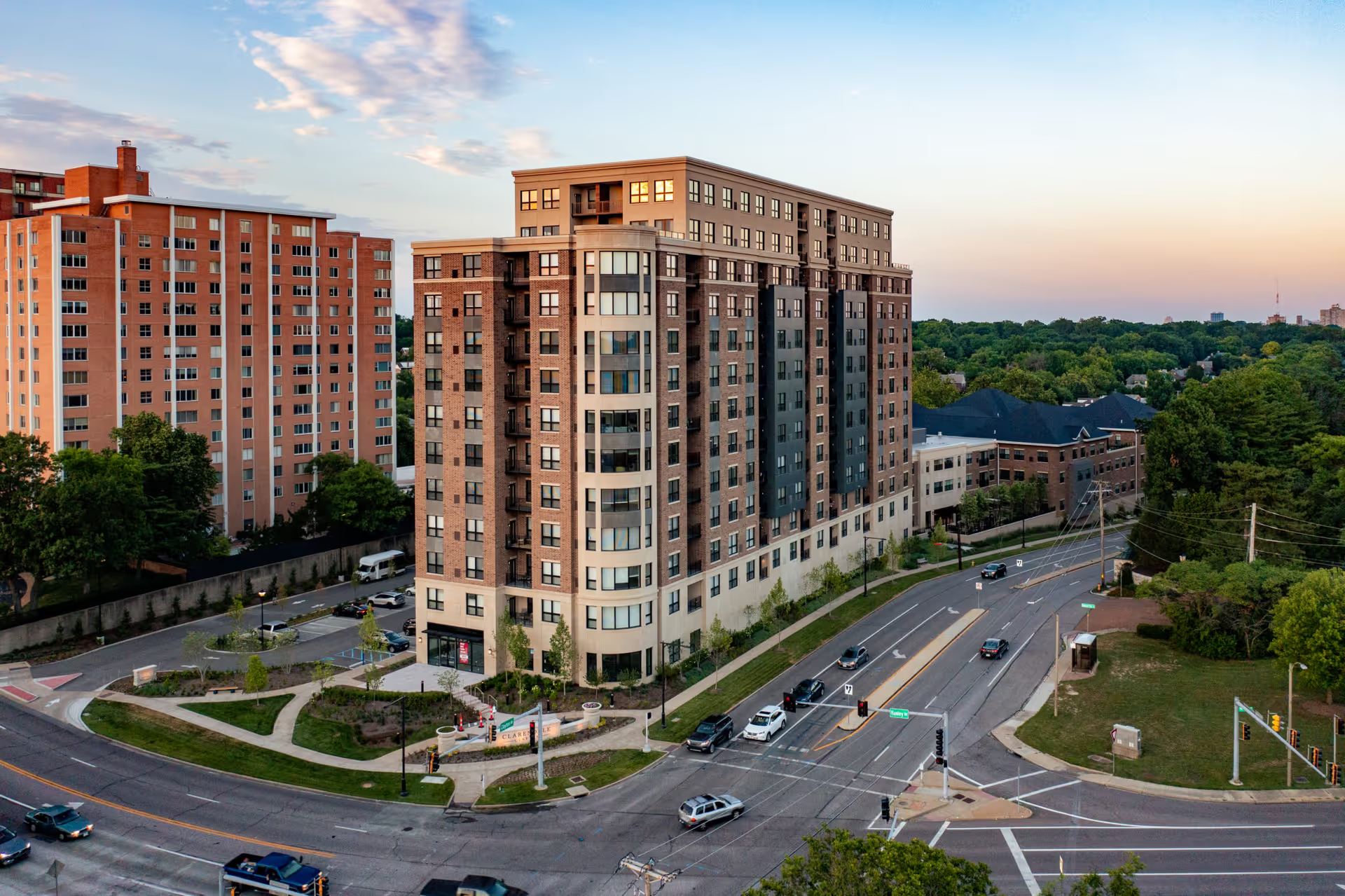
Garden Plaza of Florissant elicits strongly mixed impressions across reviewers: many families describe a facility with attractive, updated accommodations, a broad activity calendar, in-house therapy, and staff who are capable of providing compassionate, attentive care. The campus is frequently noted for its renovated interiors, spacious floorplans, veteran-focused amenities, and pleasant outdoor grounds. Admissions and move-in support are repeatedly praised as helpful and efficient, and several accounts highlight effective hospice coordination and strong occupational/physical therapy services.
At the same time, a consistent pattern of operational weaknesses emerges. Staffing is uneven — reviewers describe both highly attentive caregivers and significant turnover with coverage gaps, particularly overnight and after-hours. These staffing inconsistencies appear linked to problems families emphasize: delayed emergency-call response, missed or irregular personal-care services (bathing, toileting, showering), and medication-administration inconsistencies. Several comments also reflect concerns about fall-risk management and the facility’s ability to provide sustained oversight in memory-care and night-shift contexts.
Dining and housekeeping show variability. While some residents praise the breakfast, chef responsiveness, and occasional higher-quality meals, other families report frequent cold or fried meals, salty entrées, limited menu choices, and restrictions or friction around dining policies. Housekeeping and routine apartment maintenance are described as satisfactory in many units but inconsistent in others; reviewers note delayed repairs, HVAC and appliance issues, pest-control concerns, and sanitation/odor issues in some common areas or apartments.
Management and administrative practices are another area of divergence. Several reviewers commend recent leadership changes and an engaged director and admissions team who address concerns proactively. Conversely, other families describe weak communication, unfulfilled promises about services or housekeeping, billing errors, delayed refunds, and even allegations related to contractor nonpayment or predatory admissions practices. These administrative issues amplify clinical and operational concerns and contribute to a perception of unpredictability in service delivery.
For prospective residents and families: the facility offers many of the positive features expected in a renovated senior community — strong therapy services, active programming, attractive apartments, and empathetic staff members. However, the experience appears to vary by unit, shift, and timeframe. When evaluating this community, consider specific questions about staffing ratios (including night shift), medication administration protocols, fall-prevention and transfer procedures, memory-care supervision, maintenance response times, pest-control practices, dining policies, and billing/refund procedures. An in-person tour that checks current unit cleanliness, observes meal service, and seeks written commitments on promised services may help clarify whether the facility’s strengths align with your priorities.