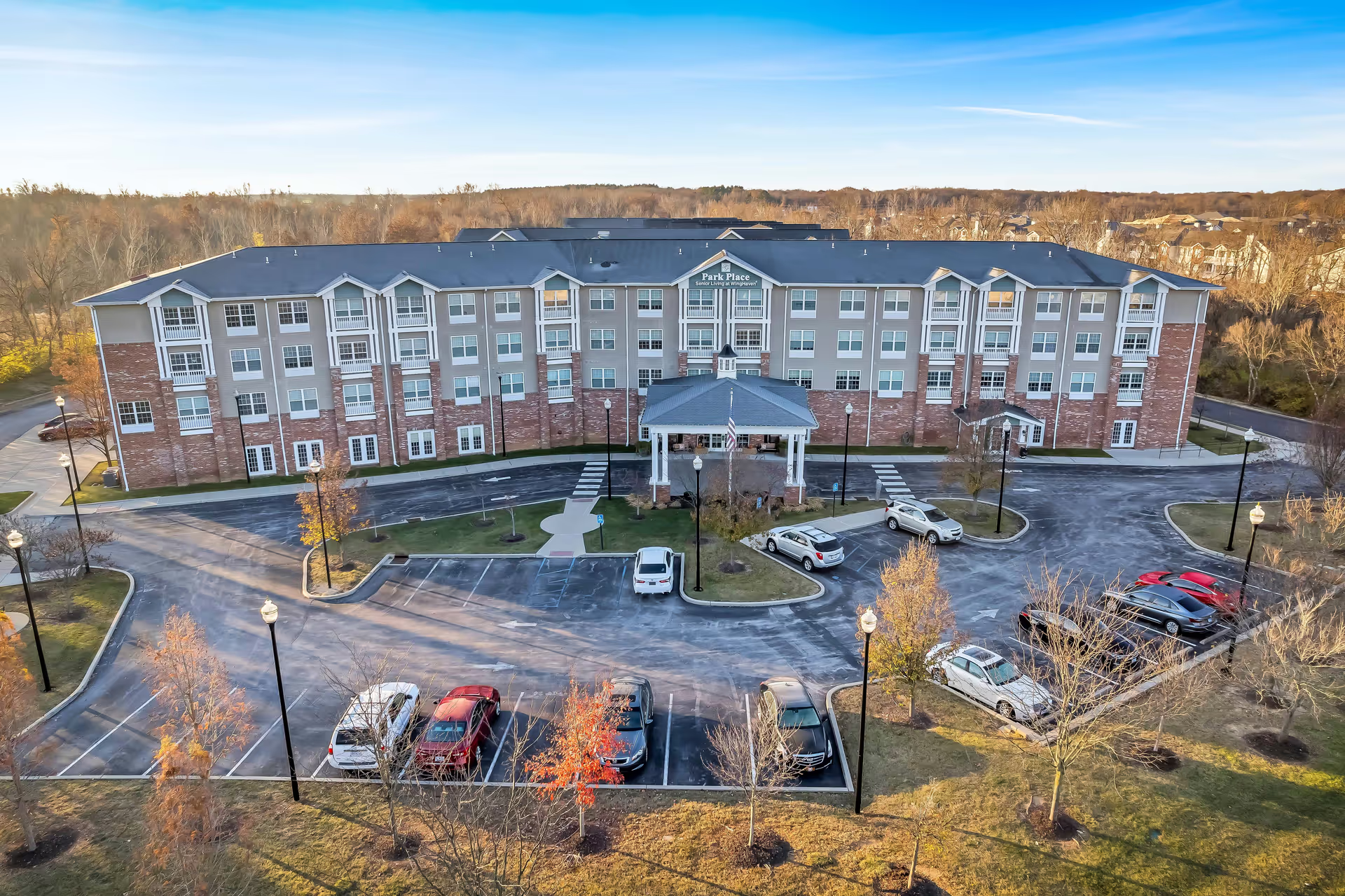
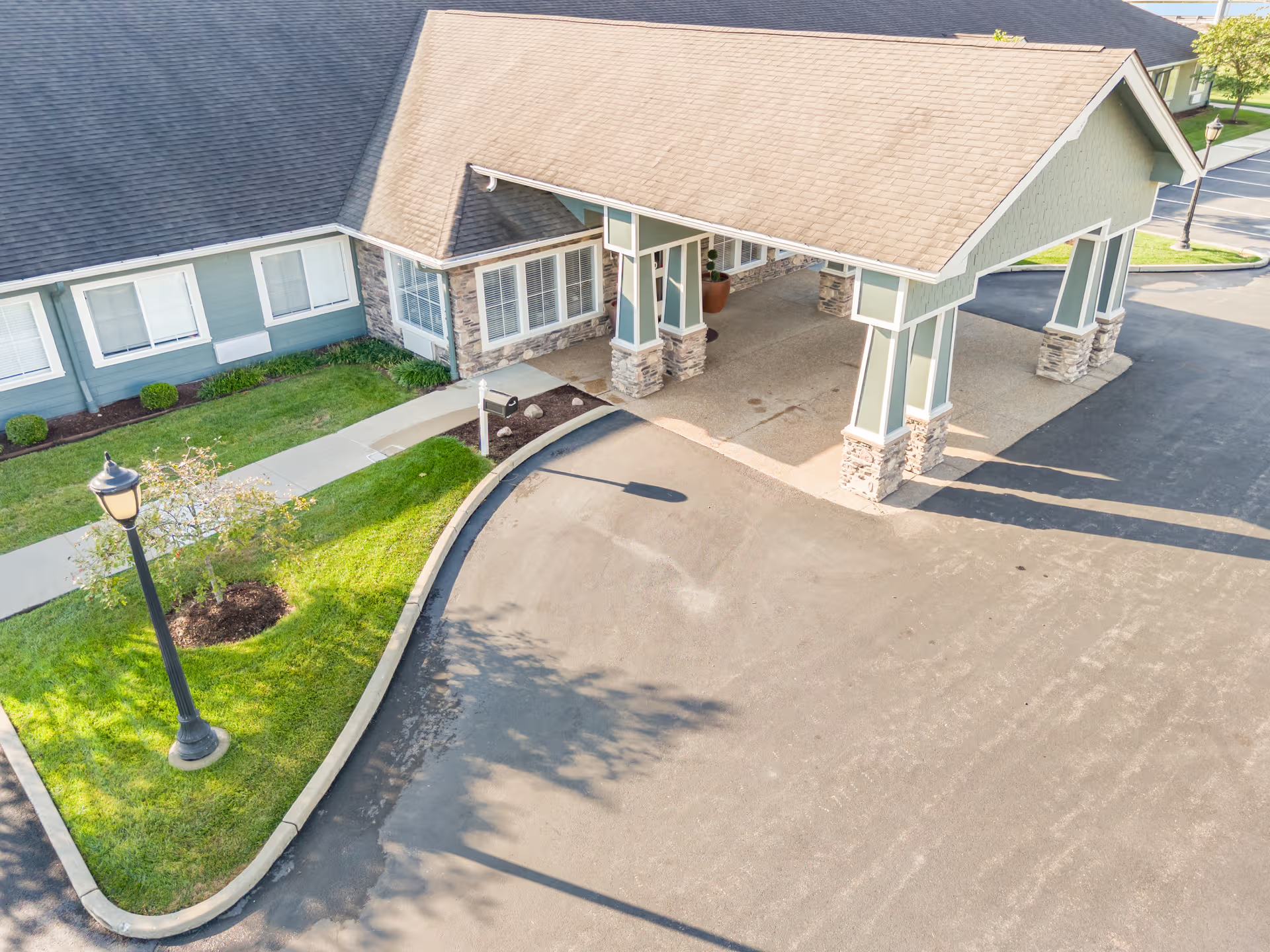
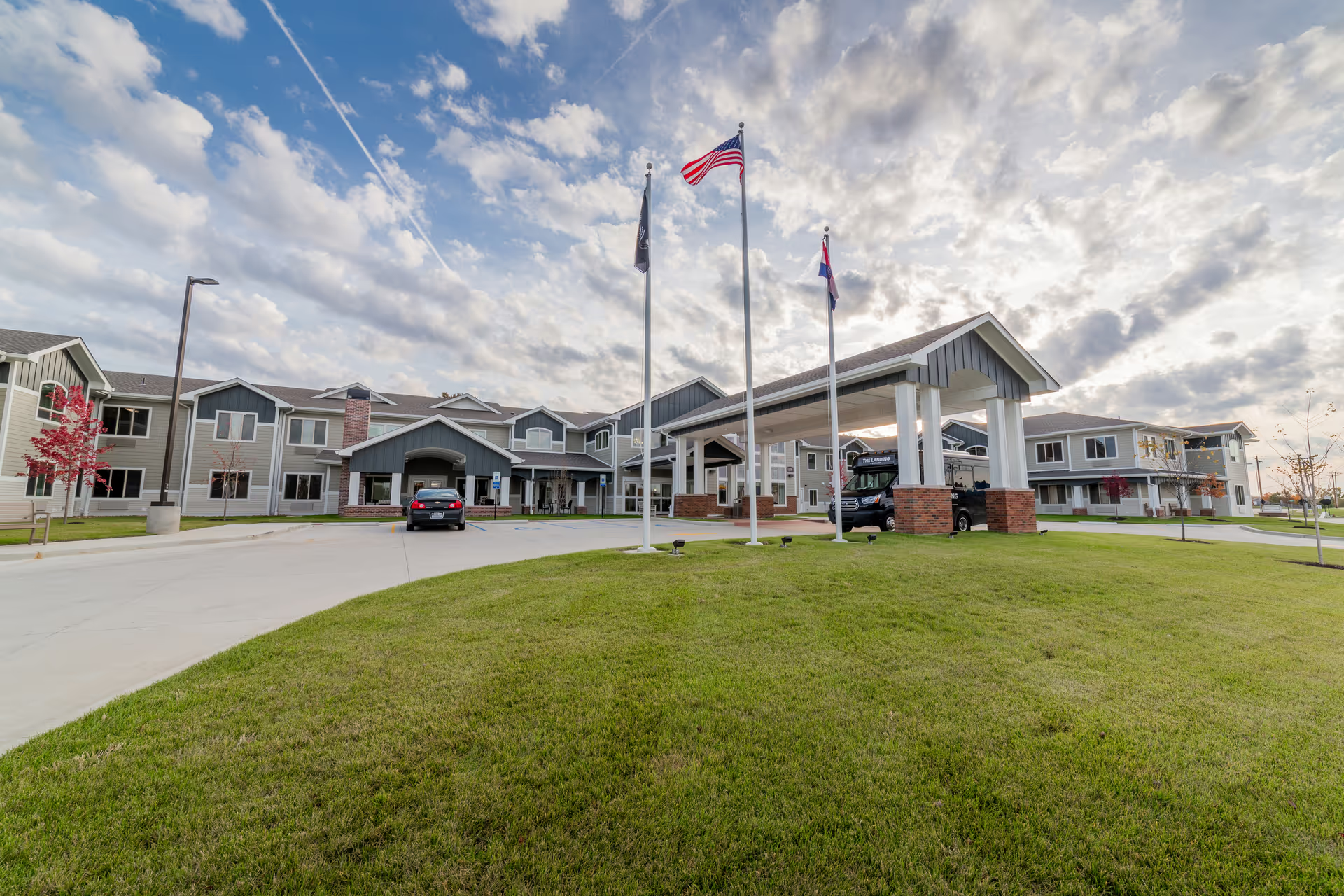
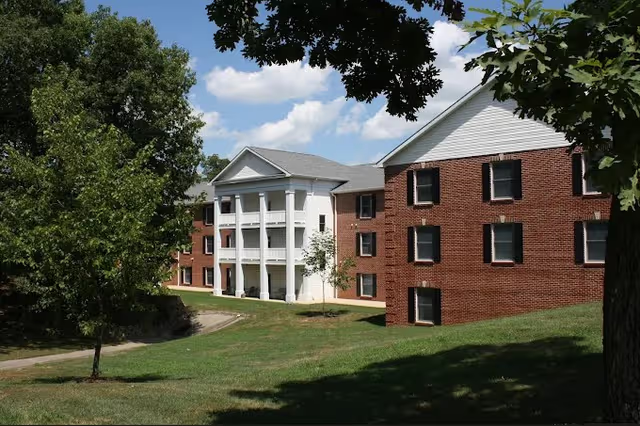
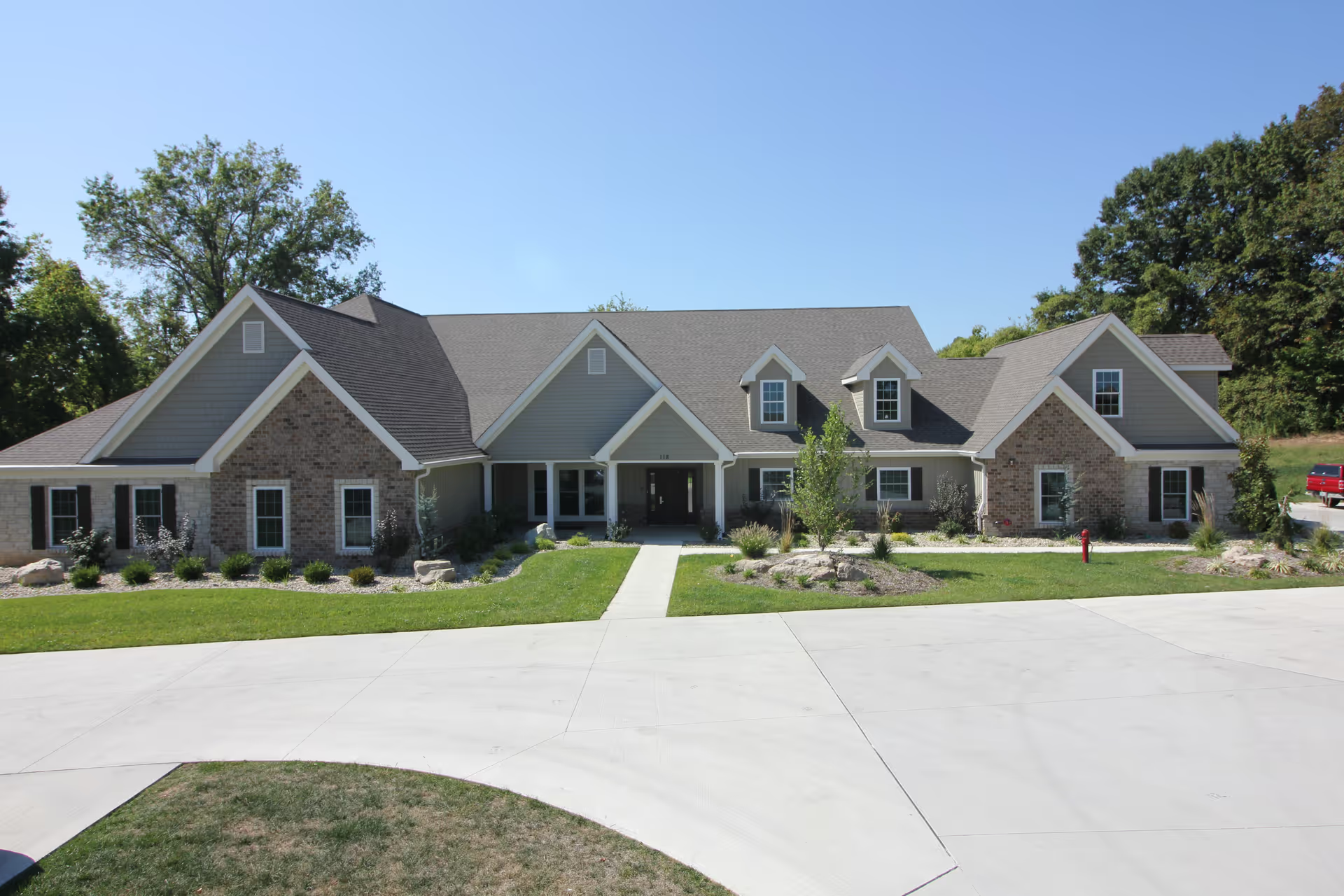
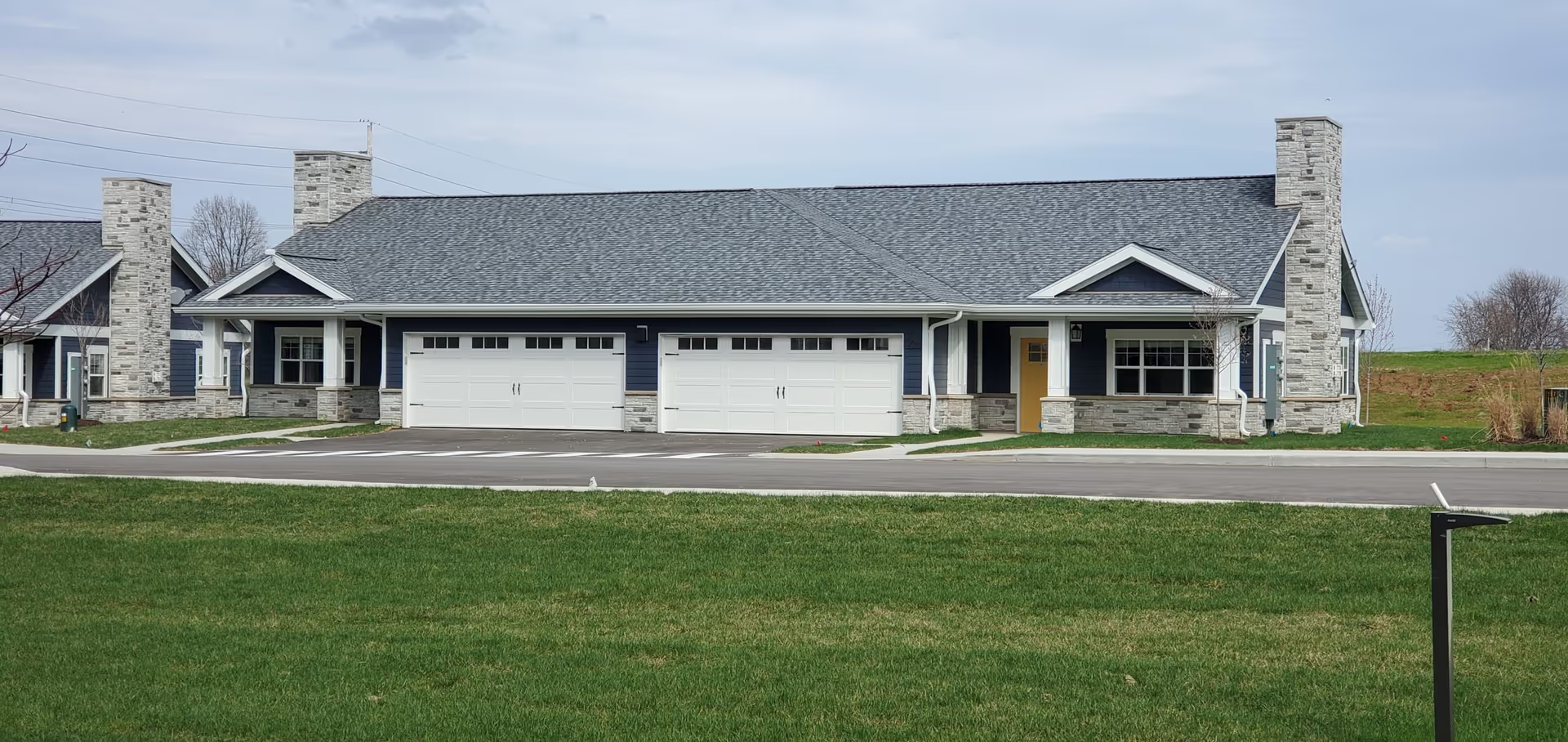
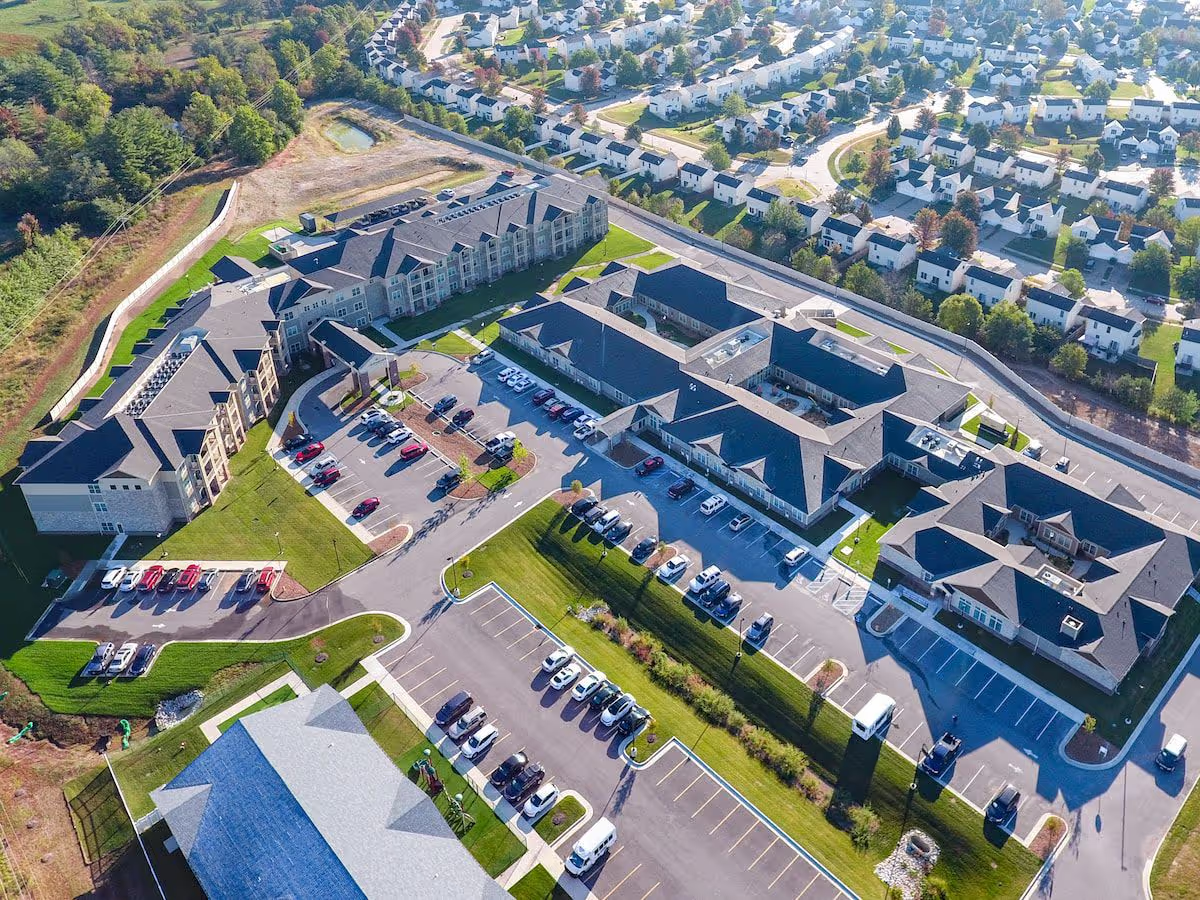
Garden Villas of O’Fallon is consistently described as a bright, resort-like senior community with a broad set of physical amenities and an active social program. Reviewers emphasize extensive recreation options — indoor and outdoor pools, a fitness center, bowling alley, movie theater, library, beauty salon, and unique features such as an on-site ice cream parlor and pub. The facility’s grounds and common areas are frequently characterized as well maintained and attractive, contributing to a positive first impression and a ‘‘cruise-ship’’ or hotel-like atmosphere.
Staffing and direct-care interactions are a central strength for most families and residents. Many reviews highlight compassionate, attentive, and family-oriented staff across departments (activities, dining, housekeeping, therapy, front desk and nursing). Several individual team members and administrators are named and praised for going above and beyond, and families report strong social connections, frequent programming, and quick responses during routine needs and COVID-19 precautions. On-site therapy and access to cross-street skilled care are additional supports for residents with higher clinical needs.
Dining and activities are major positives: chef-prepared meals, multiple dining options, flexible meal plans and in-room delivery are commonly praised, and the calendar of activities (music, outings, happy hour, fitness classes) appears robust and effective at keeping residents engaged. At the same time, a subset of reviewers note variability in menu creativity and consistency of food quality, suggesting menu planning and execution can be uneven.
Operationally, the reviews point to some recurring weaknesses. Staffing levels and consistency emerge as a pattern: reviewers describe periods of service decline, reduced housekeeping frequency, and delays in some clinical and nonclinical responses. These staffing fluctuations are associated with gaps in clinical oversight and responsiveness in certain instances (pain-management delays, missed clinical follow-ups, and incontinence-care inconsistencies are concerns raised by families). Maintenance responsiveness is praised in many accounts but described as slower or uneven in others, indicating variability by unit or time.
Unit layout and access are another operational consideration. Apartment sizes and floor plans range from spacious two-bedroom units to smaller or unusually shaped rooms; some units are located at a distance from dining and activity hubs, which can present mobility and accessibility challenges for residents using canes or wheelchairs. Cost is also a factor—several families consider the community good value, while others point to relatively high fees, especially when higher-acuity care is required.
Finally, while the majority of feedback about staff and management is positive, there are isolated but serious concerns about staff conduct and communication tone, and at least a few allegations of inappropriate interactions that families raised. These appear episodic rather than systemic in the broader dataset, but they warrant direct inquiry at tour and contract stages. Prospective residents and families should weigh the strong social programming, extensive amenities, and generally praised staff culture against the potential for variability in staffing consistency, clinical oversight, housekeeping thoroughness, and unit-specific accessibility when making a placement decision.