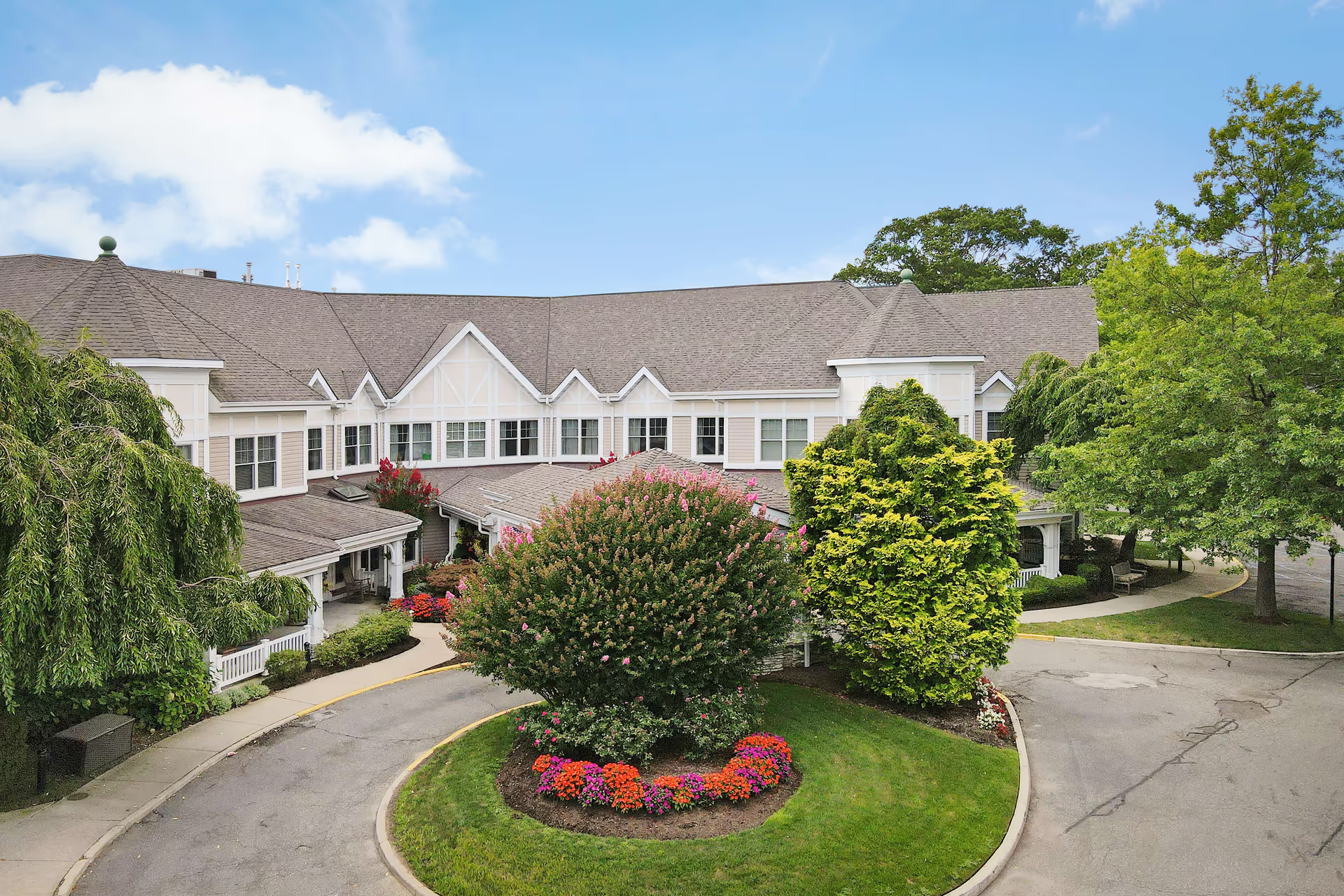
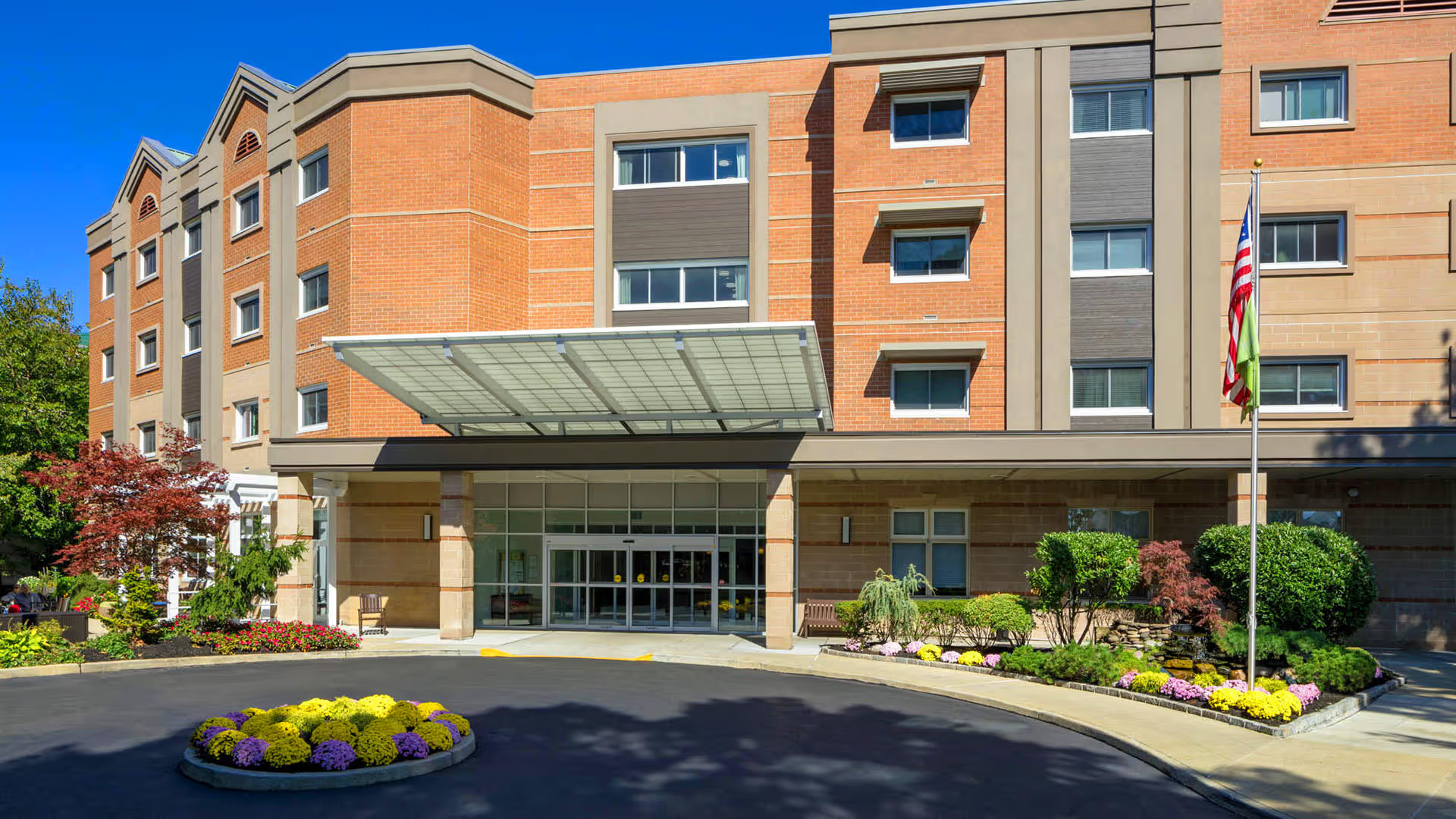
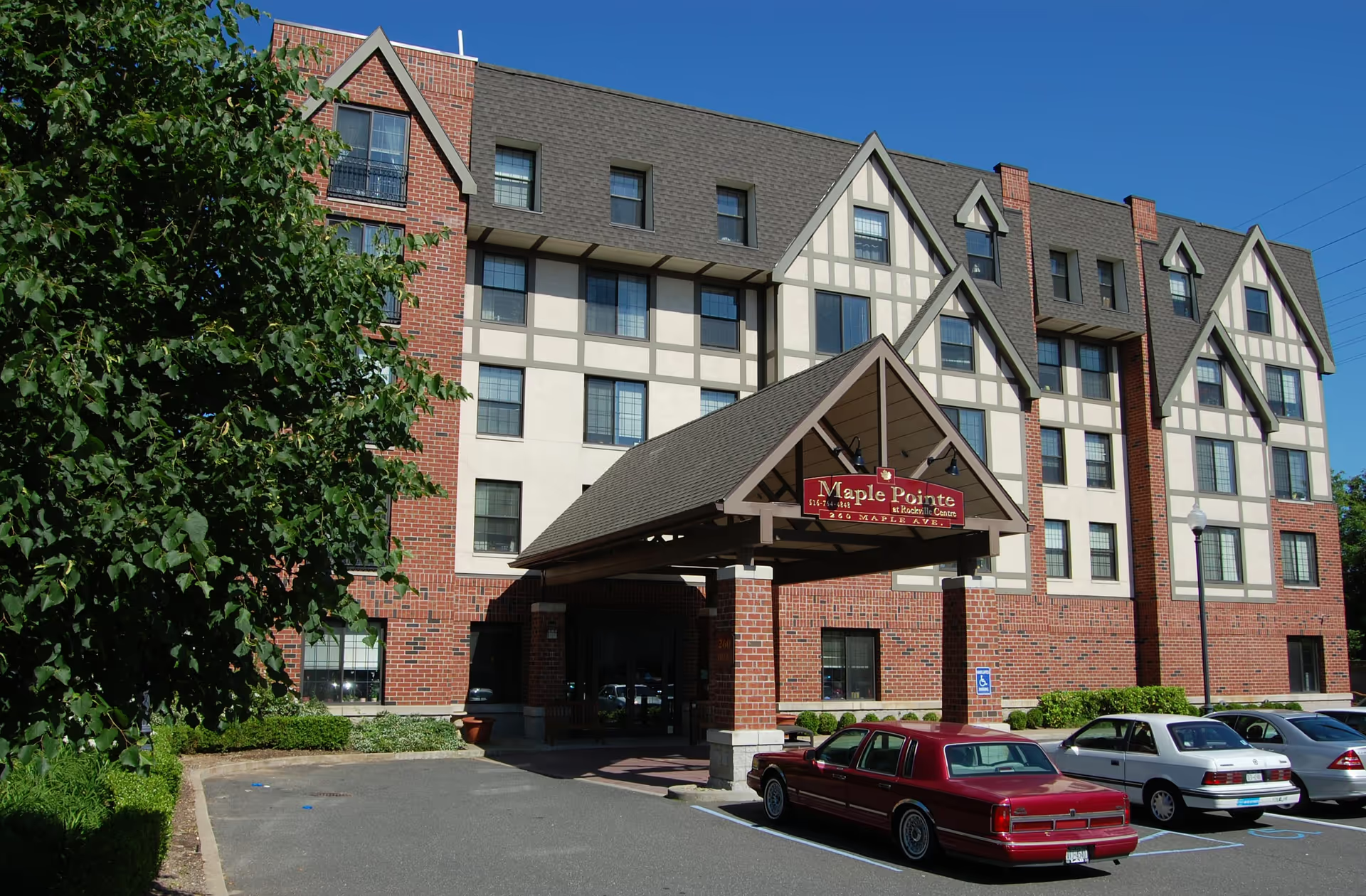
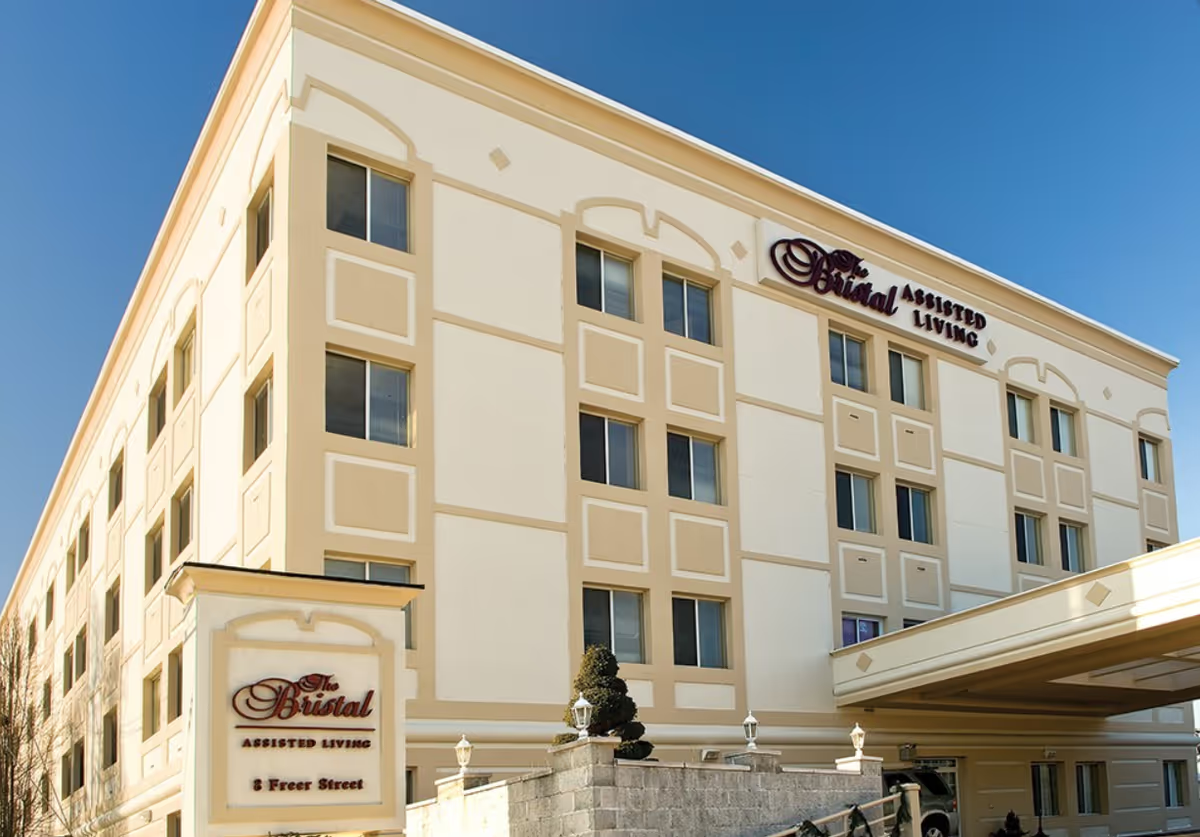
Atria Tanglewood is consistently described as a clean, hotel-like assisted living community with strong social programming and a warm, resident-centered atmosphere. Reviewers frequently praise compassionate, attentive staff who learn residents' names, provide personalized attention (including 1:1 aides where needed), and support smooth move-ins. Housekeeping and maintenance are commonly characterized as reliable, and the building and grounds are noted for being bright, well-kept, and pleasant. Apartments are often described as spacious and well-appointed, with kitchenettes and in-suite conveniences that support independence.
The activity program is a prominent strength: families and residents report a wide range of offerings (exercise, arts and crafts, concerts, outings, memory games and specialty classes) and active participation driven by engaged activities leadership. Dining is another recurring positive, with many reviewers praising attractive dining spaces, varied menus, and good food or room service. On-site wellness, rehabilitation services (PT/OT), and visible emergency responsiveness are also cited as sources of reassurance for families.
Despite these strengths, several operational concerns recur across reviews. Clinical coverage is uneven: reviewers note limited nursing presence at times (no around-the-clock nurse in some units), inconsistent medication-management practices, and reduced capacity to manage high-acuity or advanced memory-care needs. Families who required a higher level of medical oversight described gaps between the community's capabilities and resident needs. Communication with families is another area of concern—examples include delayed or insufficient responses to questions, difficulties reaching staff by phone, and variable follow-up after incidents or clinical changes.
Financial and management practices generate mixed feedback. While some reviewers applaud hands-on management, others perceive management decisions as profit-driven. Specific governance concerns include annual rent increases, extra charges (including allegedly mandatory tipping plans and fees for supplies), opaque billing or entry-fee structures, and perceptions that remodeling or capital improvements are funded through resident assessments. Staff-morale issues such as favoritism and inconsistent treatment among staff members are also mentioned, along with occasional staffing shortages that affect weekend activities or service continuity.
Security and property controls merit attention: amid otherwise positive comments about a secure front desk, there are references to missing personal items and family concerns about valuables safeguards. Accessibility constraints (wheelchair access in particular areas) and occasional inconsistencies in meal quality or special-menu options were raised as additional considerations when evaluating fit.
Overall pattern and suitability: Atria Tanglewood appears well suited for independent seniors and those requiring light to moderate assisted living supports who value active social programming, a hotel-like environment, and attentive nonclinical care. Prospective residents with complex medical needs or progressive memory impairment should verify clinical staffing levels, medication protocols, and transfer-readiness. Families should also seek detailed, written explanations of fees, tipping policies, billing practices, and valuables safeguards during the tour and move-in process to reduce later confusion. Visiting in person, asking about nurse coverage and emergency protocols, and checking recent communications patterns with current families will help determine whether the community's operational strengths align with an individual resident's needs.