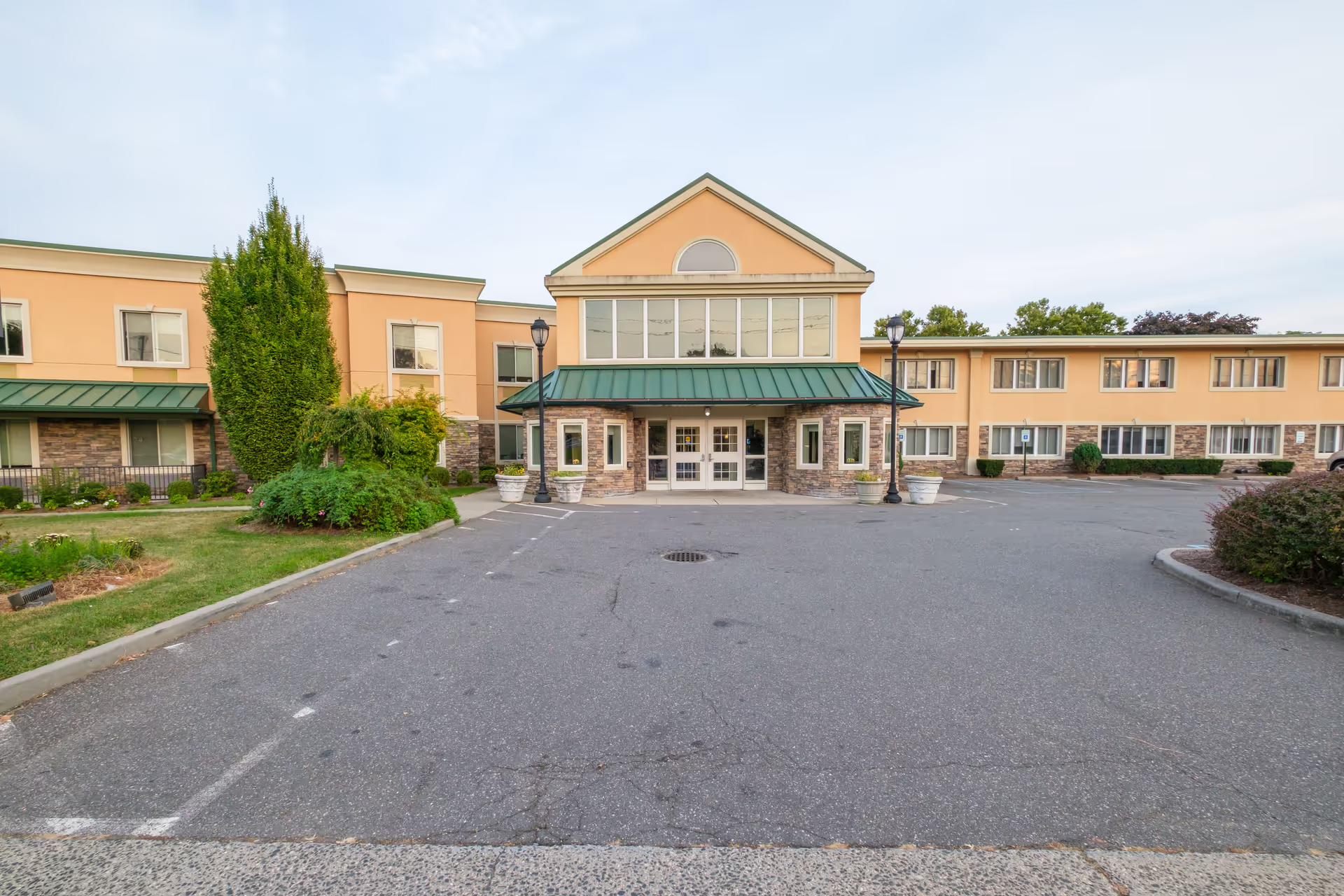
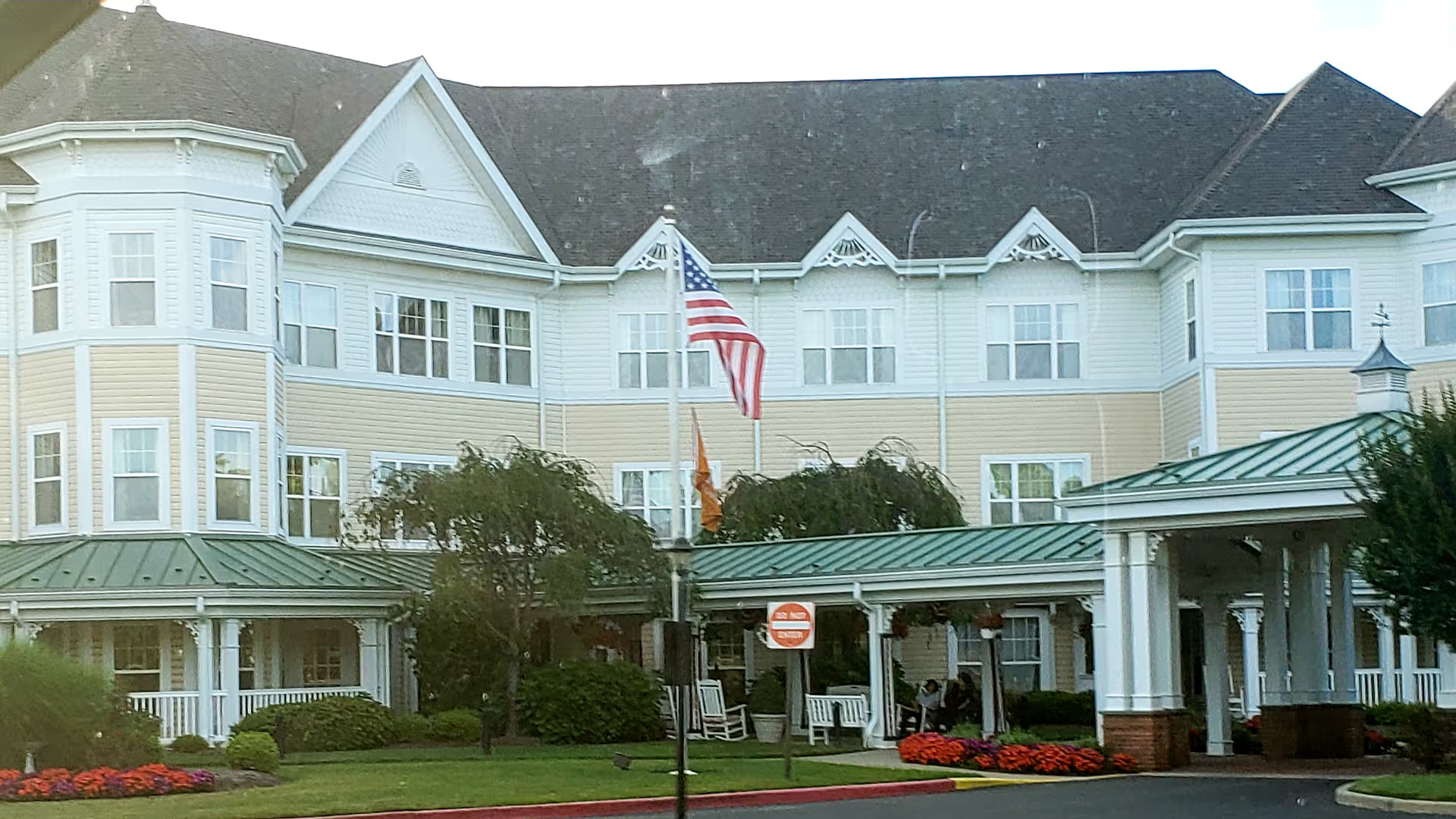
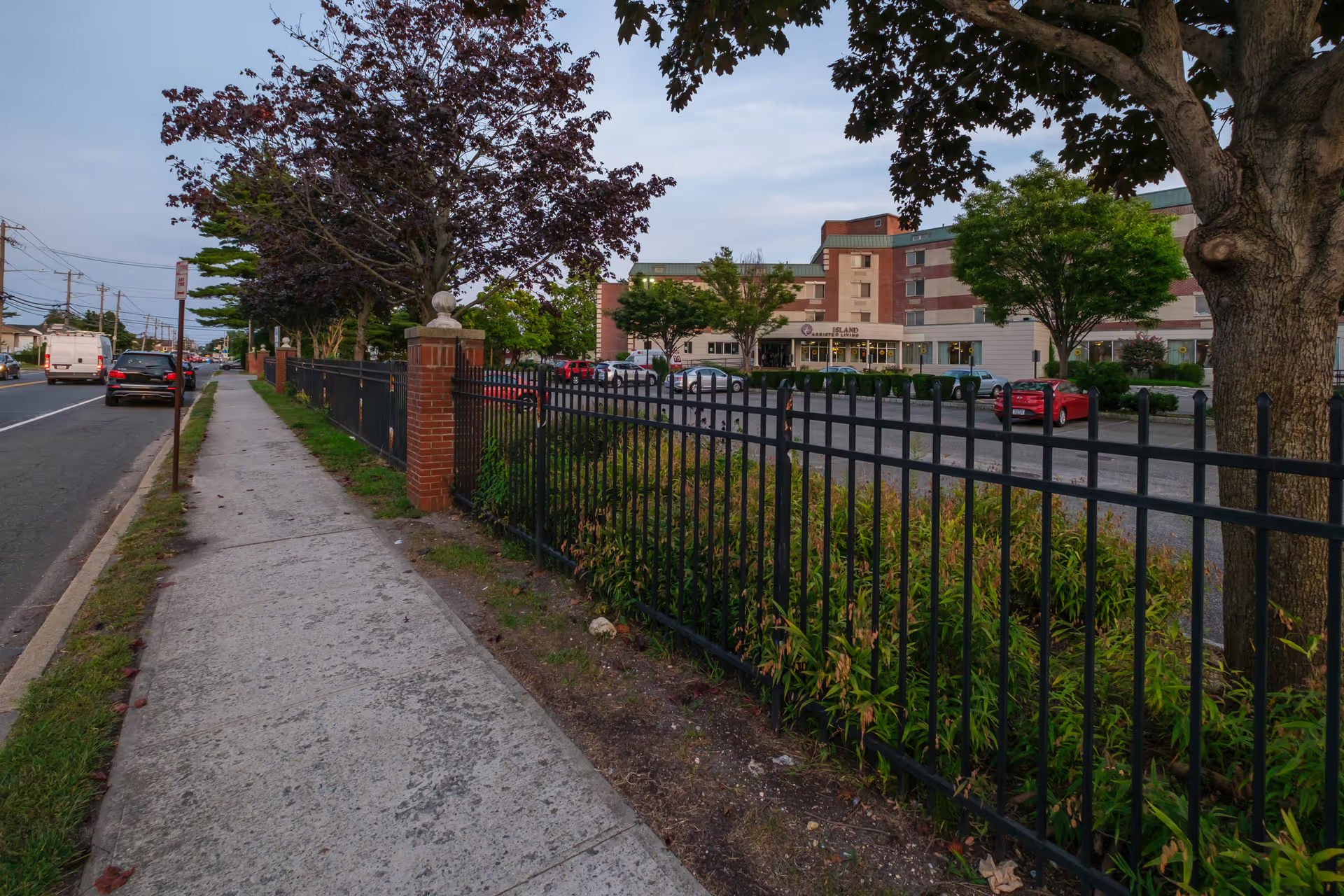
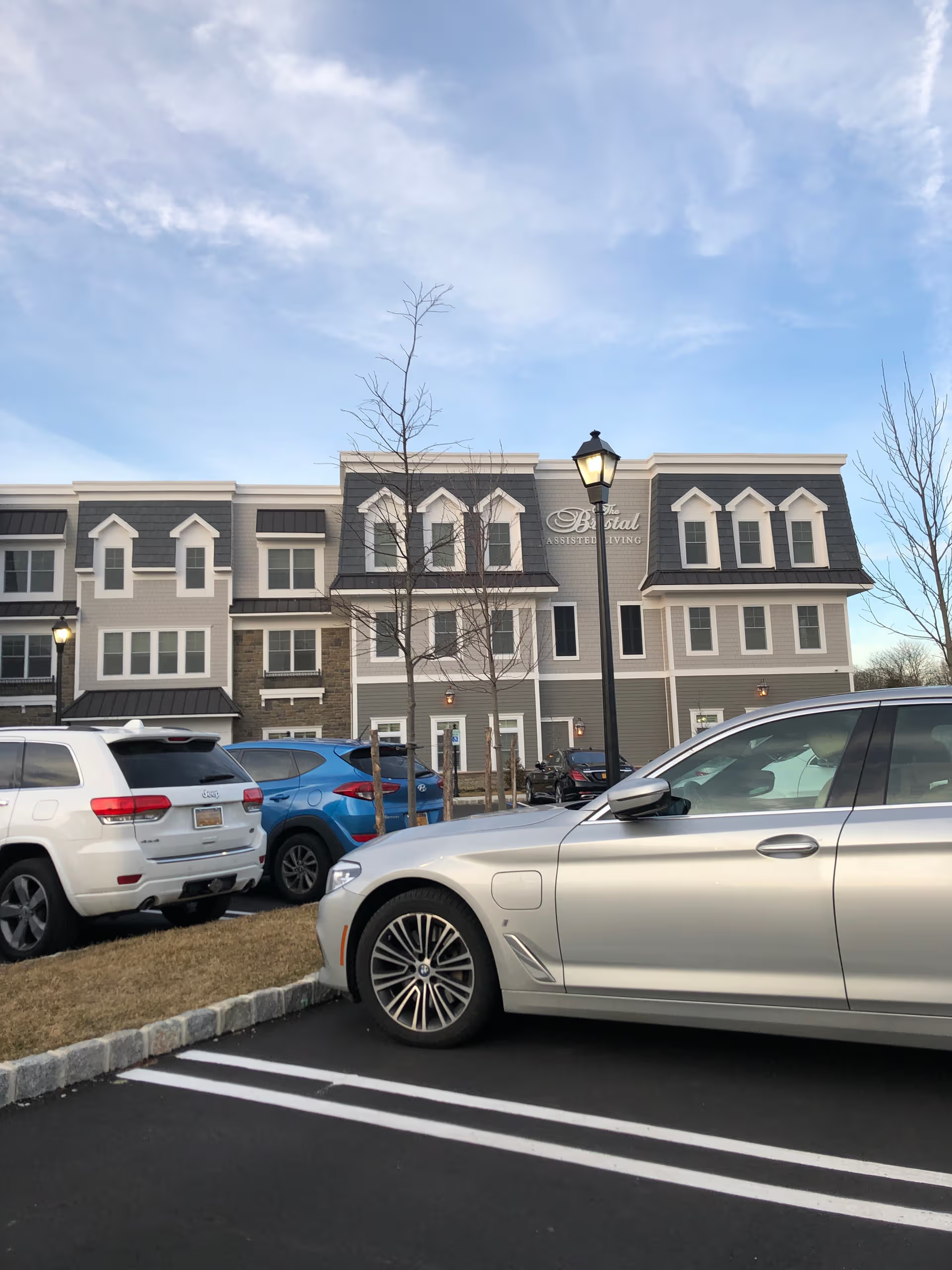
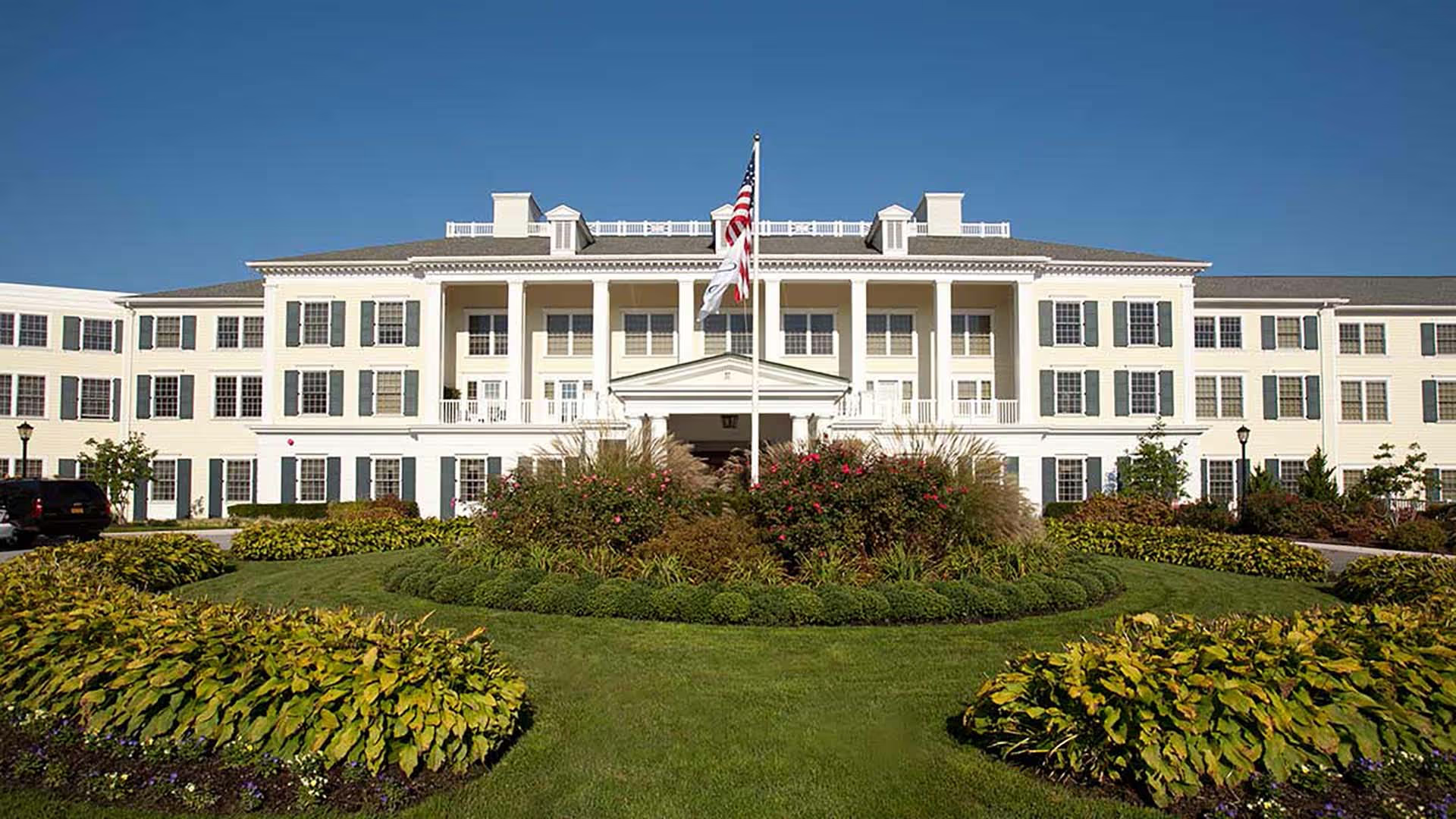
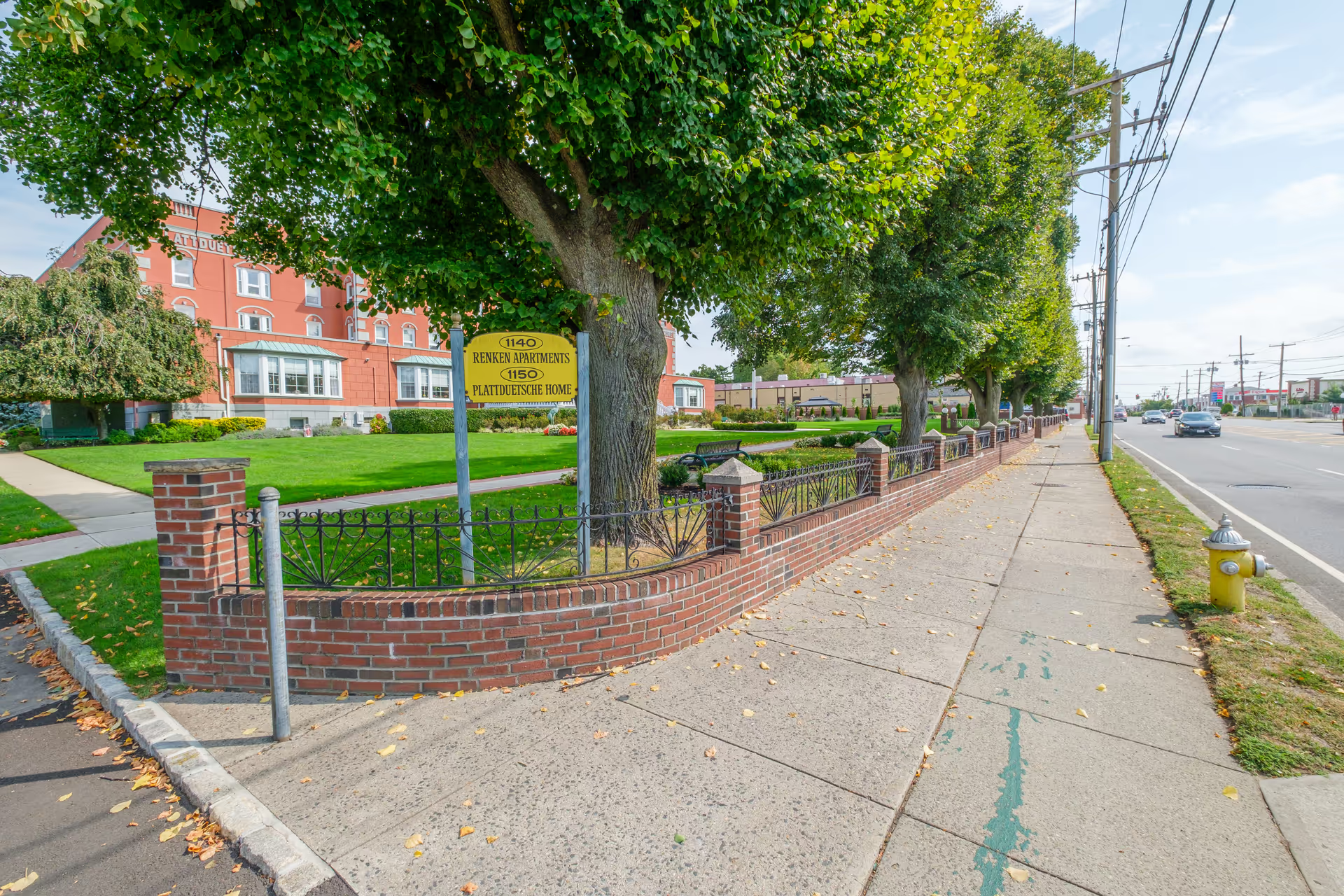
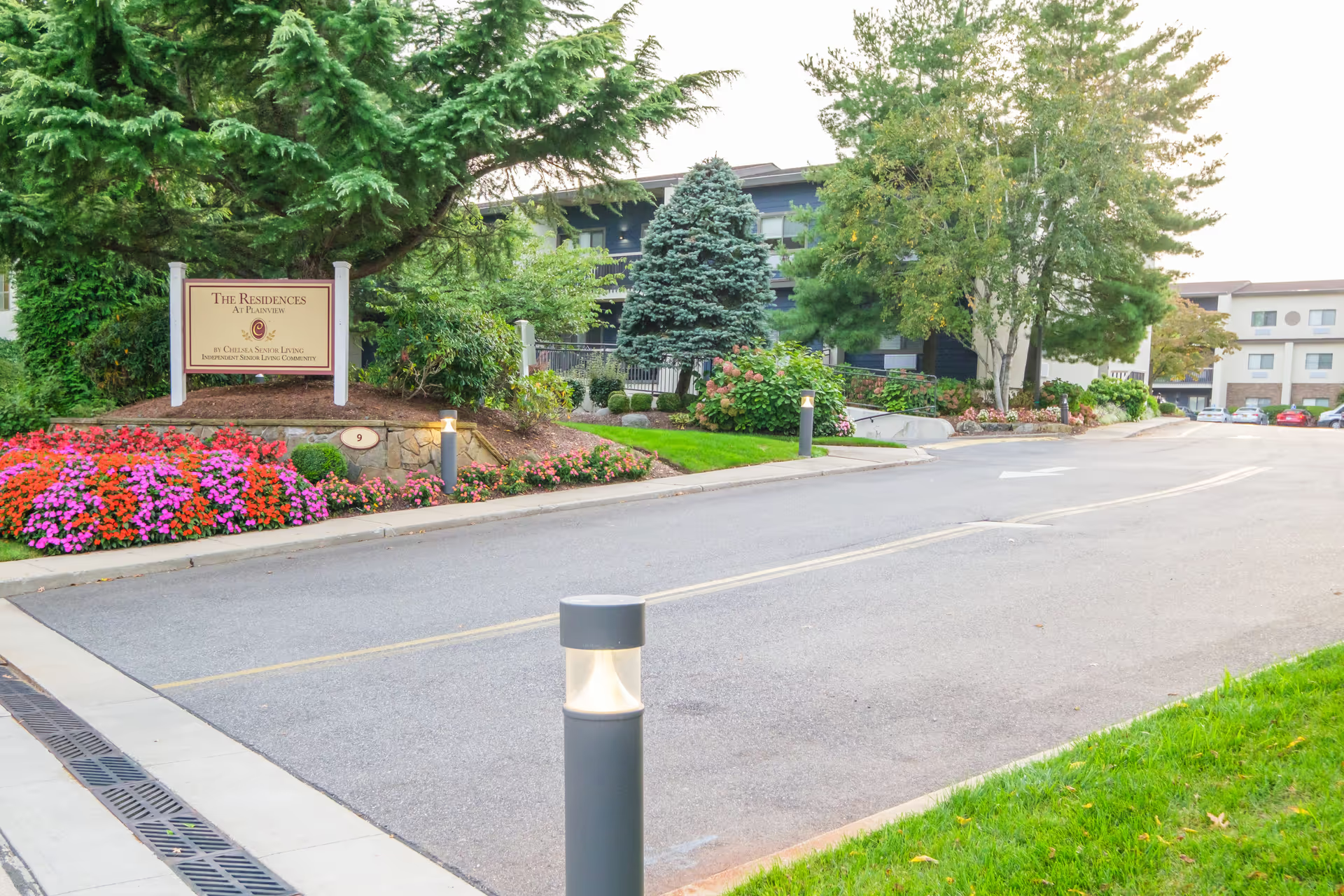
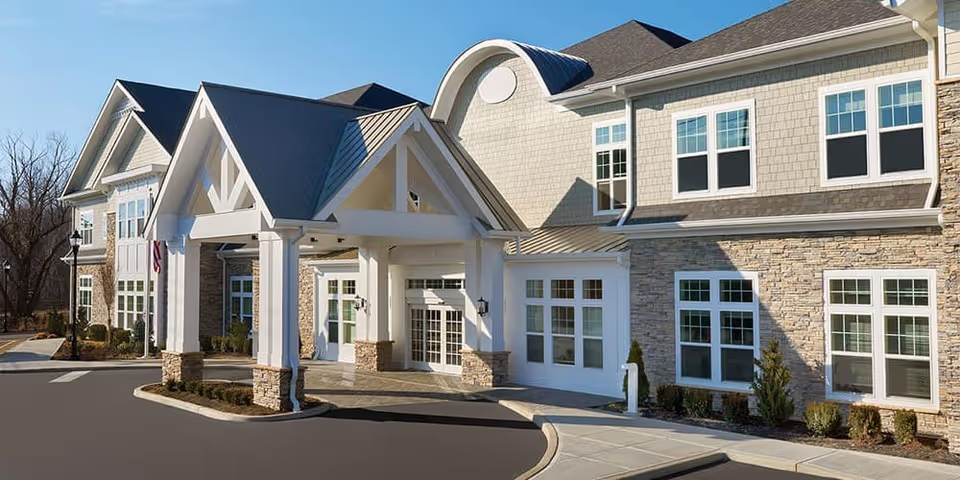
The Bristal Assisted Living at Westbury is frequently described as a well‑appointed, clean community with an active social program and a hospitality-focused dining model. Many residents and families praise the renovated interiors, bright common areas, on-site amenities (movie theater, salon, activity rooms), and a varied activities calendar that includes games, exercise classes, arts-and-crafts, and regular outings. Housekeeping, laundry, and restaurant-style meals are commonly cited as features that simplify daily life and contribute to a welcoming, hotel-like atmosphere.
Staff interactions are a central strength in a large portion of feedback: front‑desk staff, concierge personnel, activity coordinators, and many caregivers are characterized as personable, attentive, and familiar with residents by name. Several accounts note helpful admissions and move-in assistance, proactive check-ins, and visible wellness resources such as on-site physical therapy and physician visits. The community’s infection-control practices and low COVID incidence during recent waves were also noted positively.
Dining receives mixed but generally positive commentary: chef-prepared meals and a restaurant-style dining room are appreciated, and special dining events are seen as valuable. However, there are recurring notes about inconsistent meal-service pacing, a limited rotation of some menu items, and variability in server training and responsiveness that can affect the dining experience for some residents.
The most consistent operational concerns center on clinical responsiveness, communication, and contract transparency. Several families described delays or inconsistencies in how health changes are assessed and escalated, and there are multiple mentions of difficulty reaching administrators or obtaining timely follow-up after move-in or during clinical events. Relatedly, reviewers point to discrepancies between services described at admission and those ultimately delivered, and to unclear or inflexible fee structures — including non-refundable deposits and extra charges — which merit careful contract review prior to move-in.
Other recurring themes include staffing and management turnover, which some families link to variable care continuity; limitations in the community’s ability to support higher-acuity or specialized memory-care needs; and physical-plant constraints such as a single elevator and intermittent exterior odor issues that can affect daily convenience. Maintenance responsiveness and occasional variability in tour-staff professionalism were also mentioned as areas for improvement.
In sum, The Bristal at Westbury offers many hallmarks of an active, hospitality-oriented assisted living community: strong ambience, robust activity offerings, on-site amenities, and numerous staff who provide warm, engaged care. Prospective residents and families should weigh these strengths against patterns of concern around clinical escalation, communication, fee transparency, and capacity for higher-acuity needs. A careful review of contract terms, direct questions about clinical escalation protocols and staffing stability, and an in-person assessment of dining service and physical-flow (elevator, parking) are advisable steps for families considering this community.