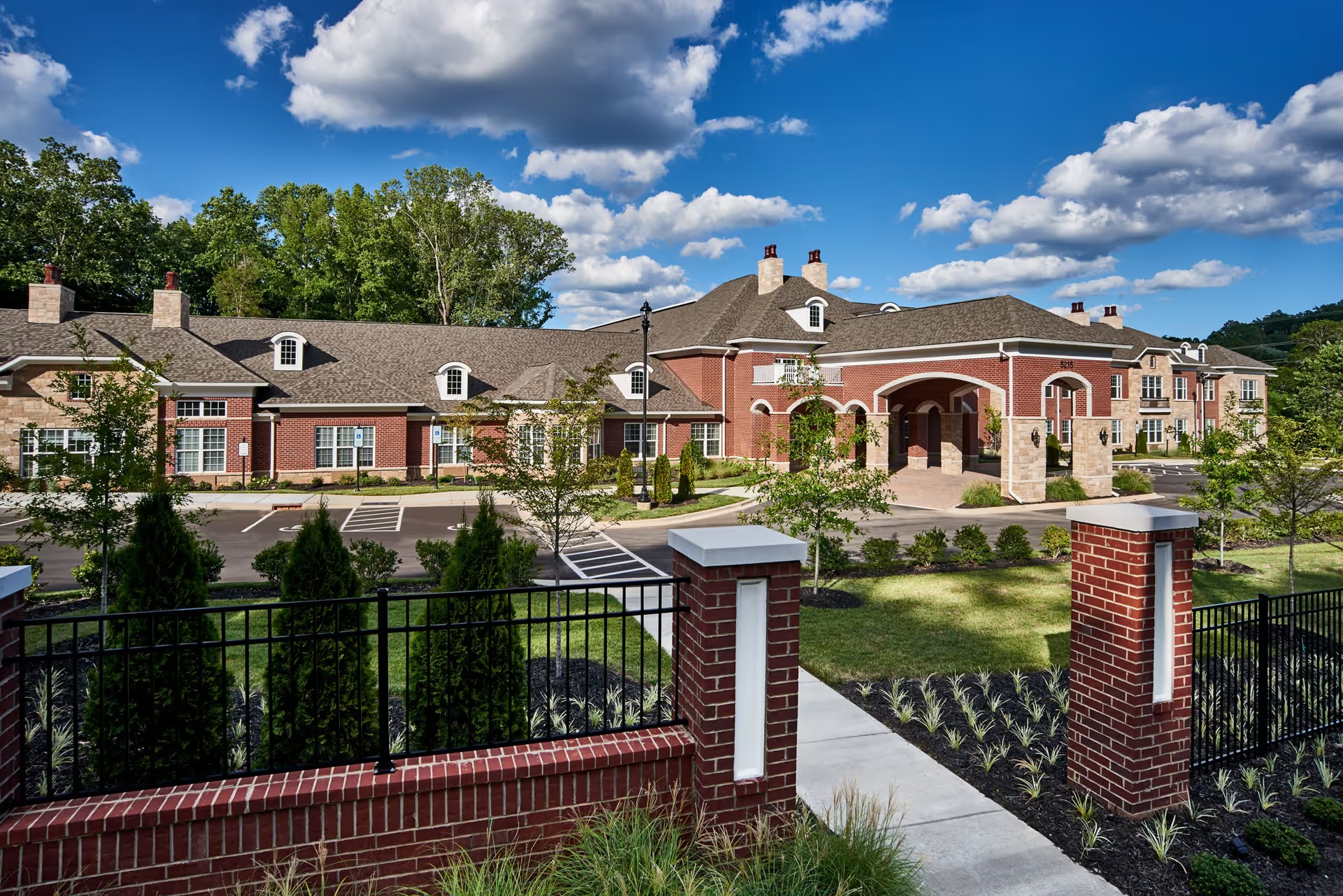
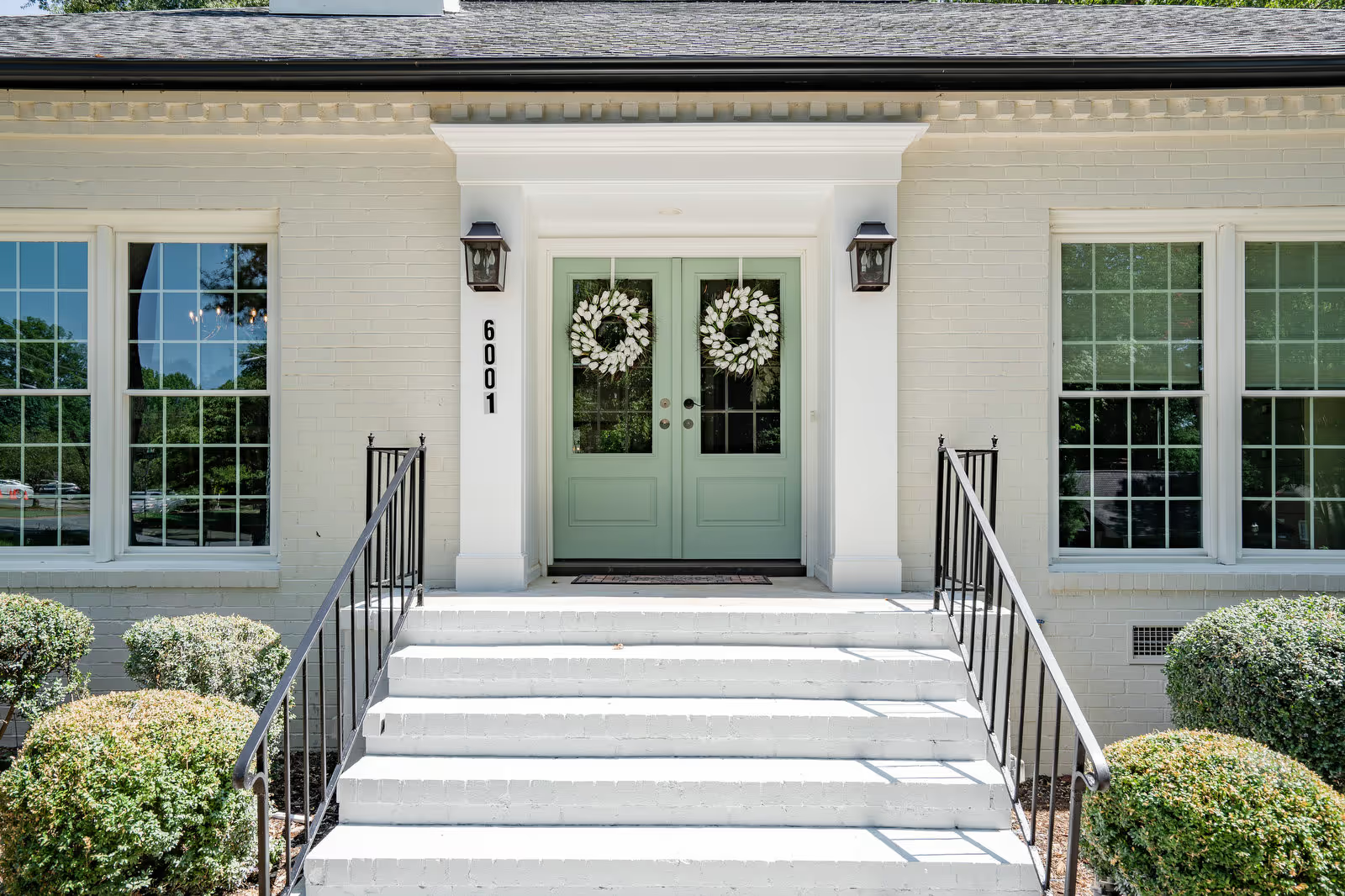
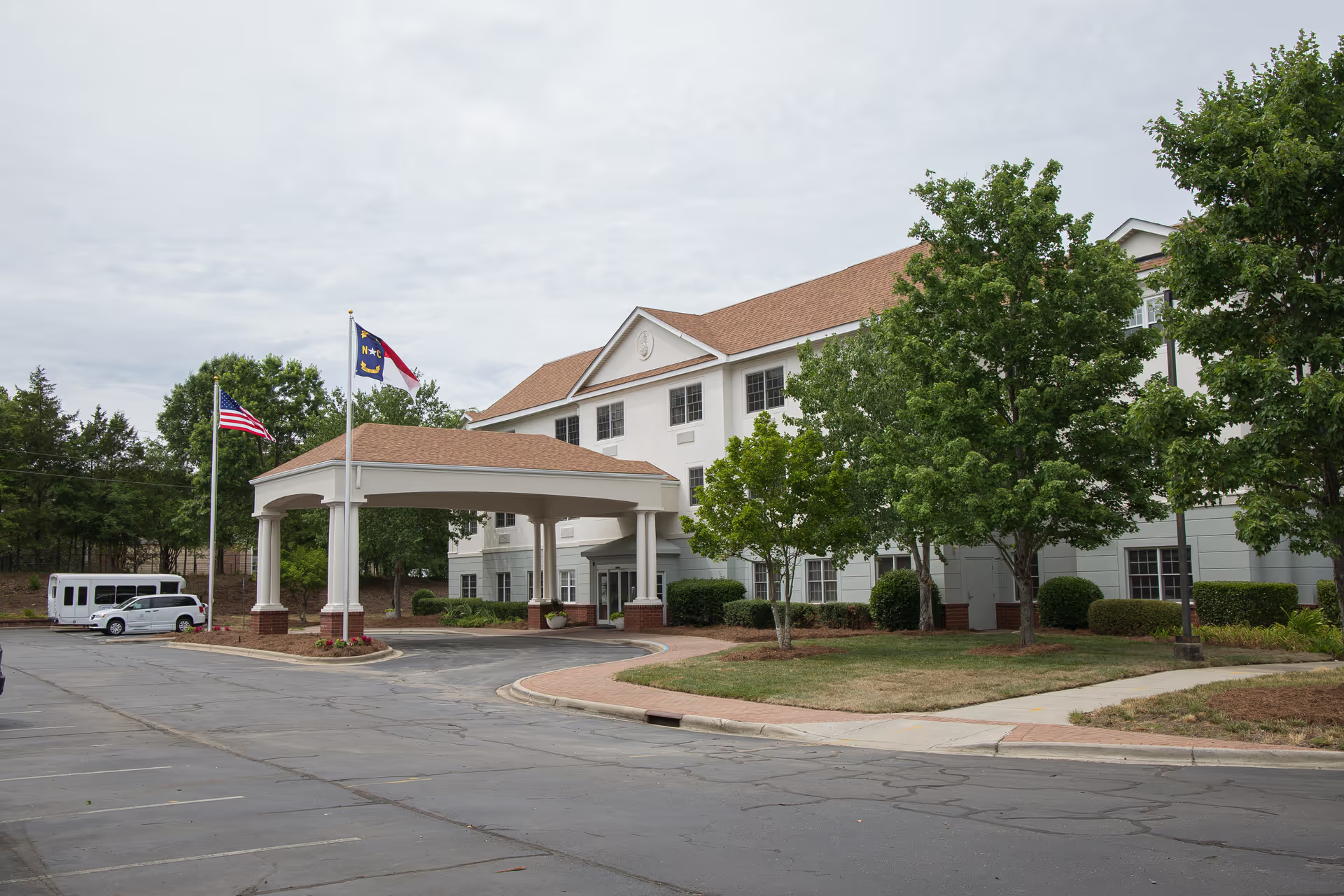
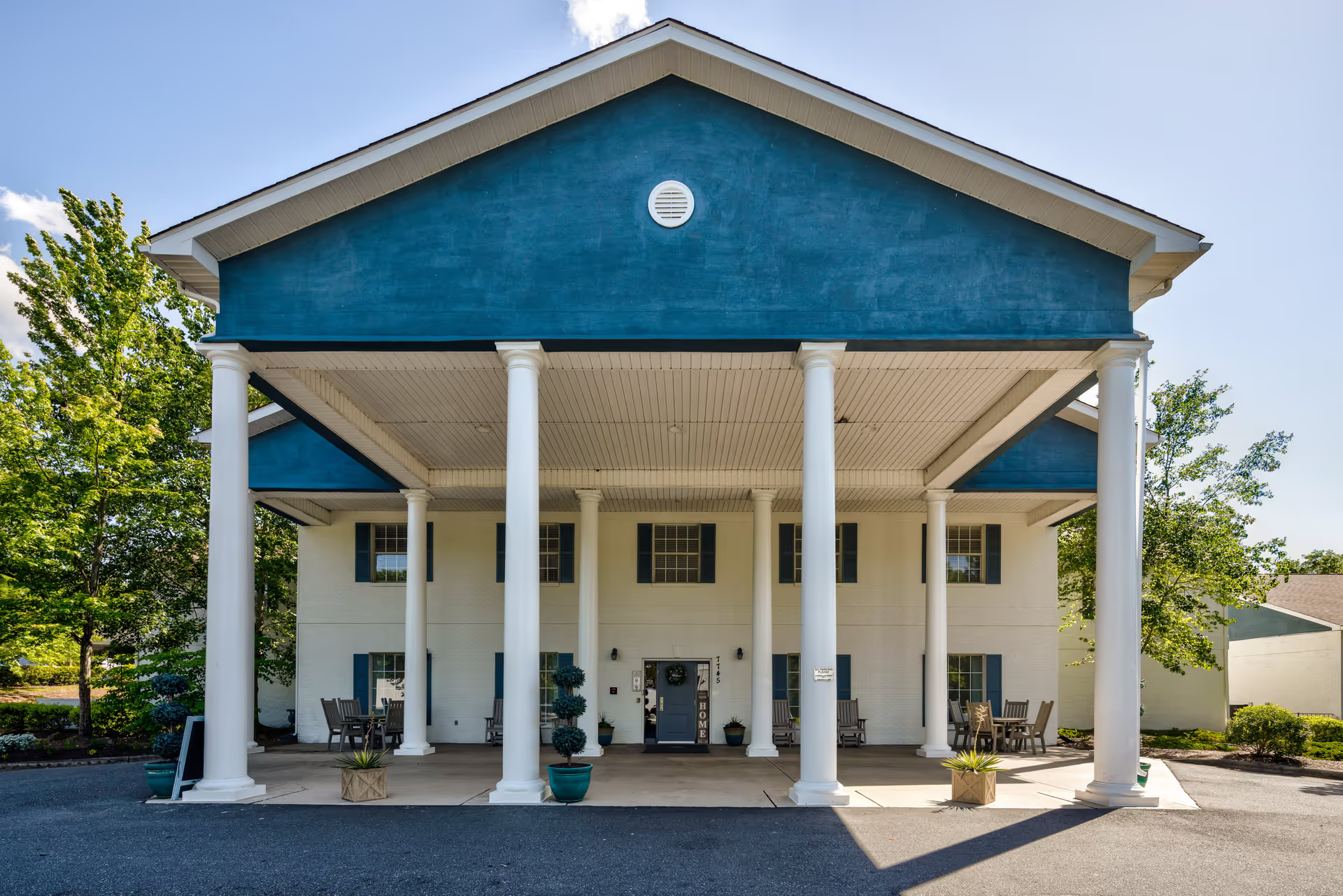
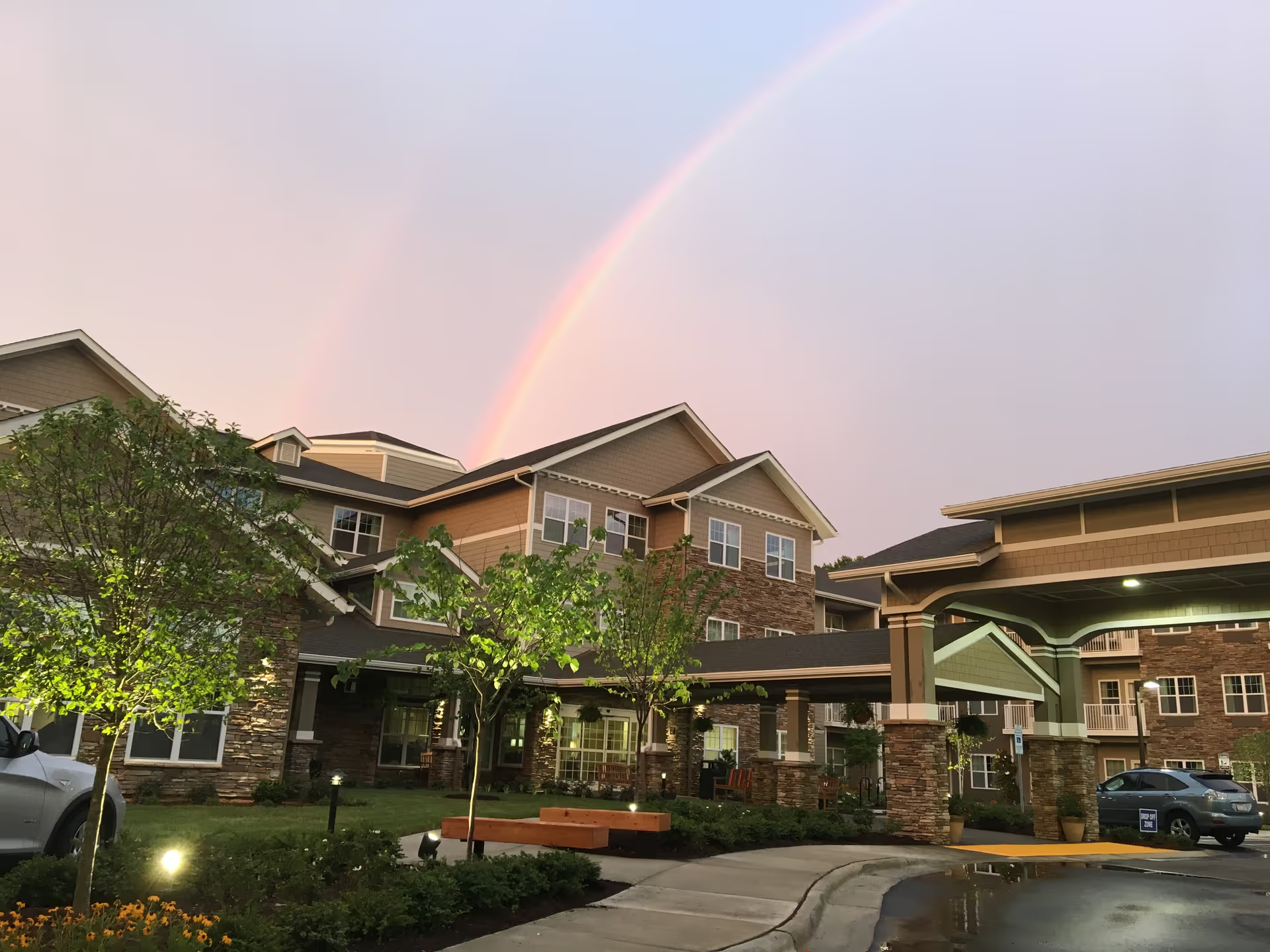
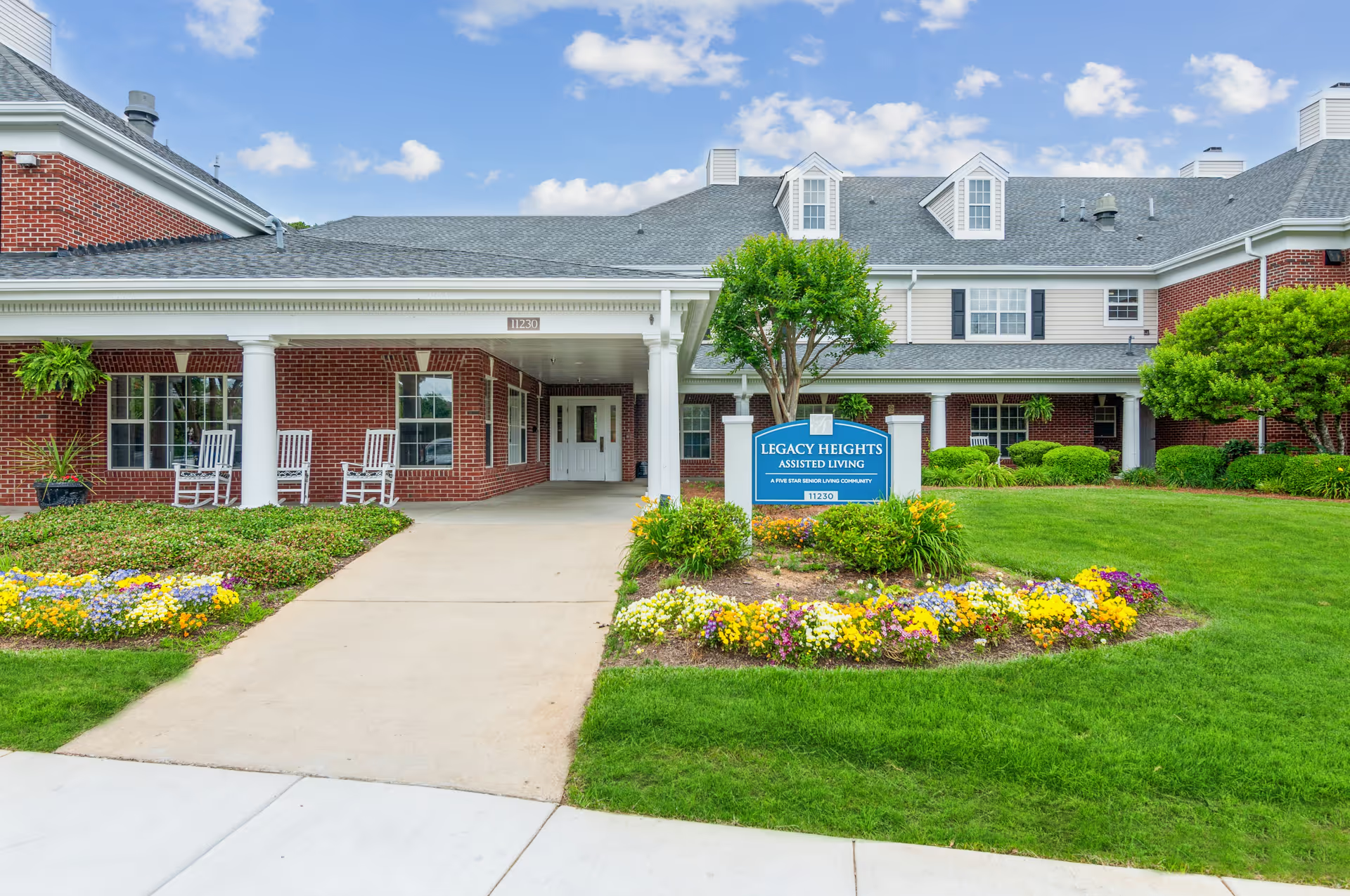
Summit Place of South Park elicits strongly polarized impressions: many families and residents praise a warm, social community with attentive caregivers, while other families describe serious operational concerns that affected trust. The facility offers apartment-style units, bright common areas, and a broad activities calendar; maintenance responsiveness and a number of long-tenured, personable staff members are commonly cited strengths. At admission and during transitions, several families highlighted helpful, supportive admissions staff who eased moves and helped residents settle in.
Care quality is mixed. Positive accounts emphasize compassionate day-to-day assistance, meaningful staff–resident relationships, routine check-ins, and strong memory-care teams in some instances. Conversely, other accounts describe delayed personal‑care tasks, problems with continence care and room sanitation in specific areas, and instances of medication-management failures. These contrasting experiences suggest variability in frontline caregiving and clinical oversight rather than a uniformly consistent level of care.
Staffing and management present a clear pattern. Reviewers frequently note dedicated CNAs, nurses, and activity personnel, but also cite high employee turnover and periodic leadership change that appear to affect continuity. Several families praised specific managers for responsiveness and advocacy, while others said escalations were deflected or unresolved. Communication gaps—between nursing, administration, and families—are a recurring theme, including slow responses at reception, delays in scheduling, and occasional lack of clarity on billing and extra charges.
Dining and activities are another area of divergence. Many reviewers commend restaurant-style dining, individualized meal attention, and a creative chef; others report inconsistent food quality, overreliance on processed items, and delays or cold meals at times. The activities program is consistently highlighted as a strength: frequent events, outings, fitness offerings, games, and social gatherings are reported to contribute positively to resident engagement. Some reviewers requested more male‑oriented programming and routine staff assistance for mobility‑limited residents during meals.
Facility and safety issues are likewise mixed. The building and apartments receive positive marks for cleanliness, bright common spaces, accessible bathrooms, and useful safety features such as grab bars and 24/7 assistance. At the same time, there are isolated sanitation and odor concerns in parts of the building, pest-control remarks, and several allegations of missing personal items and weak property controls—issues that raise security and inventory-management questions. Accessibility limitations in certain dining-room routines and transportation scheduling problems were also noted.
Notable patterns for prospective families: experiences vary substantially by unit, time period, and staff on duty. Summit Place demonstrates capacity to provide high‑quality, family‑oriented assisted living for many residents, particularly those who are ambulatory and benefit from social programming and on-site therapies. However, families with higher-acuity needs or those requiring consistent, attentive personal‑care assistance should evaluate current staffing levels, clinical oversight, and property‑control procedures during a visit. Ask about recent staffing ratios, medication-safety protocols, unannounced inspection history, incident‑reporting practices, and procedures for handling personal-property loss and readmission after hospitalization to form a clearer picture of how the facility operates on a day‑to‑day basis.