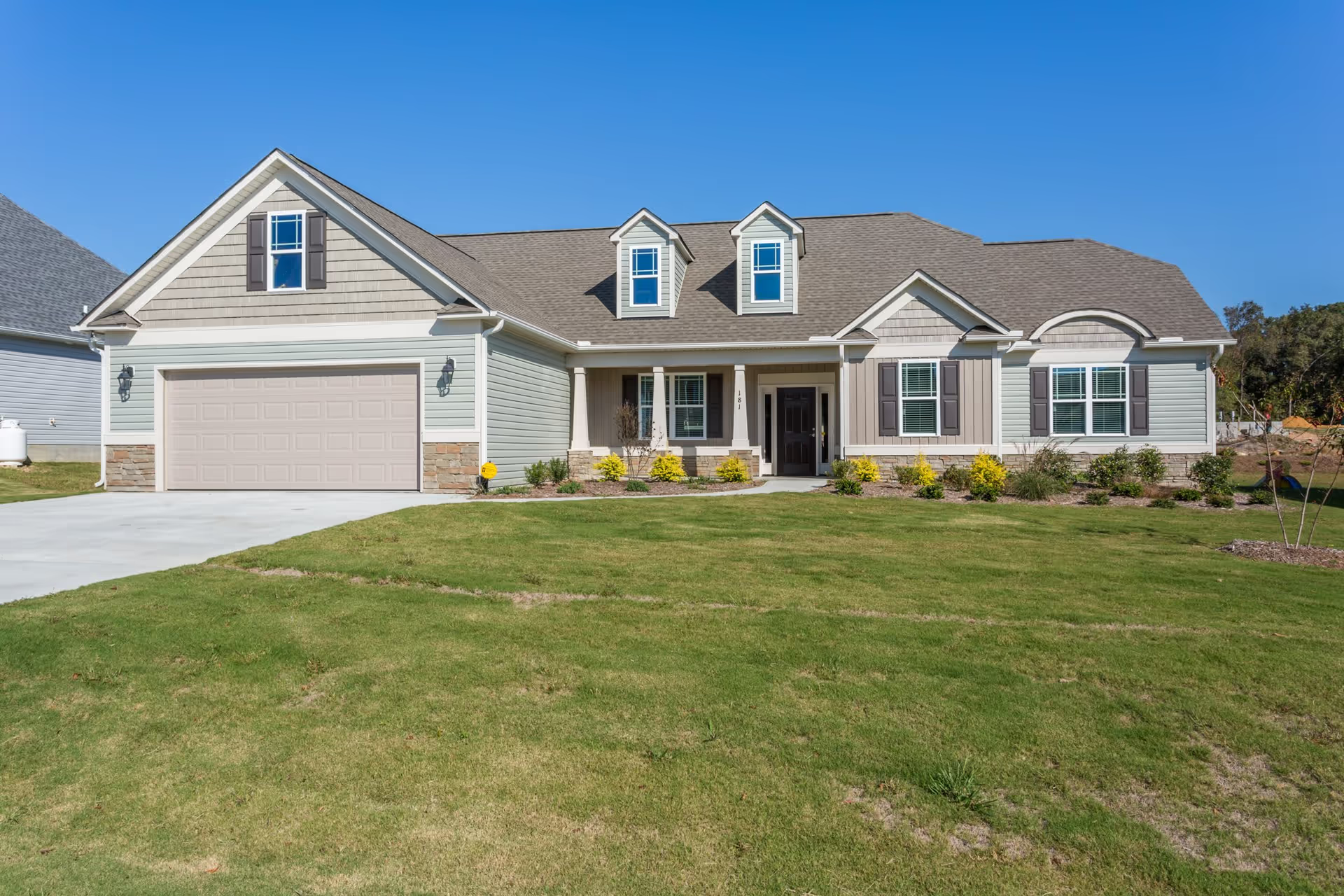
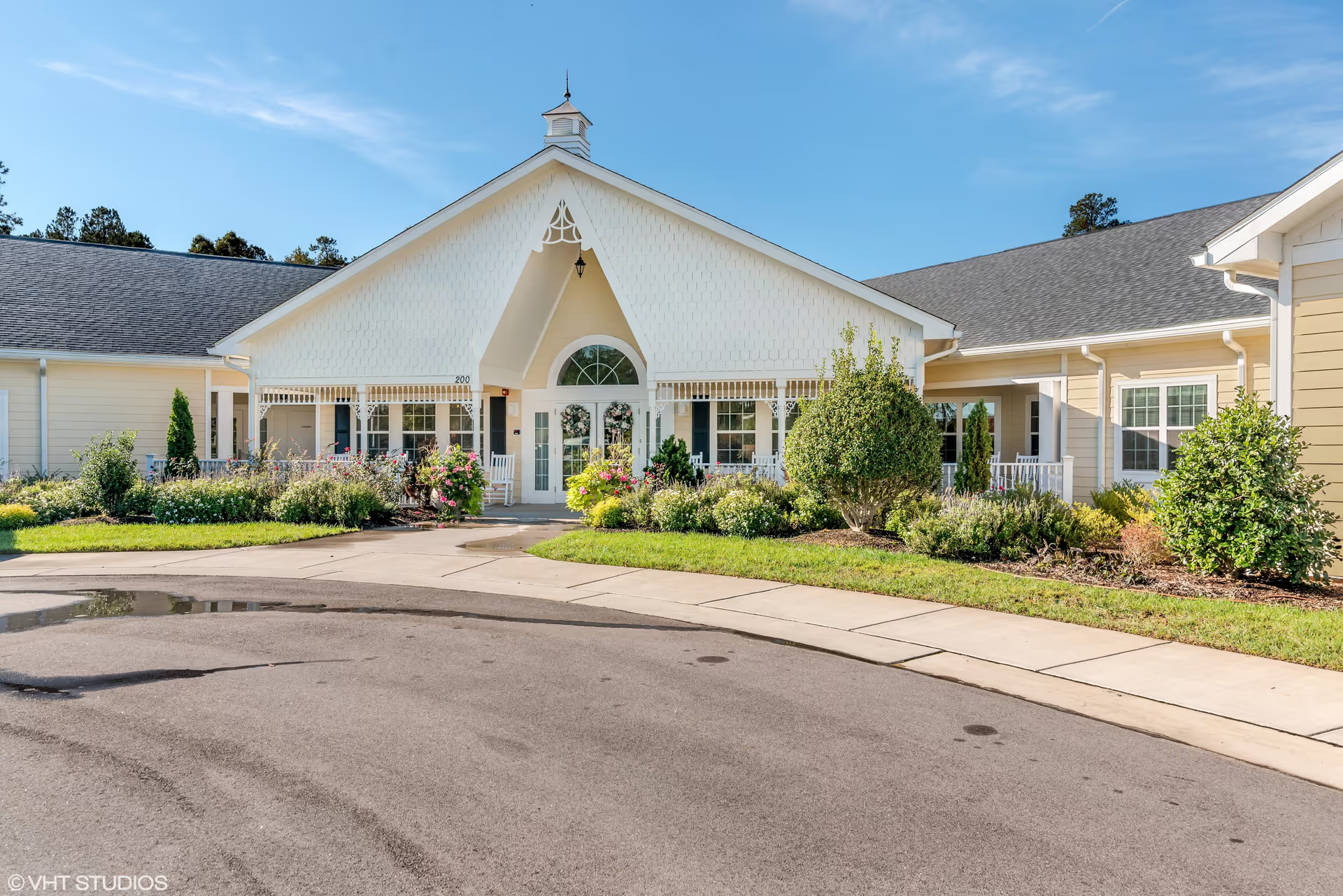
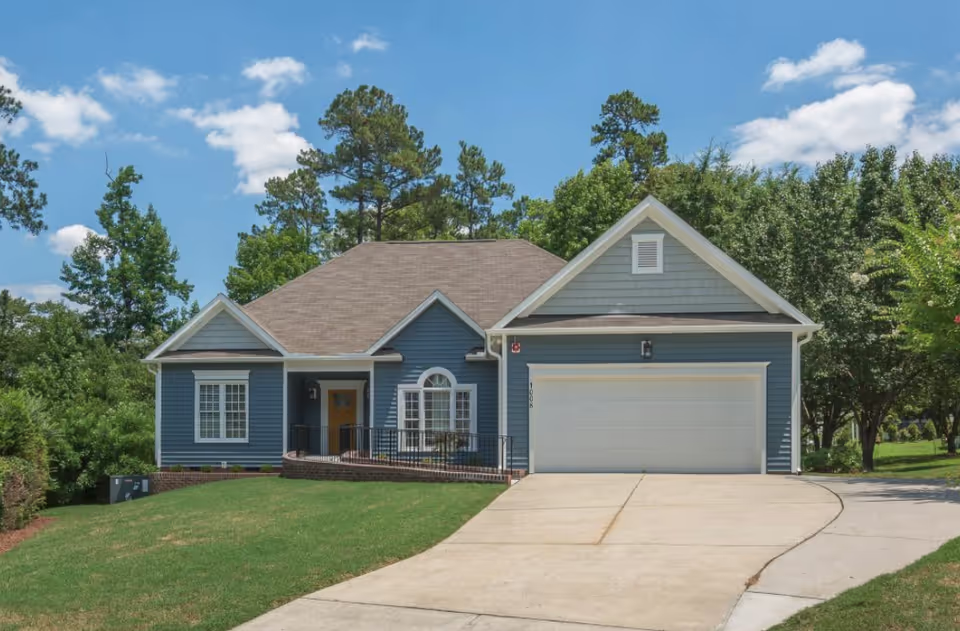
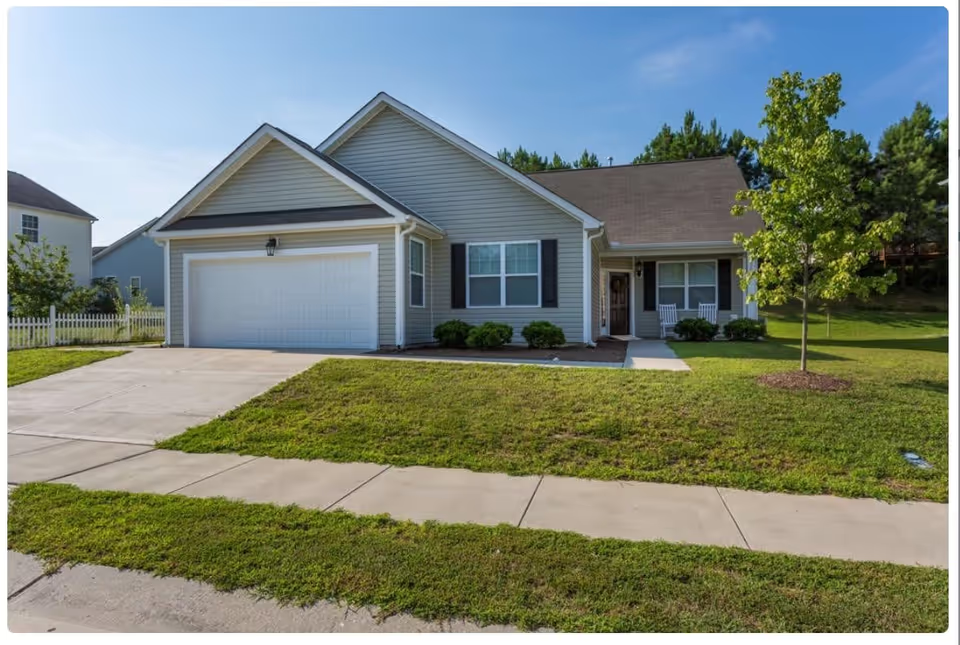
The reviews indicate a facility with meaningful strengths alongside recurring operational weaknesses. Positively, many families describe warm, caring direct-care staff and a family-like atmosphere. Several locations or units are modern, well maintained, and offer private or roomy accommodations, enclosed outdoor areas, and a restaurant-style dining room. On-site therapy services and an active activities program are available in some units, and proximity to a hospital and engaged nursing leaders were noted as advantages by families seeking medical oversight for complex needs.
At the same time, reviewers describe significant variability in performance between units and over time. Staffing continuity is a persistent concern: high frontline turnover and frequent changes in executive leadership correlate with inconsistent family communication, lapses in timely responses to calls, and uneven clinical oversight. These operational gaps appear connected to reported problems in medication-administration practices, inconsistencies in assistance with activities of daily living (including bathing and incontinence care), and instances where fall-prevention measures or wandering controls were inadequate. Several reviews also reference sanitation and odor concerns in common areas and variability in housekeeping standards.
Dining and programming are similarly mixed. When a qualified chef and full dining staff are present, food quality and presentation receive positive comments; however, other families report rushed meal service, declining food quality, and inconsistent dining experiences. Activity programming ranges from robust, well-publicized calendars with an activities director to units where scheduled offerings are limited or newly implemented but not yet established. Memory-care services and roommate matching are strengths in certain units, though some families experienced restrictive or unclear admission policies for residents with advanced dementia and expressed security concerns about unit access.
Management and financial transparency emerge as important themes. Multiple reviewers cite administrative turnover, inconsistent admissions and sales practices, and unclear billing—examples include move-in fees, additional nursing or med-tech charges, and expectations that families supply certain resident items. A few reviews reference serious institutional concerns, including legal action and medication errors; these items underscore the importance of confirming policies, oversight, and incident-notification procedures during any tour or contract review.
For prospective residents and families: an in-person tour with focused questions is advisable. Verify current staffing ratios and turnover statistics, medication-administration protocols, fall-prevention measures, sanitation procedures, memory-care admission criteria and unit security, activity staffing and calendar consistency, and a clear written breakdown of fees and supply responsibilities. Request references from current families, ask to meet nursing leadership, and observe mealtime and activity periods when possible to assess consistency between the facility’s strengths and the operational concerns reflected in these reviews.