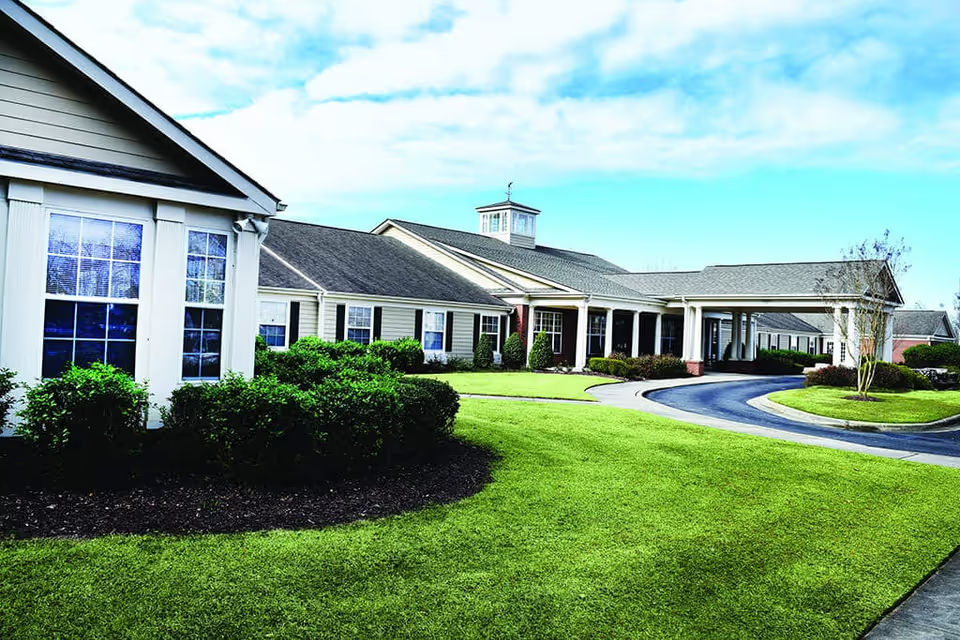
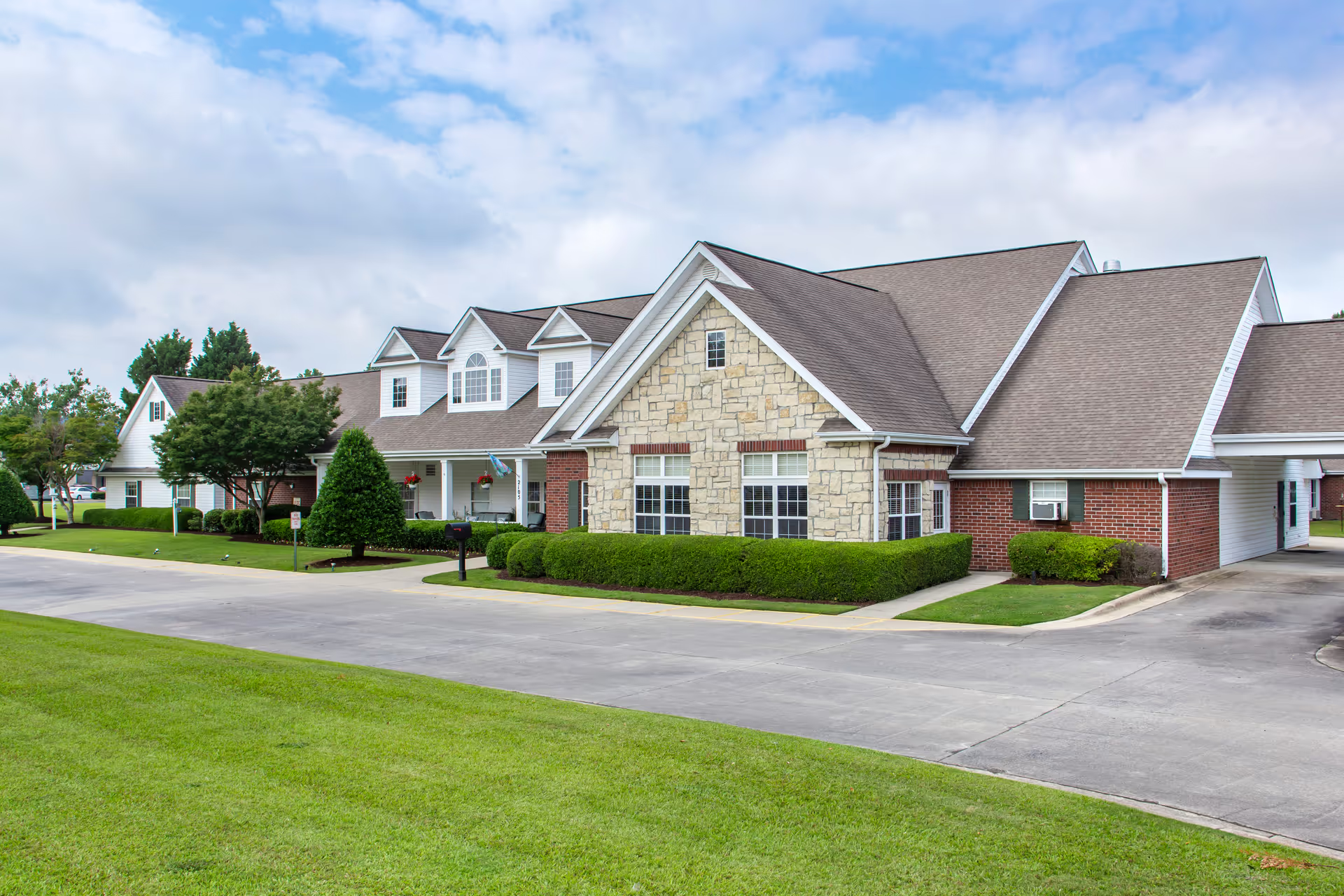
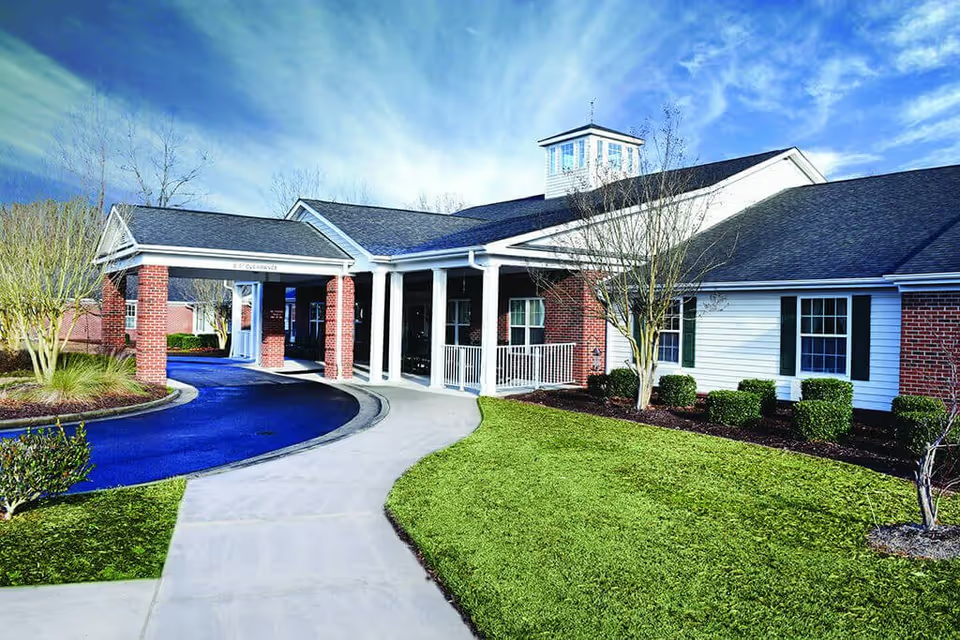
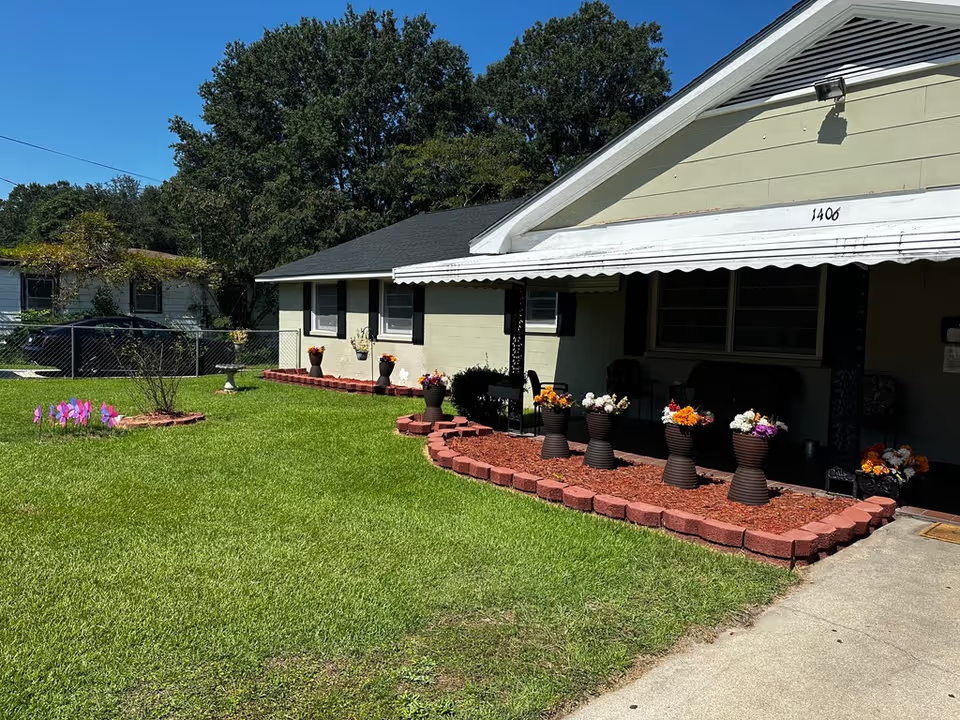
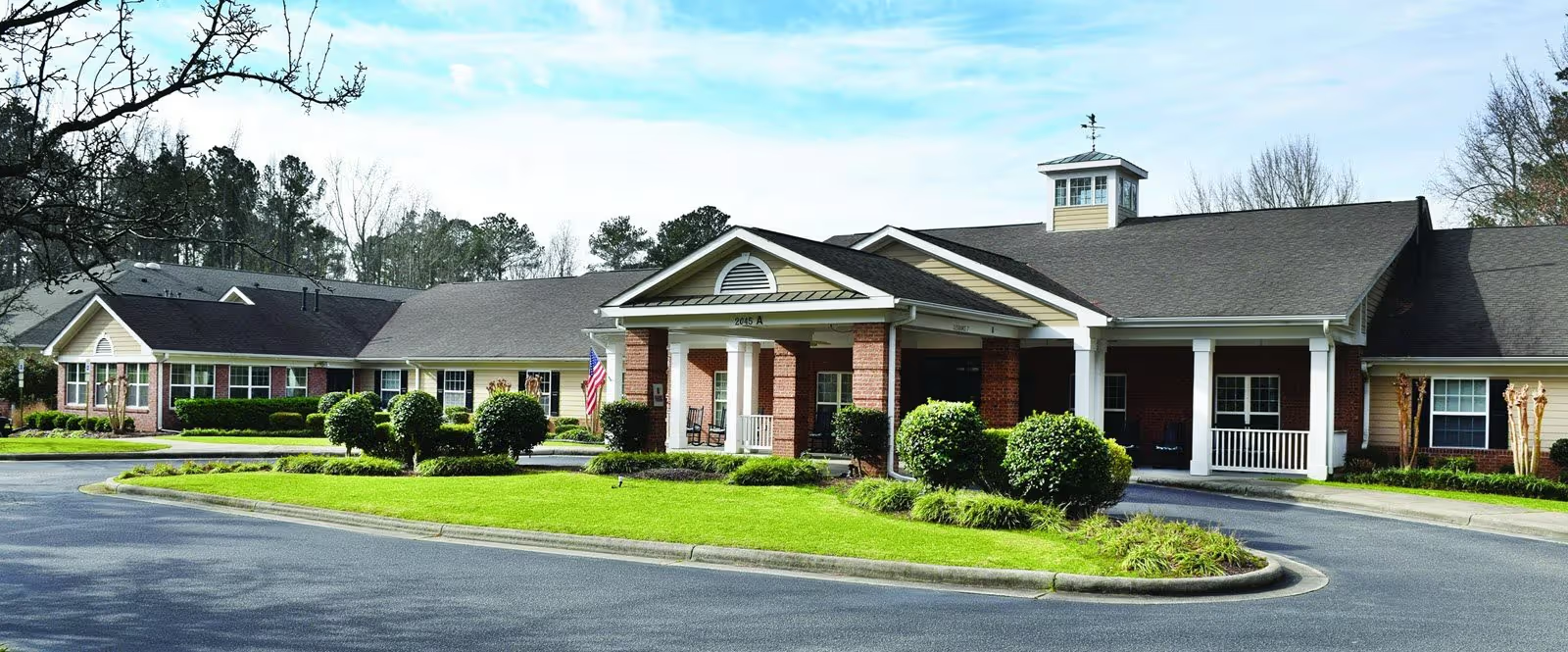
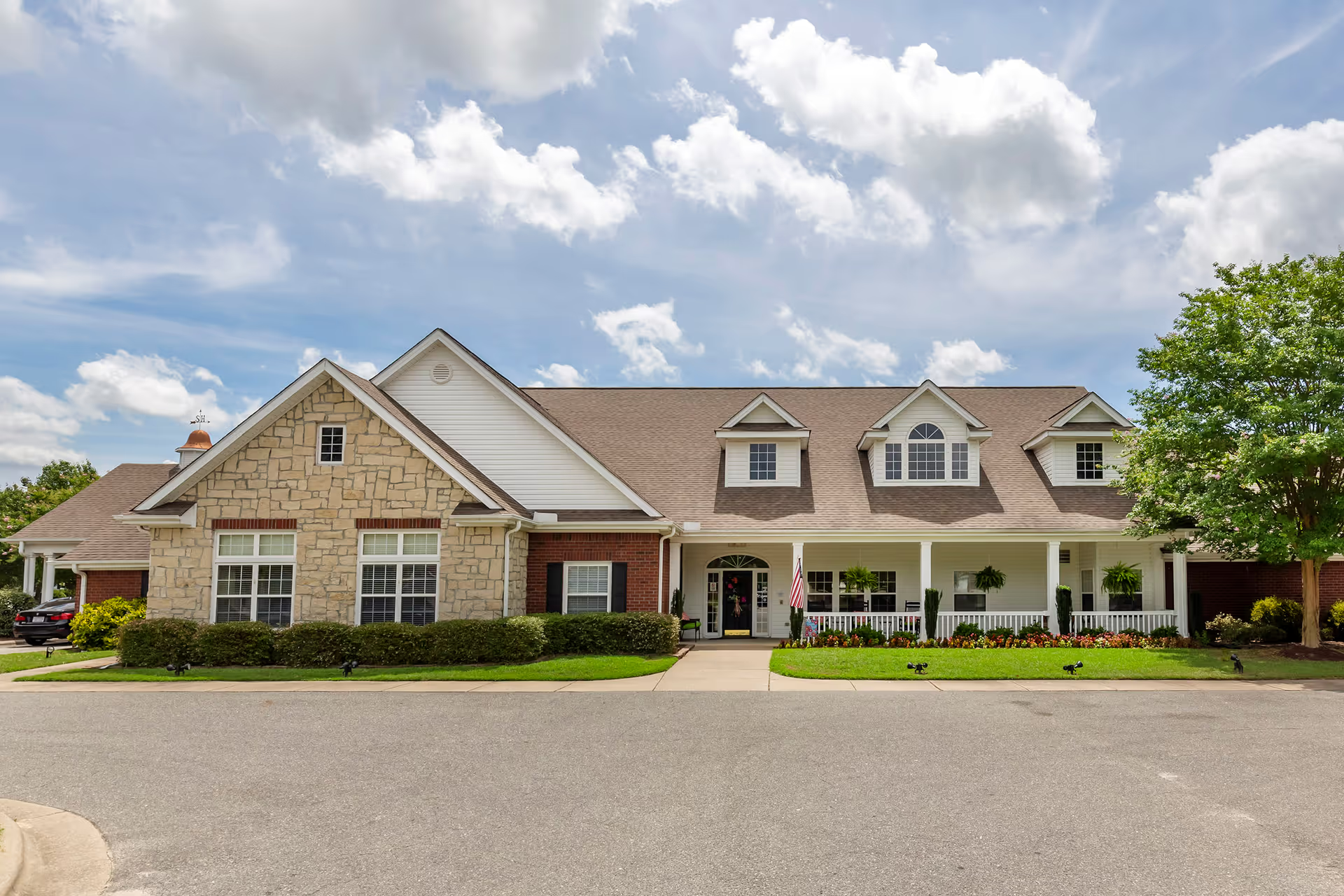
Brookdale Dickinson Avenue elicits strongly mixed impressions that cluster around two broad profiles: residents who are relatively independent and social report a largely positive experience, while families of higher-acuity or memory-care residents raise multiple operational concerns. Strengths commonly cited include a warm, small-community atmosphere; an engaged and personable caregiving team; visible nursing presence; and a clean, well-kept physical environment with appealing common areas, garden space, and good window views. The community offers a broad activities calendar, on-site amenities (salon/barber, library, game and puzzle rooms), transportation to appointments, and regular meal service with table service — features that support social engagement and an independent resident lifestyle.
Care and staffing present the clearest area of divergence. Many reviewers praise individual staff members for compassion and responsiveness and note 24/7 nursing oversight; however, there are recurring concerns about inconsistent staffing levels, especially on certain shifts and in the memory-care unit. These issues are linked to delays in response, inconsistent assistance with ADLs (bathing, grooming, mobility prompting), and limitations in dementia-focused supervision and programming. Prospective residents with dementia or higher clinical needs may find the staffing model and physical memory-care space to be constrained relative to their needs.
Dining and daily services are also a mixed area. The facility provides three meals per day and a range of menu choices, and some families praised meal variety and special outings. At the same time, others describe variable food quality, occasions when the menu was not followed, and concerns about additional charges or billing inconsistencies. Routine services such as twice-weekly laundry and apartment upkeep are frequently noted as positives; sanitation and odor concerns in some rooms or common areas were reported and should be clarified during a visit.
Activities and amenities are generally strong for residents who can participate: organized programming, social opportunities, outings, and volunteer engagement are frequently cited. Reviewers indicate that dementia-appropriate daytime engagement and sensory programming are more limited, and that shared or constrained spaces in the memory-care unit can reduce individualized activity options.
Management, communication, and financial practices are recurring themes. Several families described unclear communication from administration, surprise fee increases, a non-refundable activity fee structure, and billing disputes. There are also serious individual claims, including allegations related to financial mishandling and misreporting; these should prompt prospective families to request documentation and to ask about complaint-resolution processes and any regulatory actions. The admissions process and sales approach were characterized by some as high-pressure; others described helpful, proactive outreach staff and an accommodating admissions experience.
Overall pattern and practical guidance: Brookdale Dickinson Avenue may be a good fit for self-sufficient or mildly assisted residents seeking a small, social, and well-amenitized community. Families of prospective residents with moderate-to-high clinical needs or dementia should carefully evaluate staffing ratios (day and night), dementia-care staff training, ADL-assistance protocols, call-bell reliability, sanitation monitoring, medication-administration procedures, and billing/fee transparency. When touring, ask for current staffing ratios by shift, examples of dementia-specific programming, written protocols for ADL assistance and incontinence care, recent inspection history, and a clear list of fees and refundable/non-refundable charges. These targeted questions will help align expectations with the variability reflected in the reviews.