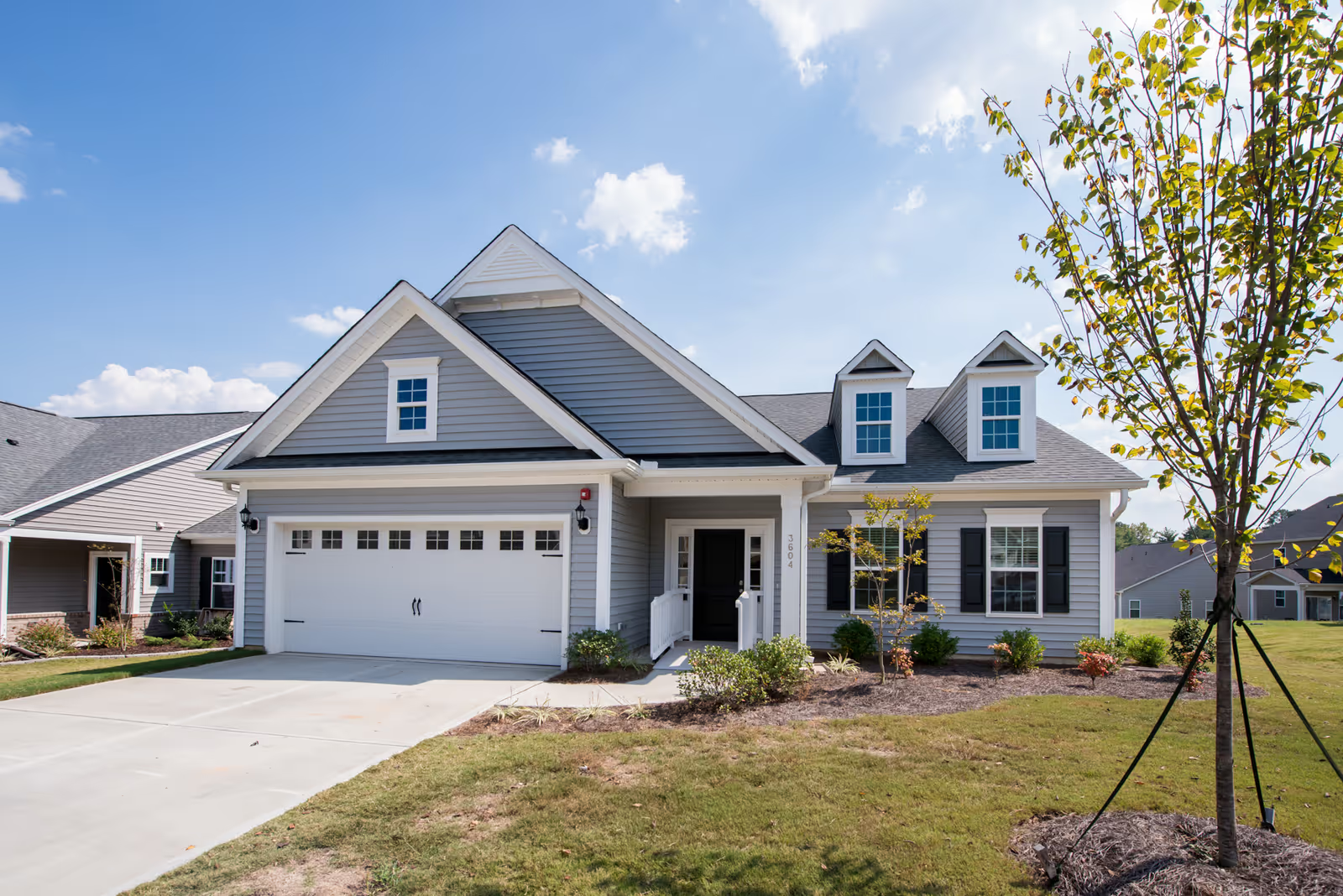
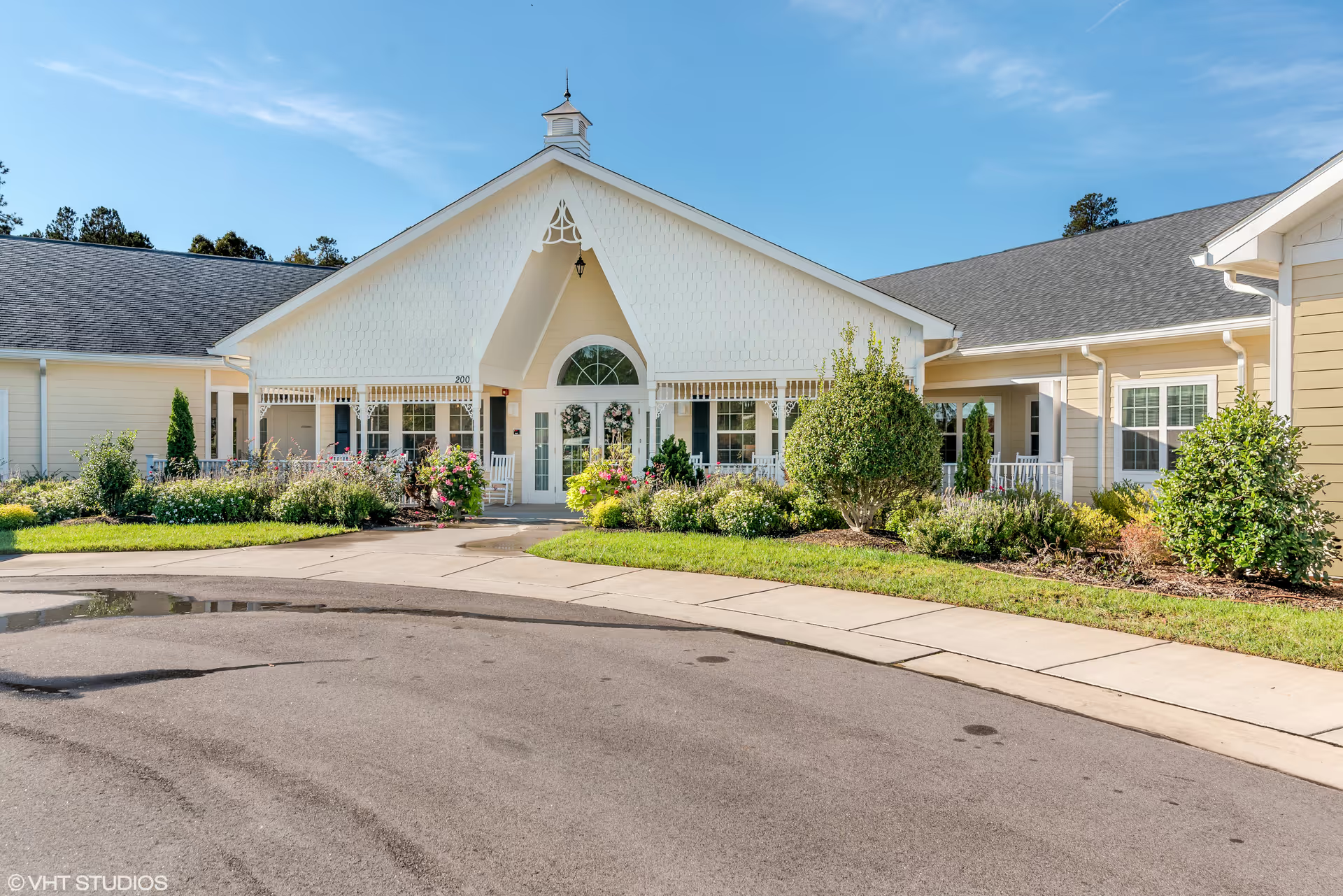
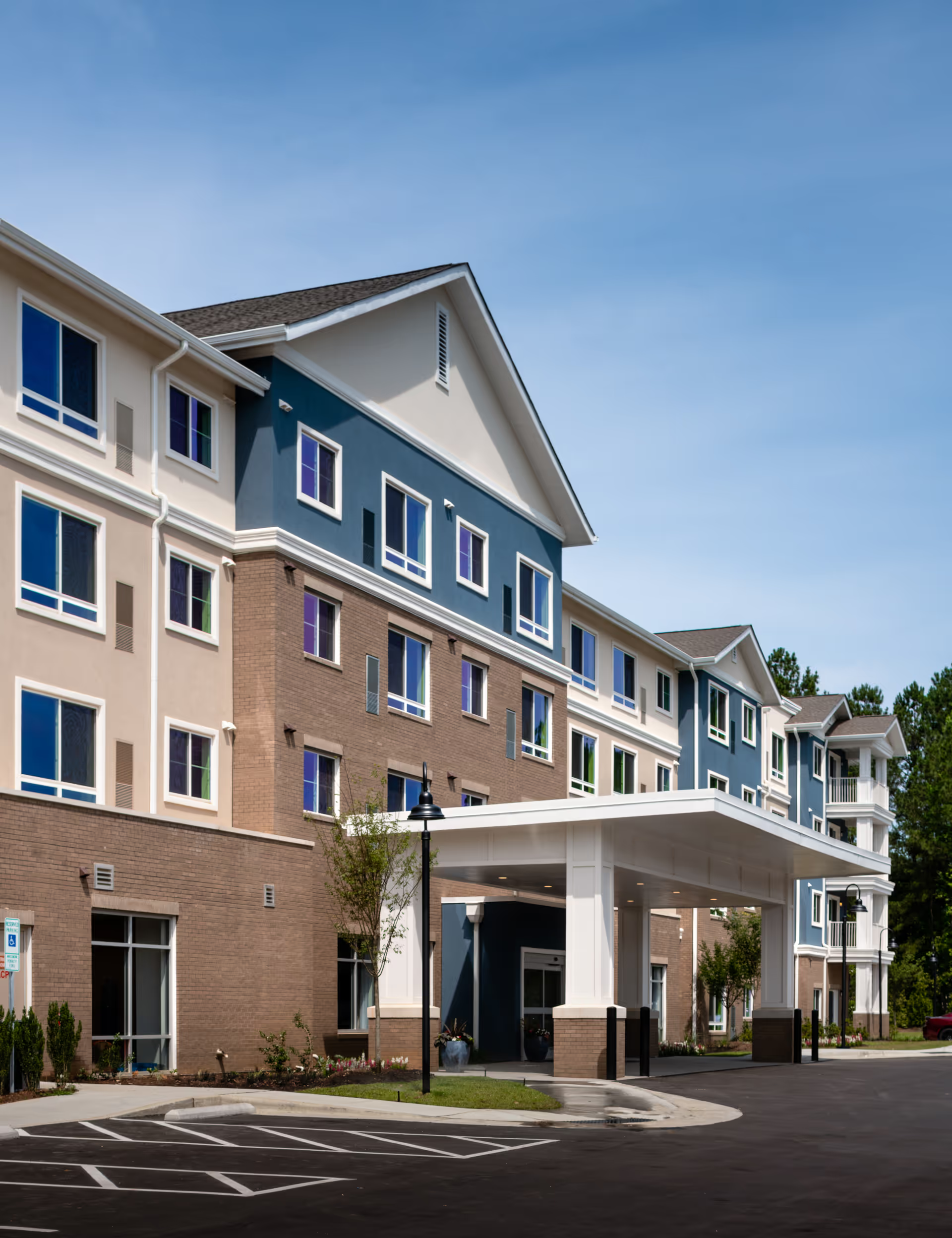
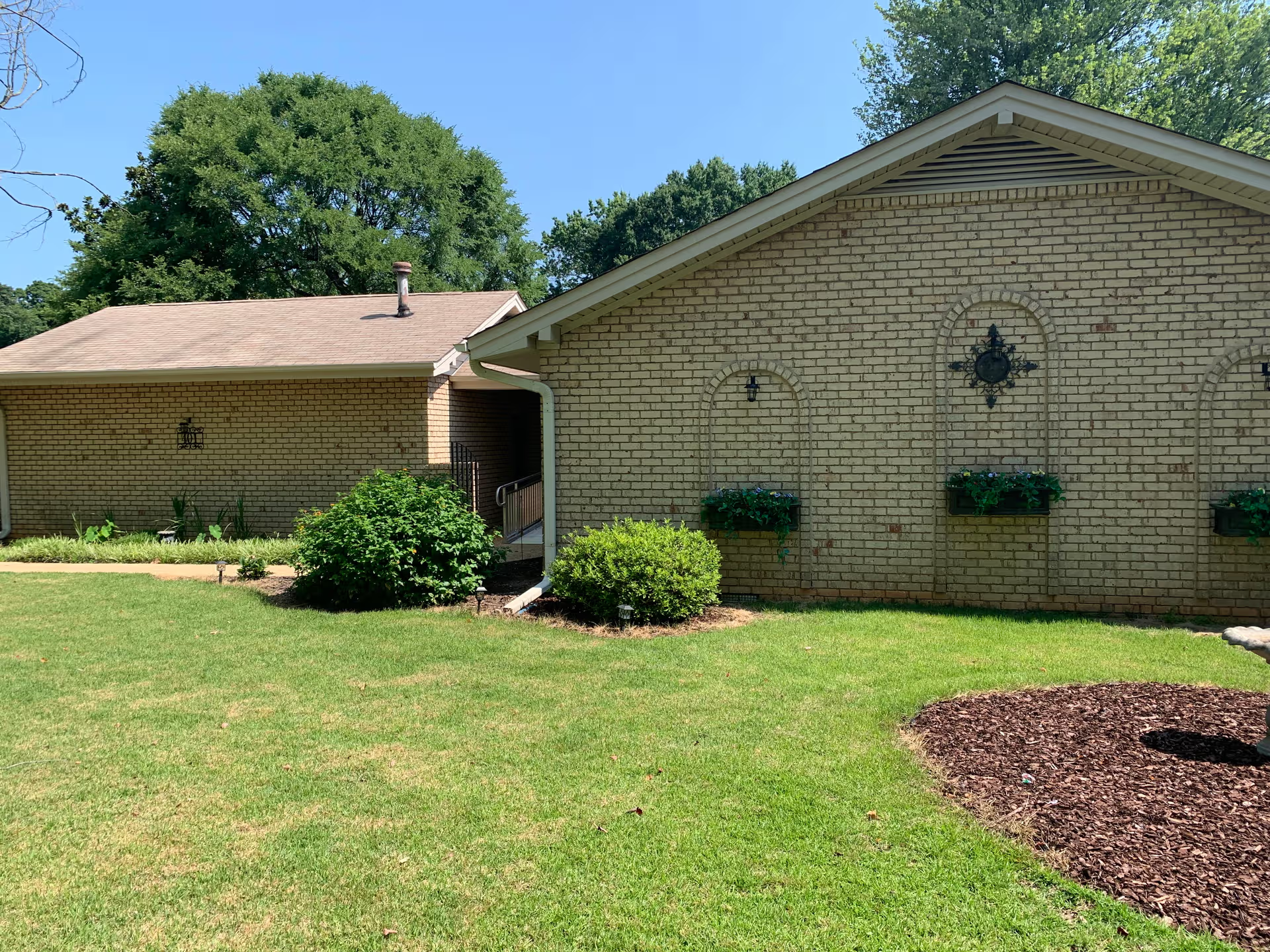
Wake Assisted Living Memory Care elicits strongly mixed impressions. Many families and visitors praise the frontline team — aides, nurses, and coordinators — for being attentive, warm, and willing to go above and beyond. The community is small and easy to navigate for residents with memory impairment, and reviewers frequently highlighted an engaged activities director, an on-site therapy team, collaborative hospice coordination, and a generally welcoming visitation policy. The facility accepts Medicaid/Special Assistance and is often positioned as a lower-cost memory-care option, with several comments noting that residents appear socially connected and relaxed.
At the same time, a number of substantive operational concerns recur across reviews. Staffing consistency is a major theme: reviewers describe high turnover, variable shift coverage, and conflicting impressions of clinical oversight (some note around-the-clock nursing support while others report limited or no on-site nursing or certified medication technicians). These inconsistencies are linked to related issues such as delayed responses to clinical incidents, falls, and perceived delays in hospital transfers. Families also describe gaps in documentation and family notification following incidents.
Hygiene and laundry practices are another area of divergence. While multiple reviewers describe the building and rooms as clean and well-maintained, others cite sanitation and odor concerns in specific areas, inconsistent laundry service, and allegations of clothing loss or mishandling. Pest-control concerns appear in some accounts. Maintenance and aesthetic issues are present as well: the building is described as older, with dated furniture and variable upkeep of floors and outdoor areas, although regular maintenance and housekeeping are also noted by other visitors.
Dining and activities receive mixed feedback. Several reviewers commend hydration, simple snacks, and activities that keep residents engaged despite limited resources; others describe inconsistent meal quality, small portions, and limited healthy-snack options. Activity programming appears to be robust in some shifts and sporadic in others, suggesting variability tied to staffing or scheduling.
Communication and management style present a polarized picture. Positive reports emphasize proactive, compassionate coordinators and managers who facilitate care transitions and hospital coordination. Negative accounts focus on unresponsiveness, rudeness from specific administrative staff, delayed callbacks, and an impression that complaints are not consistently addressed. A small number of reviews include serious allegations about property mishandling and raise concerns following a resident's death after admission; these items suggest families should review incident-reporting and safeguarding practices carefully during any evaluation.
Overall, Wake Assisted Living Memory Care may be a reasonable fit for families seeking an affordable, small, community-style memory-care setting with a warm frontline team and on-site therapy. At the same time, prospective residents and families should perform a recent, in-person assessment focused on current staffing levels (including overnight coverage and clinical supervision), incident-reporting and family-notification practices, laundry and hygiene protocols, pest control, food-service consistency, and how the facility documents and responds to clinical events. Asking for recent staffing rosters, incident logs, and references from current families can help reconcile the divergent experiences reflected in reviews.