Overall impression: Reviews for Brookdale Reidsville describe a facility with consistently strong interpersonal care and a broadly positive family experience. Many families highlight compassionate, resident-centered staff and skilled nursing and caregiving; reviewers frequently describe individualized care plans, attentive support during transitions, and administrators who stepped in to help when needed. The staff–family communication and dementia education were singled out as valuable by numerous families, and specific team members received praise for going above and beyond.
Care quality and staff: Clinical and day‑to‑day care are characterized as attentive and professional by many families. Nursing and caregiving skills are commonly described as high quality, and staff responsiveness is a recurrent strength. At the same time, several comments raise operational concerns that can affect care consistency: workload pressures, staff compensation and turnover, and occasional lapses in professional communication. Prospective families may wish to ask about current staffing ratios, turnover rates, and procedures for addressing staff conduct and late‑hour responsiveness.
Dining and nutrition: Dining earns mixed but mostly positive notes. Numerous reviewers praised nutritious, varied meals with appropriate portions; some described the food as among the best they had experienced in similar settings. However, other comments point to variability in meal freshness—particularly availability of fresh vegetables—and uneven experiences between meal services. Asking about menu rotation, sourcing of fresh produce, and accommodations for dietary needs could help set expectations.
Activities and memory care: Activities programming is a clear strength for many residents — regular offerings such as bingo, exercise, outings, music programs, and occasional volunteer involvement were cited. Families appreciated opportunities for socialization and field trips. That said, a pattern emerges where memory‑care residents may sometimes receive less structured, dementia‑specific engagement (with television cited as a fallback activity). Families seeking intensive, specialized cognitive engagement should inquire about the frequency and structure of dementia‑focused programming and staff training in memory care.
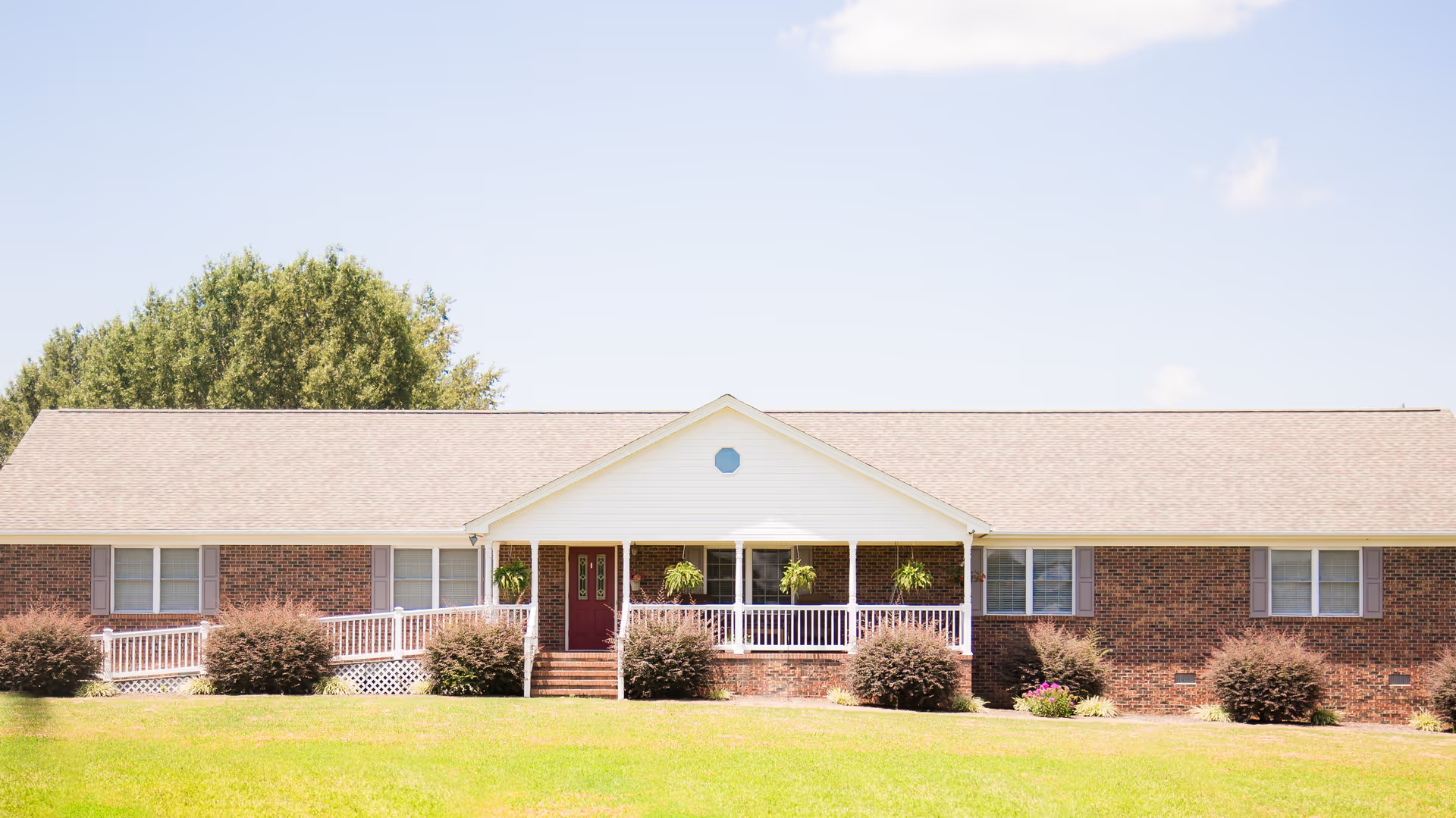
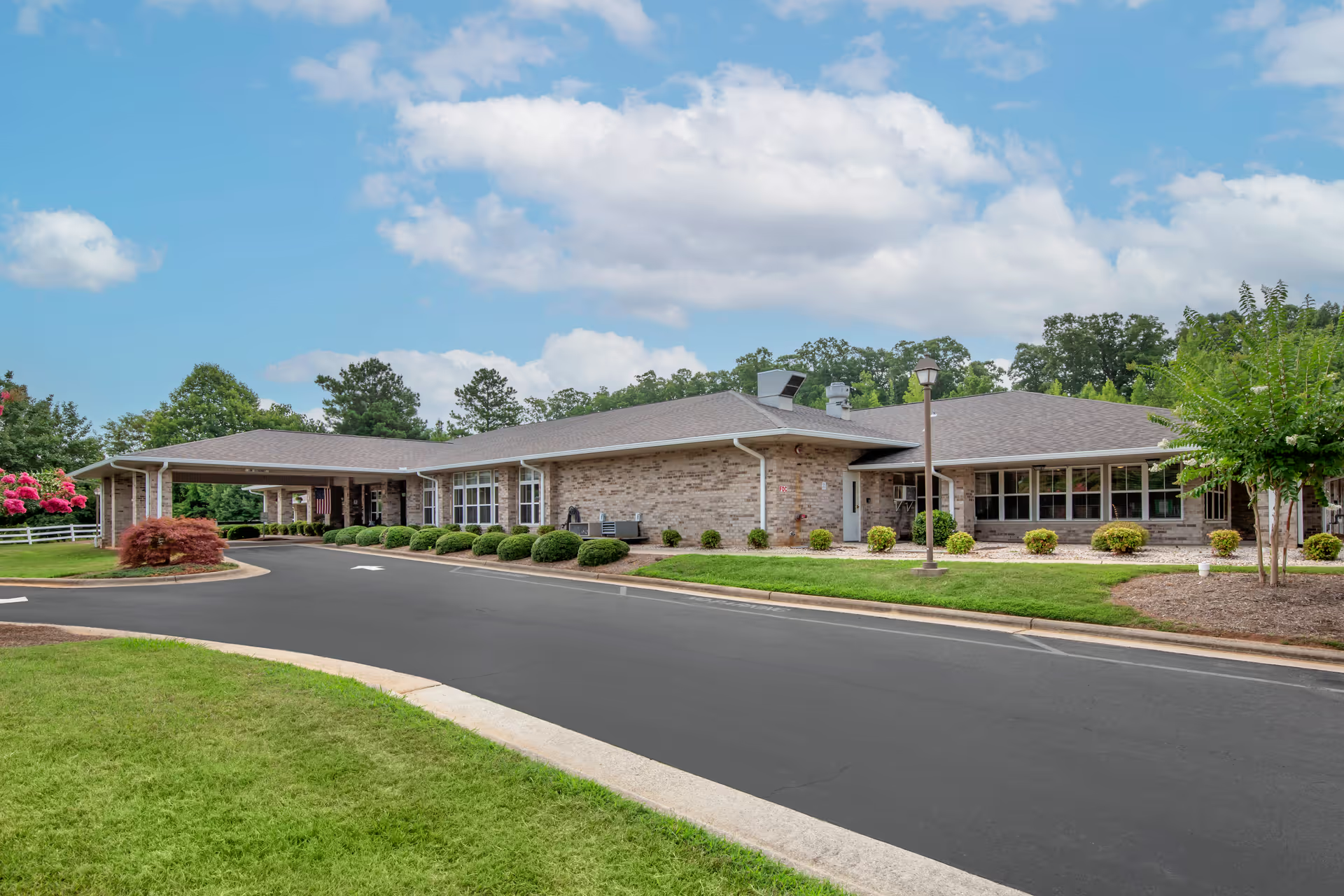
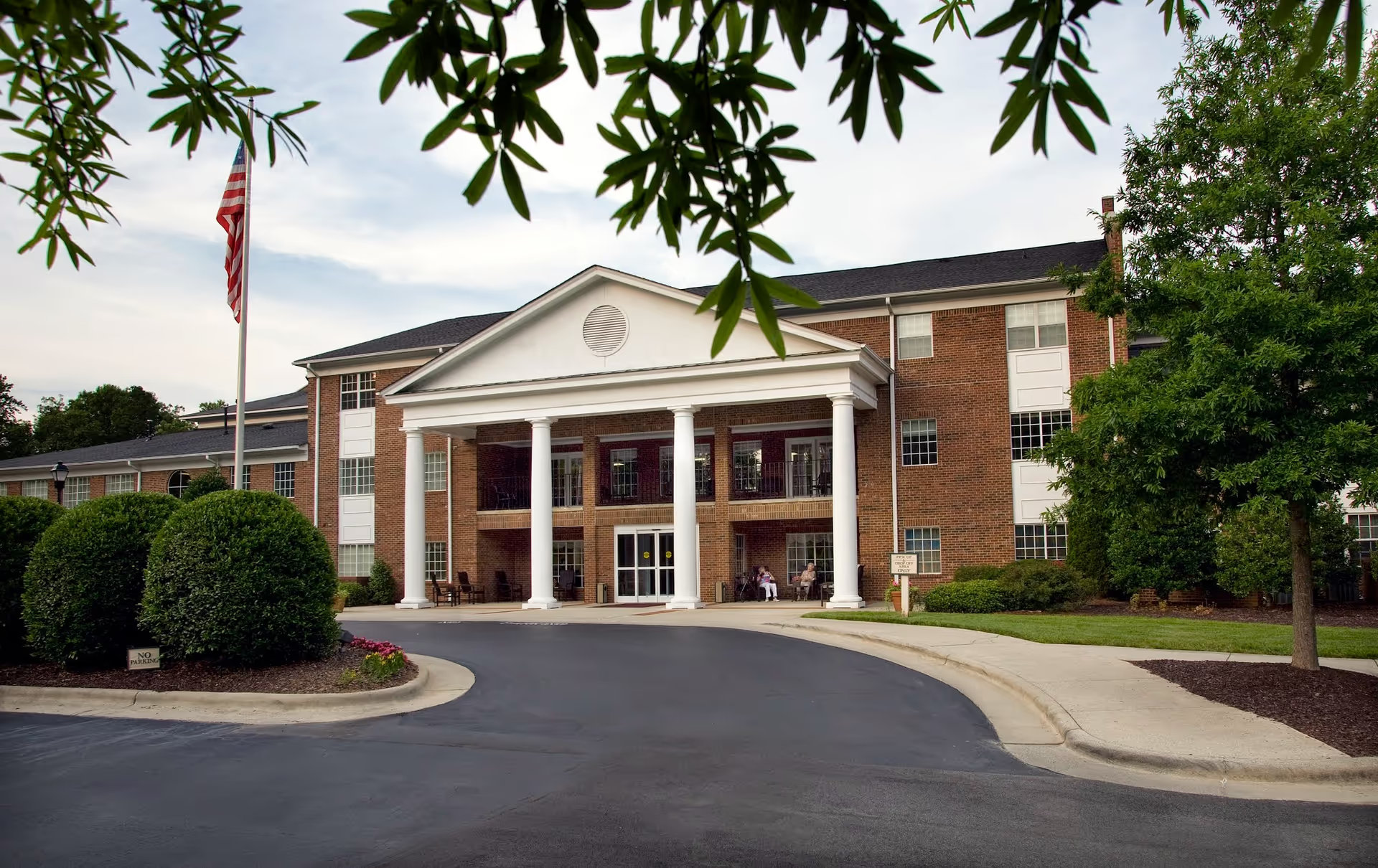
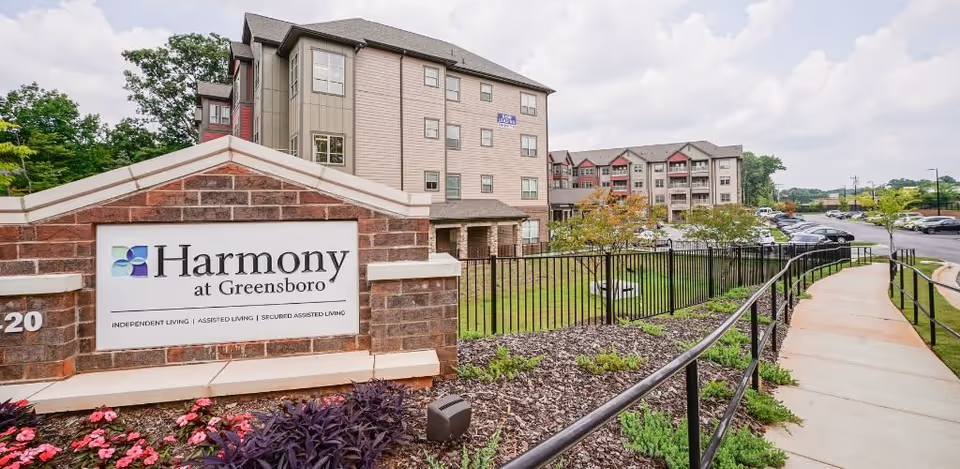
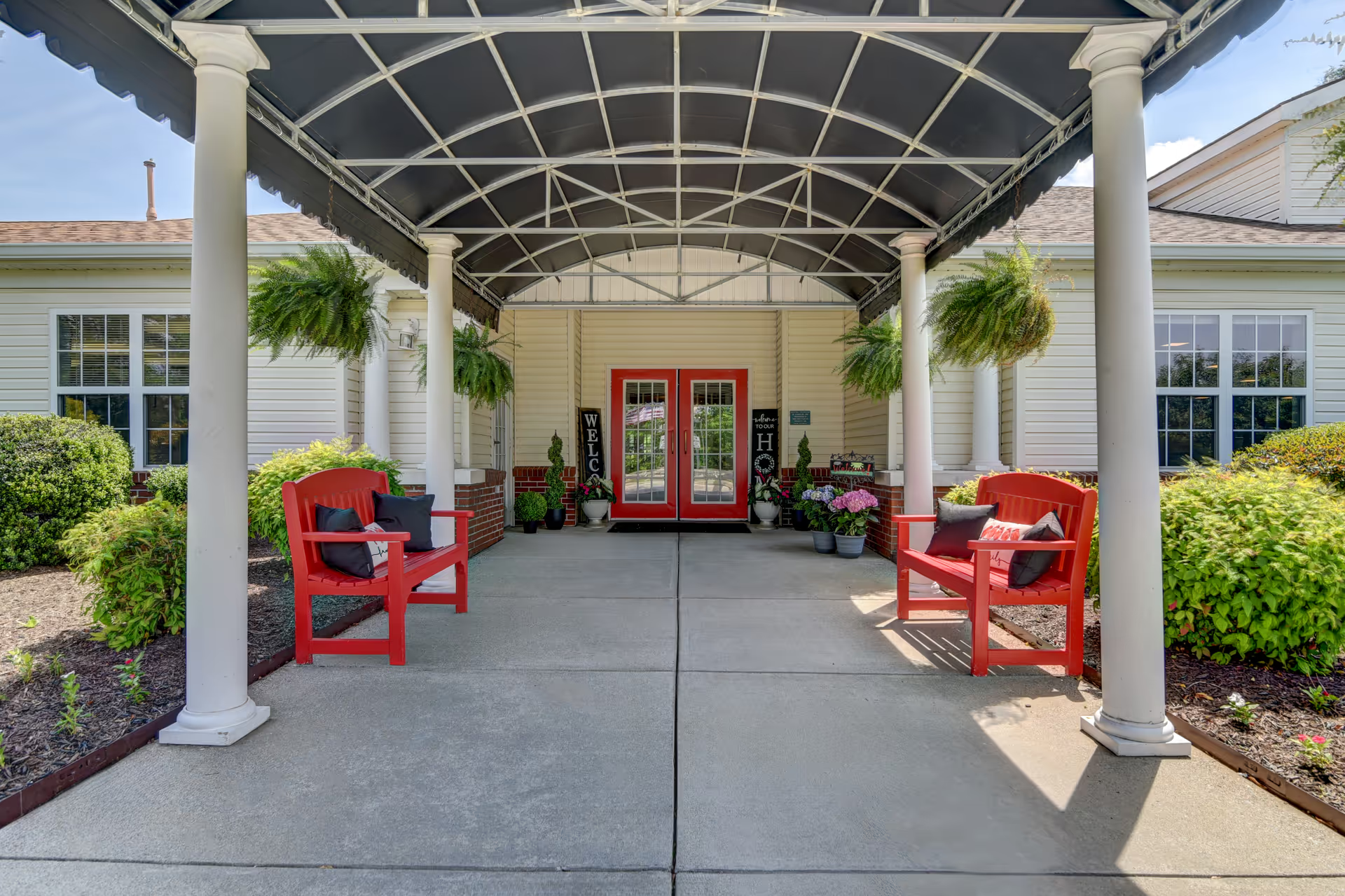
Facilities and cleanliness: The physical environment is often described as well maintained, roomy, and home‑like, with clean common areas and comfortable rooms. A few reviewers raised sanitation concerns tied to personal-grooming assistance rather than the building itself; these suggest variability in personal-care routines and incontinence‑related servicing. Prospective families should confirm grooming schedules, bathing protocols, and housekeeping standards for private rooms and common spaces.
Management and operational patterns: Several reviewers praised supportive administrators and smooth operations during move‑in. Conversely, there are recurring themes of administrative inconsistency, aggressive admissions follow‑up, and concerns about staff workload and compensation. Waitlists and limited capacity were also noted, as well as perceptions of higher cost relative to expectations. These are operational traits worth discussing with admissions and leadership — for example, contract clarity, fee structures, and grievance or escalation procedures.
Bottom line: Brookdale Reidsville appears to deliver strong, compassionate day‑to‑day care with solid clinical skills, engaging activities, and generally well‑kept facilities. Key areas for prospective residents and families to investigate further are consistency in personal grooming and bathing assistance, the availability of fresh produce and consistent meal quality, the depth of dementia‑specific activities, current staffing levels and turnover, the tone of admissions outreach, and total cost expectations. Asking targeted questions about these operational aspects during a tour or intake conversation will help families align their expectations with the community’s current practices.