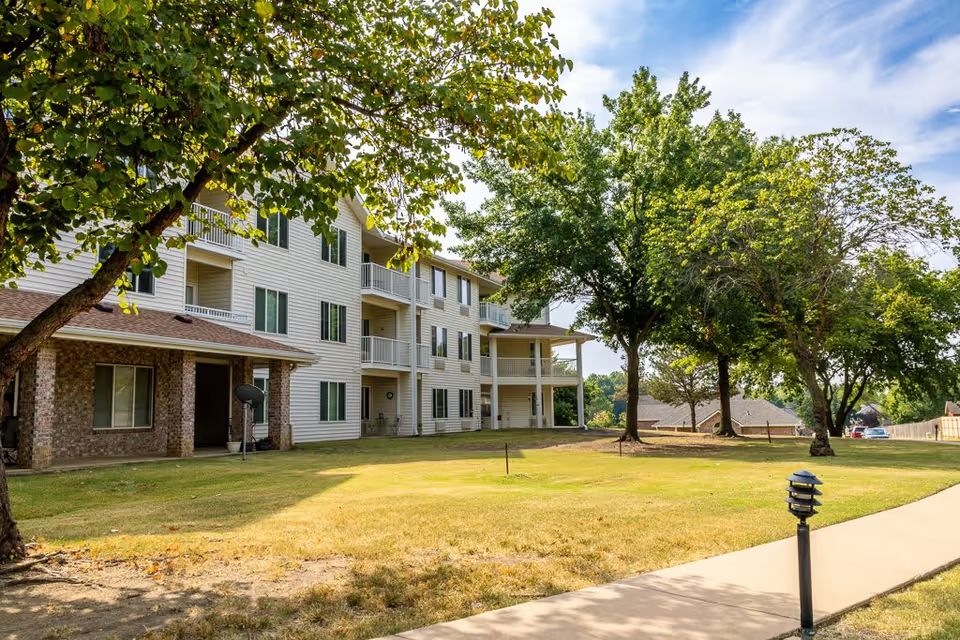
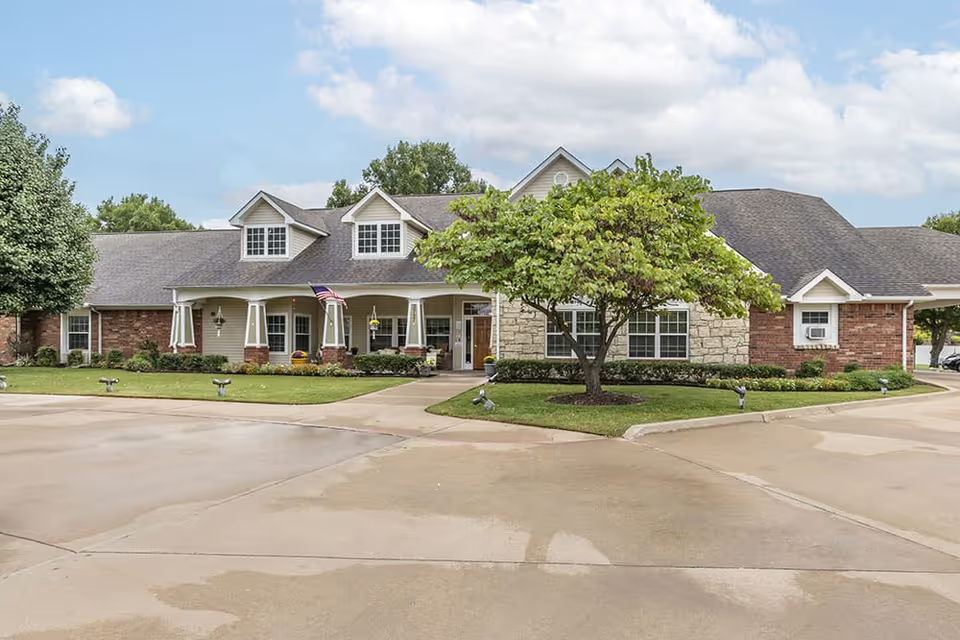
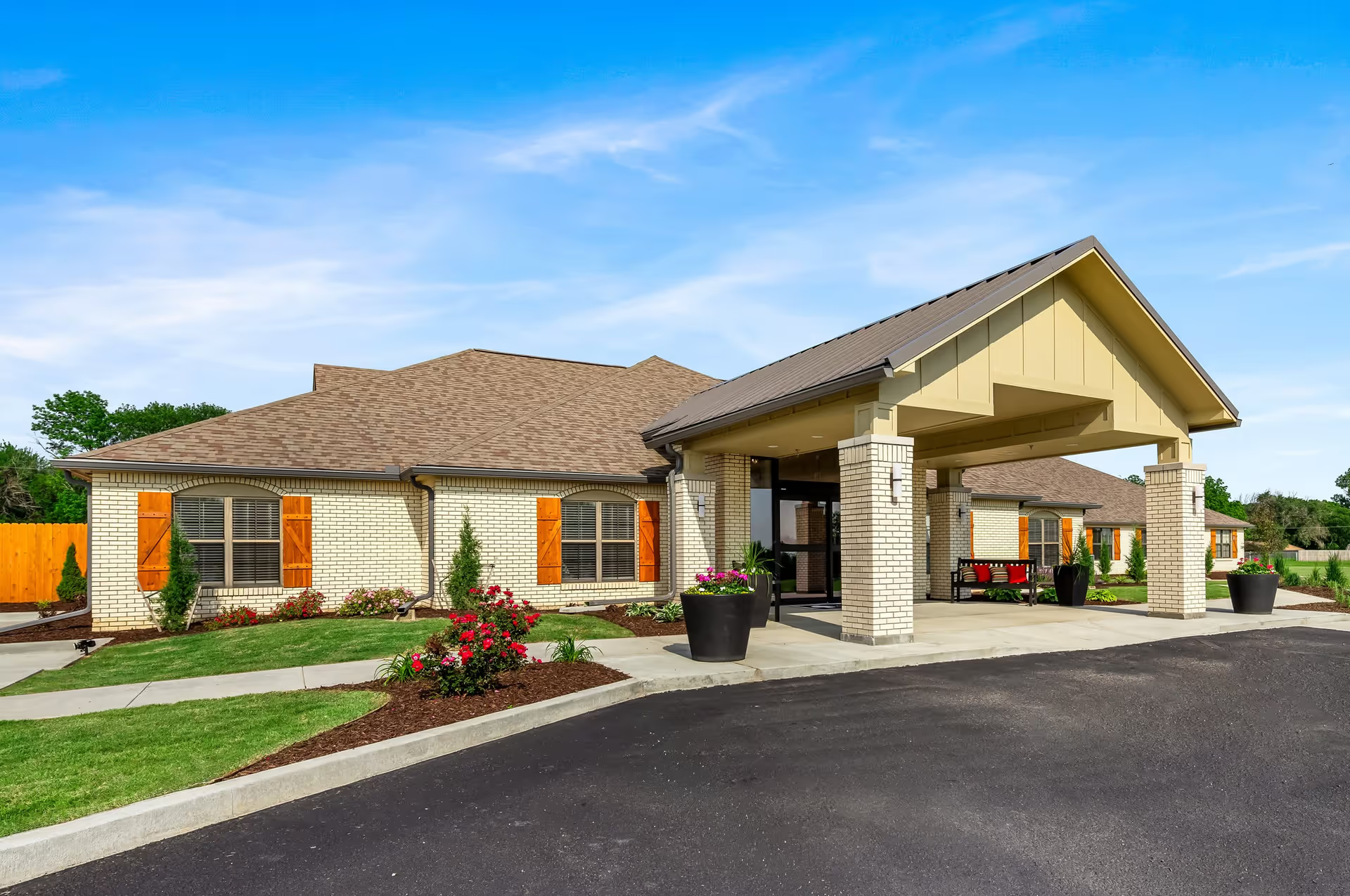
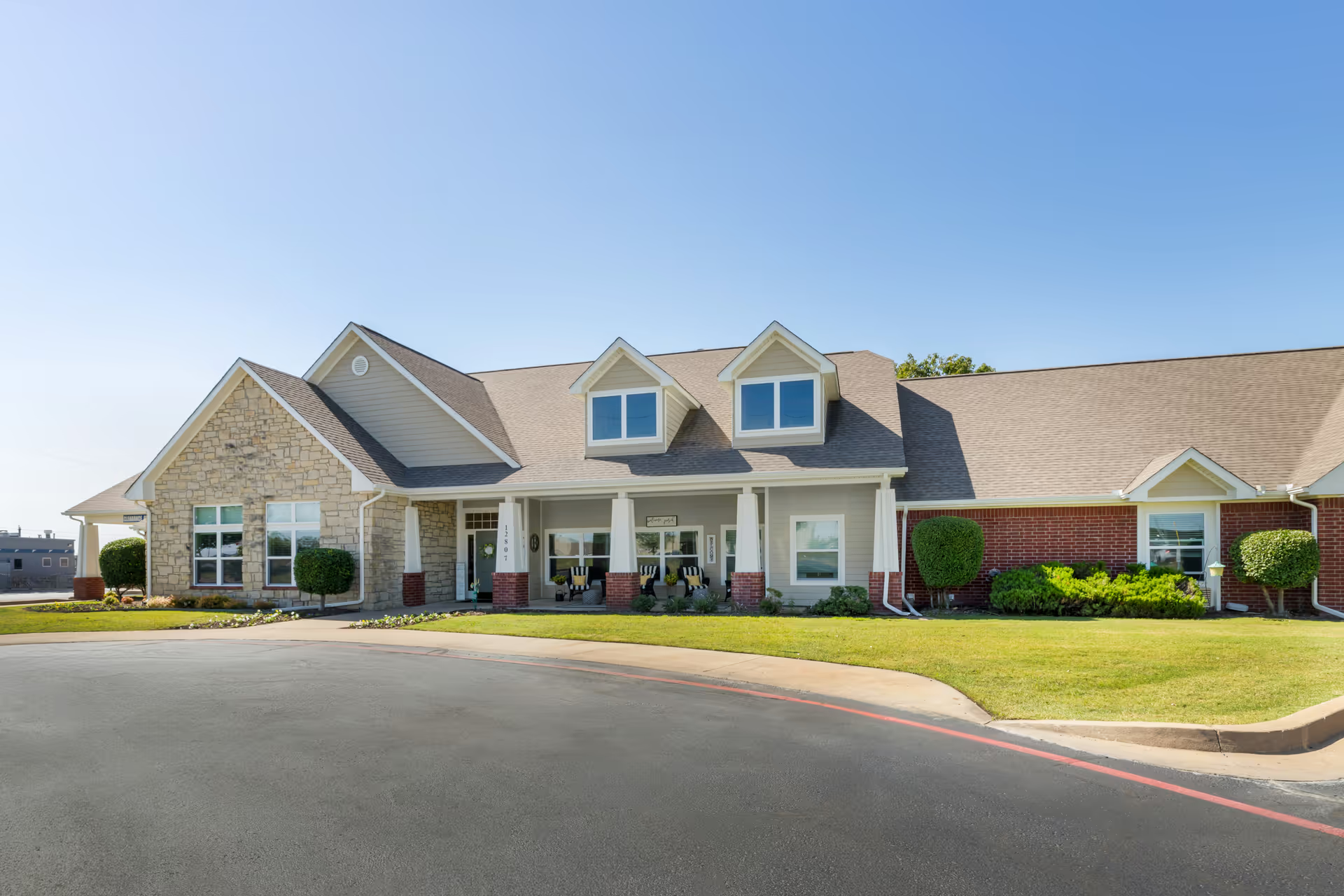
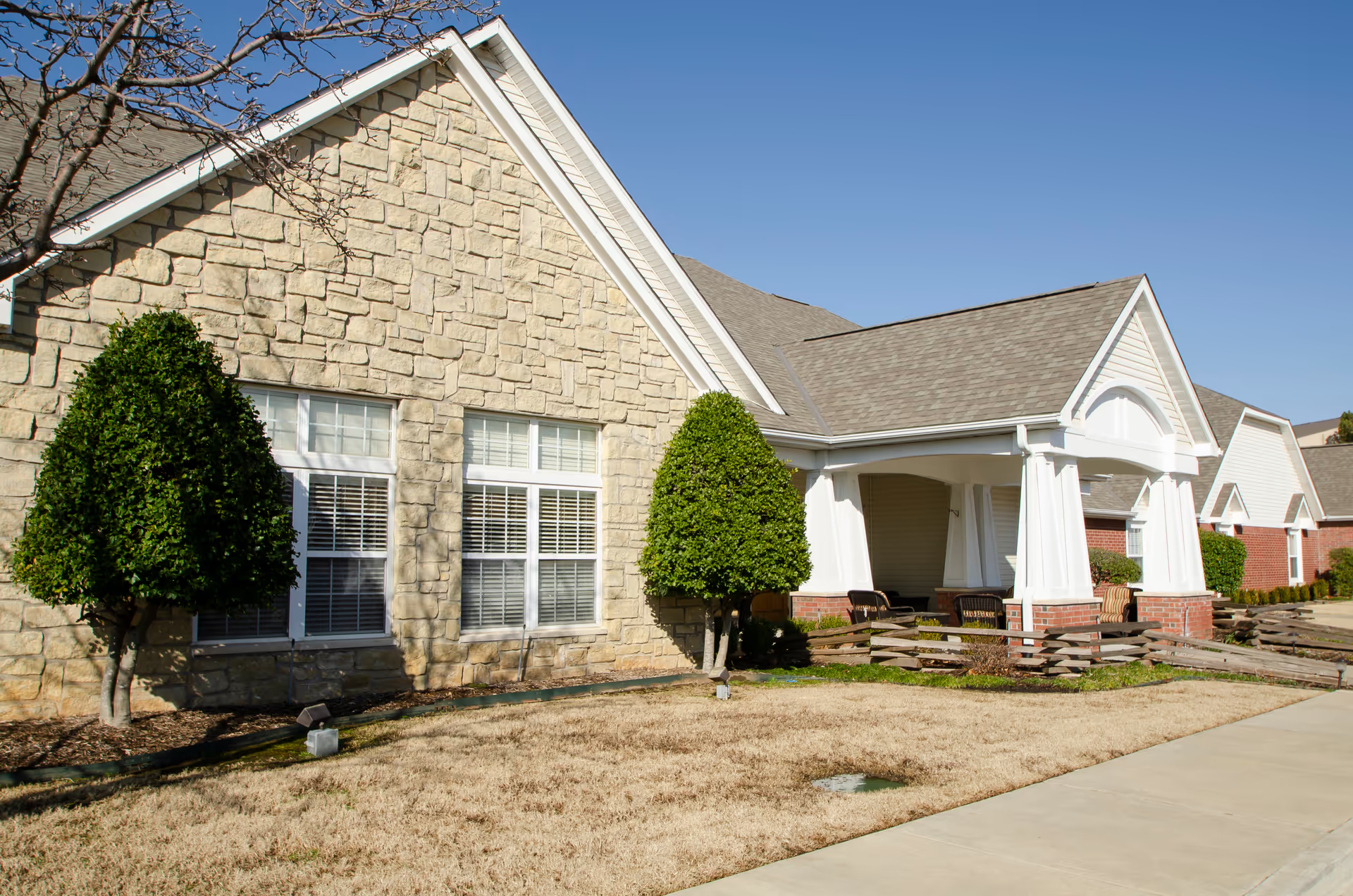
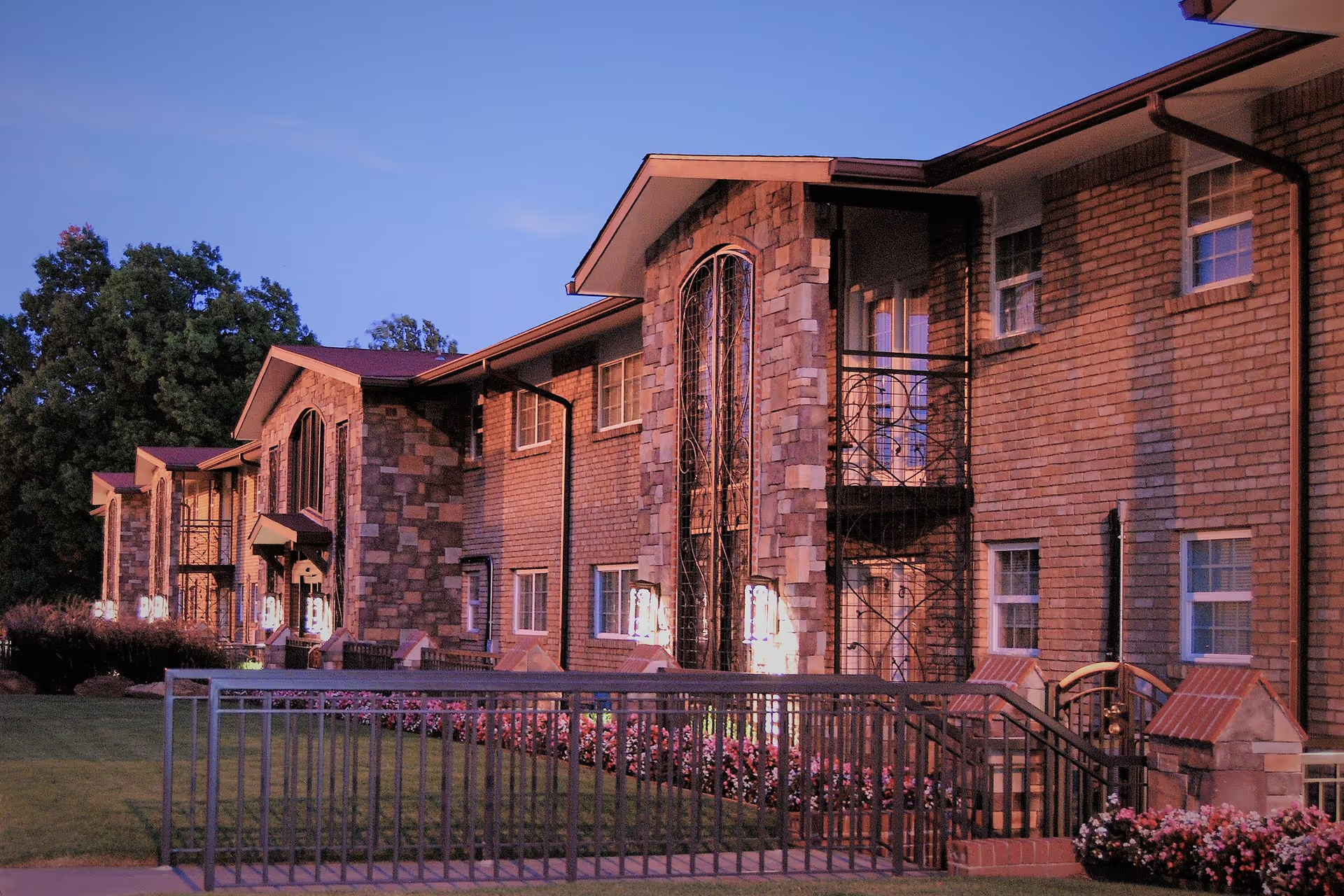
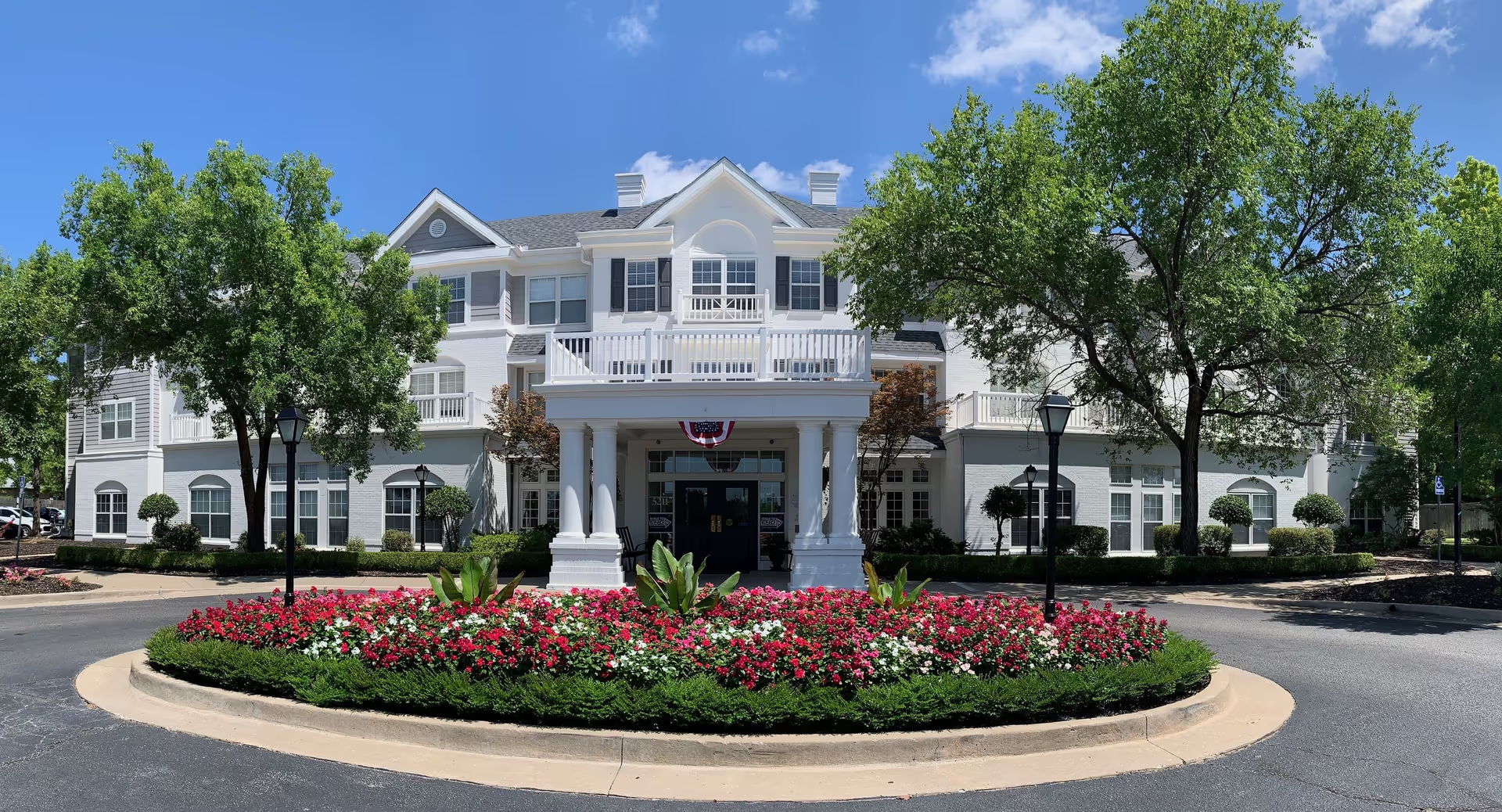
Green Country Village is frequently described as a warm, community-oriented retirement setting with a strong emphasis on personalized, compassionate caregiving. Numerous accounts highlight staff who learn residents' names and preferences, a family-like atmosphere, and hands-on team members who are responsive to social and day-to-day needs. Maintenance responsiveness, attractive grounds and common spaces, and a broad set of amenities — fitness areas, salon, chapel, clubroom, pond and outdoor spaces — are consistently cited as strengths that support resident comfort and social engagement.
Dining and activities are major positive themes. Many families and residents praise the dining program, noting attentive servers, cloth-table presentation for special meals, and varied menus; the activity schedule includes group classes, entertainers, memory-care engagement, seasonal events, and regular outings supported by onsite transportation. Reviewers describe an active social life with opportunities for games, exercise, cultural programming and family participation. The facility also markets a continuum of care, from independent living through assisted and memory care, which some families found helpful during transitions.
At the same time, a pattern of operational concerns appears in the reviews. Clinical and nursing consistency is uneven: while many describe compassionate caregiving staff, there are also statements indicating variable nursing professionalism and limits on the facility’s capacity to provide on-site skilled medical services. This is paired with reports that higher-acuity needs often require family or private caregivers, and a restrictive post-fall policy that requires continuous family or outside caregiver presence during short-term mobility limitations. Families evaluating placement should confirm current clinical staffing levels and post-fall procedures to ensure they match the resident’s care needs.
Sanitation and food-service reliability emerge as other areas for scrutiny. Several comments indicate gaps in housekeeping thoroughness and localized pest-control concerns, alongside isolated accounts of dated or inconsistently prepared menu items. Prospective residents and families should ask about recent housekeeping audits, pest-control contracts, and the dining program’s consistency, particularly if culinary quality is a priority.
Management and administrative responsiveness show mixed impressions. Many reviewers praise hands-on leadership and good communications, but others cite difficulties reaching directors, delayed responses, and pressure around final billing or administrative matters. In one review a criminal-charge allegation involving a staff member was mentioned; families should confirm current staff-background checking procedures and leadership follow-up on serious personnel matters. Finally, the facility’s physical plant includes attractive, well-kept spaces but also older building constraints—bathroom layouts and other structural limitations—that can affect accessibility for higher-dependency residents.
Overall, Green Country Village presents as a community with clear strengths in staffing culture, social programming, amenities and maintenance of common areas. The principal areas to verify during a tour or pre-move assessment are current nursing and clinical capacity for higher-acuity needs, housekeeping and pest-control practices, consistency of the dining program, and administrative policies around billing and temporary post-fall care. For families whose primary priorities are social engagement, personalized attention, and a well-appointed environment, the facility appears to meet expectations; those requiring reliable, on-site skilled nursing should confirm service levels and policies in writing before committing.