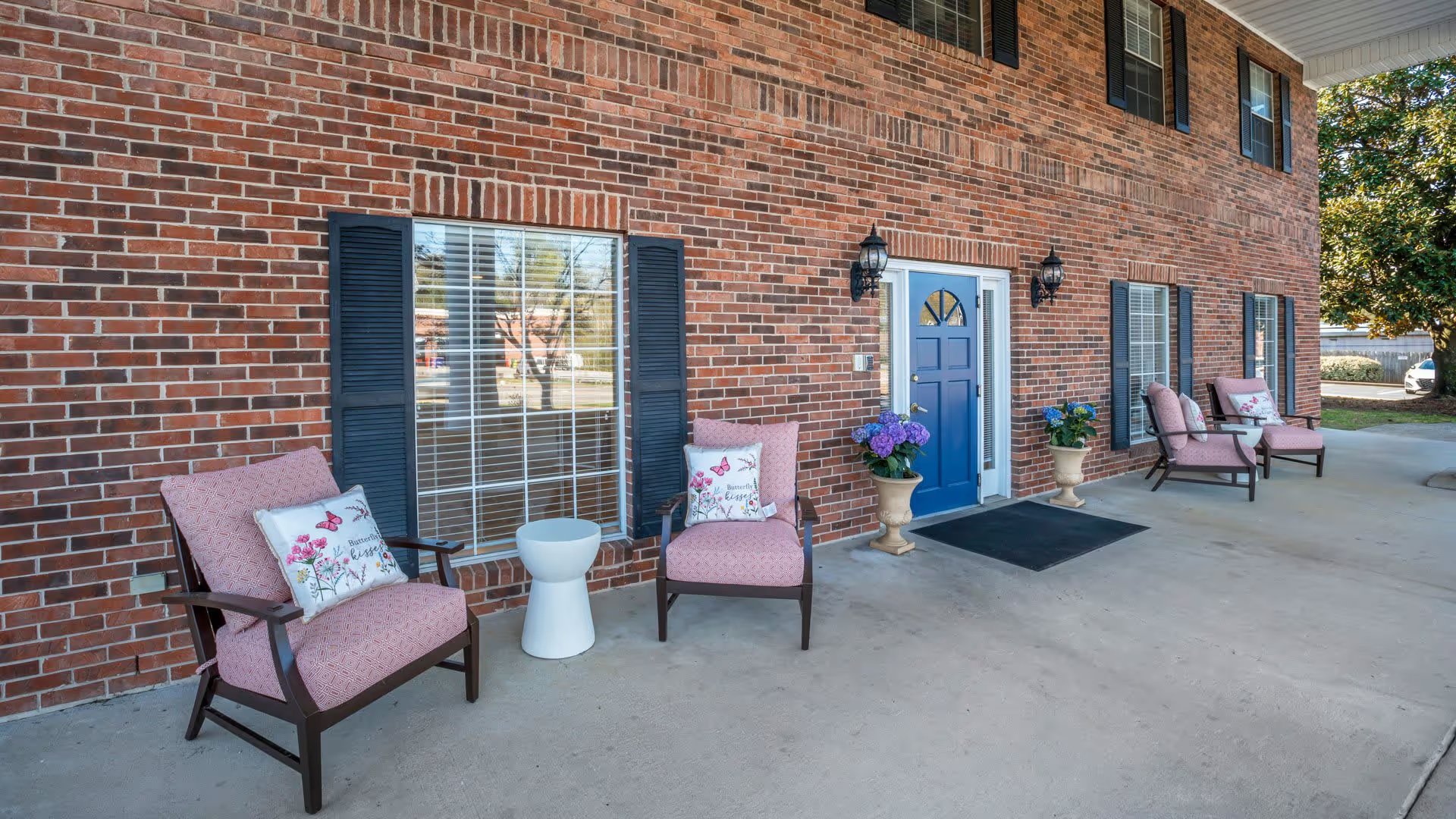
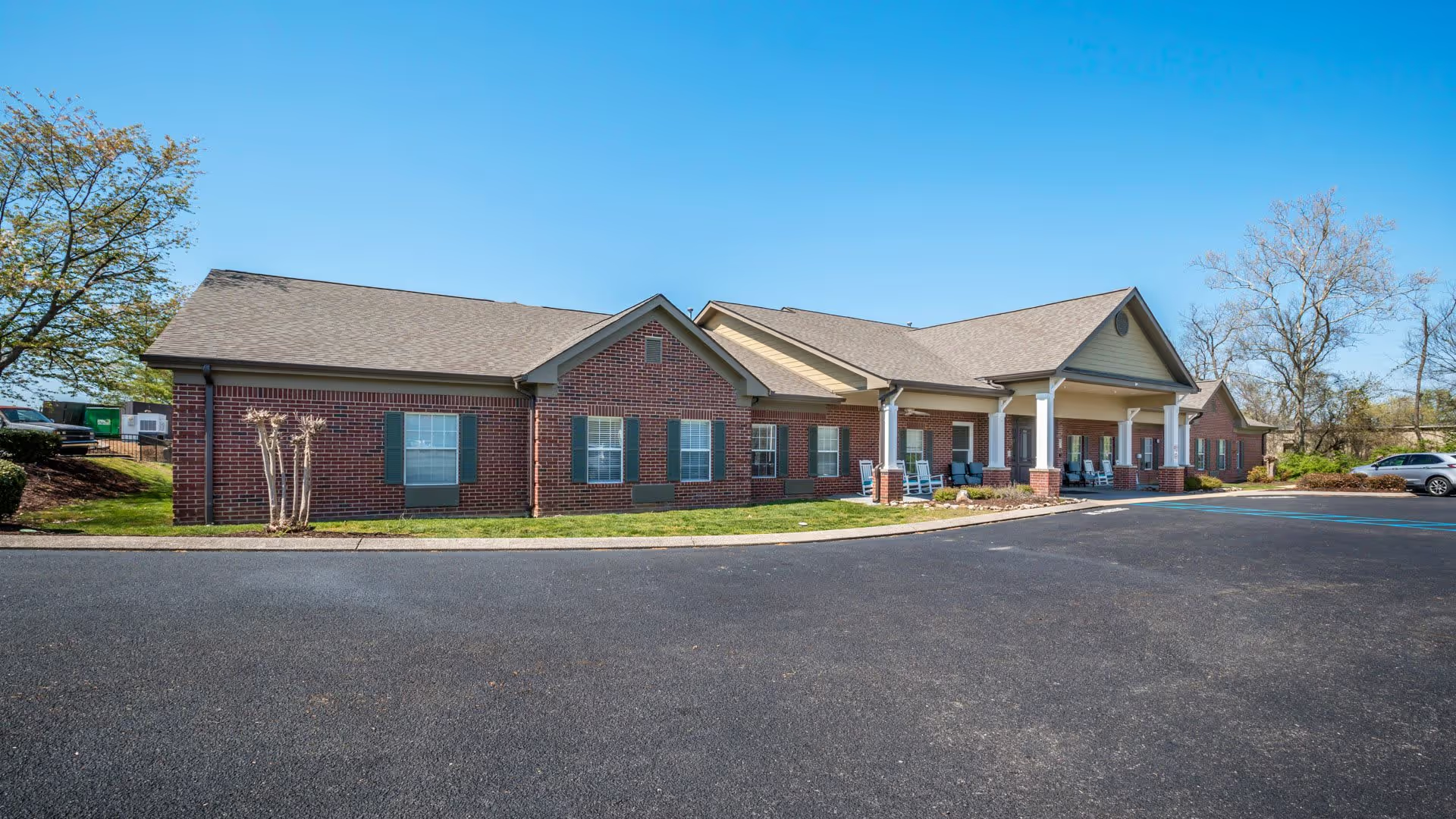
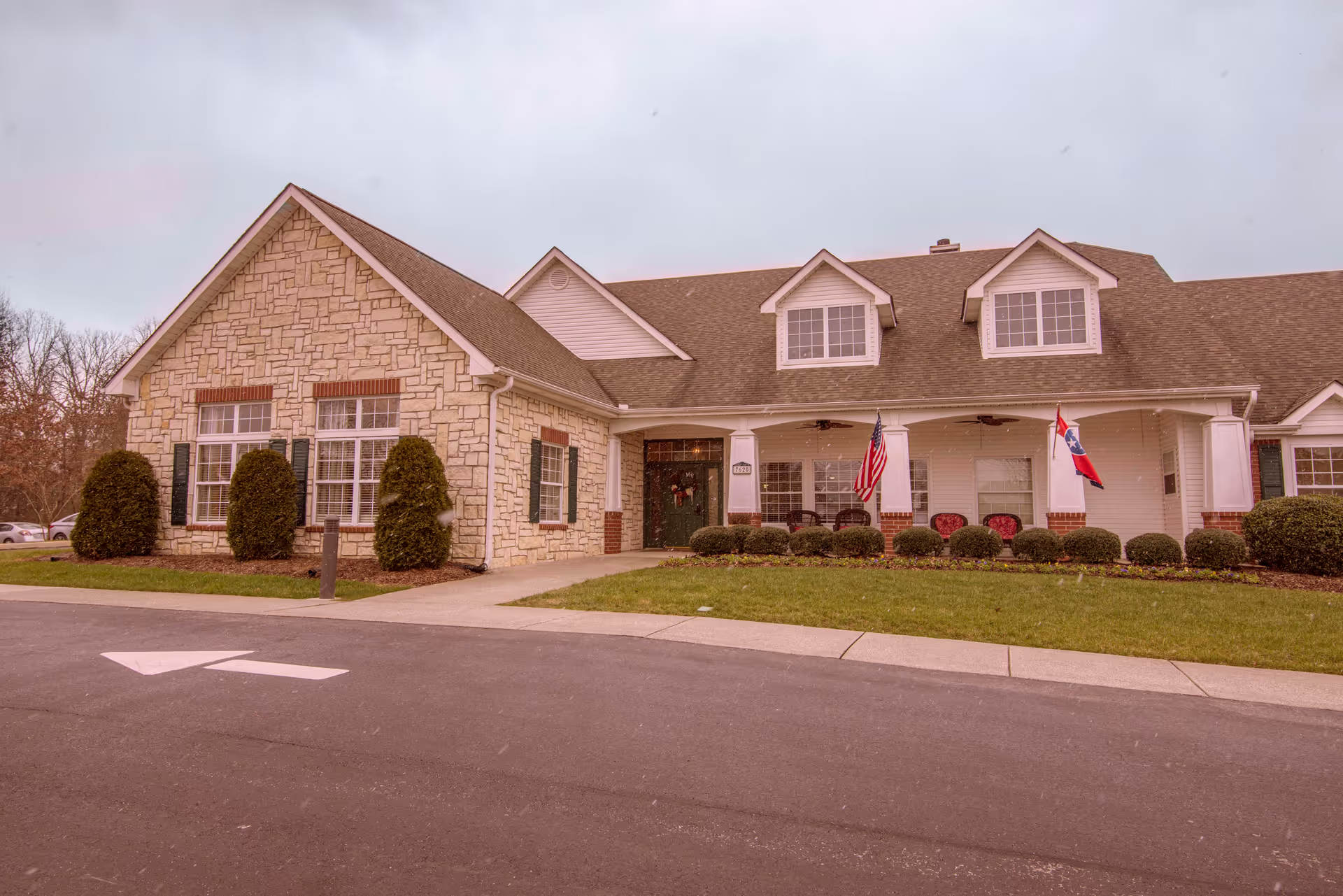
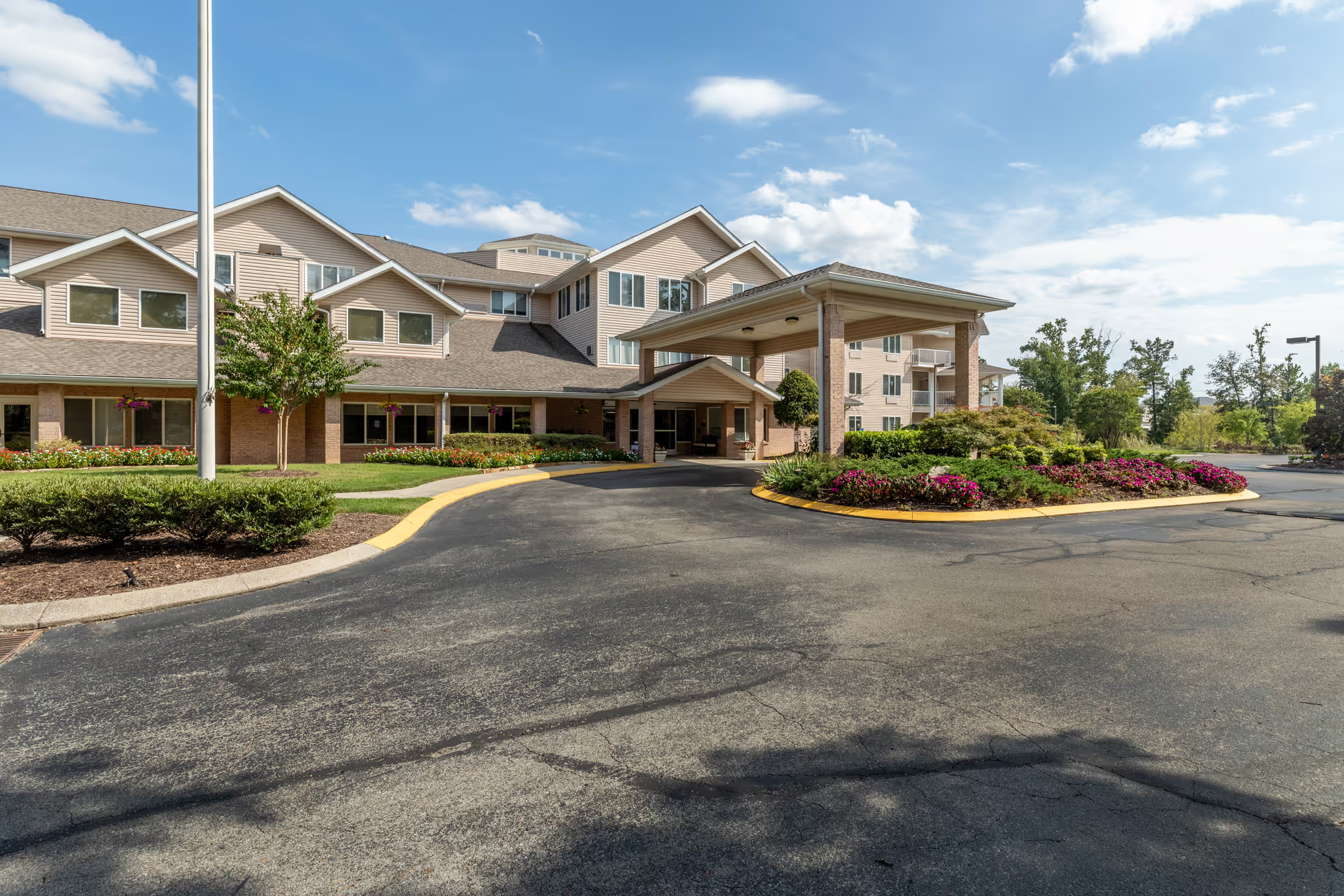
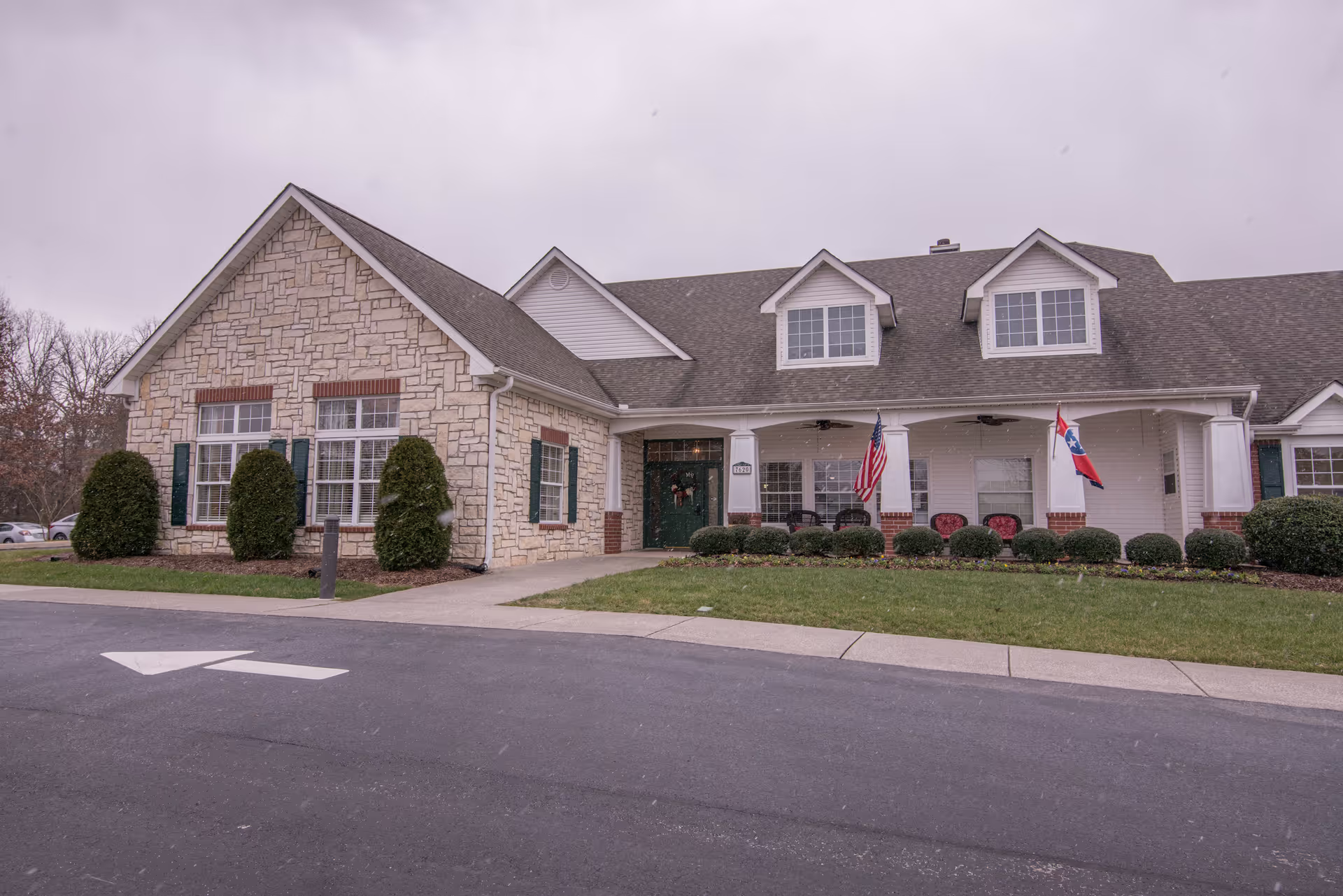
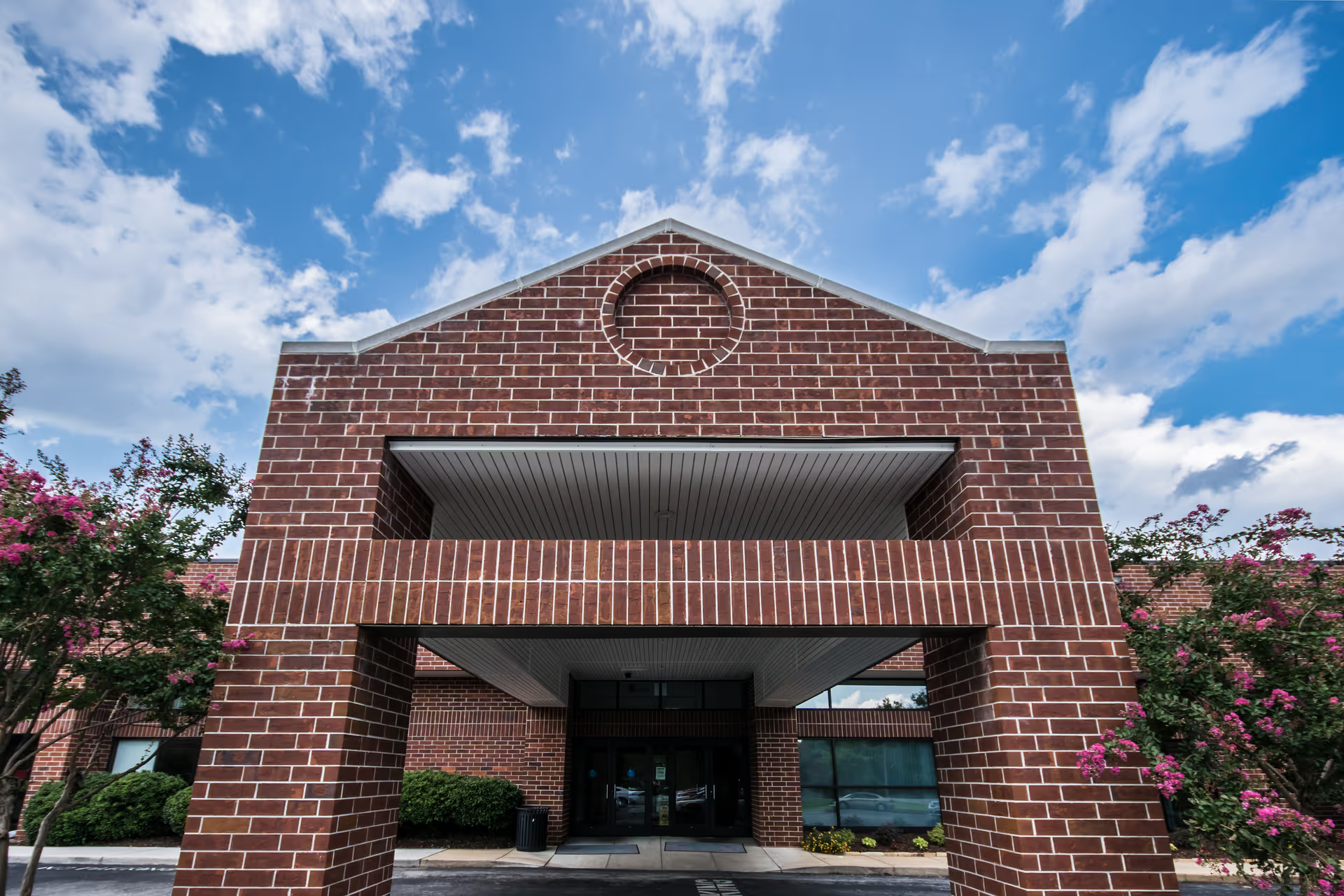
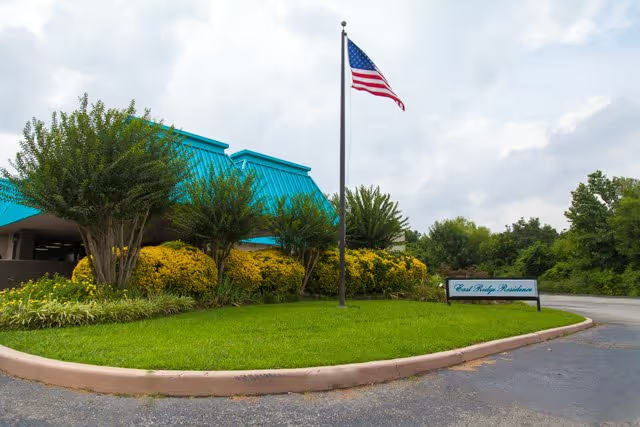
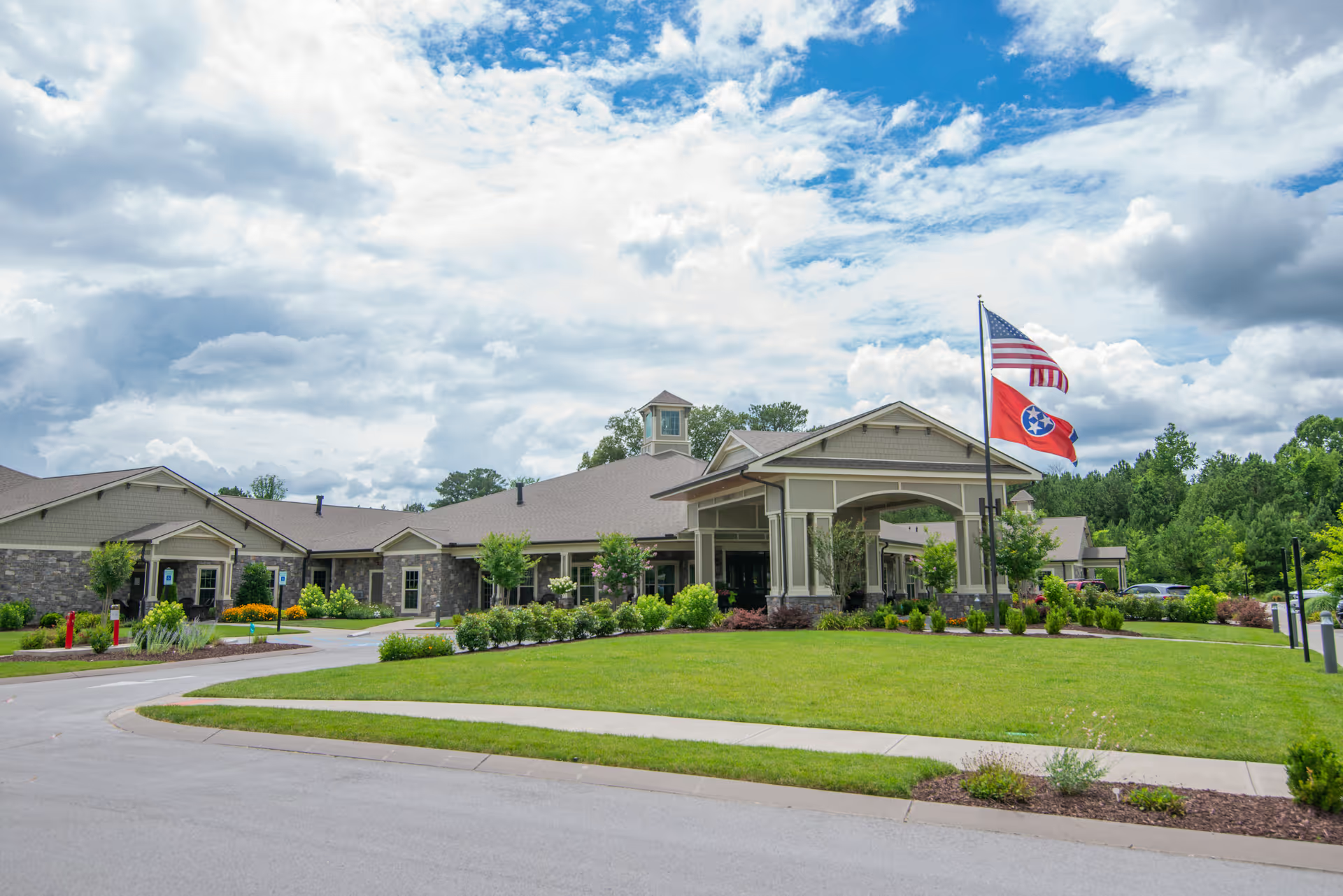
Reviewers present a mixed but consistent pattern: the physical plant and hospitality elements at Rockbridge Oaks are repeatedly praised, while day-to-day clinical and operational reliability show notable variability. The community is described as new, attractively decorated, and well equipped with amenities such as a theater, multiple activity spaces, an on-site salon, pet-friendly policies, apartment-style suites with kitchenettes, and pleasant common areas. Several staff members — including a concierge role and named CNAs — receive strong positive feedback for warmth, knowledge, and resident engagement.
Care quality shows a bifurcated picture. Positive accounts highlight attentive individual caregivers and instances of strong dementia-trained staff, but many reviews identify persistent problems in care delivery. These include inconsistent assistance with bathing, oral care, meals, and nighttime checks; gaps in assistance with activities of daily living; and concerns about dementia-specific protocols and staff competence in the memory-care neighborhood. Medication-management weaknesses are a repeated operational concern, encompassing missed doses and documentation gaps. Taken together, these patterns suggest variability in clinical reliability rather than consistent, facility-wide practice.
Staffing and team dynamics are central to the divergent impressions. Numerous comments point to high staff turnover and frequent leadership changes; this turnover is linked by families to on-the-job training, weekend/night coverage shortfalls, and uneven staff experience levels. Conversely, several reviewers single out individual employees and newer leadership for proactive engagement and service improvements, indicating pockets of strong performance amid broader workforce instability.
Dining and activities receive similarly mixed evaluations. The dining program has been described as restaurant-style with accommodating options for dietary needs and well-executed social dining events; however, reports also note a decline in menu variety and food quality following kitchen staff changes. Activity programming includes outings, happy hours, and specialized spaces, yet families also describe canceled or passive (TV-centered) activities and reduced weekend engagement when staffing is limited.
Operational and management issues recur across reviews. Housekeeping and laundry support are described as inconsistent, with some families assisting with bedding and room upkeep. Communication gaps appear around changes in resident condition, access to clinical records, and responsiveness to concerns, and several reviews describe disappointing follow-through on promised corrective actions. Facility design and usability items — heavy apartment doors, fast-closing elevator doors, and limited landline access — were also noted as factors that can affect resident comfort and safety.
Overall pattern: Rockbridge Oaks offers a strong physical environment and clear strengths in hospitality and individual-staff interactions, but exhibits operational weaknesses tied to staffing stability, clinical consistency, dementia-care protocols, medication controls, and reliable housekeeping/dining services. Prospective residents and families would benefit from targeted inquiries during a tour: current staffing ratios and tenure, dementia-care training and oversight, medication-administration and controlled-substance tracking processes, shower and toileting schedules or logs, night-check procedures, housekeeping and laundry contracts, and recent changes in kitchen or leadership personnel. These focused questions can help determine whether the facility’s current operational practices match the positive aspects of its building and certain staff members.