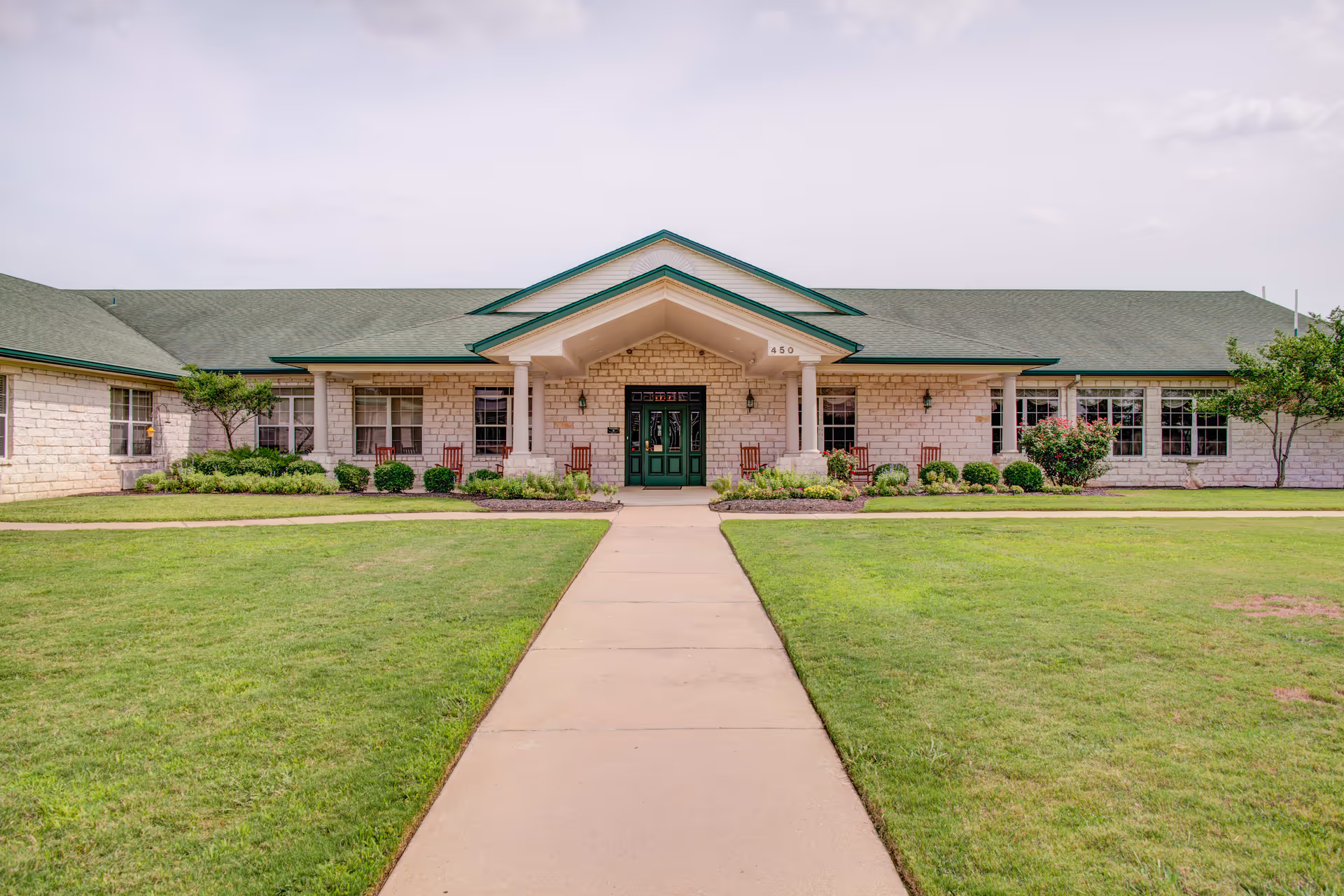
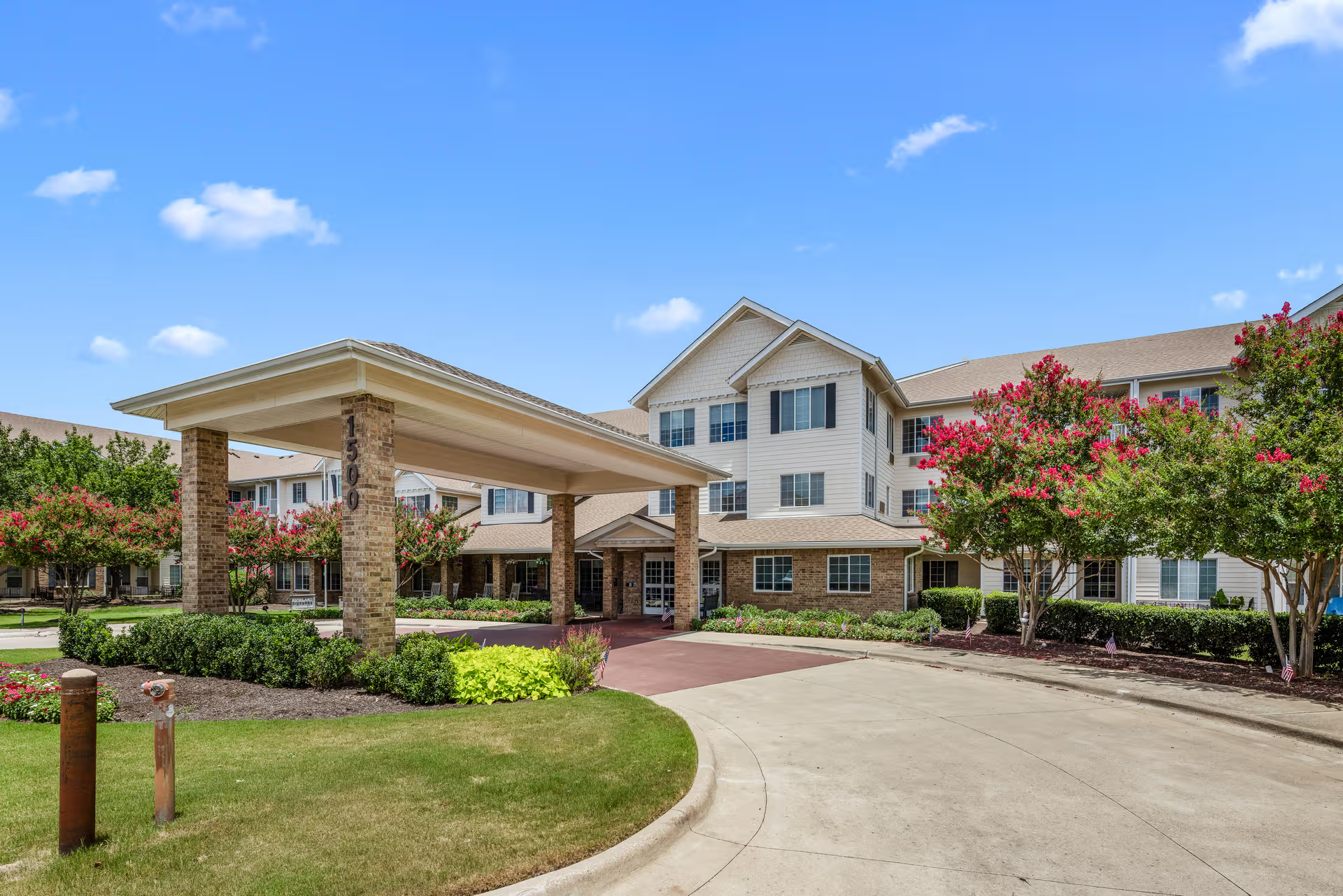
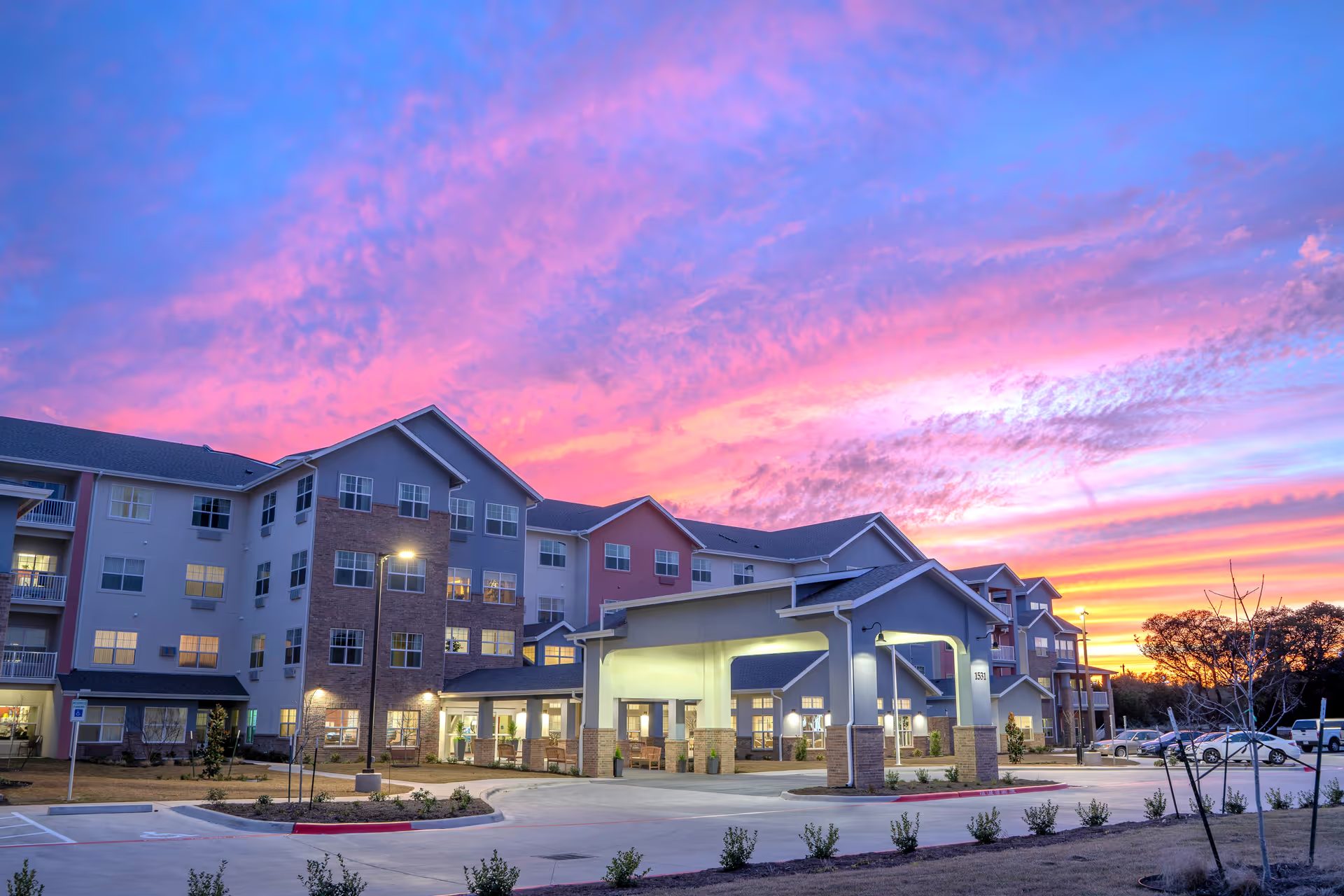
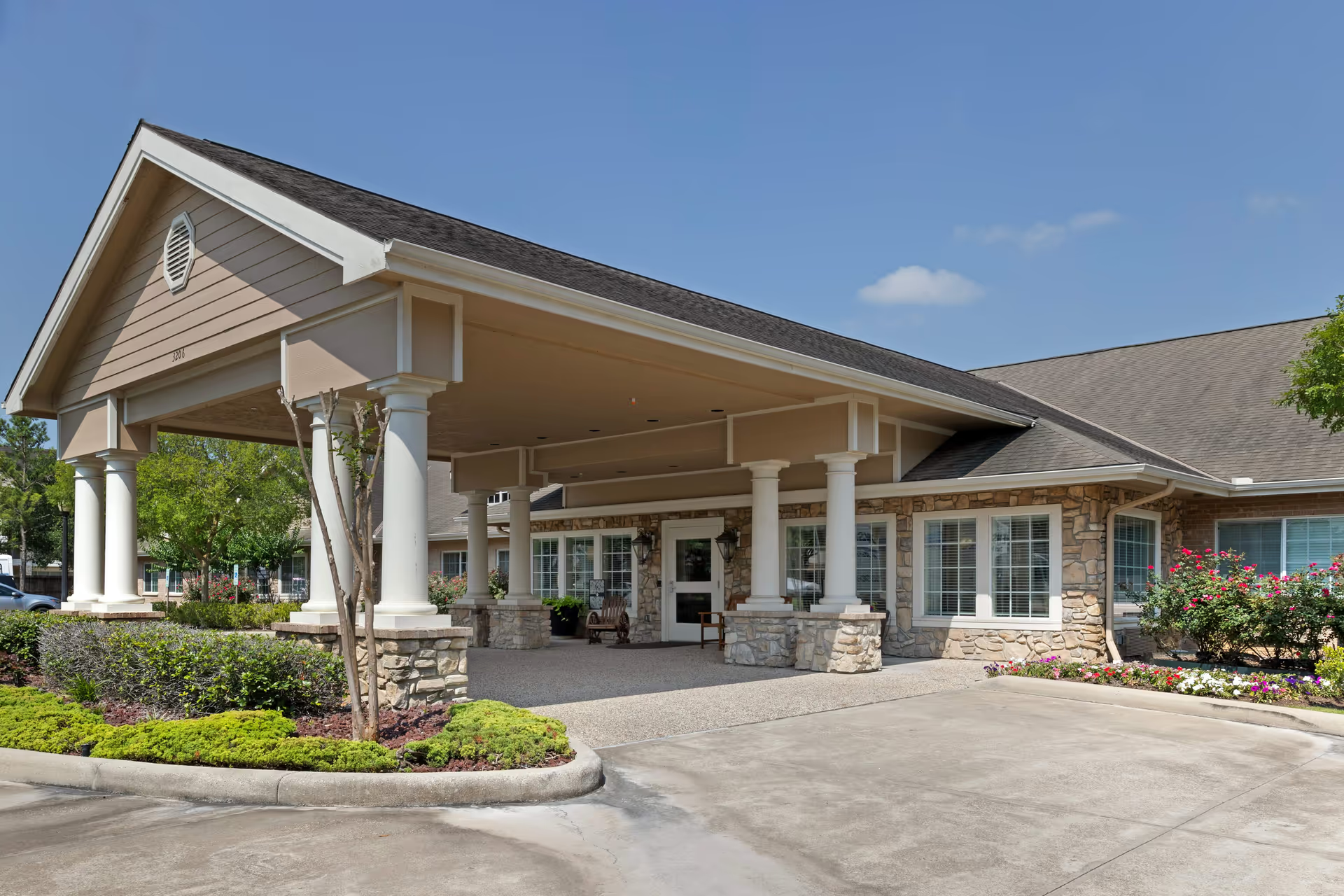
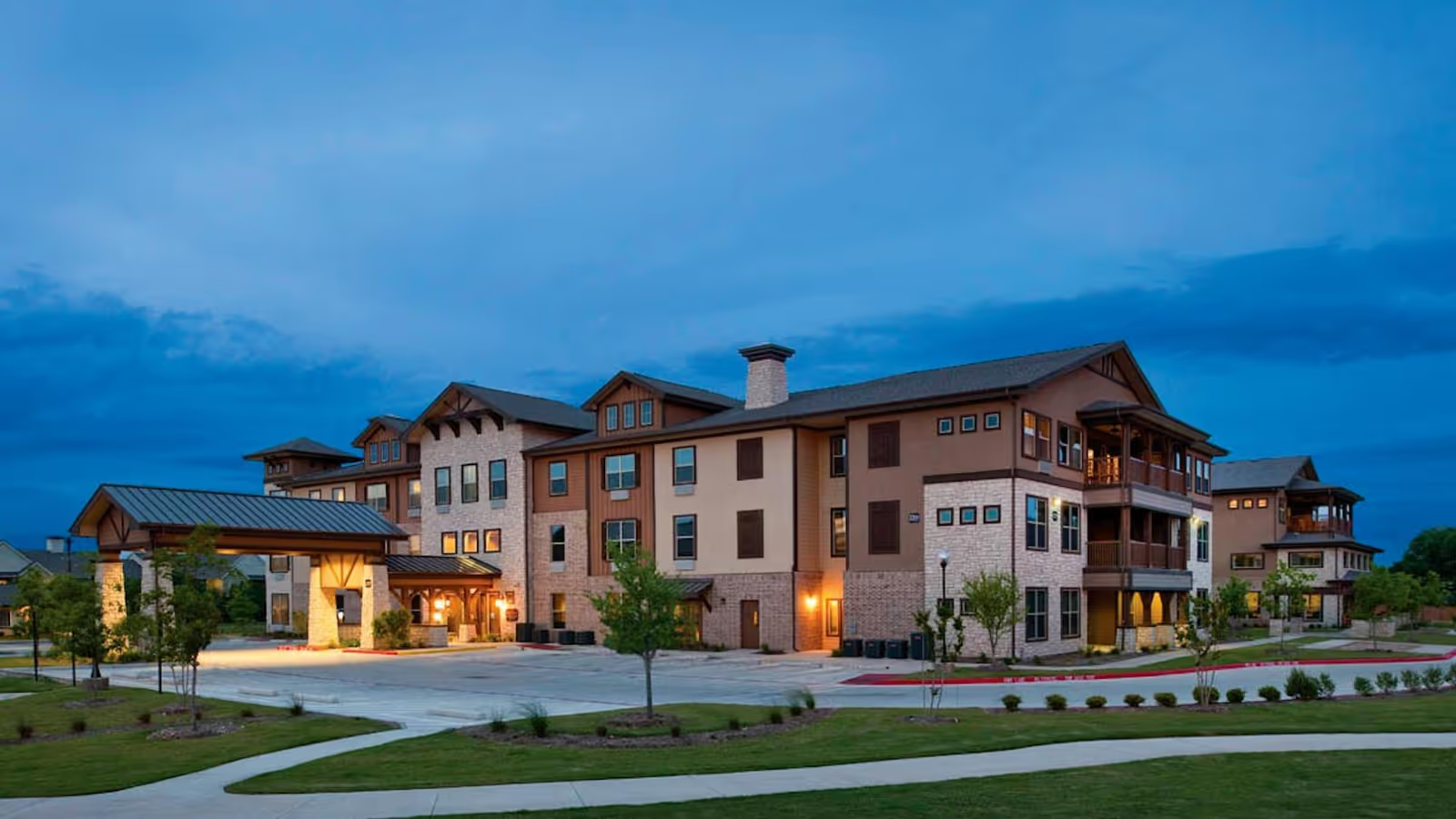
The Auberge at Cedar Park presents a mix of clearly stated strengths and recurring operational concerns. Many family members and residents describe the caregiving staff as warm, compassionate and skilled—particularly in memory care—with specific praise for long-tenured team members and staff who specialize in dementia care. The community’s physical design is frequently highlighted: an attractive Main Street–style interior, bright neighborhoods, outdoor courtyards and a range of on-site amenities (theater, coffee shop, salon) create a residential, activity-friendly environment. Therapy coordination (PT/OT/ST) and responsive admissions assistance are also cited as positives that ease transitions for new residents.
Care quality reviews vary by household. Positive comments focus on resident engagement, personalized attention, and staff who go beyond basic duties to create a home-like atmosphere. Conversely, a number of families described operational problems that directly affect care continuity: missed medication doses, incomplete documentation, and intermittent gaps in nursing coverage—especially overnight or in memory-care neighborhoods—leading some families to supplement with private caregivers. Several reviewers also described inconsistency in staff training and credentialing, which contributes to variable care experiences across shifts and neighborhoods.
Dining and activities are frequent sources of both praise and critique. The facility’s dining spaces and early chef-prepared meals receive favorable remarks, and the activity program (music, games, morning meetings, themed events) is often described as robust and meaningful. At the same time, others reported a decline in meal consistency and fewer weekend activities or program staffing gaps during certain periods. Overall, programmatic strengths are evident, but continuity depends on staffing stability.
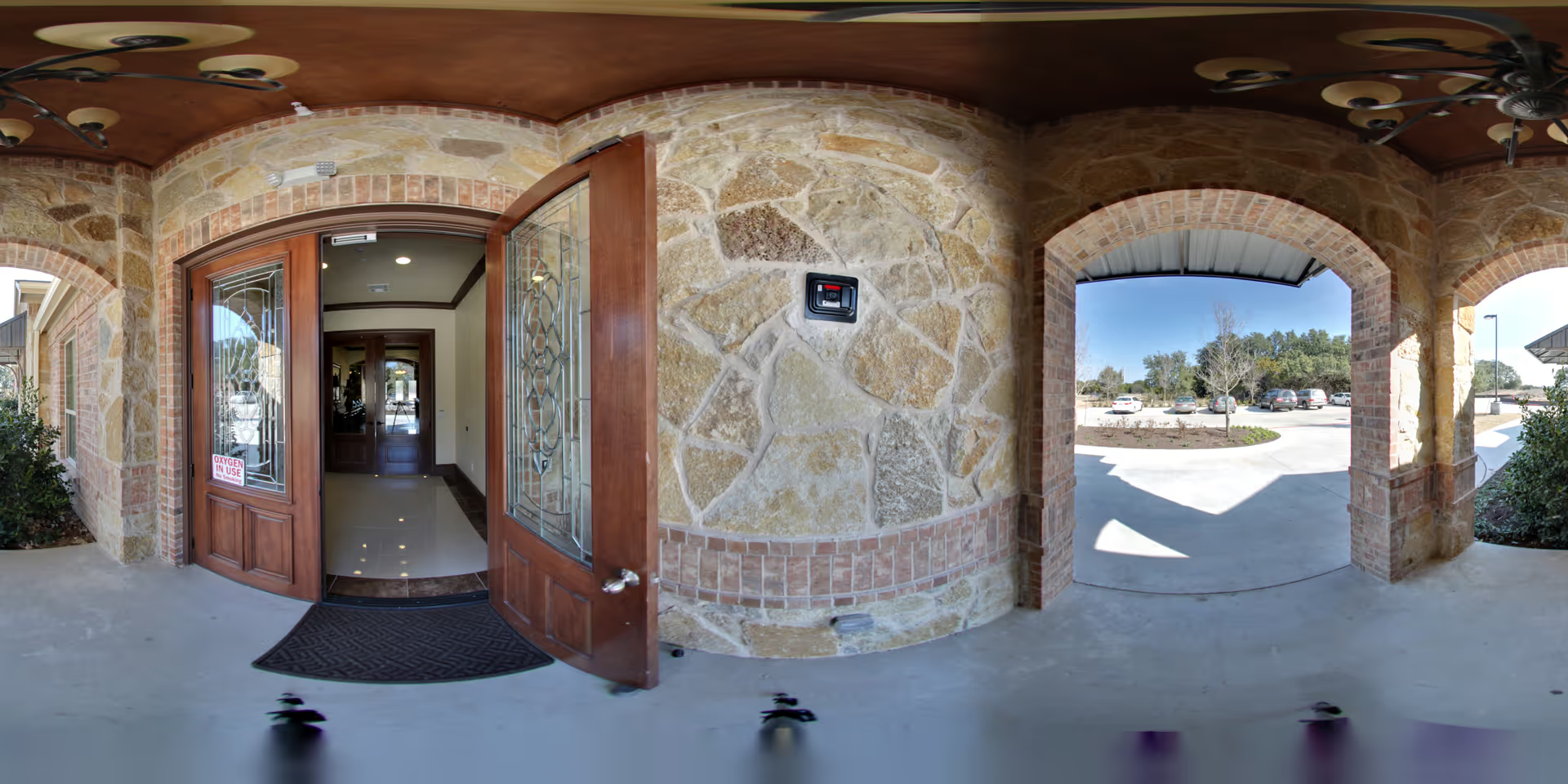
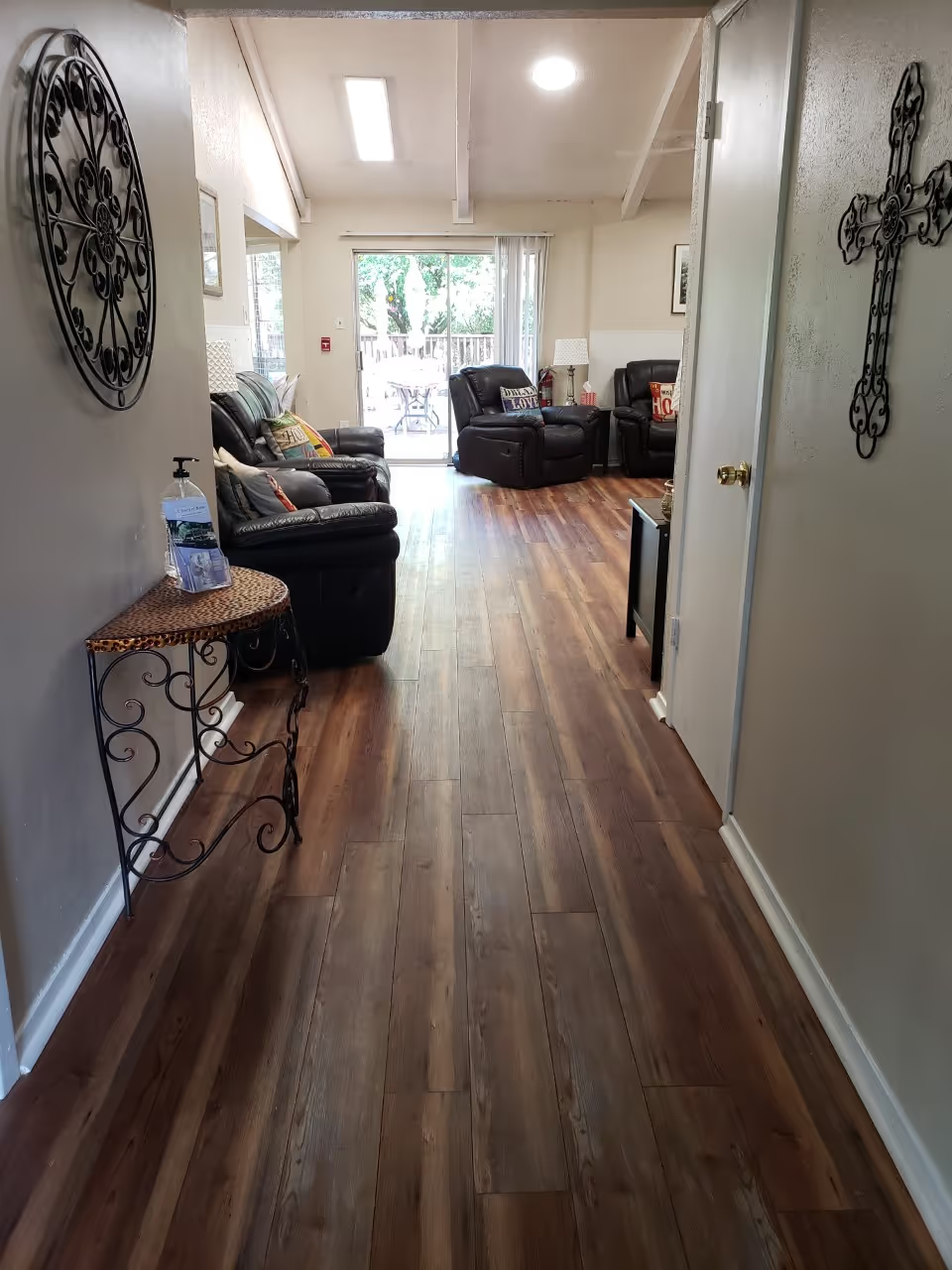
Facility and amenity observations are largely positive: cleanliness, maintenance of public areas, and thoughtful neighborhood design are commonly noted. However, maintenance and repair responsiveness is uneven; unresolved repairs and facility-service interruptions were mentioned. Privacy concerns have been raised around monitoring policies and in-room cameras. Families recommend verifying current policies before move-in.
Management and operational patterns are the most mixed and the most consequential. Frequent leadership and administrative turnover, inconsistent front-office responsiveness, and communication lapses with families are recurring themes. Financial-administration issues — including billing errors and disputes over charges — appear repeatedly and have been significant enough to erode trust for some families. There are also references to regulatory scrutiny, including a citation related to incident-reporting processes; some families described serious individual incidents they felt were not adequately addressed by administration.
Taken together, the pattern suggests a facility with strong frontline caregivers and a well-designed physical environment, paired with operational instability that can affect clinical reliability, family communication, and billing practices. Prospective residents and families would benefit from current, specific verification prior to move-in: confirm present staffing ratios and nursing coverage (including overnight), ask for recent training and credentialing practices, review incident-reporting and privacy policies, and obtain a clear, itemized billing agreement. Those steps will help align expectations with the variable experiences reflected in these reviews.