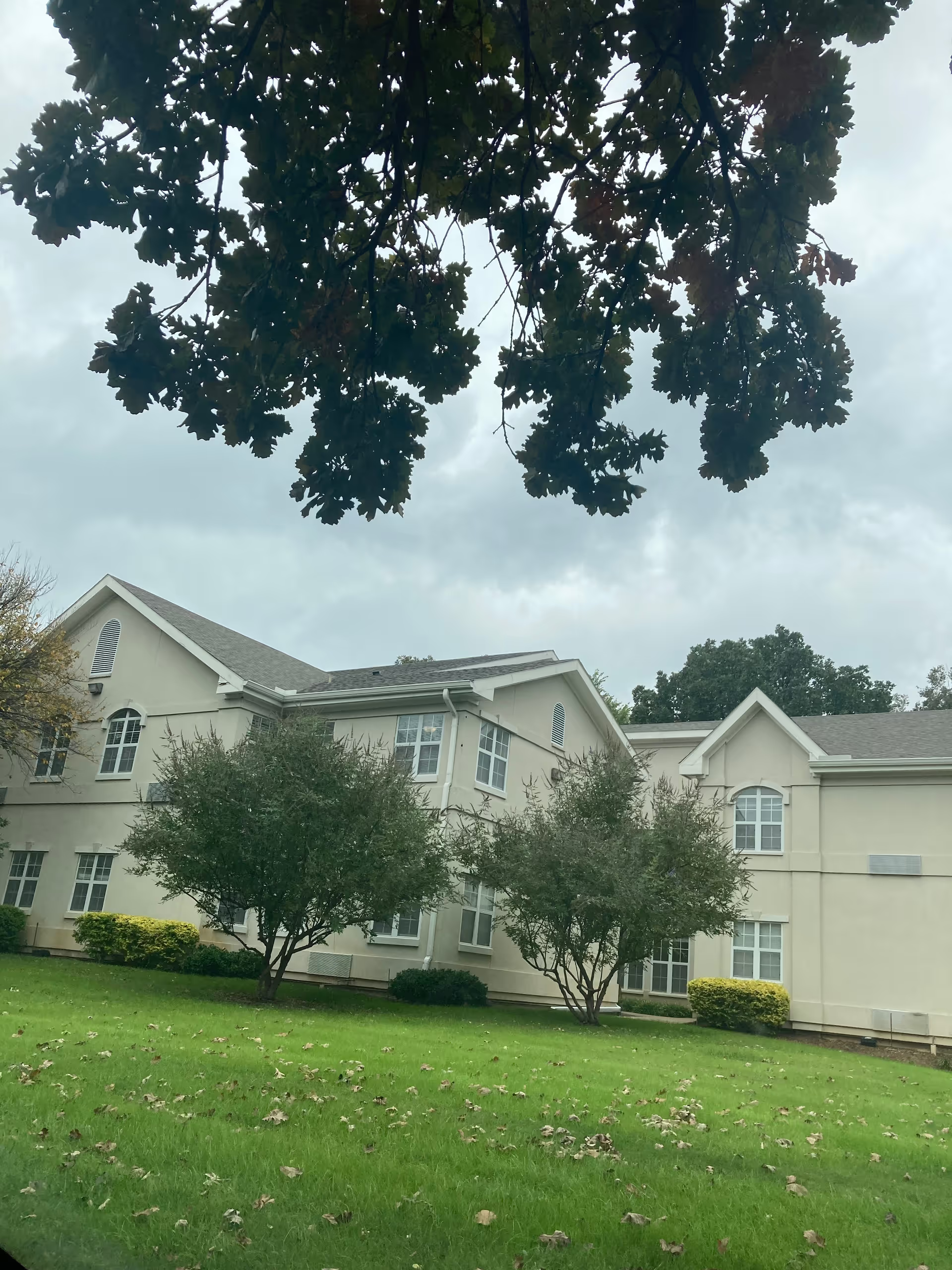
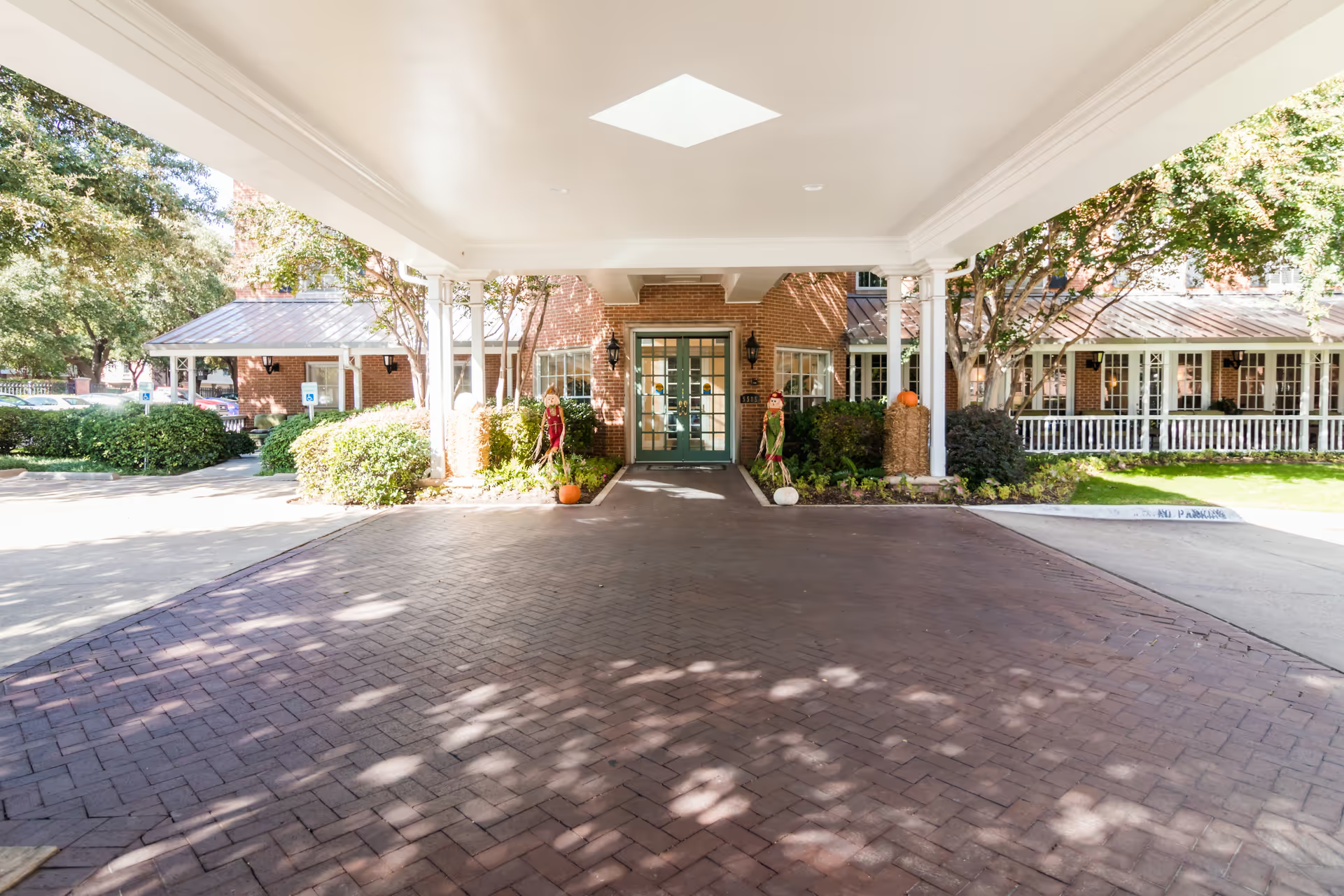
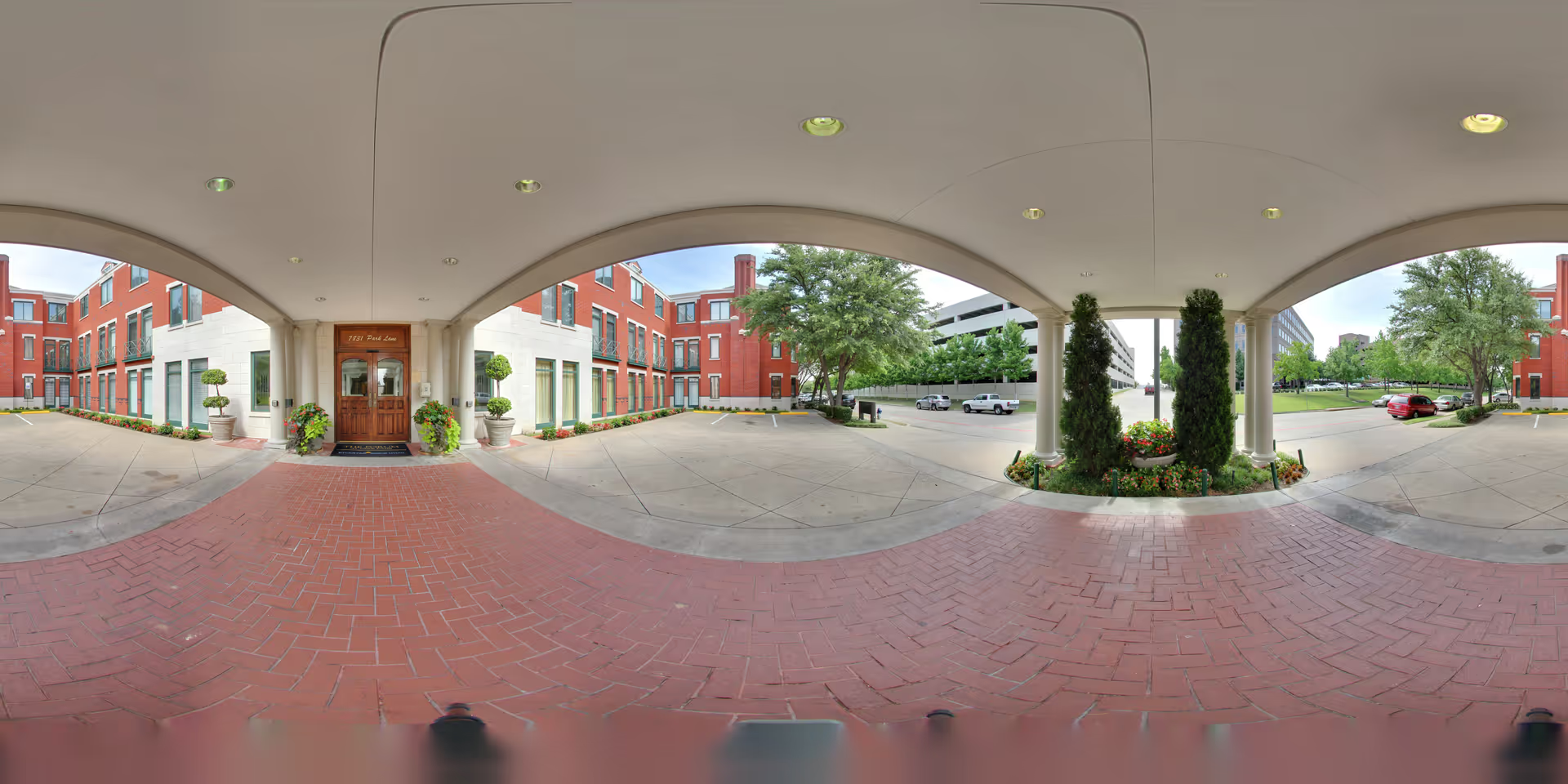
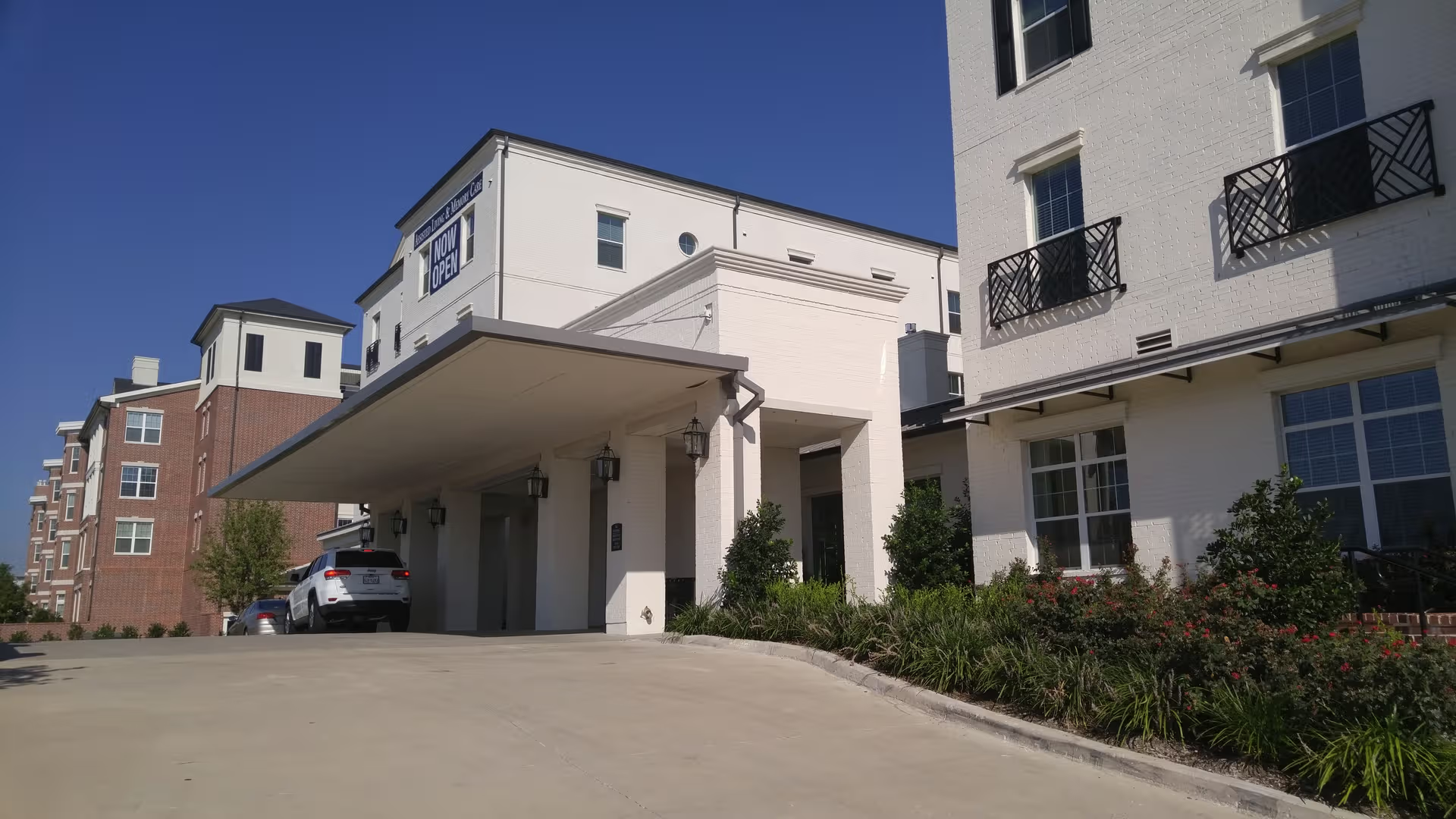
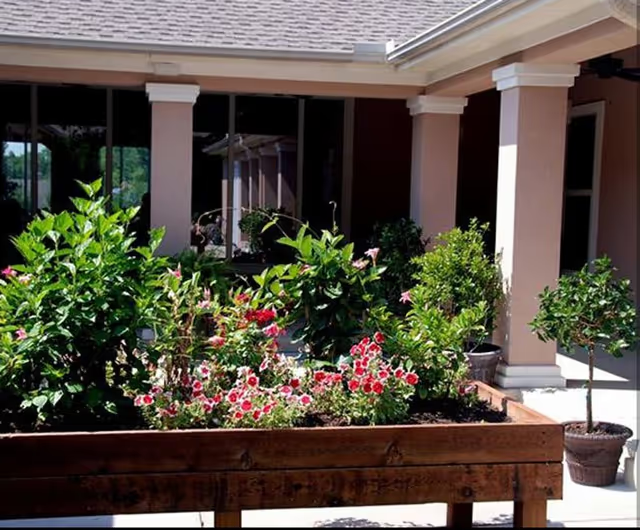
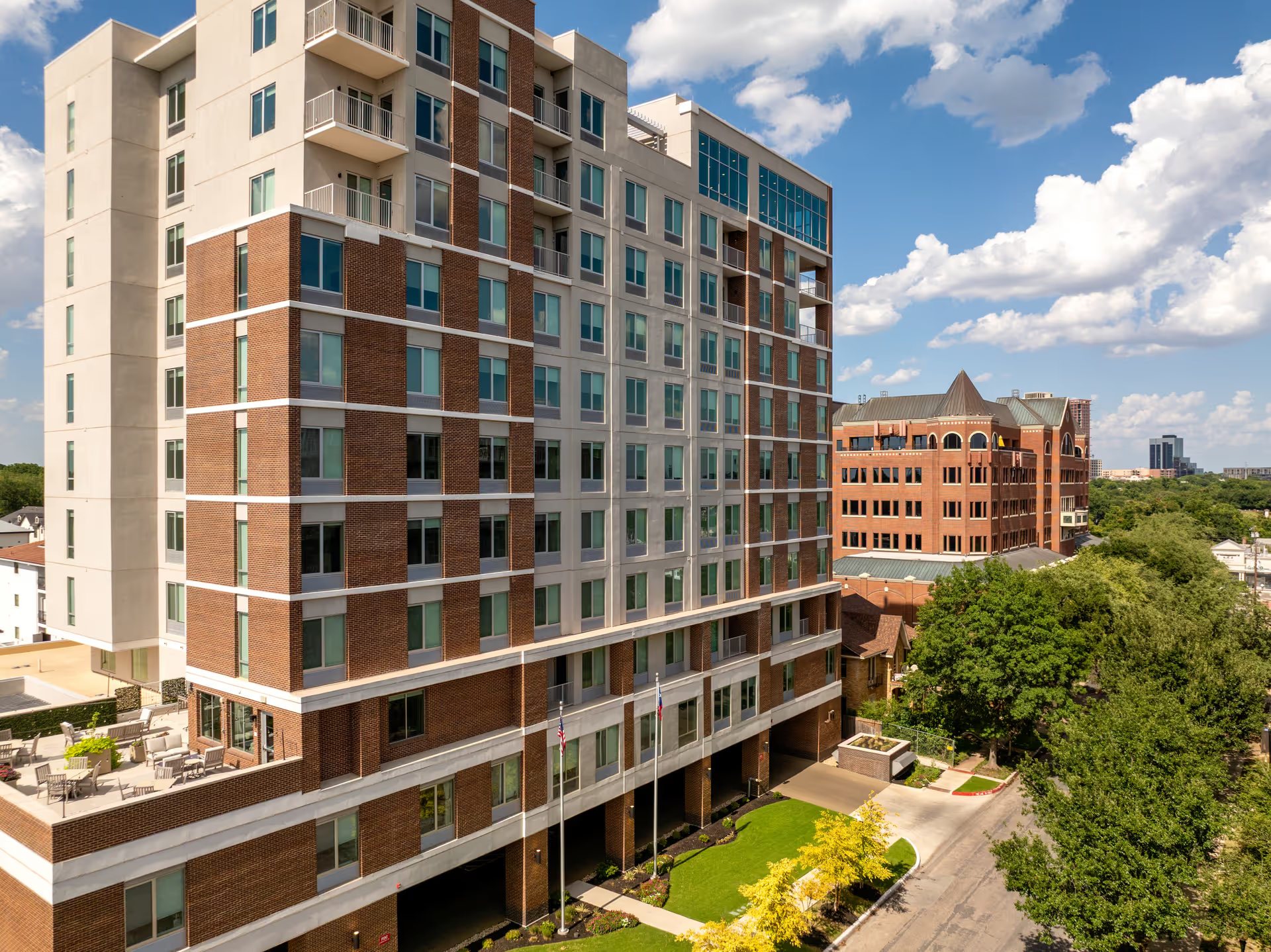
The Preston of the Park Cities is described by many families as an upscale, well‑maintained community with strong emphasis on hospitality and resident experience. Reviewers consistently praise the facility's physical environment: spacious, tastefully decorated residences and numerous common areas (patios, garden room, pool, gym, salon) create a resort-like atmosphere. Housekeeping and maintenance are frequently commended, and many families cite infection-control measures and successful vaccination efforts during the pandemic as a positive operational strength.
Care quality and staff engagement are central strengths in the feedback. Caregivers, nurses, concierge and front-desk personnel are repeatedly characterized as compassionate, attentive, and resident-focused; specific team members receive frequent individual praise. Several comments highlight hands-on executive leadership, proactive move-in coordination, and visible management presence. The community also provides hospice and end-of-life support, and many families describe meaningful attention to milestones (birthdays, anniversaries) and personalized accommodations.
Dining and programming are other prominent positives. The culinary program is described as restaurant-quality, with chef-driven, rotating menus, fresh offerings, and the ability to accommodate individualized meal requests. Dining staff are noted for service attentiveness and special-event execution. The activity program is robust and varied, including onsite classes, outings (zoo, movies, arboretum), family-inclusive events, and therapeutic/social programming in memory care. These offerings contribute to an engaged resident culture and frequent family satisfaction.
Despite the overall favorable picture, several operational patterns require consideration. Staffing stability and workload are recurring concerns: reviewers noted turnover and instances when staffing levels appeared stretched, which can affect responsiveness and continuity of care. There are intermittent mentions of lapses in staff attentiveness and conduct (for example, personal phone use) that suggest variability in frontline supervision and performance standards. The kitchen and dining operation may experience service continuity risk during weekends or brief staffing shortages. A number of families described initial transition or move-in hiccups, indicating room for more consistent intake and orientation processes.
Memory care impressions were mixed: while many families praised engaged memory‑care teams and programming, other accounts raised concerns about inconsistency in that unit’s experience and outcomes. Prospective residents should evaluate memory care staffing stability and programming on a tour. Additional operational items to review include pet-policy enforcement and large‑dog safety procedures, and certain aspects of the building layout that reviewers characterized as open or having blind spots—factors that can affect supervision and elopement risk.
Overall, The Preston presents as a high‑quality, hospitality‑oriented community with strong dining, activities, and visible leadership. Prospective residents and families would benefit from an in‑person visit focusing on staffing ratios and turnover, memory care staffing consistency, weekend dining continuity, specific move‑in procedures, and pet‑policy and safety protocols. Asking for recent staffing schedules, turnover metrics, and examples of how the community addresses conduct or safety concerns will help clarify whether the facility’s operational practices match the strongly positive aspects repeatedly noted by families.