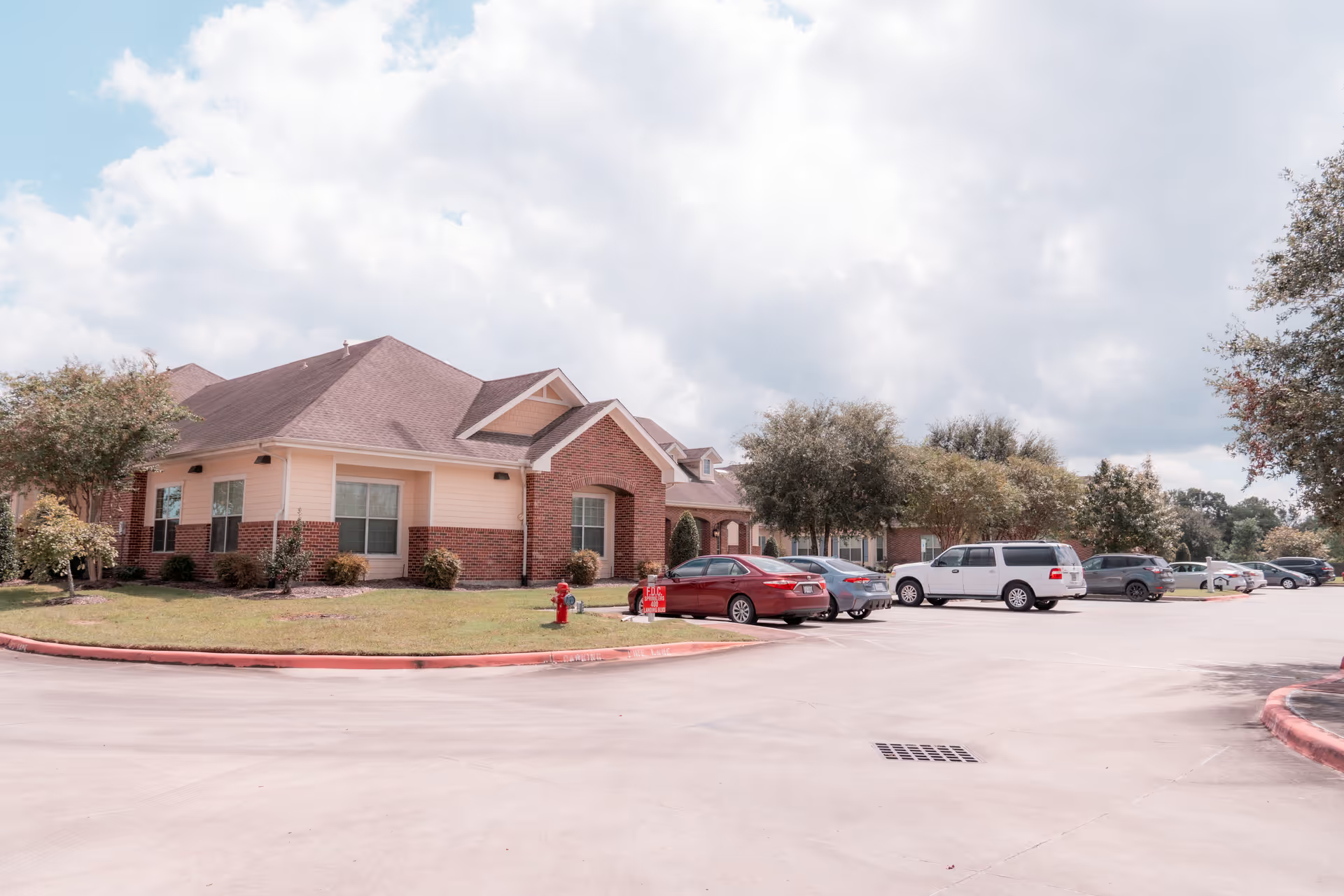
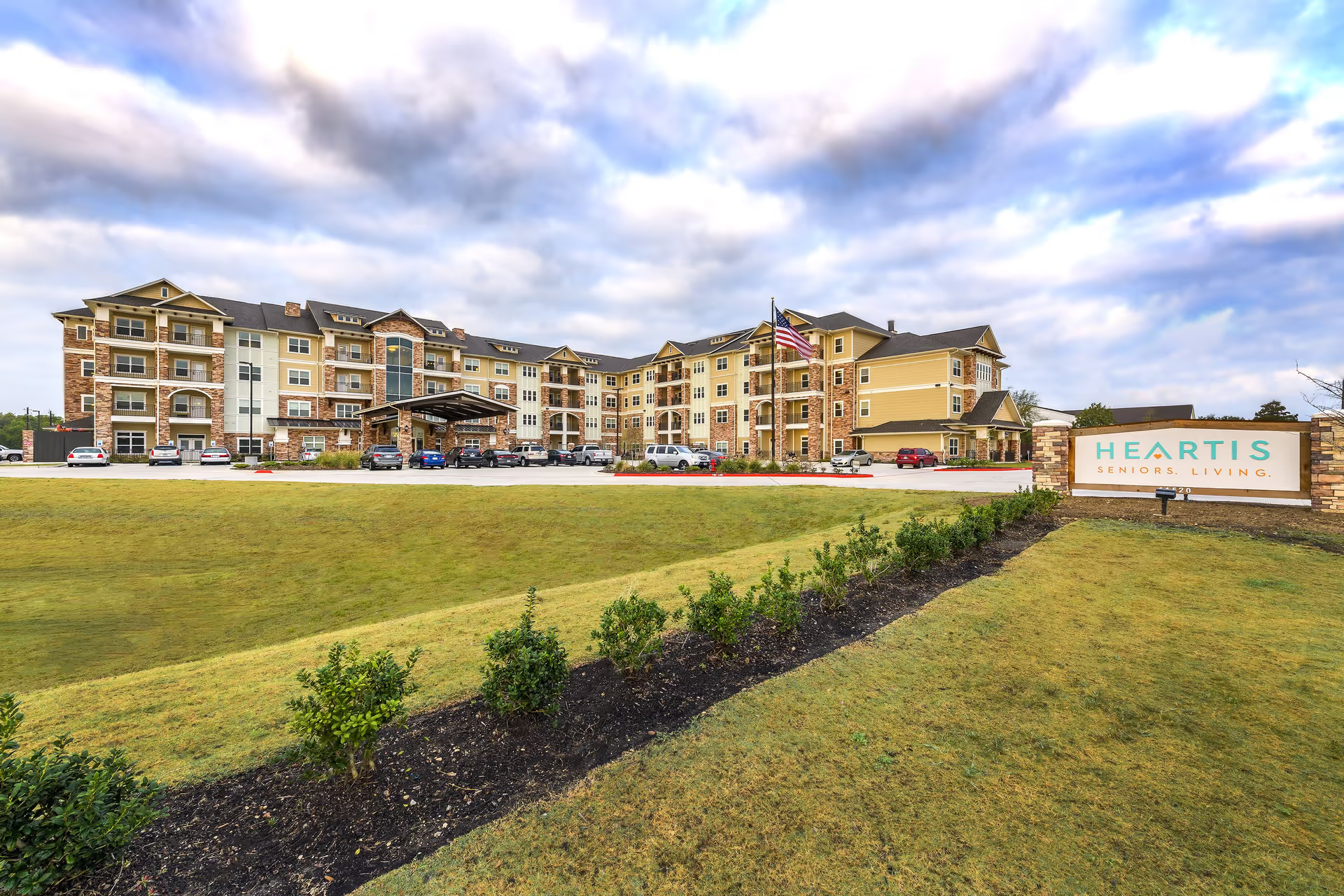
Delaney at South Shore offers independent living, assisted living, and memory care in a newer, resort-style community. Across the reviews, families and residents frequently praise the welcoming atmosphere, attentive staff, and personal connections between employees and residents. Many describe staff as responsive to individual routines and needs, and appreciate support during moves, changes in care level, hospital or rehabilitation transitions, and family visits. On-site clinical services, safety features, transportation, and the ability to access multiple care levels within one community are also viewed positively. However, experiences are not uniformly positive: some accounts describe staffing and training inconsistency, delayed clinical attention, or difficulty getting timely responses and follow-through from administration.
Dining is a prominent strength in many accounts. Residents and families often describe meals as restaurant-quality, with generous choices and attentive service, and several appreciate meal accommodations or delivery to apartments. Other accounts mention repetitive menus, dissatisfaction from an individual resident, or difficulty meeting specific dietary requirements. Prospective residents with diabetes, sodium restrictions, or other therapeutic dietary needs may want to discuss available options and how requests are handled in practice.
The property is commonly described as attractive, clean, and well maintained, with spacious apartments, dining areas, gardens, lounges, and activity spaces. Residents value the range of activities, including exercise, crafts, games, entertainment, social events, and outings. Some accounts characterize programming as limited, particularly in memory care, and describe difficulty engaging residents who are shy or need more encouragement. Pandemic-era restrictions affected visitation and activities, although many families also praised the community’s efforts to maintain connection and follow health precautions during that period. The building’s size, long corridors, and elevator-dependent layout may be less suitable for people who have difficulty navigating a larger community.
Pricing is a recurring drawback; several families describe the community as expensive or beyond their budget. Administrative experiences also vary: while many praise leadership and residency staff for being helpful and informative, other accounts describe communication, billing, or follow-through problems. A few serious individual accounts raise concerns about clinical response in memory care, overnight support for a highly active resident, personal-care and cleanliness practices, and a last-minute change in planned hospice readmission. One reviewer also alleged theft during a resident’s hospitalization and dissatisfaction with management’s response. These accounts differ from the generally positive descriptions and do not establish how common such issues are, but they are important topics to raise directly when evaluating care, escalation procedures, security, and transition policies. Overall, the reviews are strongly favorable about staff warmth, food, and the physical environment, with cost, memory-care consistency, and administrative communication standing out as areas to examine carefully.