Tuscany Villa of Naples is consistently praised for its caregiving culture, social life, and hospitality-style amenities. Many reviewers emphasize compassionate, family-like staff interactions and note individual staff members by name; this suggests a strong emphasis on personalized attention and relationship-driven care. Clinical services such as on-site physical and occupational therapy, routine nurse oversight, medication management, and aging-in-place capabilities are available, and families frequently described peace of mind when clinical needs were met. At the same time, reviewers identify occasional inconsistencies in clinical processes and medication administration that merit direct inquiry during tours.
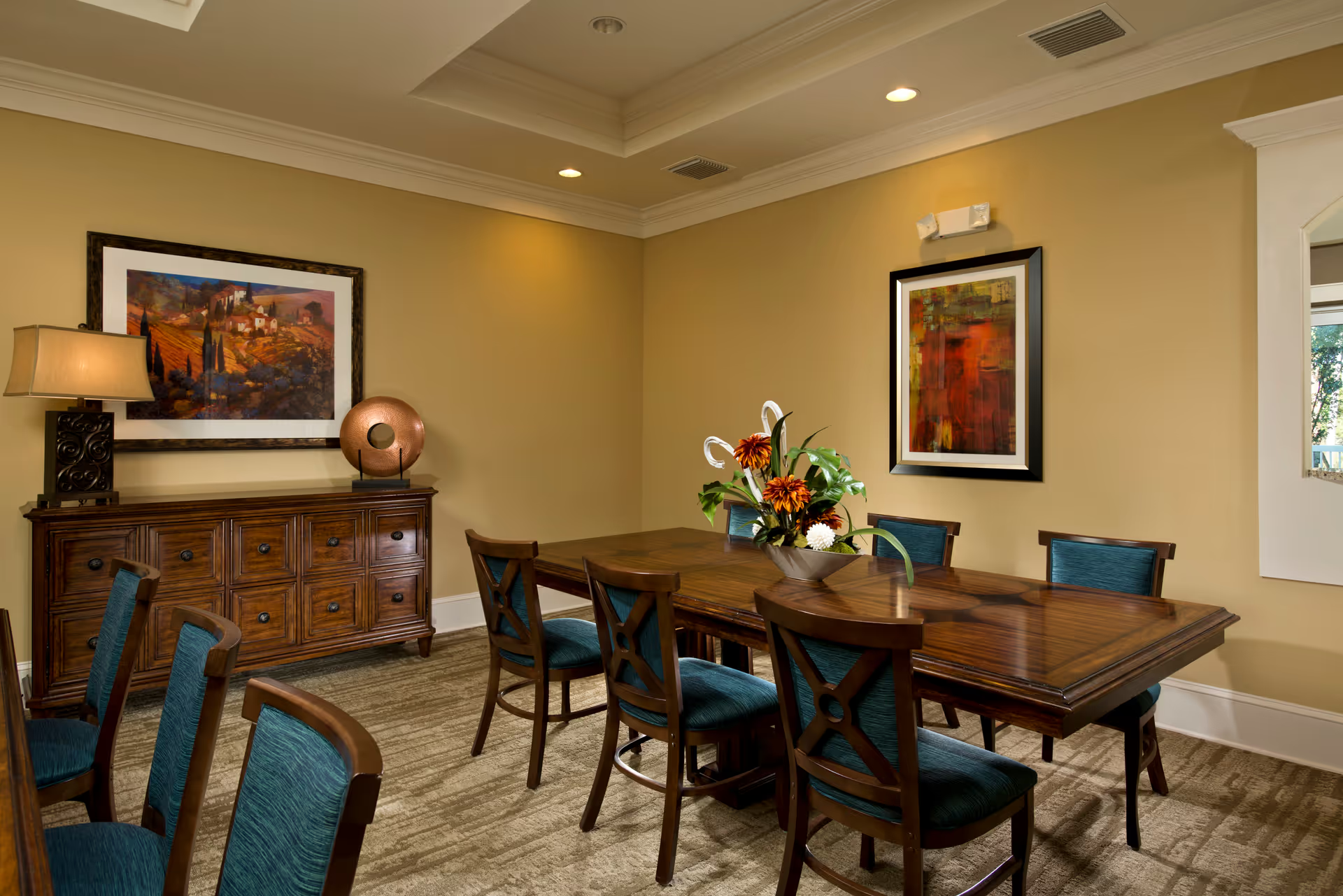
Dining and activities are standout features. The community offers chef-driven, restaurant-style dining with private dining options and event menus, plus a varied activities calendar that includes live music, weekly happy hours, arts and crafts, spiritual programming, and regular outings. These programs are well staffed and often highlighted as central to resident satisfaction and social engagement. Technology supports such as real-time update apps, Zoom/window visits, and prompt wifi support further facilitate family communication and remote engagement.
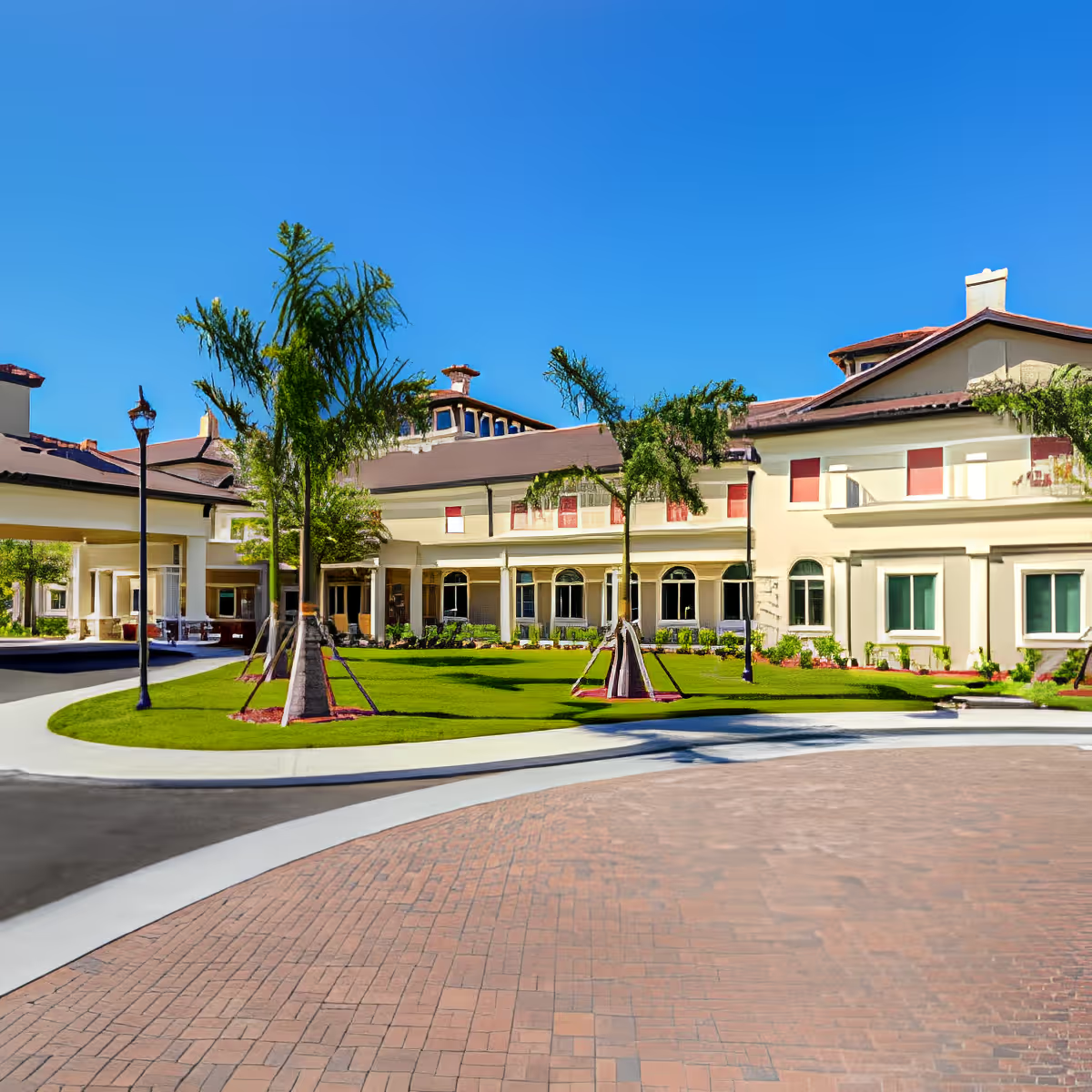
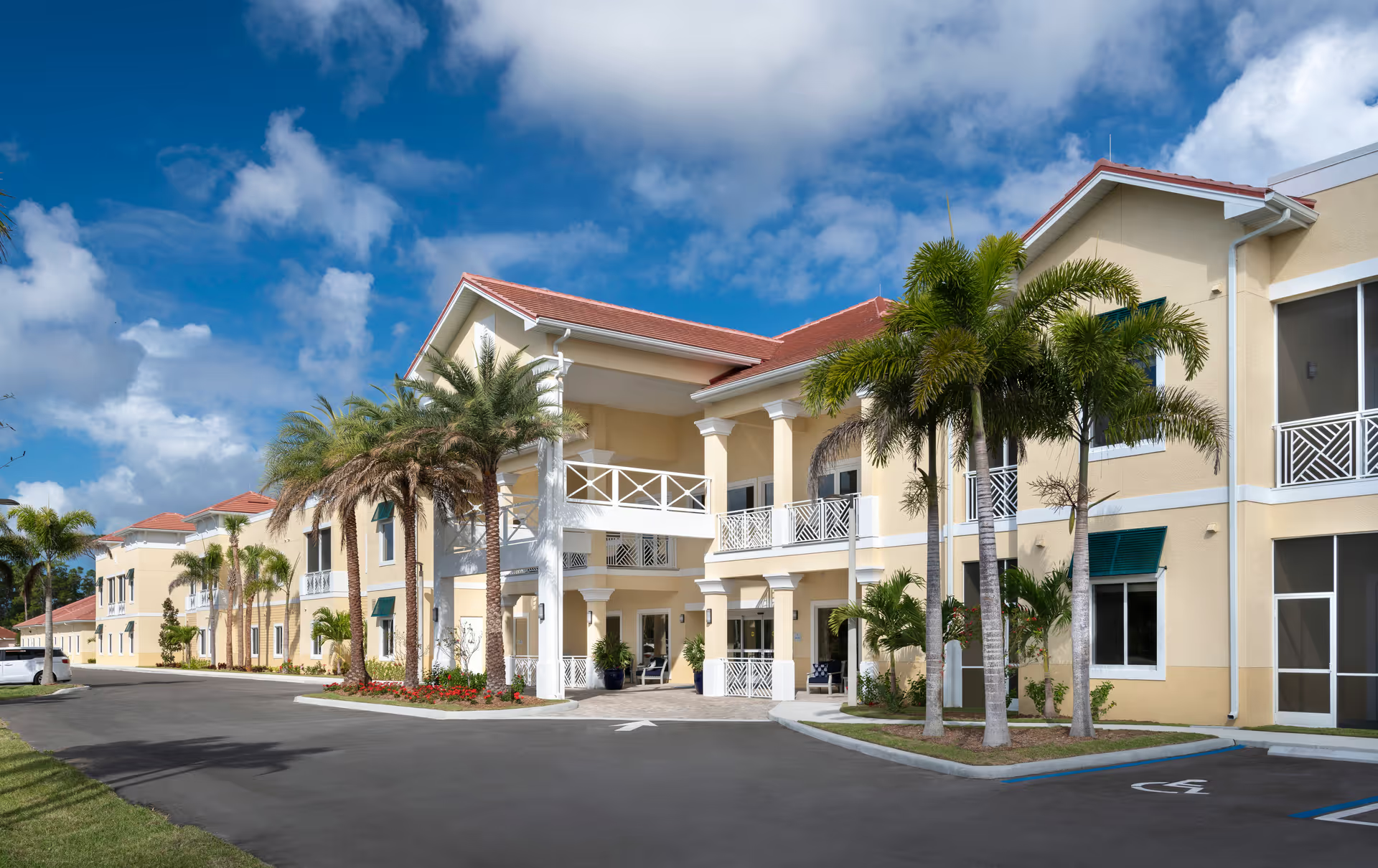
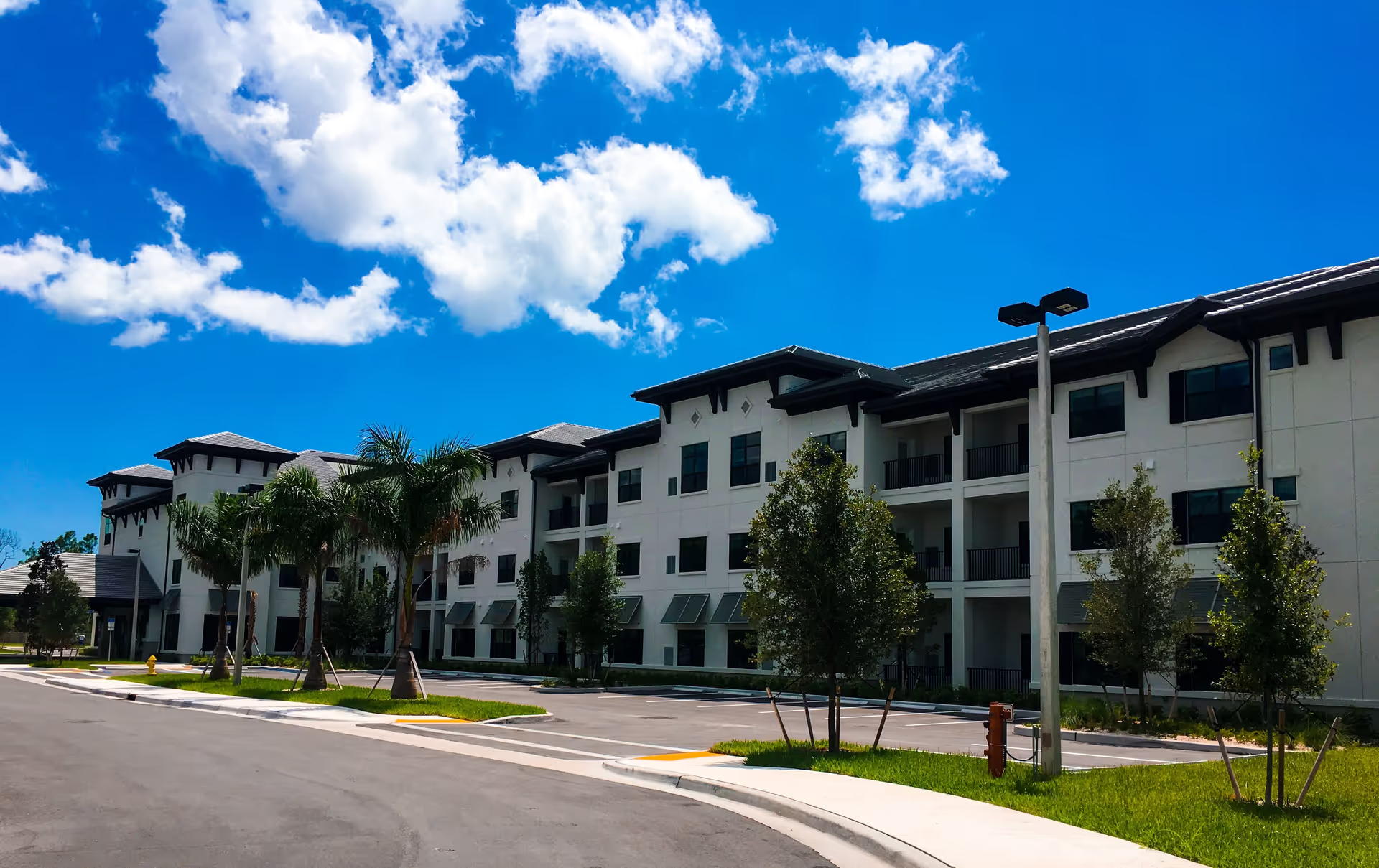
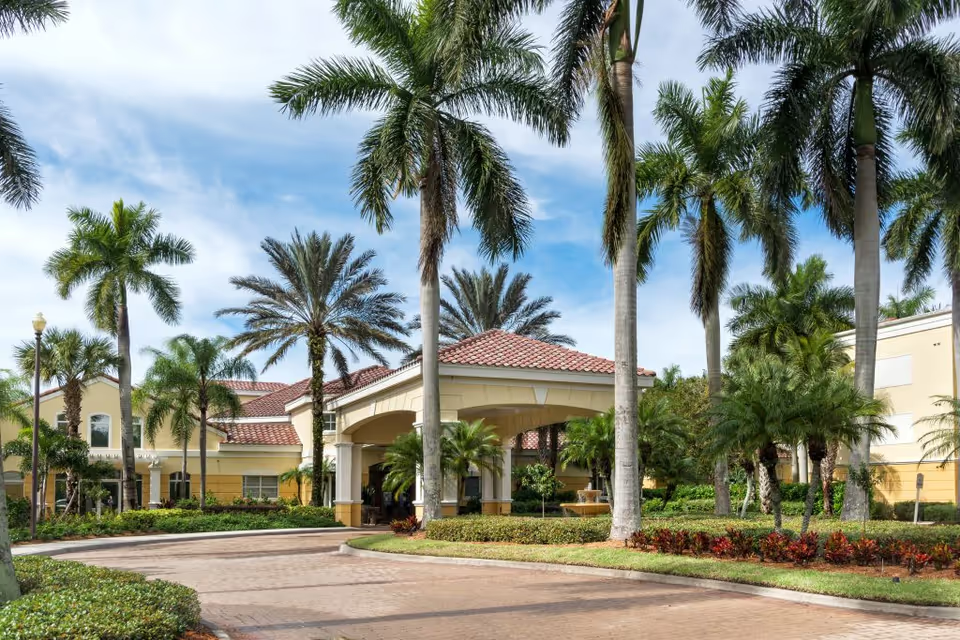
The physical environment is described as attractive and condo-style: spacious apartments with kitchenettes and balconies, clean common areas, a theater, and multiple courtyards and an inviting heated pool. Housekeeping and sanitation are generally commended, and the community maintains visible infection-control measures and emergency infrastructure (including a generator). Management is frequently described as visible and hands-on, with an executive director and activities leadership that participate in daily life and events.
Notable patterns of concern center on operational consistency. Several reviewers described lapses in staffing responsiveness, intermittent housekeeping or room-care variability, and occasional delays in emergency response or family communication. Dining quality was described as excellent by many but inconsistent by others. There are also practical limitations to note: the community does not offer a dedicated memory-care unit, and some suites or bathrooms have accessibility constraints for more complex mobility needs. A small number of reviews described more serious, individual incidents; those accounts appear isolated but suggest families should ask direct questions about clinical incident response, staffing ratios, medication protocols, and transfer procedures.
Overall, Tuscany Villa presents as a well-appointed, socially active community with a strong caregiving culture, good therapeutic services, and a hospitality-forward approach to dining and amenities. Prospective residents and families should verify operational details during a visit—specifically staffing levels at different times of day, emergency-response procedures, medication-administration protocols, memory-care options or pathways, and accessibility features—to ensure the community’s strengths align with the resident’s clinical and daily-living needs.