Reviewer feedback for Fayetteville Health and Rehabilitation Center is strongly polarized, with many families and residents praising the caregiving and rehabilitation services while others raise substantive operational concerns. Positive accounts emphasize compassionate, attentive staff, a strong therapy program that helps residents regain mobility, and staff who communicate clearly with families. Several comments single out front-desk personnel and named clinicians for supportive, timely coordination and family guidance. Dining impressions are generally favorable, with multiple reviewers describing good meals and responsive pain management.
Care and staffing are described in two distinct patterns. Favorable reports highlight knowledgeable nurses and CNAs, individualized, goal-oriented rehab plans, and aides who provide prompt hands-on assistance. Conversely, negative reports focus on inconsistent staffing levels, delayed responses to call signals, and lapses in personal-care tasks such as incontinence care and bathing. Reviewers also cited episodic delays in medication delivery and oxygen-management issues, which point to gaps in some clinical processes.
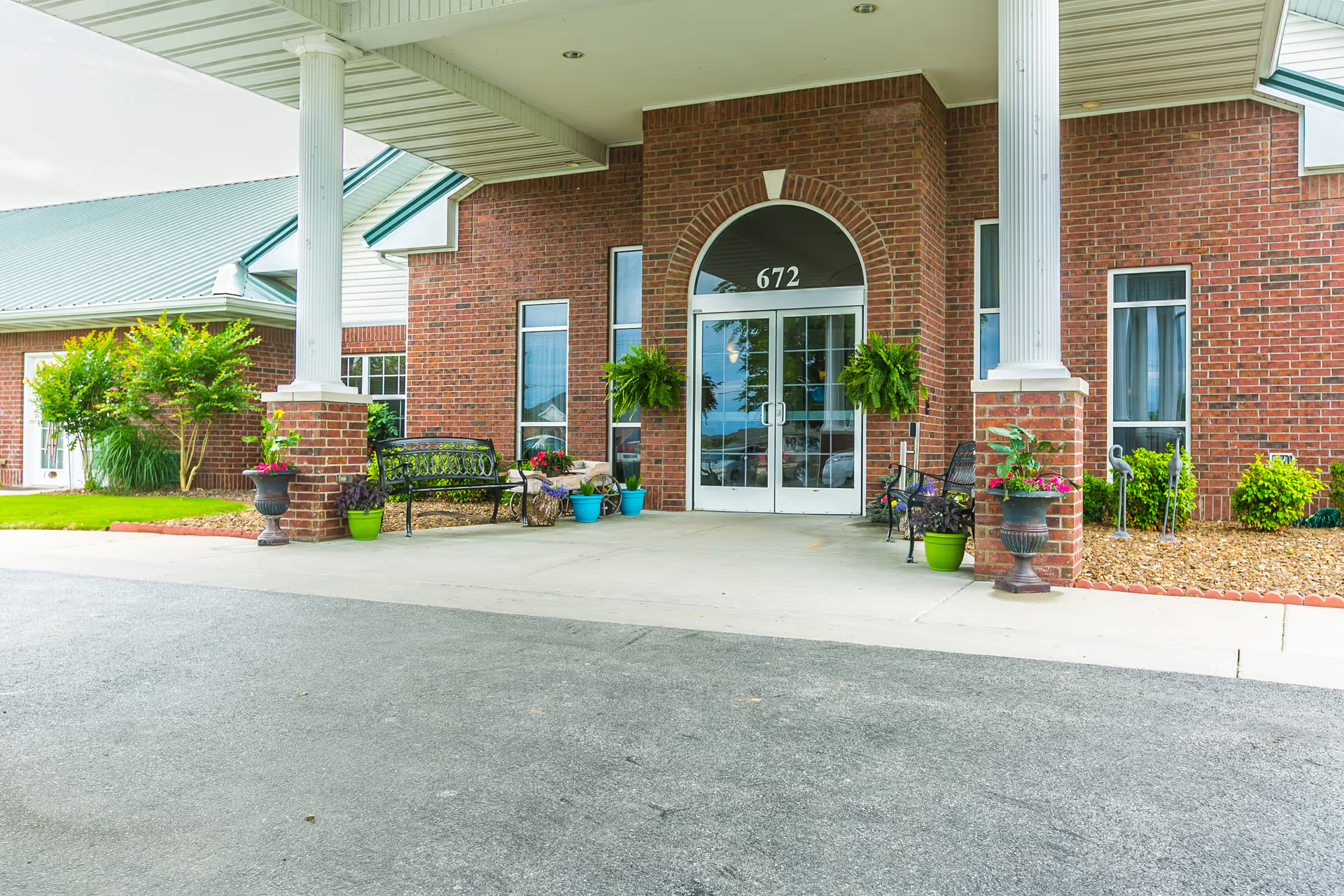
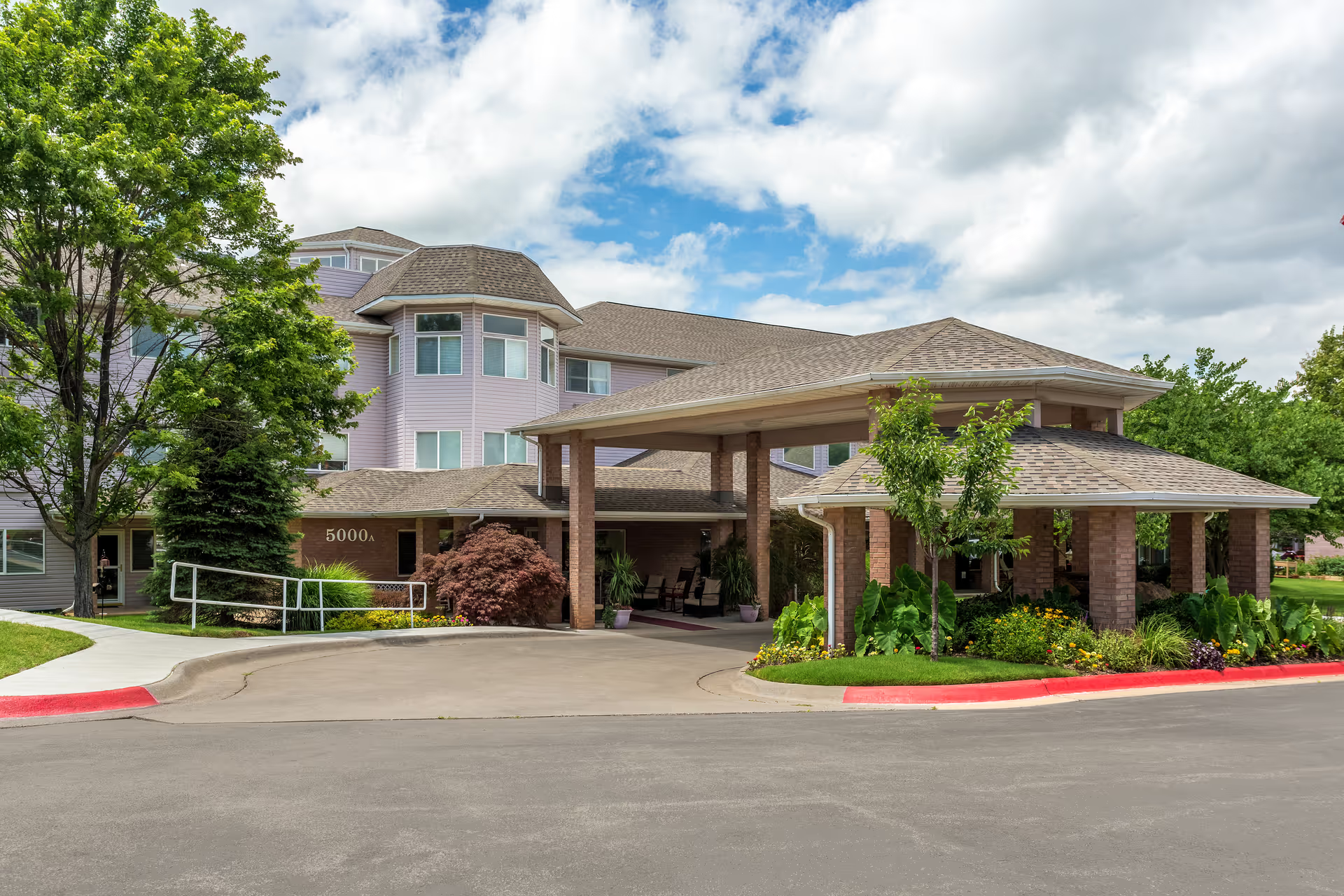
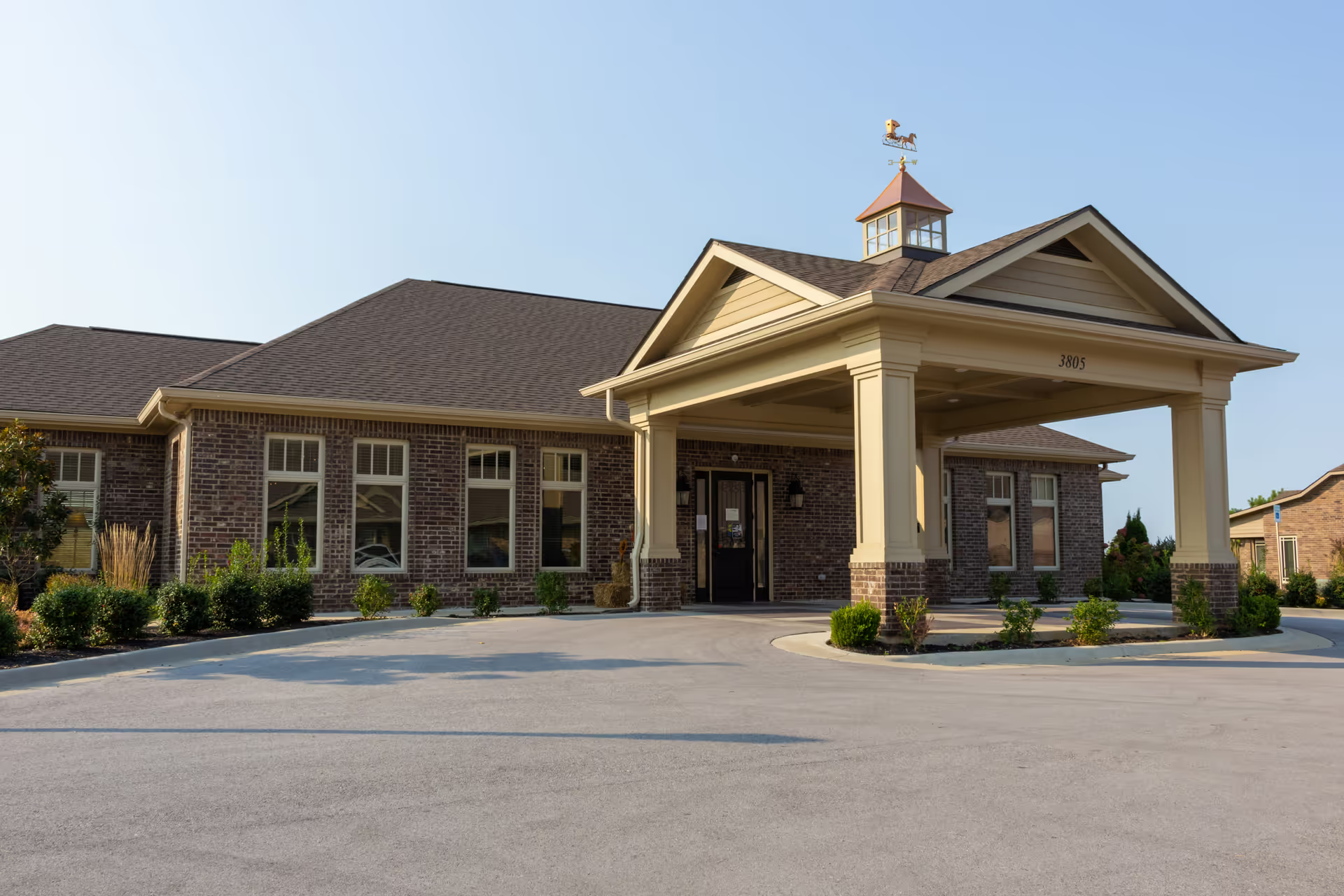
Facility and services feedback is mixed. Several reviewers describe a welcoming, home-like environment, clean common areas, and a family atmosphere. Others note sanitation and odor-control concerns in particular areas, dated finishes (for example older carpeting), and very small resident rooms with limited storage and no private-room options. Maintenance responsiveness appears uneven: some corrective actions were completed after a resident transfer or family escalation, while other items (broken beds, delayed repairs) were described as unaddressed for extended periods.
Activity programming and ancillary services receive variable evaluations. Some families report active, effective therapy programs and engagement around rehab goals; others report limited or infrequent activities and a quieter, less-stimulating atmosphere in resident halls. Communication around administrative matters is also inconsistent: positive experiences include clear, prompt explanations of processes, while negative experiences reference unclear communication about insurance changes, readmission decisions, and the facility’s star-rating context.
Management and oversight are central to the divergent impressions. Several reviewers praised specific administrators and frontline leaders for transparency and improvement efforts; others described frequent leadership turnover and raised concerns about accountability after adverse events. There is an allegation of a fall with related documentation concerns that underscores the need for stronger clinical-incident oversight and family communication. Prospective residents and families should weigh the facility’s demonstrated strengths in rehabilitation and individual caregiver engagement against documented operational weaknesses — particularly in consistent staffing, clinical-process reliability, room size and privacy, maintenance responsiveness, and activity availability — and seek a current tour, direct conversations with clinical leadership, and recent inspection or quality reports before making placement decisions.