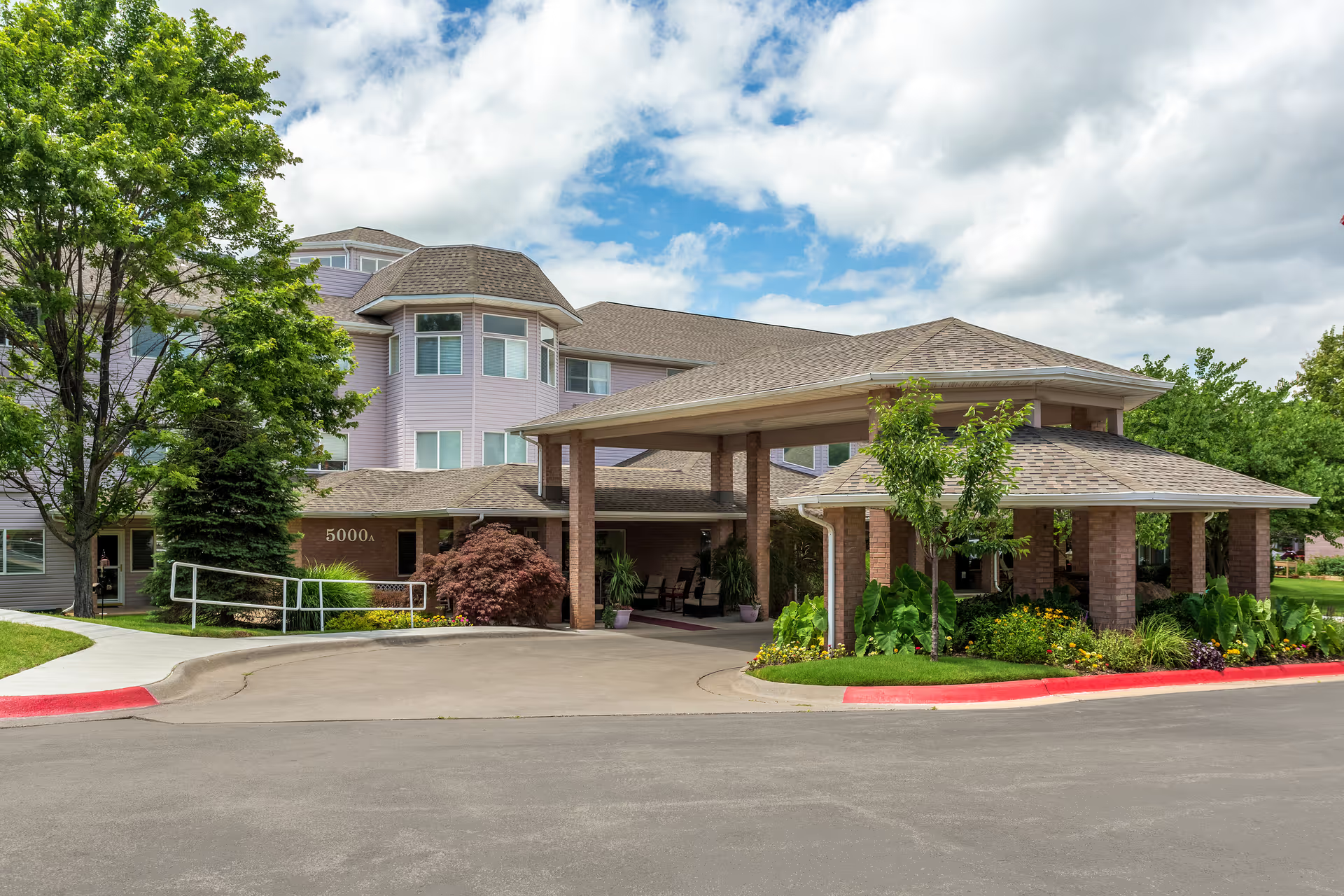
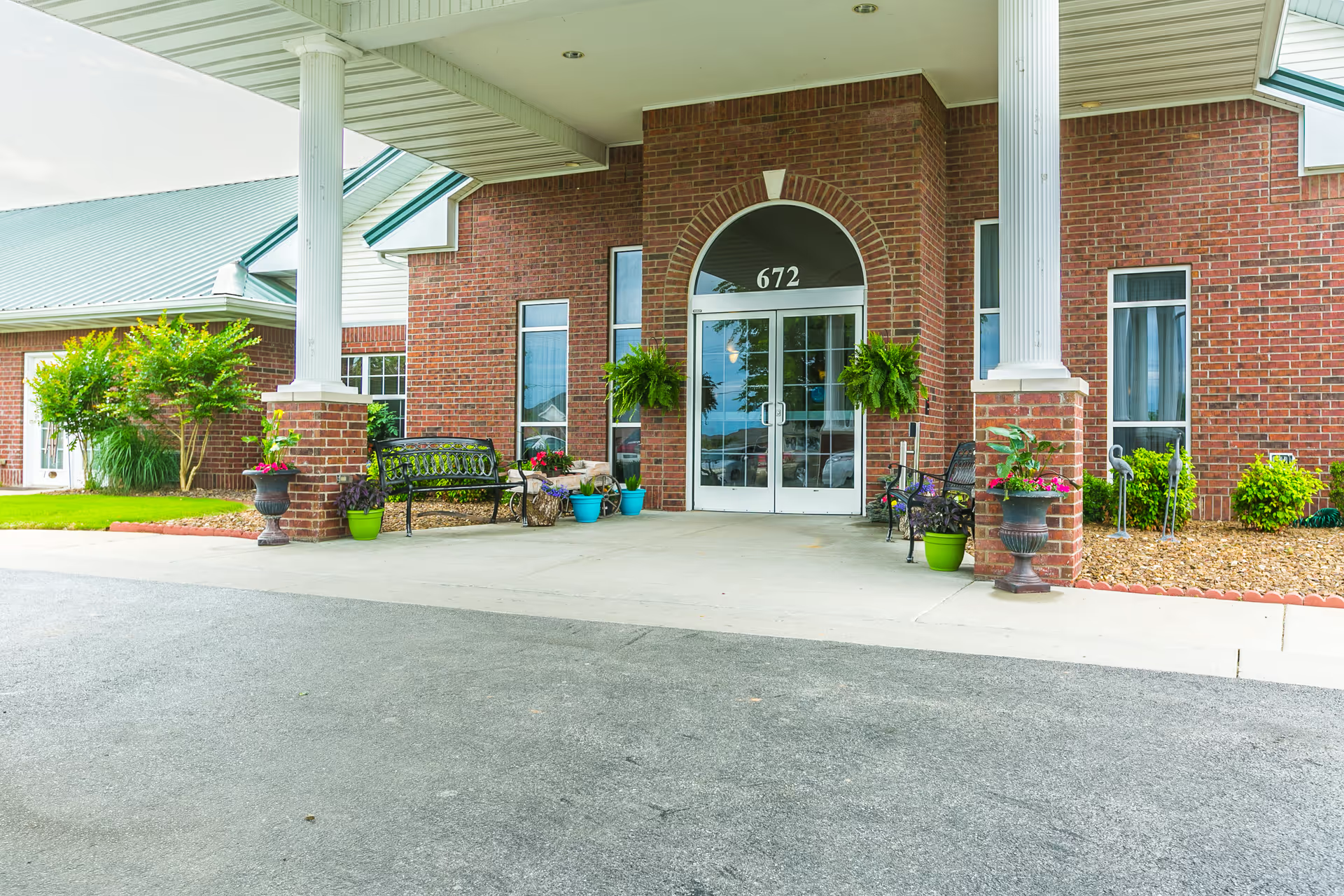
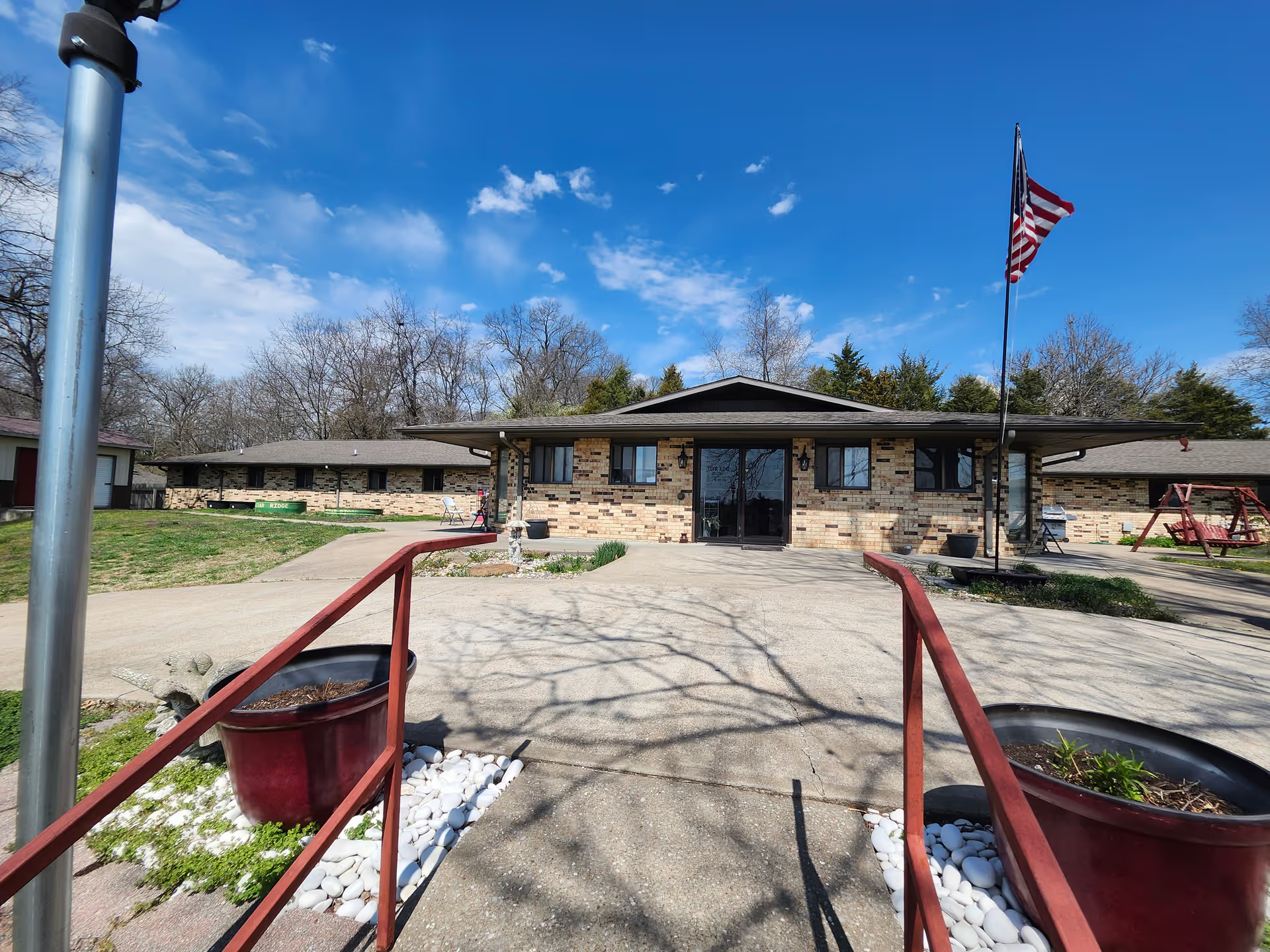
Promenade Health and Rehabilitation elicits a strongly mixed but patternable set of impressions. The facility is repeatedly praised for its direct-care staff and therapy department: nurses, CNAs, and therapists are described as compassionate, skilled, and rehabilitation-oriented. Numerous accounts cite successful, personalized therapy plans that restored mobility and facilitated return home; individual therapists and therapy leadership receive frequent positive mention. The facility’s physical environment—bright, attractive, and generally well-maintained—along with private rooms and a family-like atmosphere, contributes to a positive residential and short-term rehab experience for many residents and families.
Clinical care strengths concentrate in hands-on caregiving and therapy services. Reviewers commonly describe attentive CNAs and motivated therapists who provide encouragement and measurable progress. Families and residents often highlight proactive discharge planning and coordination between therapy and nursing. At the same time, there are recurring operational concerns that correlate with those positives: staff are frequently characterized as hardworking but stretched thin. Several accounts indicate inconsistent staffing levels and high turnover that can degrade continuity of care, produce delays in assistance (including call-button response), and limit availability of routine services such as showers or timely repositioning.
Dining and activity offerings are generally noted as positive: a variety of meals, regular activities, and amenities such as readily available frozen yogurt are highlighted. However, the facility shows variability in meal-service reliability and food temperature; some families describe delayed meal service or food arriving not warm. Activities and engagement appear consistent and well-received where staffing permits.
Management and administrative practices are a major axis of divergence between positive and negative experiences. Some families commend supportive front-desk and administrative staff, while others raise serious concerns about leadership actions, payroll and billing errors, and policies perceived as financially burdensome (including an upfront payment structure that some found coercive). Operational effects attributed to for-profit pressures are described by some reviewers as contributing to staffing decisions and resource allocation.
Safety- and quality-related issues are present as isolated but important themes: allegations include medication-management problems and at least one serious medication-related concern, delays in clinical responsiveness, and infection-control challenges during periods of staff and resident illness. There are also mentions of sanitation and occasional odor concerns in specific situations. These items suggest gaps in clinical-safety processes and infection-control procedures rather than broad, uniform failure across the facility, but they are weighty enough that prospective families should inquire explicitly about them.
Taken together, the pattern is one of strong frontline caregiving and an effective therapy program operating within a facility that can be attractive and welcoming, but with variability tied to staffing, management practices, and operational controls. Prospective residents and families should weigh the consistently strong therapy and hands-on staff support against the documented variability in staffing continuity, meal-service reliability, billing practices, and clinical-safety controls. Recommended due diligence includes asking for current staffing ratios, medication-safety protocols, infection-control practices, meal-service schedules, and clear explanations of payment and refund policies before placement.