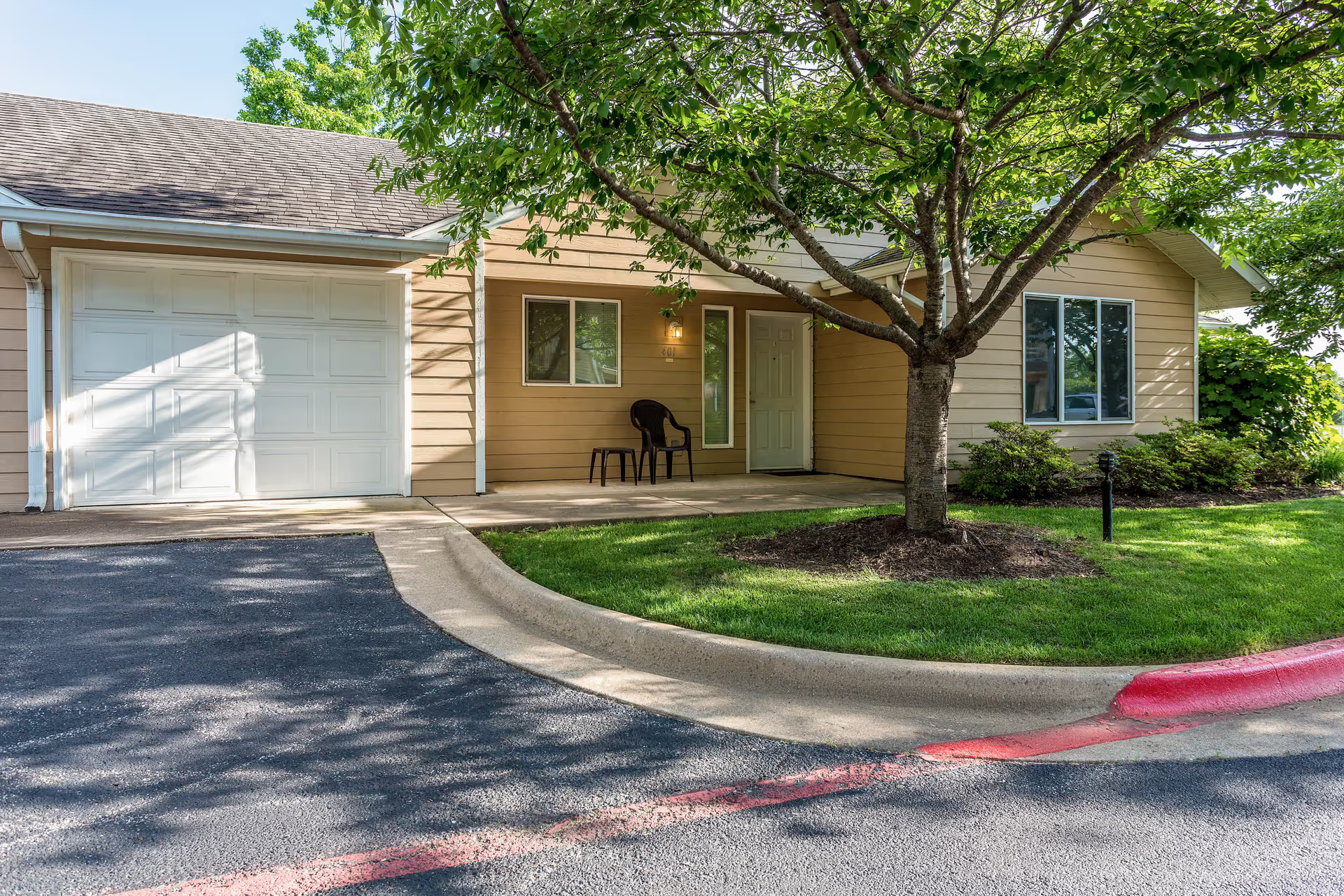
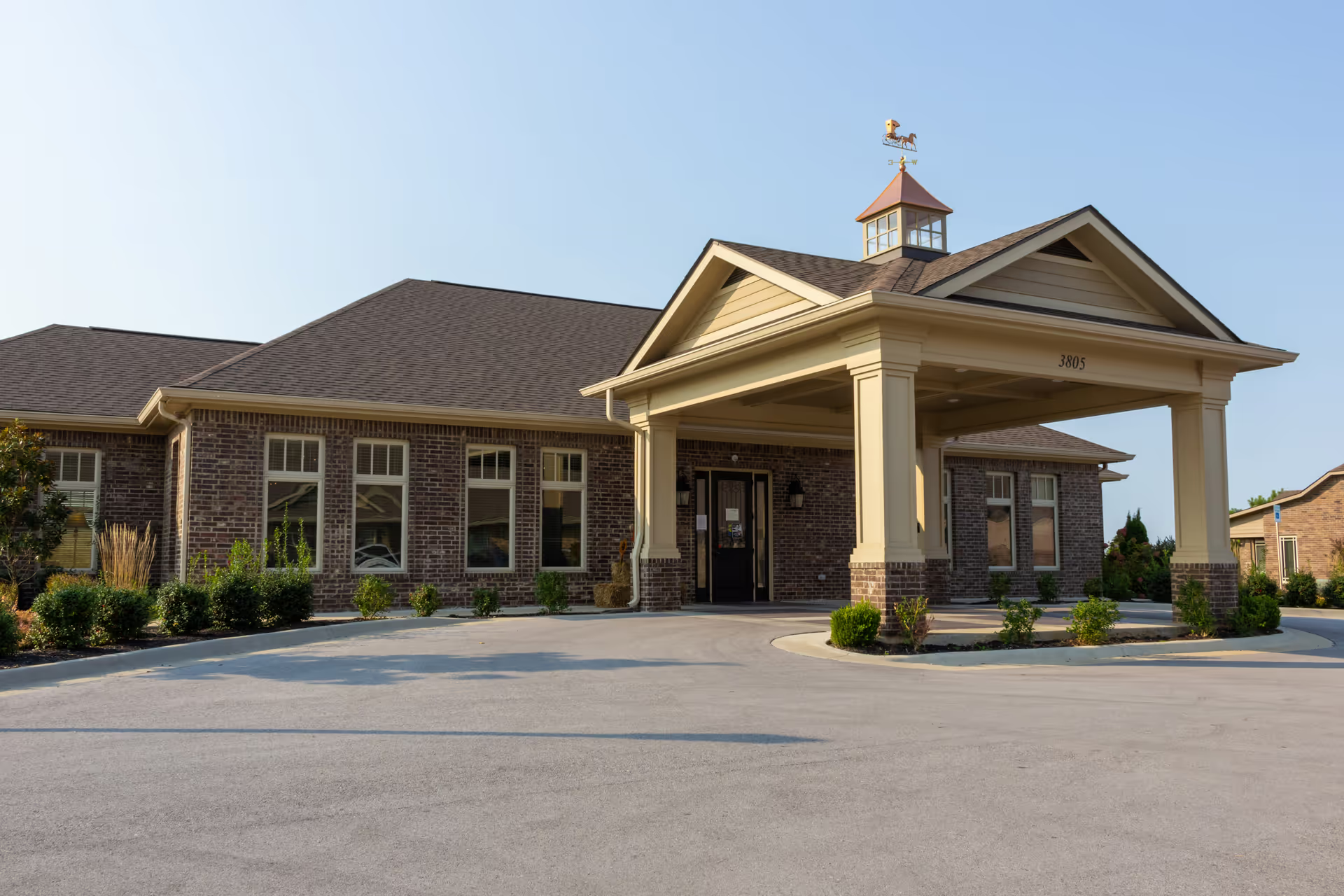
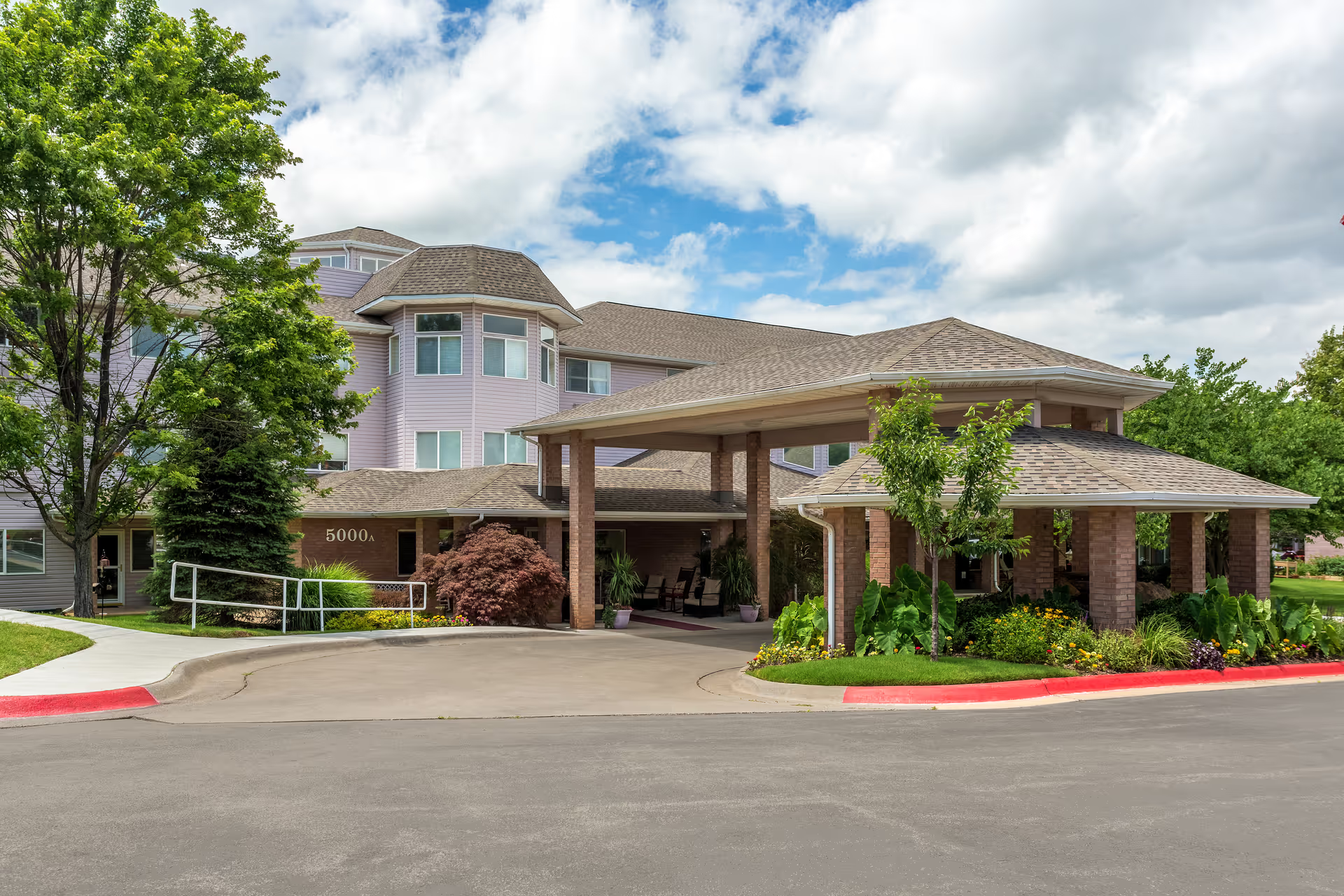
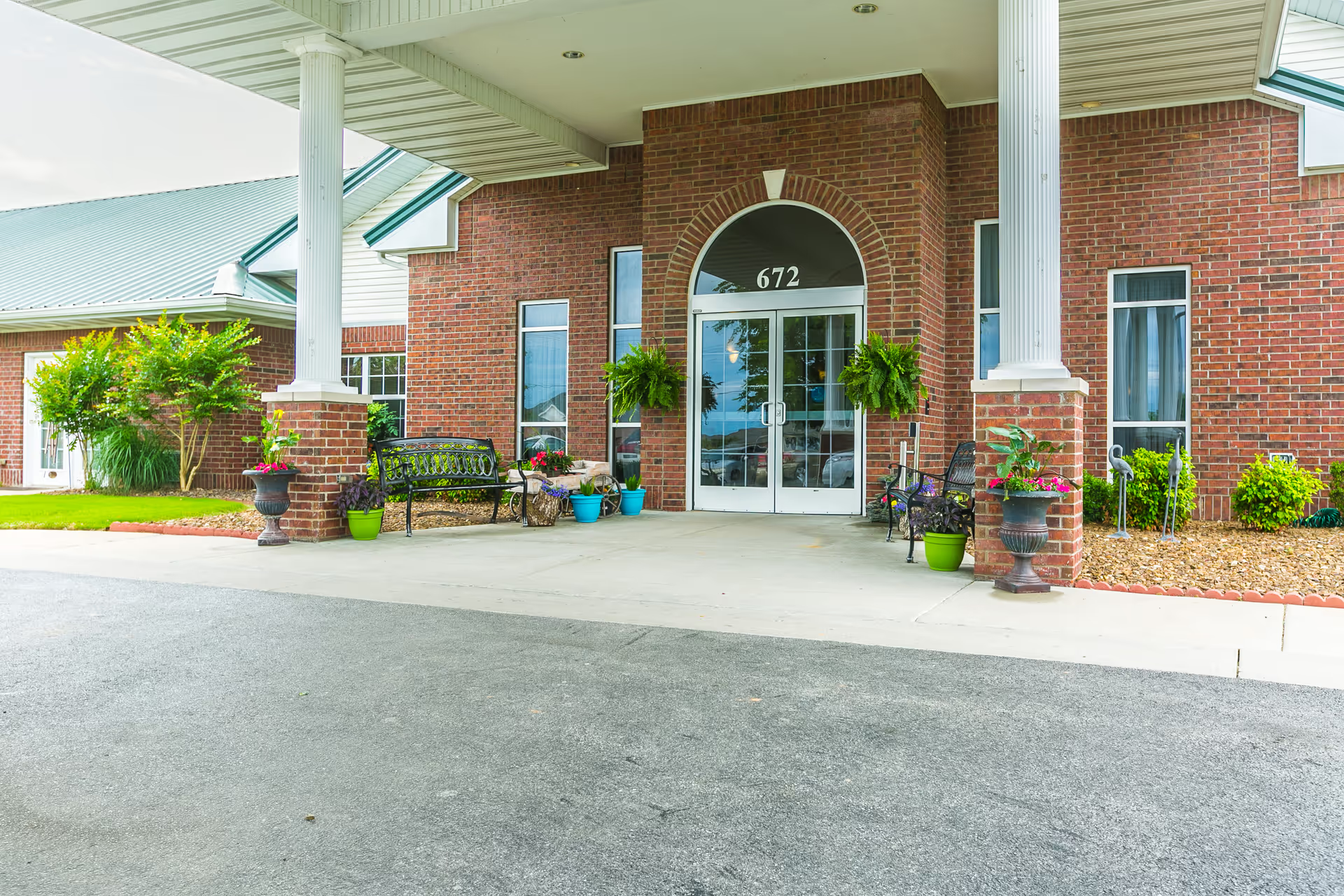
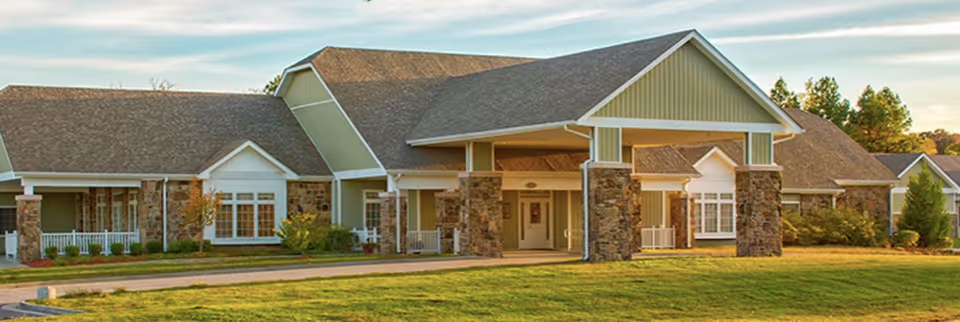
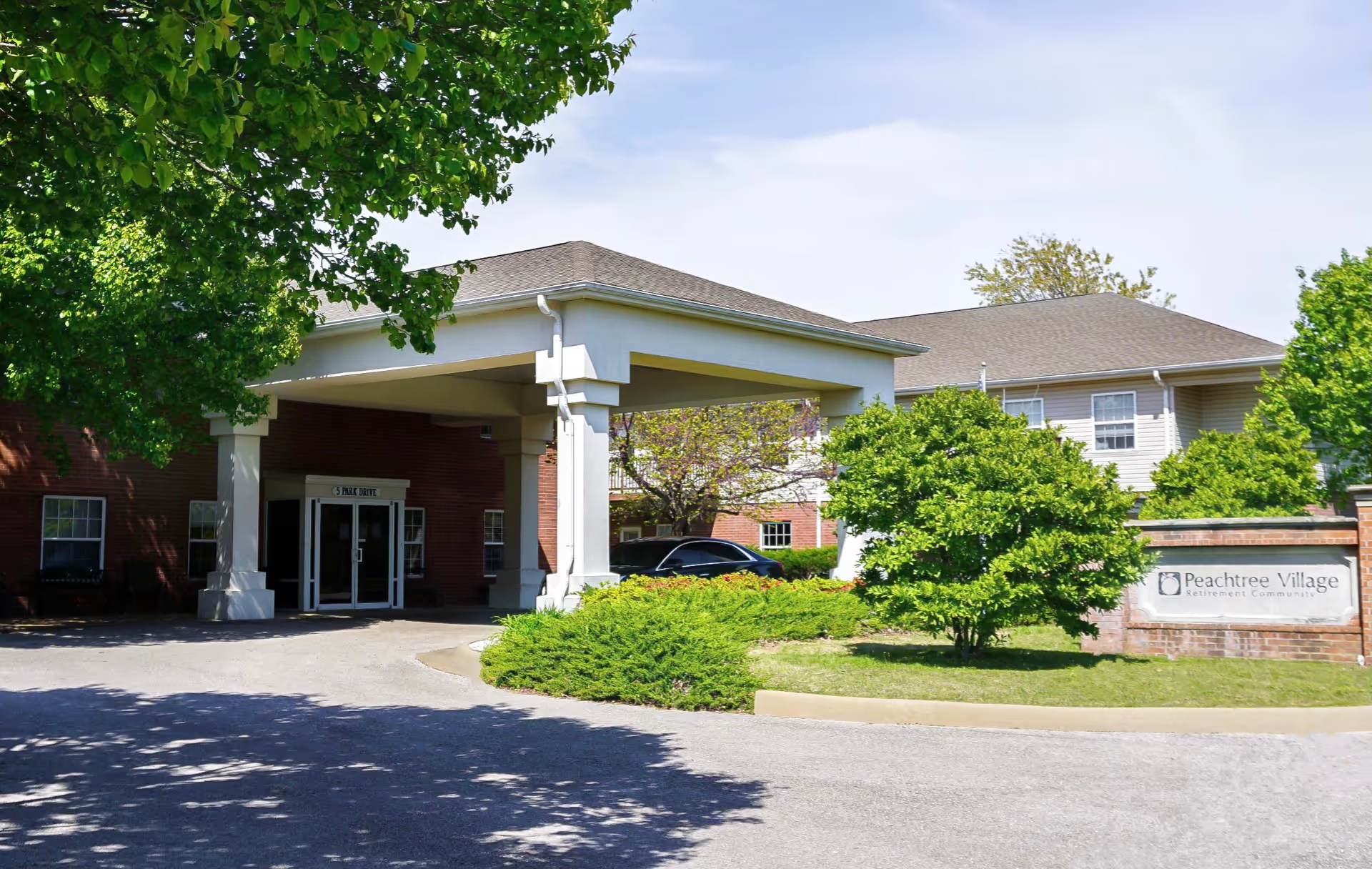
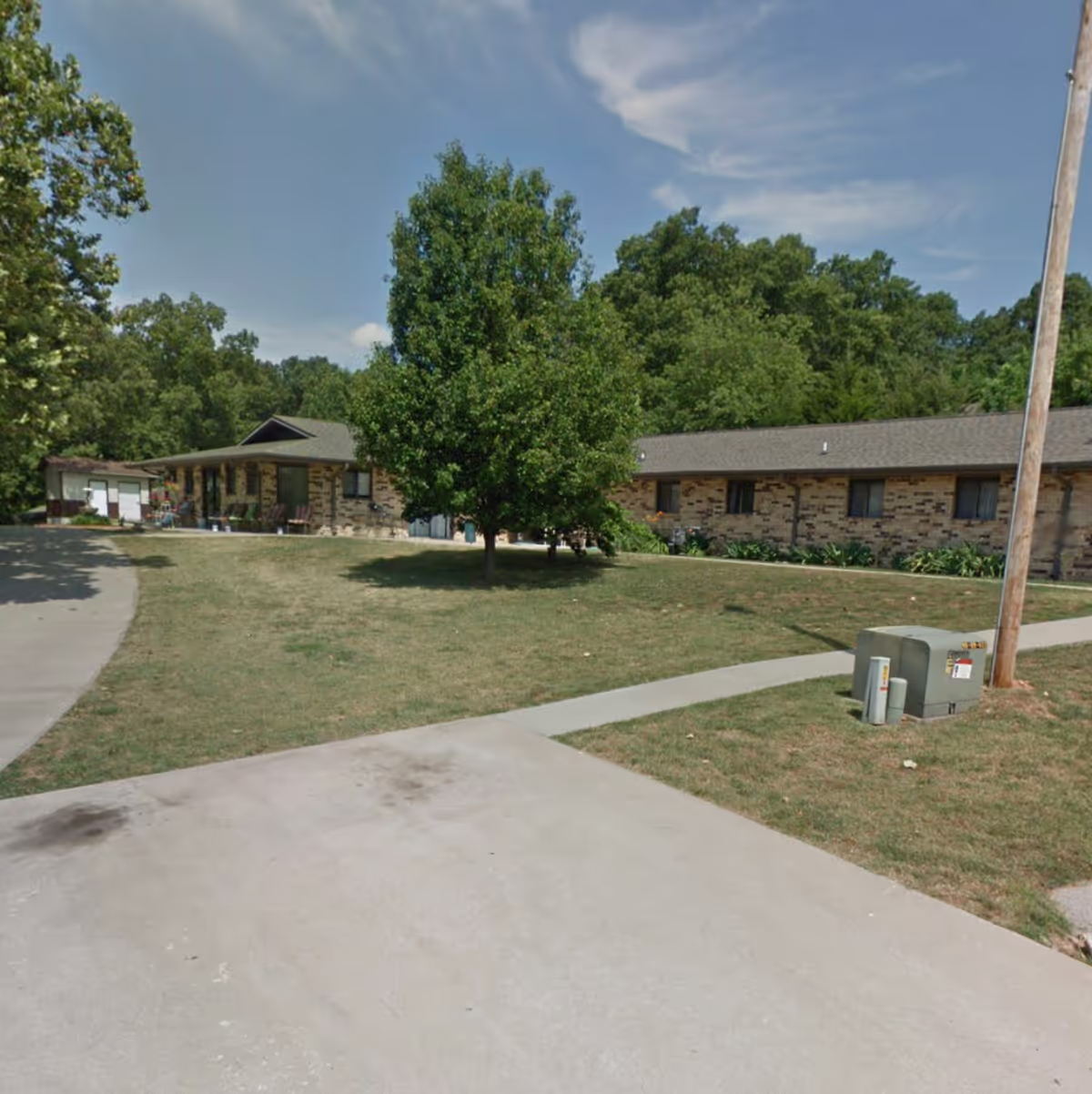
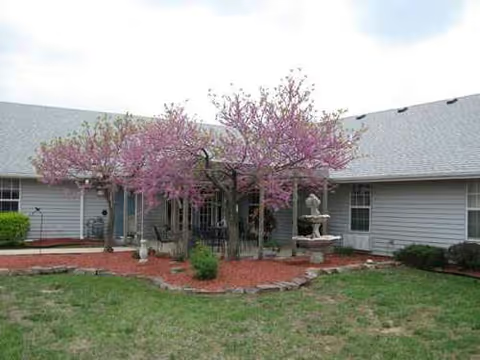
Overall impression: Village on the Park Rogers presents as a well‑maintained, newer senior living community with extensive amenities and a strong emphasis on resident comfort and social engagement. Many families highlight the facility’s cleanliness, attractive common areas (movie theater, salon, courtyards, library, fireplaces), and a resort‑like atmosphere. Cottages and larger units are noted for generous square footage and full kitchens, while apartments are described as smaller but clean and well arranged. The community is pet friendly and offers visible safety features consistent with a gated environment.
Care and staff: The staff and leadership receive consistently positive remarks for attentiveness, compassion, and resident-focused behaviors. Reviewers commonly cite knowledgeable nurses, on-site day and night nursing coverage on the memory-care wing, hospice coordination, and accessible directors who engage with families. Activity staff—particularly the full‑time memory-care activity director—are praised for planning varied, resident‑centered programming. At the same time, reviewers point to staffing challenges in some operational areas: turnover and shortages in housekeeping and kitchen teams are recurring themes that have affected routine services for some residents.
Dining and clinical services: Dining is a central feature of the community, with table service, a dedicated chef, fresh‑food offerings, and options for room delivery. Many reviewers commend the food quality and presentation and note chef interaction. However, a number of families also describe inconsistent meal quality and occasional disruptions in meal service tied to staffing; additional fees for certain assistance and medication dispensing were noted as an ongoing cost consideration. Clinical supports such as on-site therapy, visiting physicians, and good communication about clinical plans are strengths, but a small number of reviewers described instances where clinical staffing or training concerns prompted emergency transfers, which some families found troubling.
Activities and lifestyle: Activity programming is robust, covering exercise, games, worship services, outings (restaurants, shopping), movie nights, and social events. Memory-care residents appear to benefit from dedicated, planned programming. Some reviewers felt the independent‑living experience is less convenient in poor weather because cottages are separated from core amenities and may require assistance to access meals and events; this creates a practical limitation for residents who expect fully independent access year‑round.
Management and operations: Leadership changes and engaged directors are frequently mentioned in a positive light, and maintenance staff receive praise when responsive. At the same time, several comments reference coordination difficulties with corporate support and occasional maintenance follow‑through. Front‑desk interactions vary across experiences, with reports ranging from professional and helpful to curt or inconsistent communication about access and visitor procedures. Availability of units is sometimes constrained, and the community commands a premium price relative to other local options.
Notable patterns for decision making: The community is well suited for families seeking a clean, amenity‑rich environment with active programming and strong on-site clinical presence, particularly for residents who require memory care or rehabilitation services. Prospective residents should weigh the higher cost and potential for service variability in dining and housekeeping; ask specific questions about staffing levels, fees for medication/assistance, walkability between cottages and common areas in inclement weather, and current vacancy/availability. Touring with a focus on daily routines (meal times, assistance processes, and access to amenities) will help determine fit for either independent or assisted living needs.