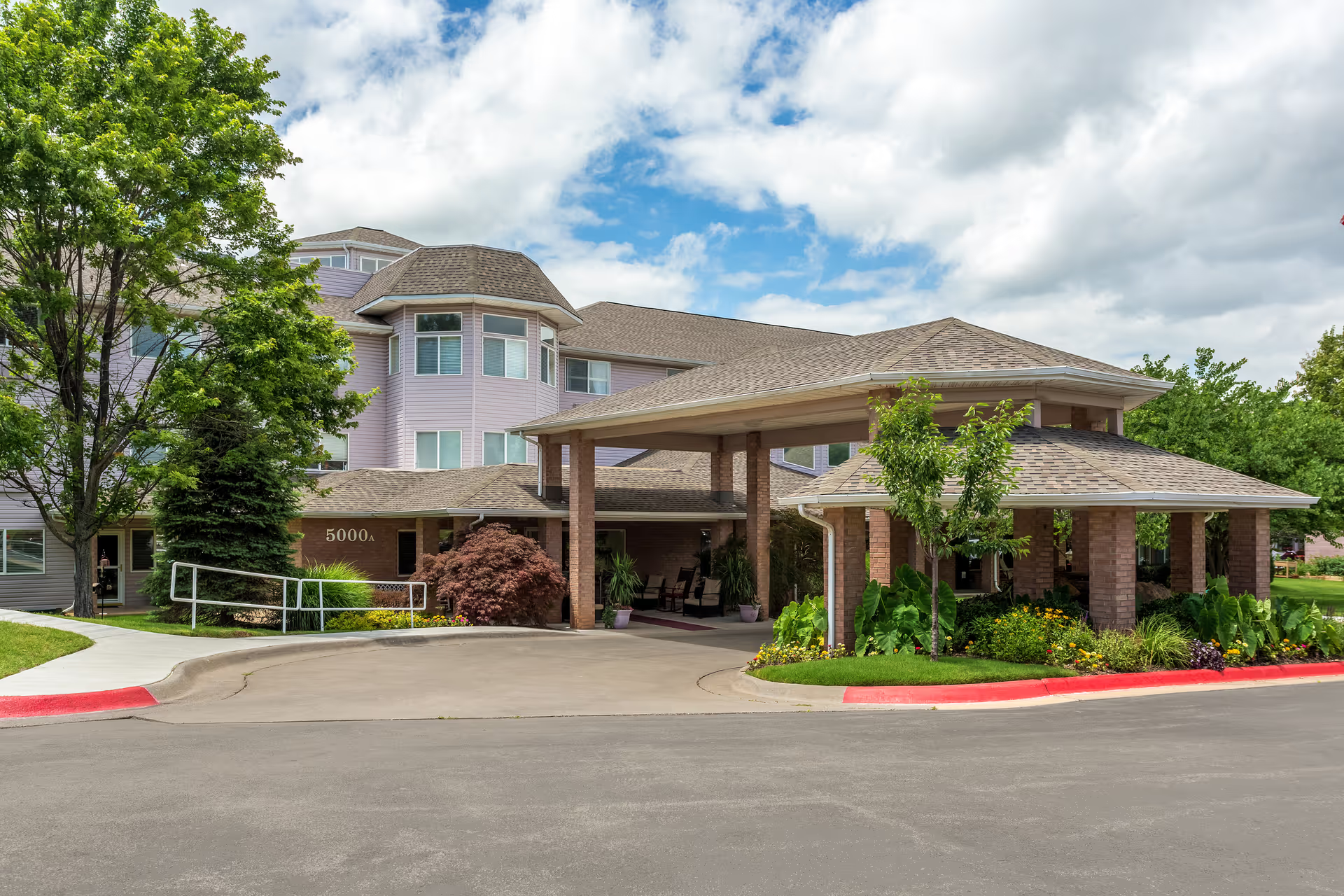
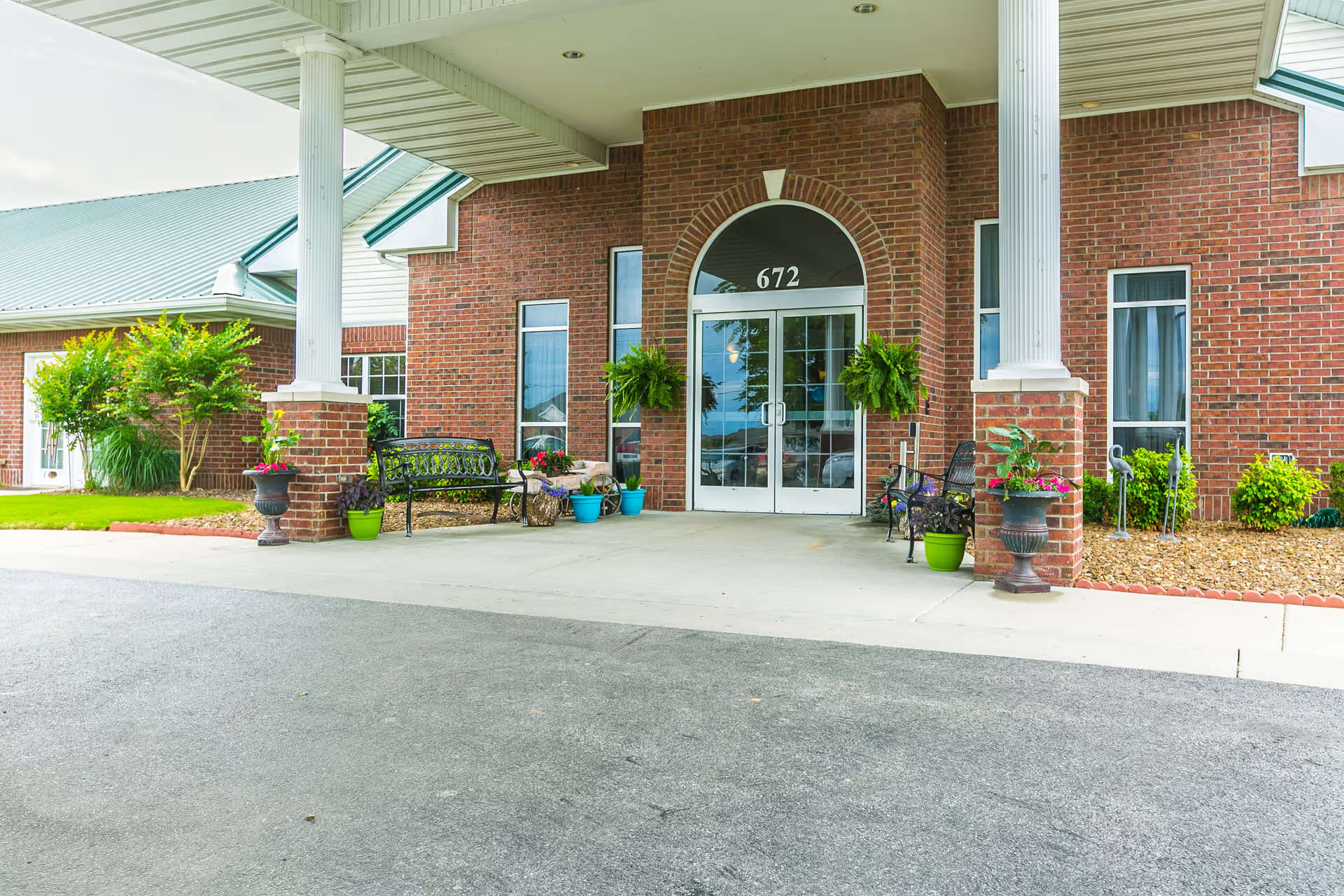
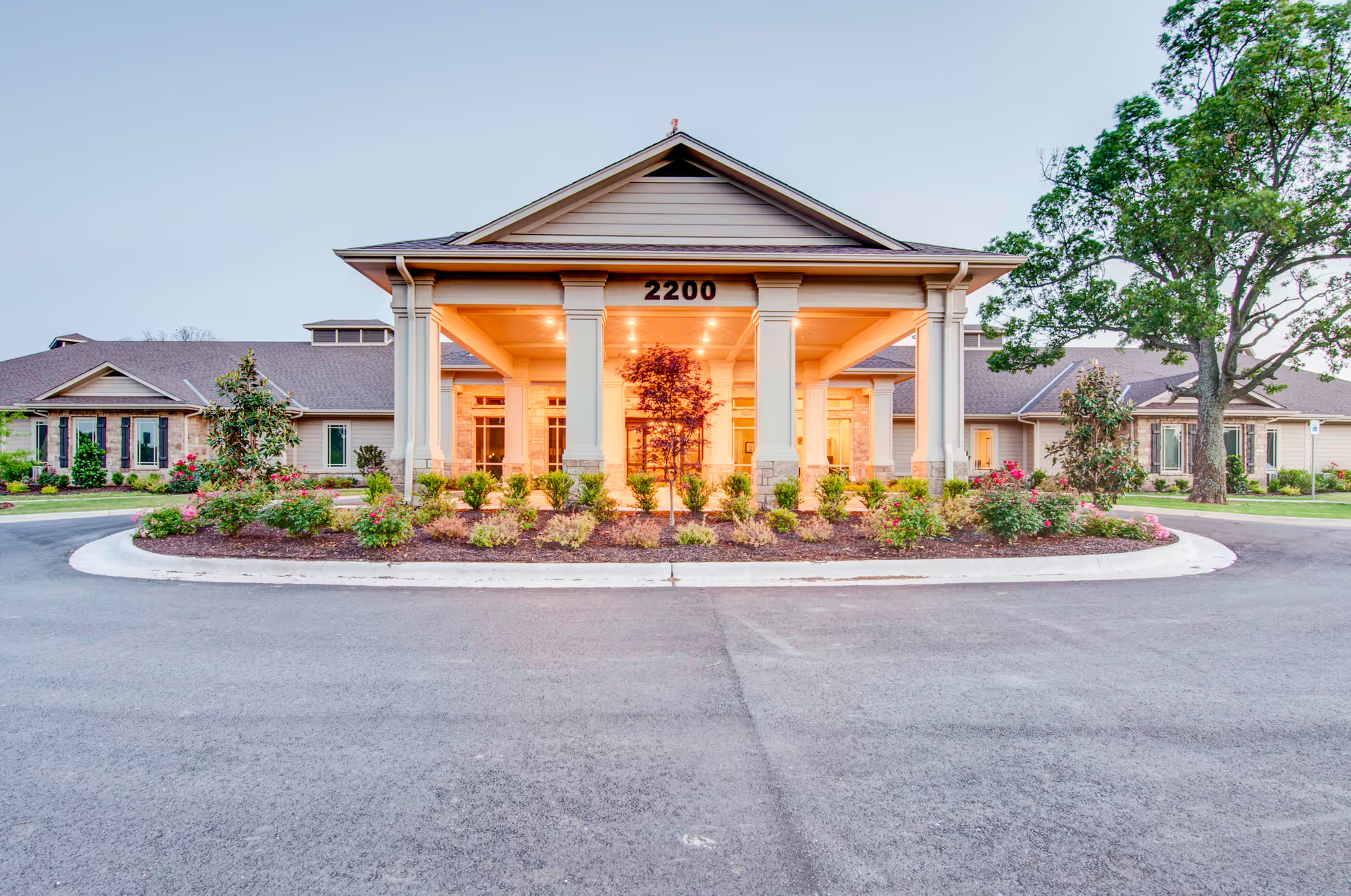
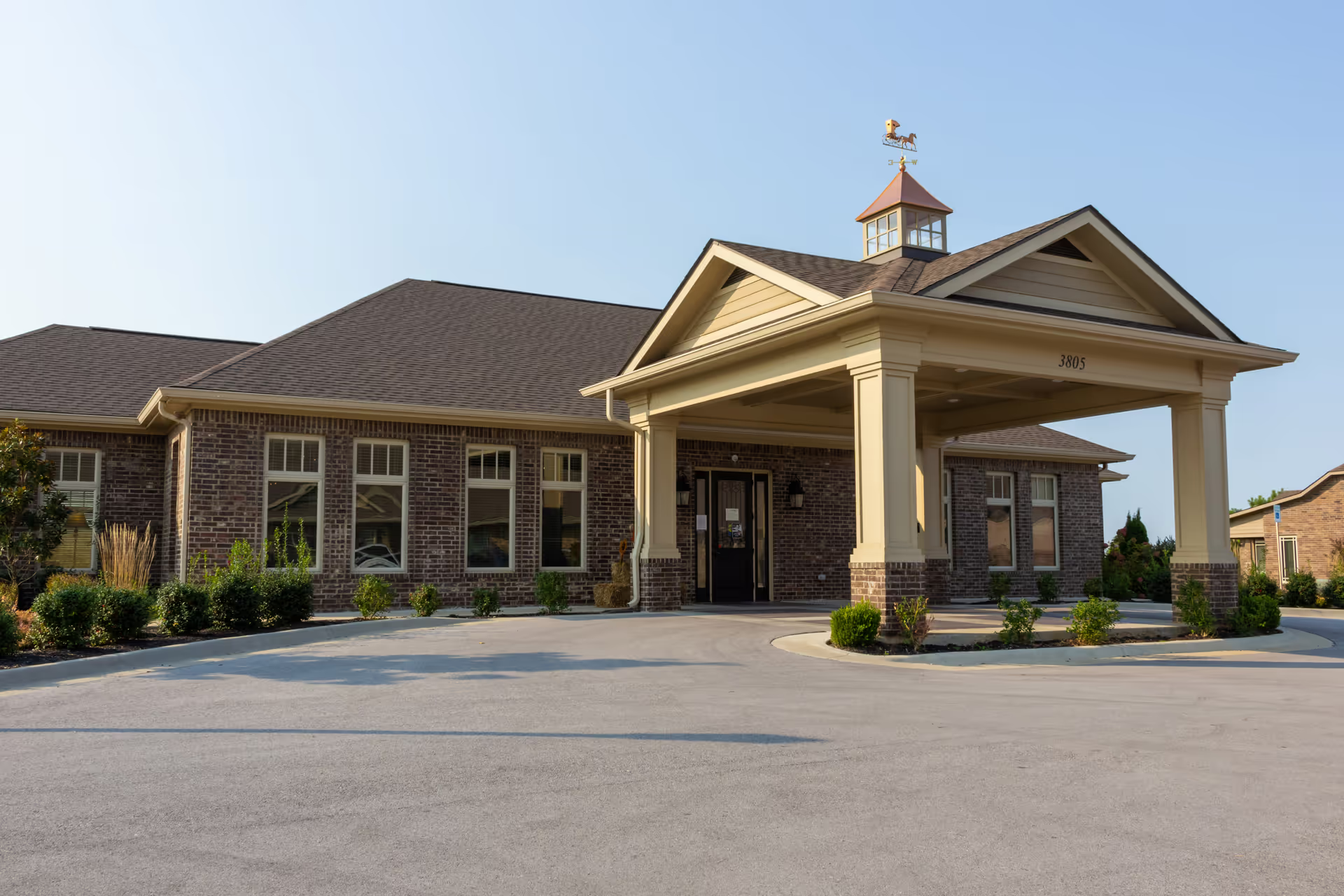
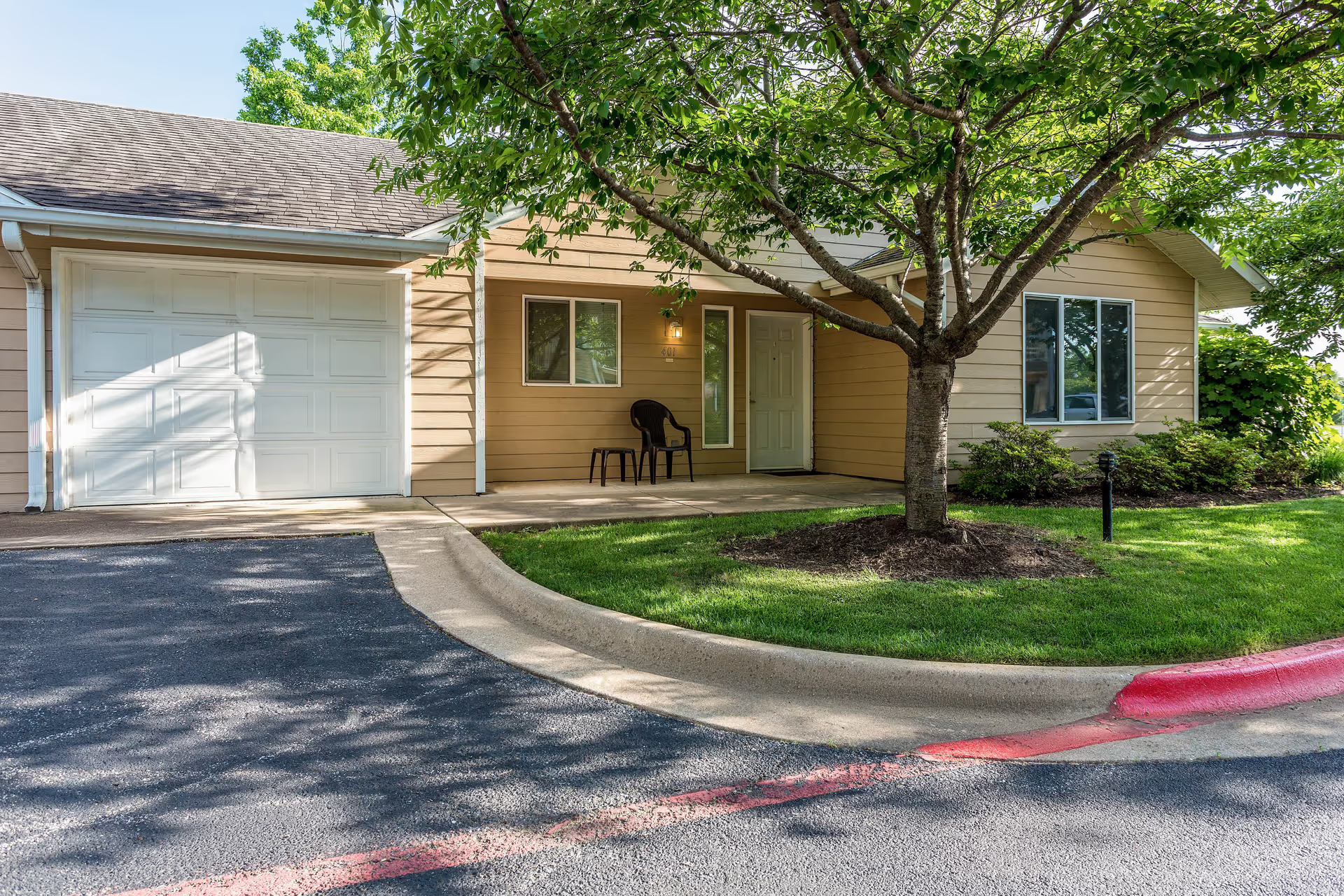
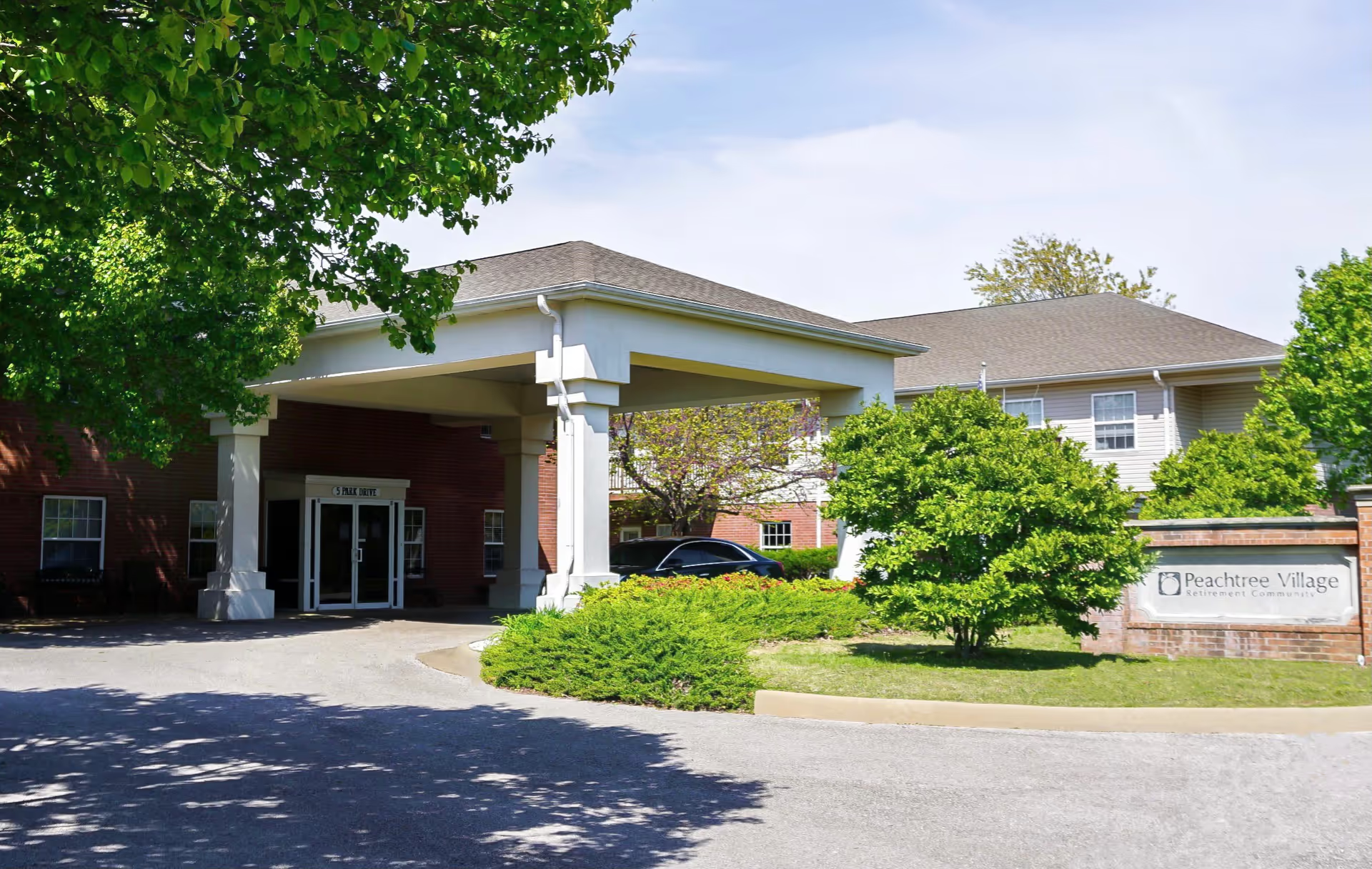
Reviews of The Maples at Har‑Ber Meadows present a mixed but distinct pattern: many families and former residents praise the facility’s rehabilitative capabilities, cleanliness of communal spaces, and a number of staff who provide warm, attentive care; at the same time several substantive operational concerns recur across reviews. Prospective residents commonly experience effective short‑term rehabilitation, engaged therapy teams, active social programming, and a generally pleasant atmosphere with large common areas and competent housekeeping and maintenance.
Care quality descriptions vary. Numerous accounts highlight successful rehabilitation outcomes, proactive therapists, and direct‑care staff who develop personal relationships with residents. Conversely, other accounts document delays in responding to changes in clinical status, concerns about medication administration timing, and observations that clinical escalation to physicians or higher‑level care has sometimes been slow or inconsistent. There are also isolated references to pressure‑injury and infection‑related concerns; reviewers described follow‑up actions including grievances and regulatory involvement in specific cases. These indicate that clinical oversight and incident‑response processes are areas families should review closely during a tour.
Staffing and staff behavior are described unevenly. Many reviewers praise compassionate CNAs, nurses, and admissions personnel (some by name) and note that staff remember residents and work hard to support families. However, multiple reviewers also describe inconsistent professionalism, use of personal devices while on duty, and periods of insufficient staffing that lead to delays in assistance for toileting, bathing, or mobility. Therapy quality and staff responsiveness appear to vary by shift and by individual providers rather than by unit‑wide consistency.
Dining, activities, and facilities likewise show mixed signals. The facility’s programming, games, events, and communal spaces receive positive comments; residents are described as engaged and comfortable in the environment. Meal quality is described inconsistently — several reviewers found food acceptable, while others noted limited choices, low fruit availability, and occasions when families supplemented meals. Facility maintenance is generally viewed positively, but some reviewers raised sanitation and pest‑control concerns and mentioned worn or inadequate mattresses and shower equipment that suggest uneven capital‑maintenance priorities.
Management and administrative practices are another area of divergence. Many reviewers commend helpful, professional admissions and office staff; others report poor communication, defensive responses to concerns, delays in paperwork, and variability in enforcing visitation or end‑of‑life arrangements. These patterns point to opportunities for clearer family communication, stronger complaint resolution protocols, and consistent administrative follow‑through.
Notable patterns for a prospective resident or family to evaluate in person include staffing ratios and coverage across shifts, medication‑administration and escalation procedures, infection‑control and pest‑management practices, mattress and equipment replacement policies, dining menus and accommodations, and the facility’s process for handling grievances and end‑of‑life transitions. A focused tour and direct questions about these operational areas will help assess whether the facility’s strengths align with an individual’s care needs and expectations.