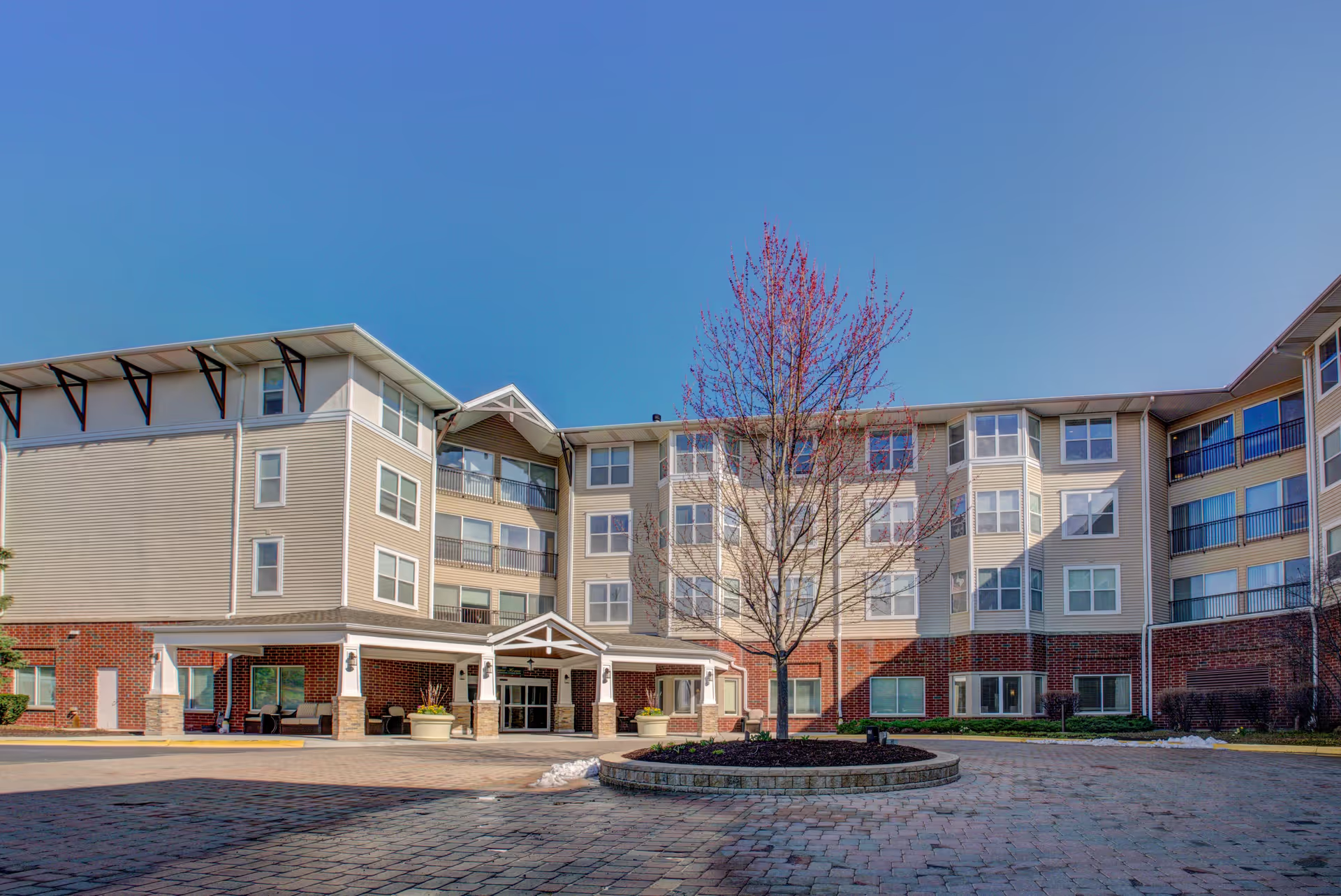
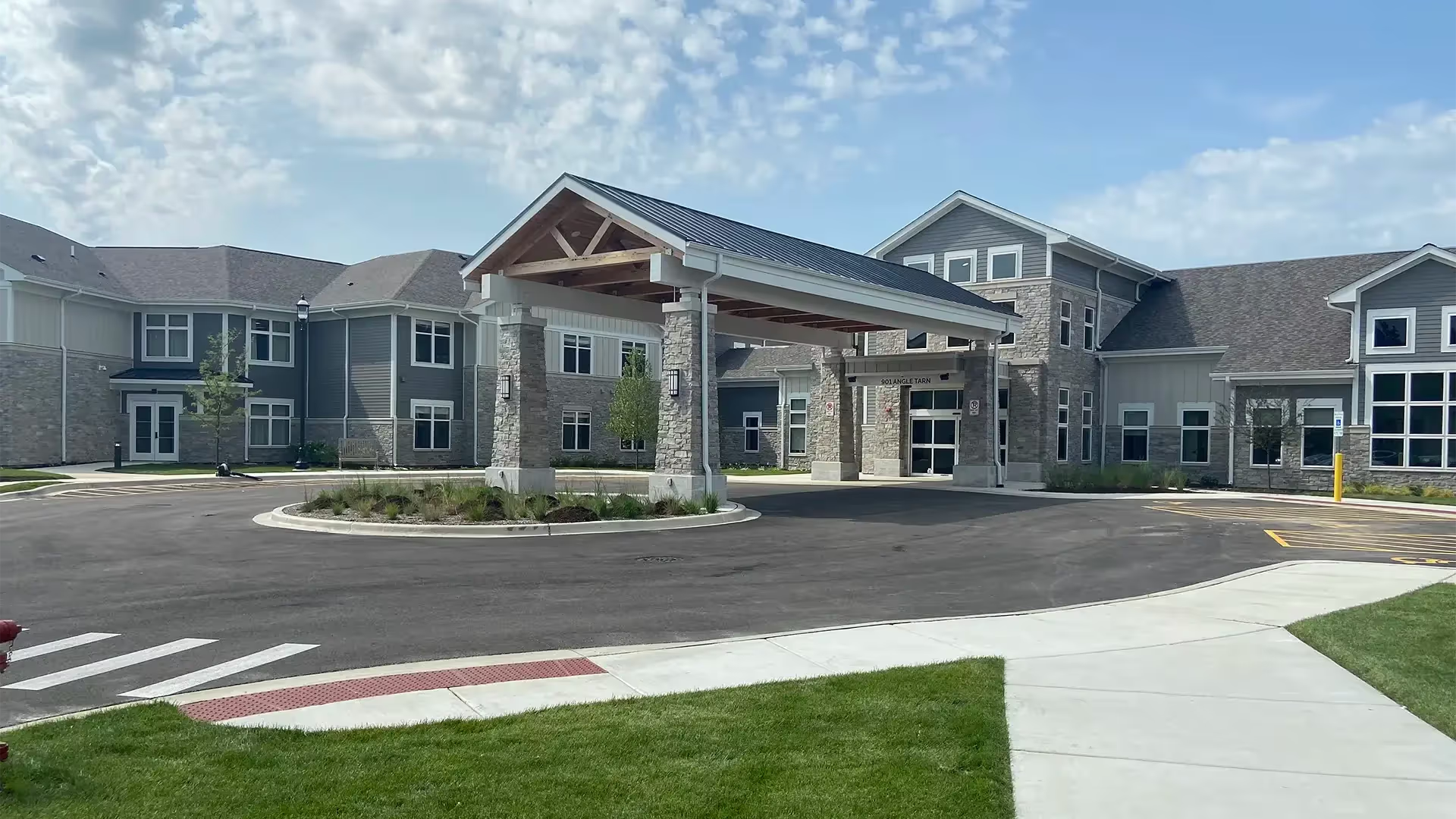
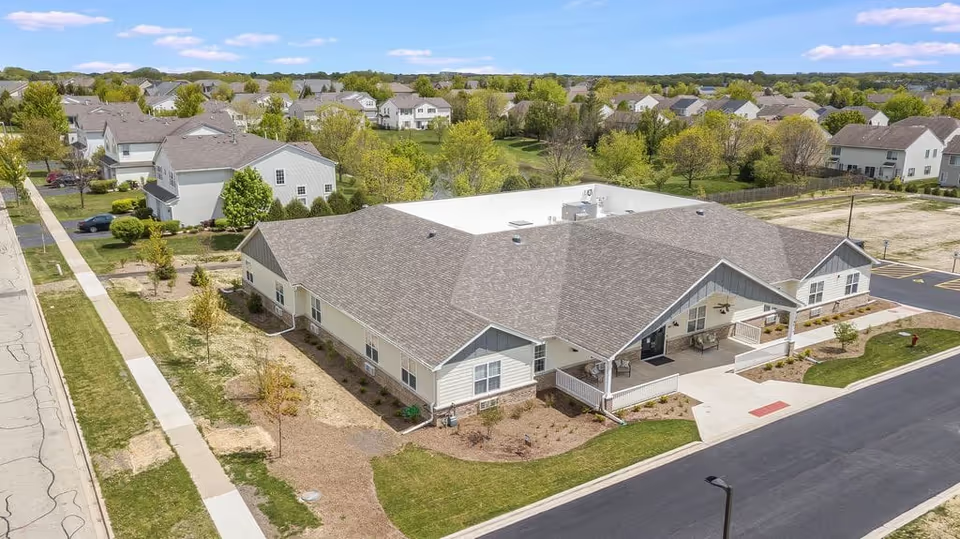
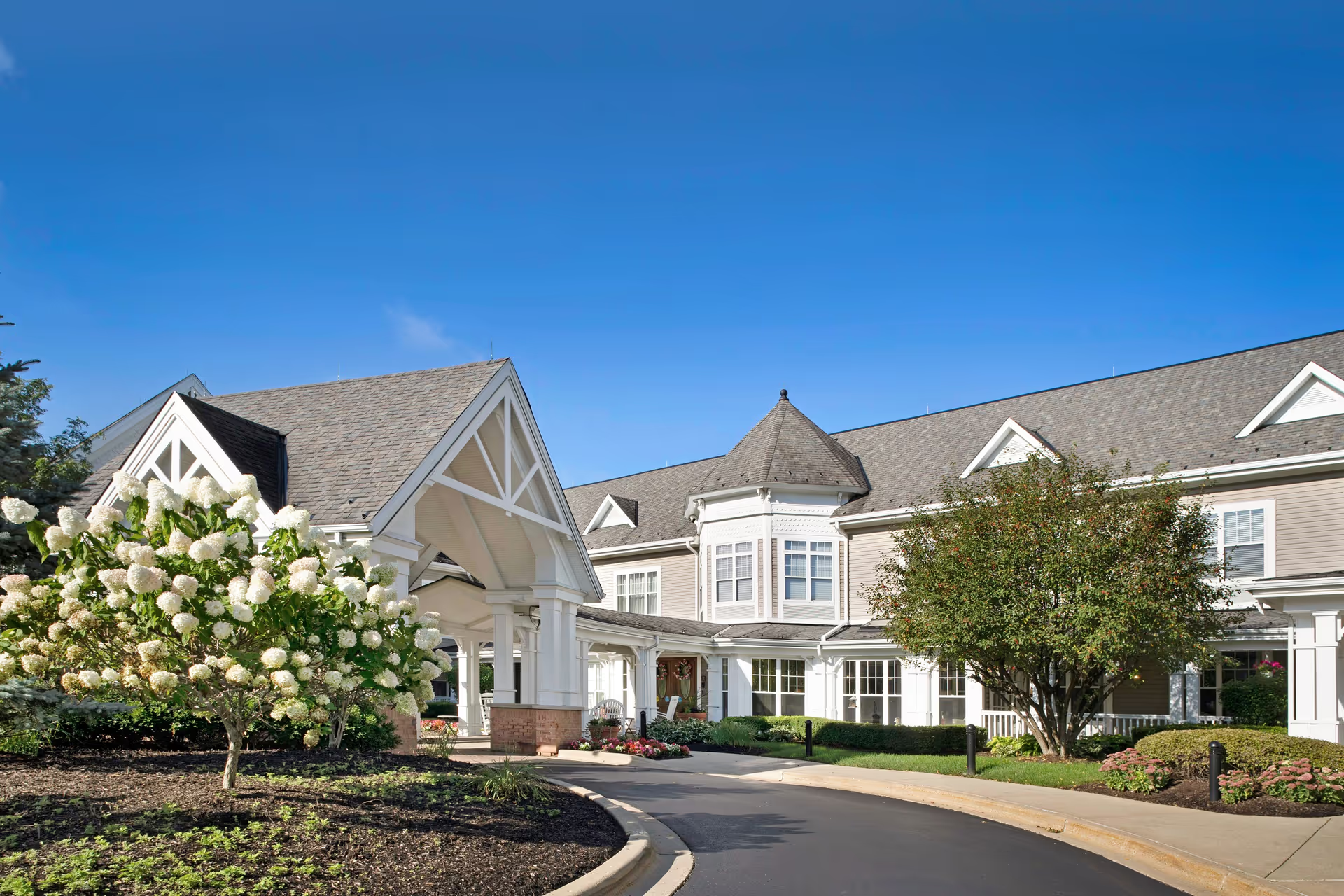
The Pointe at Eastgate elicits strongly mixed impressions. Many families highlight strengths in direct caregiving and day-to-day resident life: staff are frequently described as compassionate, professional, and helpful, and multiple accounts praise the community's cleanliness, routine housekeeping, and complimentary laundry. Reviewers note a varied dining program with alternatives and low-salt options, on-site amenities such as a salon, library, and activity spaces, and an active calendar that can include field trips and crafts. Several families experienced a smooth move-in process and welcomed the community's infection-control practices during the pandemic. Medicaid acceptance and routine safety checks were also listed as positive features.
Care quality and clinical oversight present a mixed picture. While many families praised attentive caregivers and felt confident in day-to-day support, other comments raise concerns about clinical processes—particularly medication administration and insulin management—and limited clinical coverage overnight. These issues suggest variability in the facility's ability to meet higher-acuity clinical needs consistently. Families with complex medical needs should clarify clinical staffing patterns, medication protocols, and overnight coverage before admission.
Staff and management are a central area of divergence. Numerous reviewers commend front-desk staff, aides, and activity staff for being friendly and supportive; yet there are repeated accounts of inconsistent communication, leadership inaccessibility, and a communication tone that some families found dismissive. Admissions experiences were particularly polarized: some families described patient, informative admissions staff and a smooth financial process, while others described prolonged screening, conflicting information from different staff members, and discouraging or exclusionary screening practices. Prospective residents and families should ask for written admissions criteria and contact points for leadership during touring and decision-making.
Dining and activities are generally strong but variable. The dining program is often described as flavorful, varied, and restaurant-like with alternatives and dietary accommodations; however, some families noted portion-size concerns, dislike of specific meal formats (e.g., buffet), and restrictions on dining-room access that limited their ability to evaluate meals. Activity offerings range from robust (daily programs, outings, crafts, bingo) to limited (one activity per day or activities perceived as not age-appropriate). Transportation capacity and scheduling conflicts have been cited as operational weaknesses that can affect participation in outings.
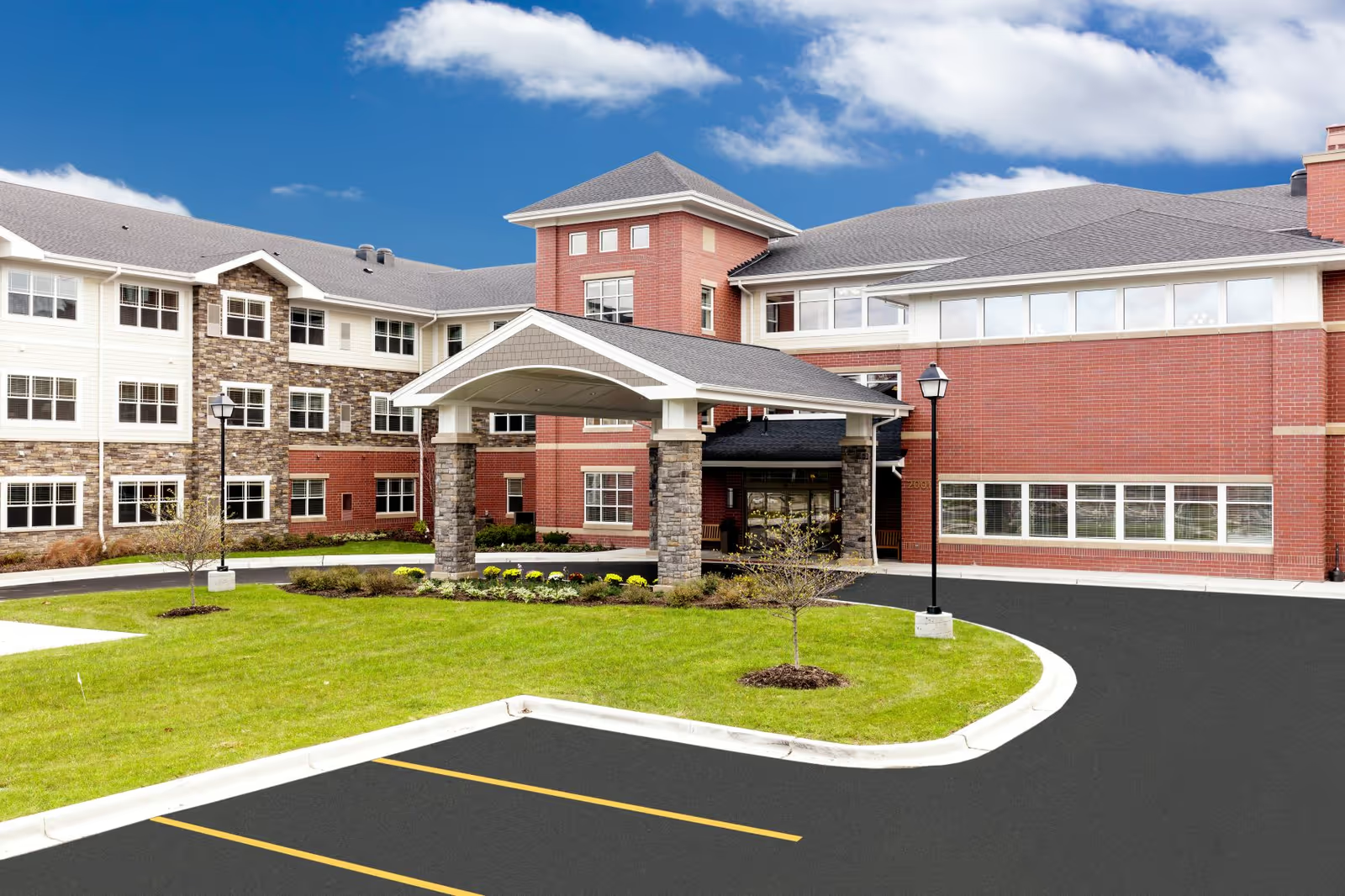
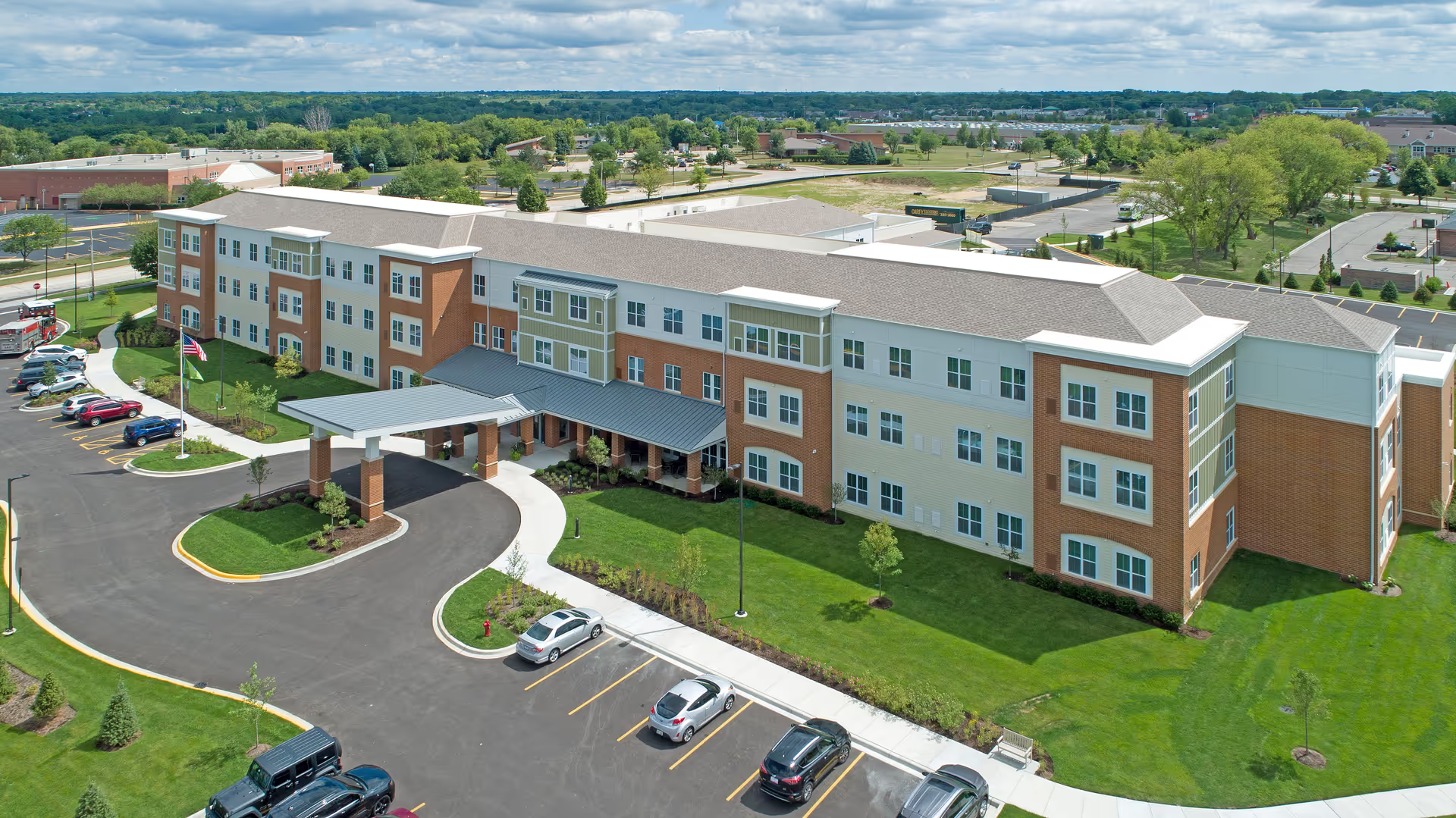
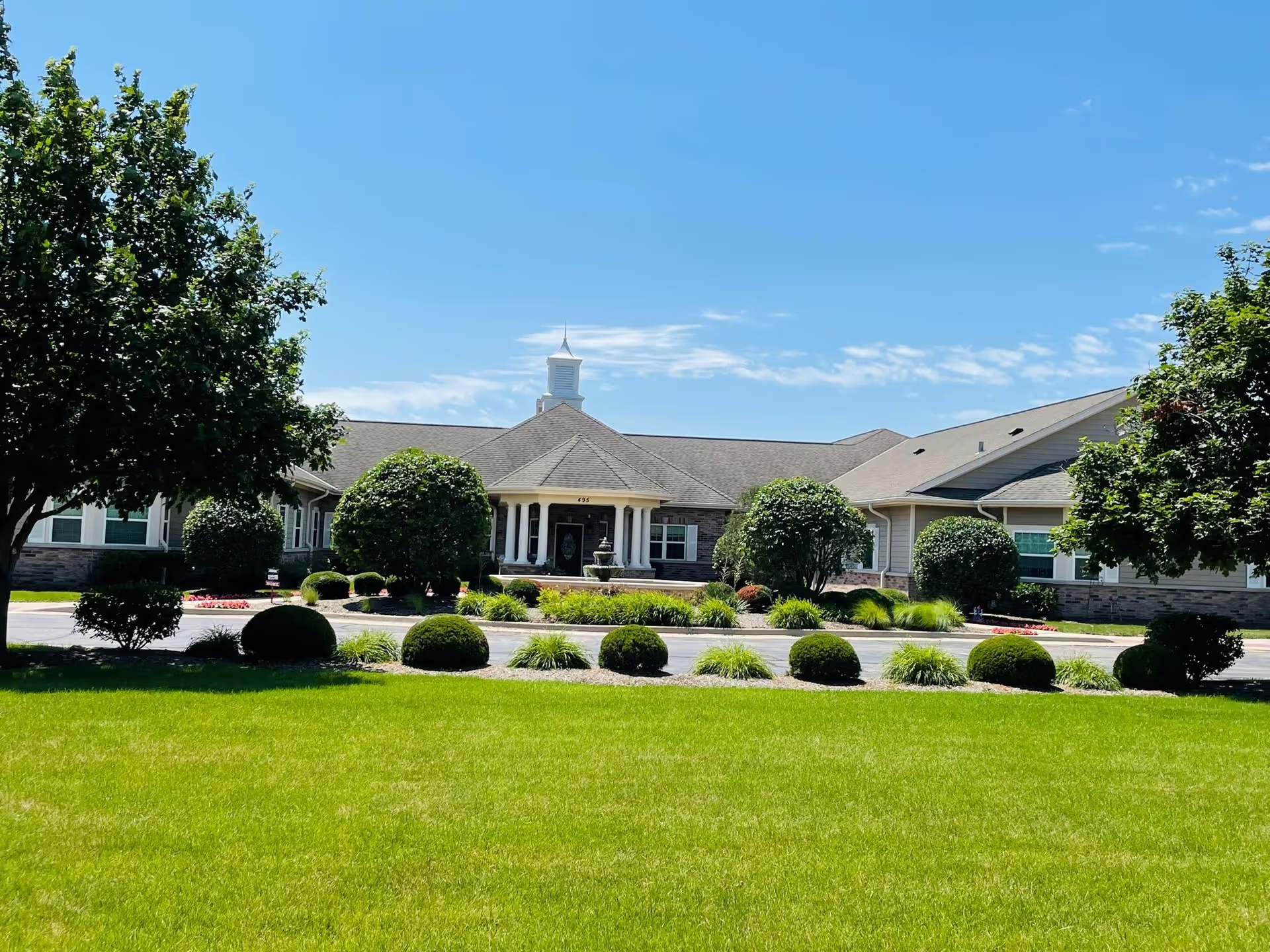
Facilities and safety aspects show both positives and trade-offs. Many reviewers found apartments attractive, the community clean, and common spaces well-appointed. At the same time, there are recurring concerns about small studio or two-room unit sizes, lack of in-room tubs in some units, small sinks, parking-lot and exterior maintenance issues, and occasional unlocked exterior doors—points that affect comfort and perceived security. The community enforces a no-pet policy, which suits some families but is a limitation for others. Cost is another consistent consideration: several families felt pricing was high relative to perceived value.
Overall pattern: The Pointe at Eastgate appears to offer a welcoming, activity-rich environment with strong cleanliness and many staff who provide attentive personal care. However, there is notable variability in admissions communication, clinical oversight, and operational consistency (transportation, activity scheduling, and certain facility maintenance areas). These mixed signals mean that prospective residents should tour multiple times, meet clinical leadership, obtain written admissions and care policies, and confirm overnight clinical coverage and transportation capacity before deciding.