Reviews present a mixed but specific set of strengths and operational concerns. Strengths are concentrated at the frontline: many families describe compassionate, attentive caregivers and a supportive nursing team, along with access to an on-site physician and arranged transportation to medical appointments. Daily life elements such as bingo and daytime programming, acceptable food, and private-pay overnight accommodations were viewed positively by multiple families. Several accounts emphasize effective staff–family communication and active advocacy by powers of attorney.
Clinical care is praised for attentiveness and presence of medical resources, but reviewers also describe variability in staff performance. While some staff are characterized as competent and kind, others are described as uncaring or inconsistent in follow-through. There are operational indicators that point to weaknesses in transfer and care-continuity practices and to infection-control and sanitation processes; these are patterns that families flagged as affecting perceived safety and quality. Where clinical incidents or injuries were mentioned, the underlying concerns centered on response procedures and follow-up communication rather than single isolated comments.
Administrative and management shortcomings emerge repeatedly. Examples include admission coordination failures tied to charting and paperwork, delayed decision-making, unreturned family inquiries, and difficulties navigating Medicaid or payer arrangements that in at least one case shifted costs onto families. Several reviewers criticized leadership and noted inconsistent adherence to facility policies, including infection-control practices during public-health events. These administrative issues appear to contribute to family stress and to create unexpected logistical burdens, such as longer-distance transfers or unanticipated out-of-pocket costs.
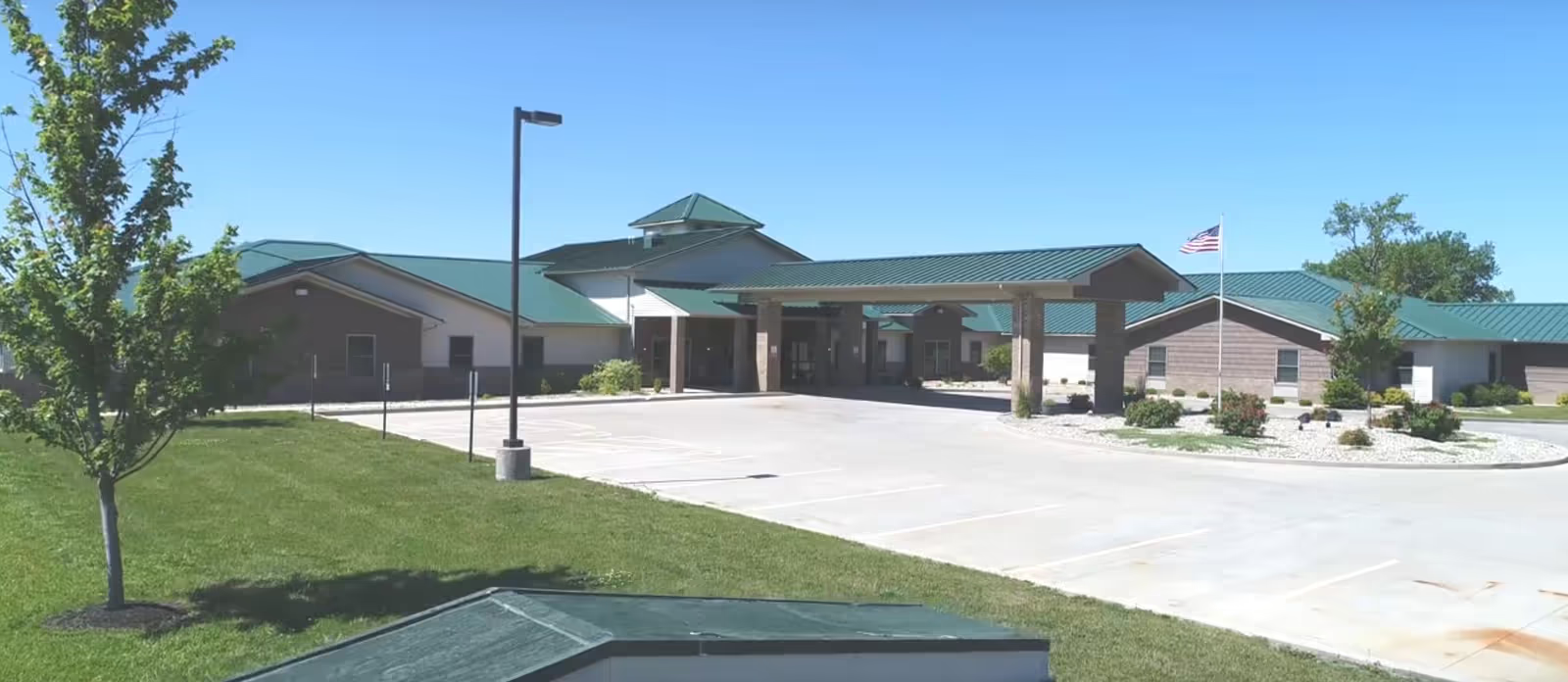
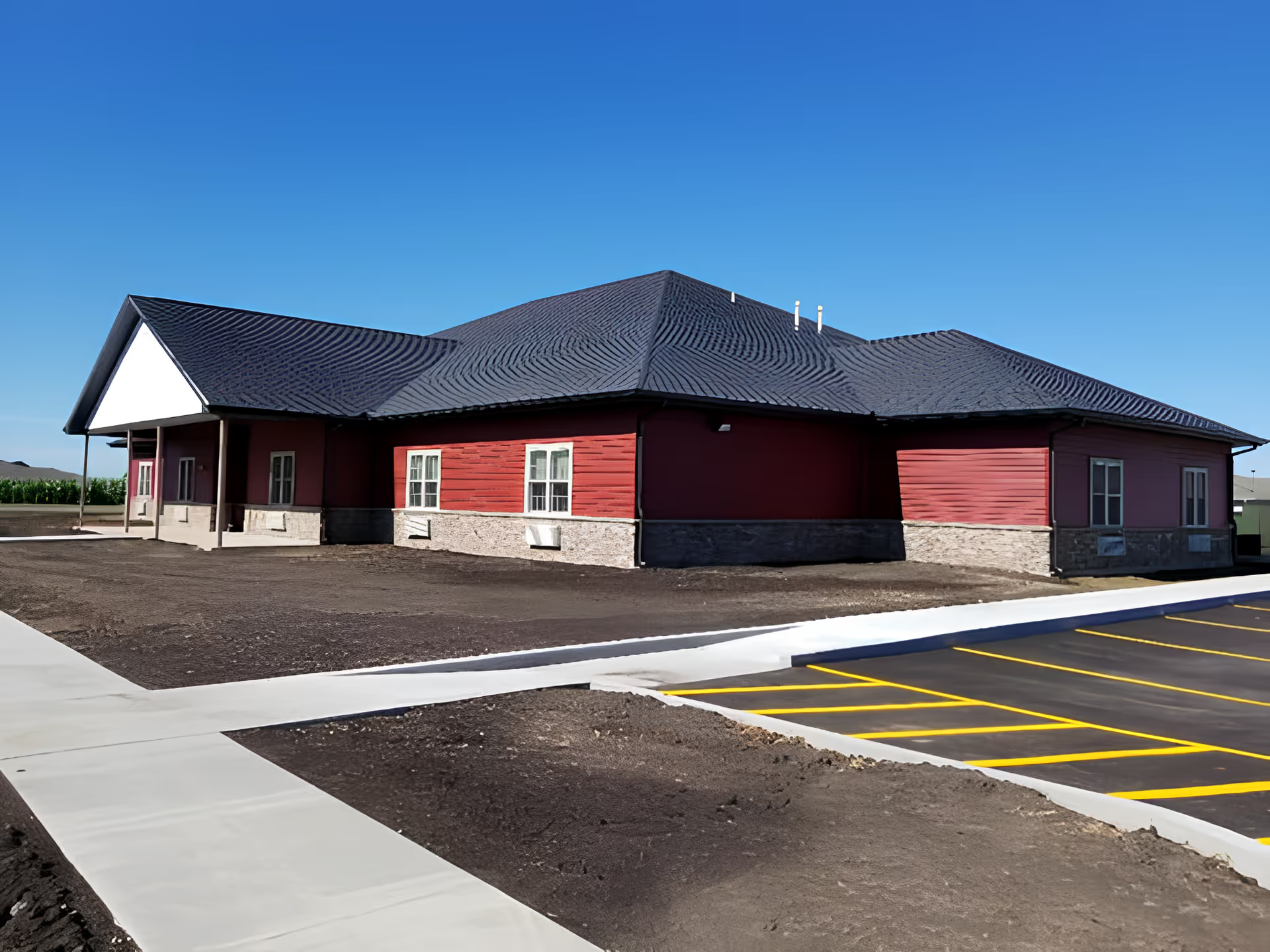
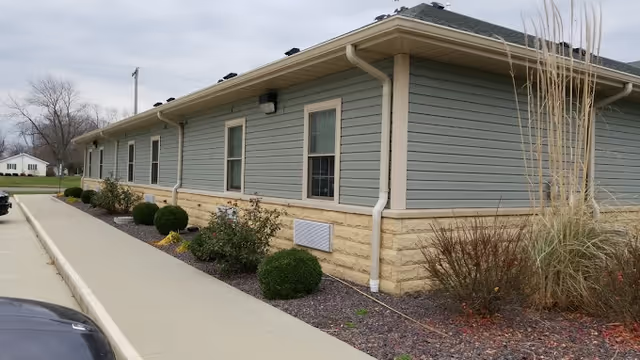
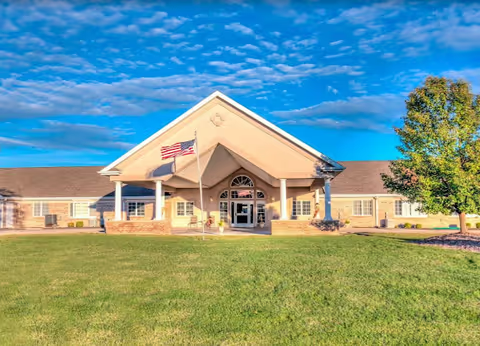
Dining, activities, and facilities create a generally acceptable daily environment for residents: recreational offerings and TV programming provide engagement and food quality was described as satisfactory by visitors. However, sanitation and hygiene concerns in some areas were raised and should be considered alongside the otherwise positive day-to-day programming. Price considerations are also mixed: some families find short overnight stays costly but worth the service, while others experienced unexpected billing outcomes tied to payer coordination.
For prospective residents and families: the facility demonstrates clear strengths in bedside caregiving, on-site clinical access, and daily activities, but it also exhibits operational variability in administration, infection-control adherence, and staff consistency. Recommended steps before committing include an in-person visit to observe staff interactions and cleanliness, direct questions about staffing levels and turnover, review of infection-control policies and recent compliance practices, verification of insurance/Medicaid acceptance and written cost estimates, and clarification of communication protocols for families and POAs. Those measures can help determine whether the facility’s frontline strengths align with a family’s expectations for administrative reliability and safety oversight.