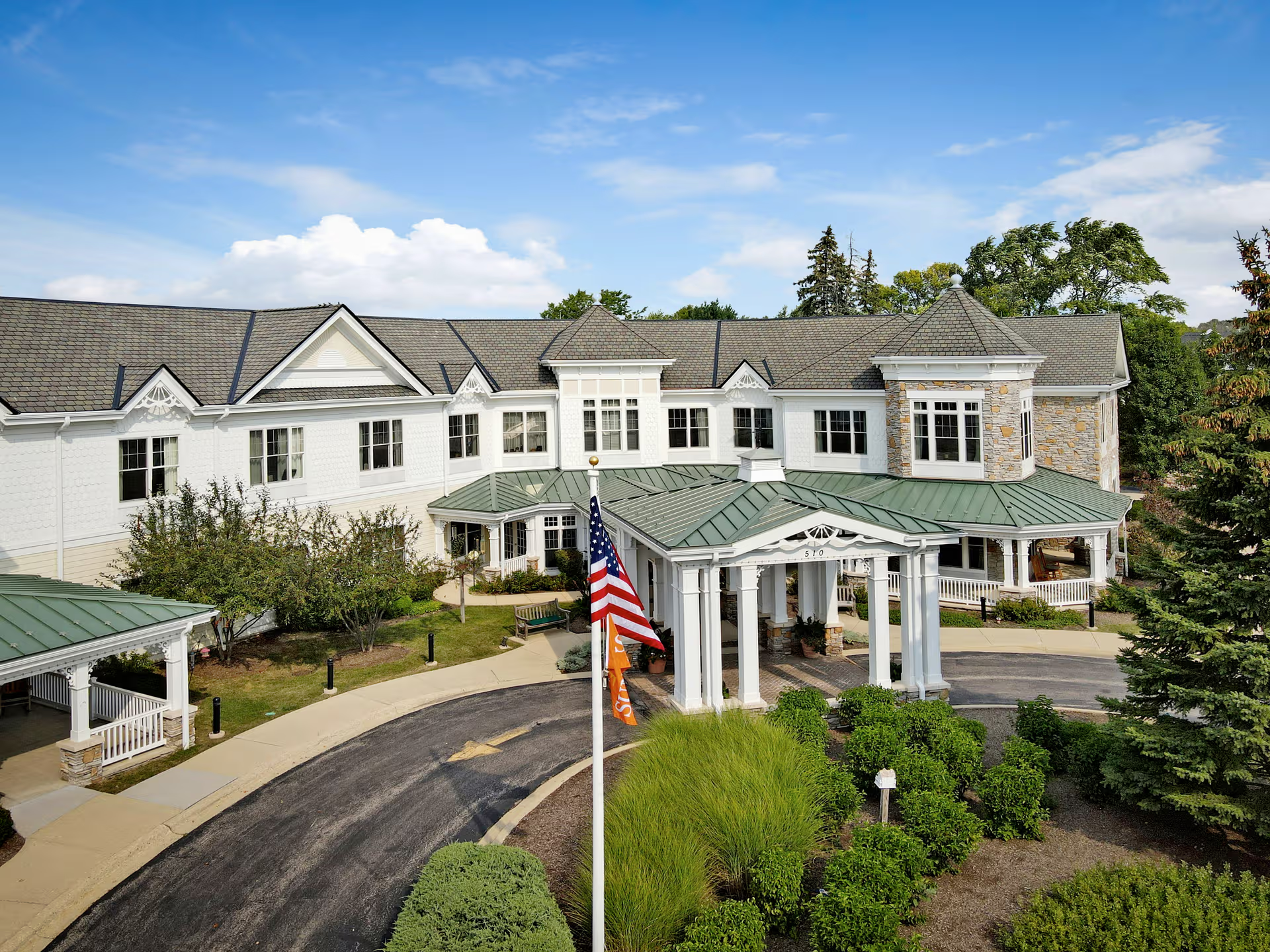
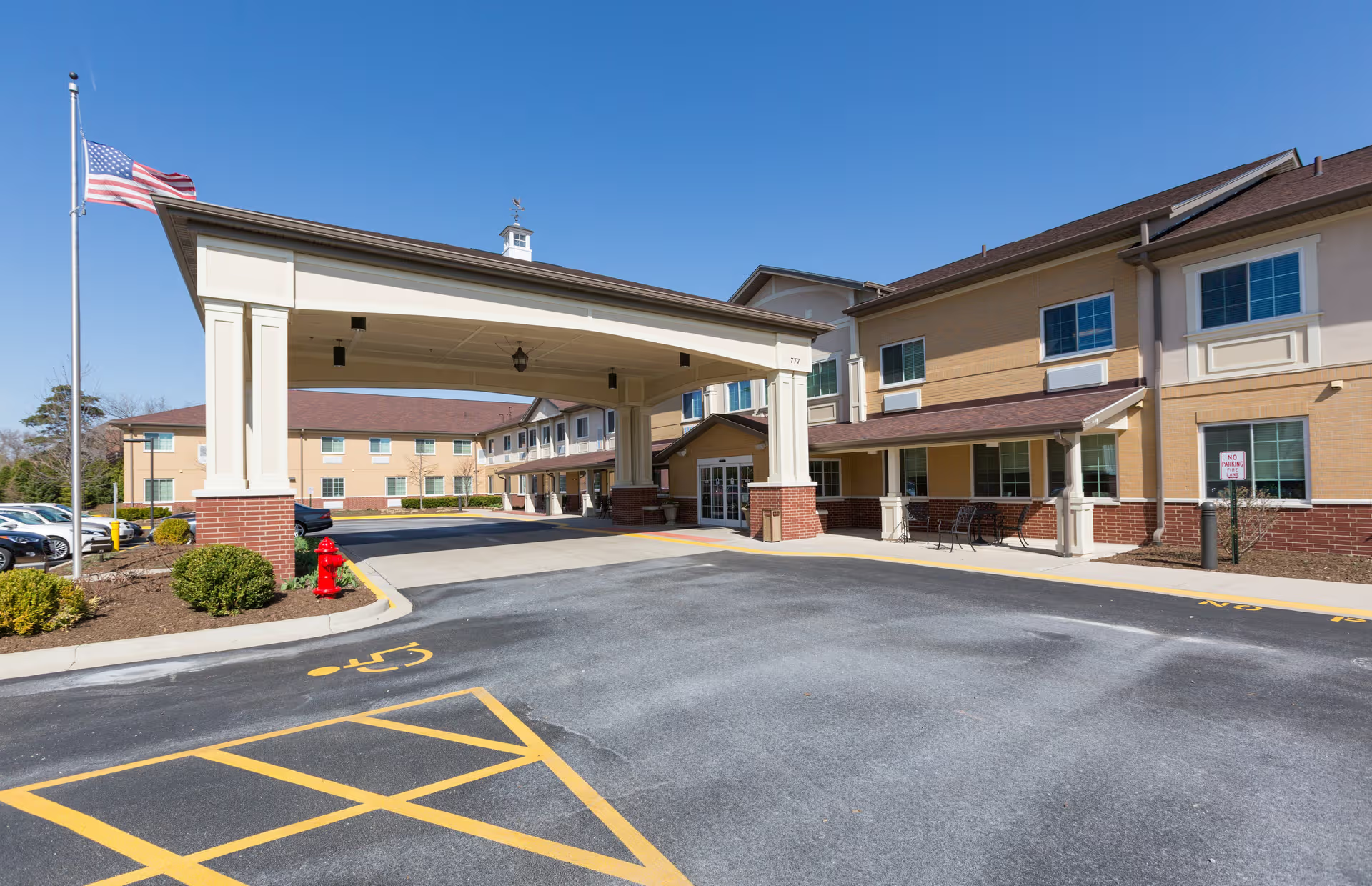
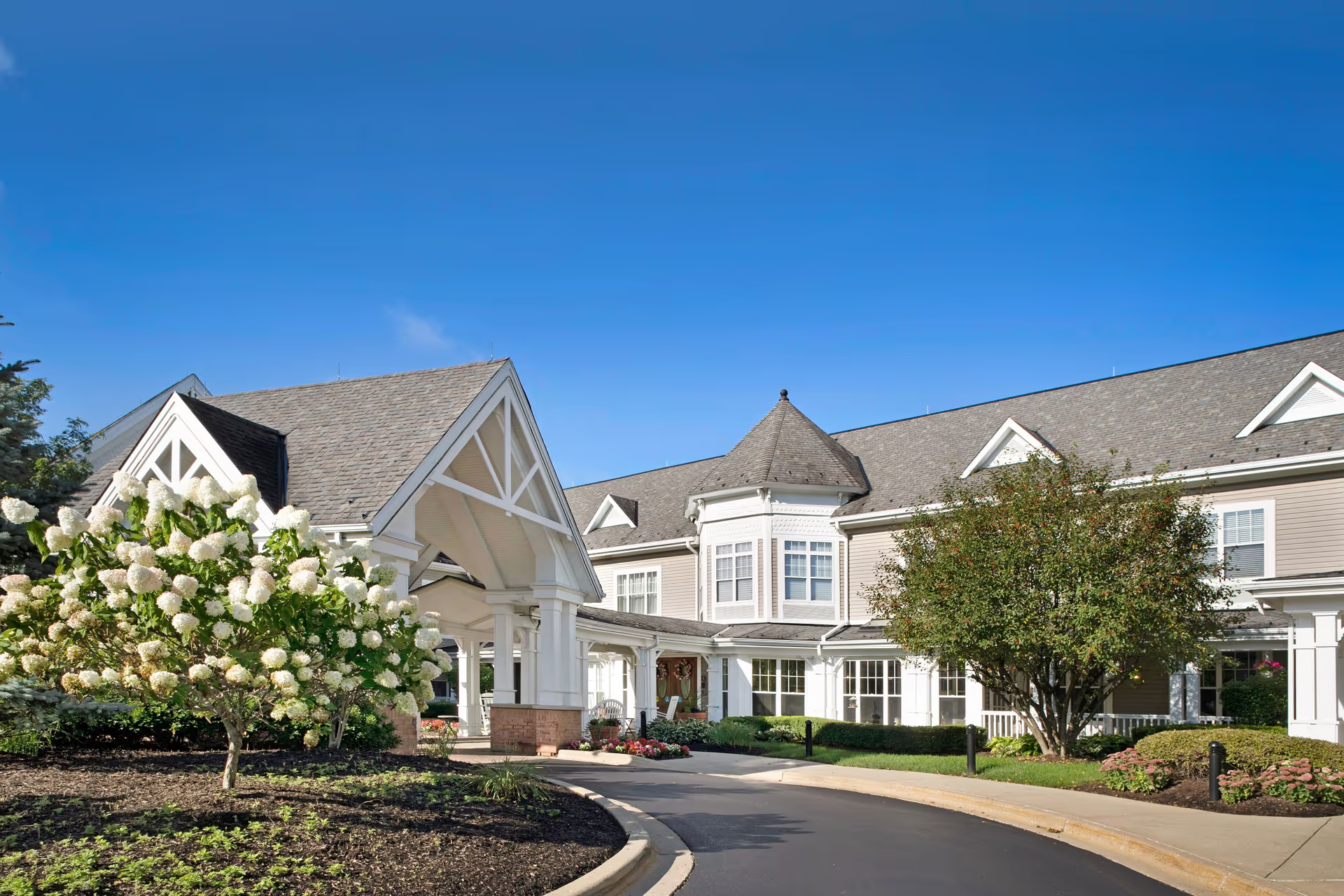
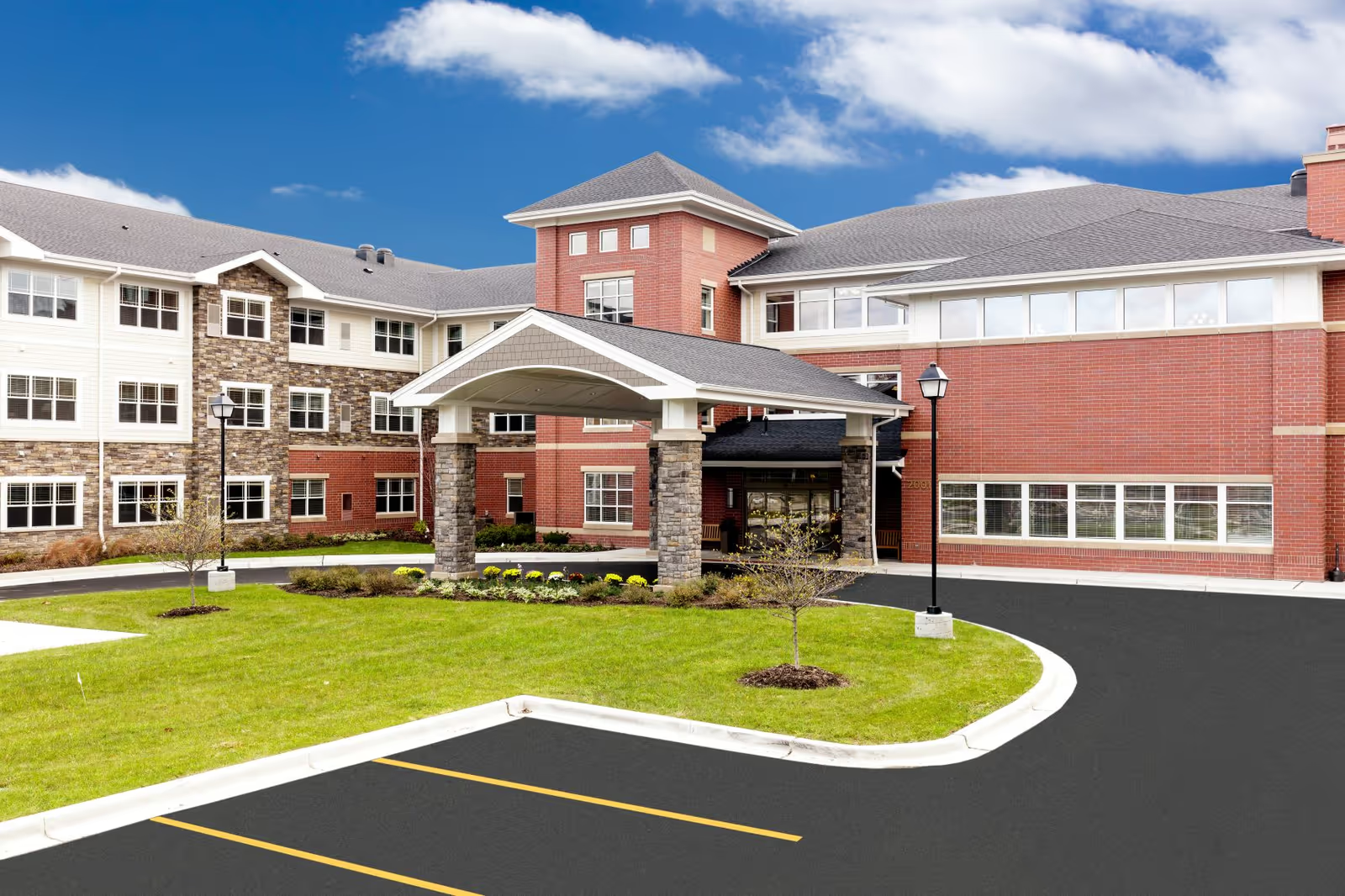
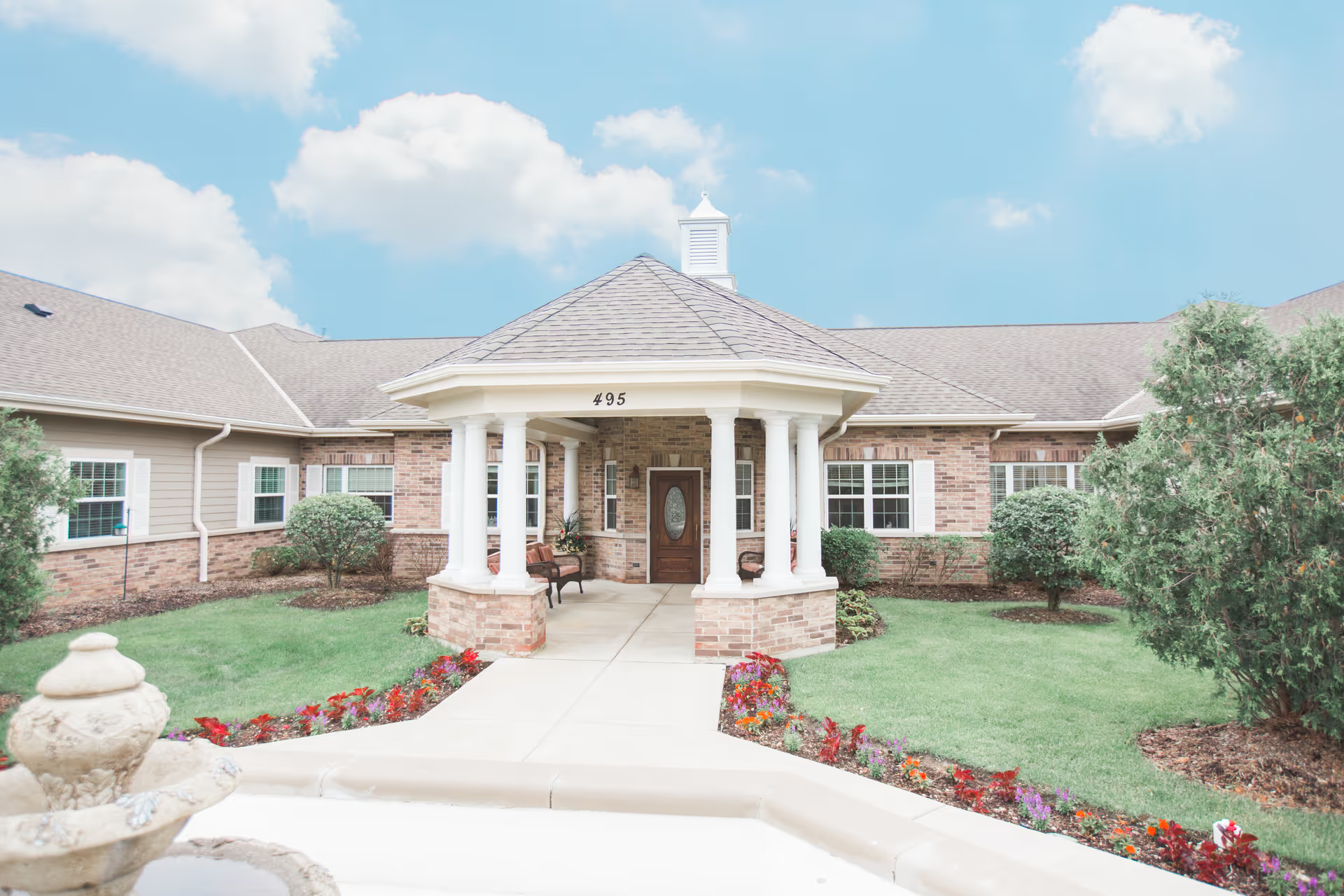
Lake Barrington Woods presents as a well-appointed, activity-rich senior living community with many features families value: a hotel-like atmosphere in common areas, spacious apartment layouts with in-unit kitchens and laundry, multiple dining venues, and an on-site fitness center with a heated pool. The campus footprint and outdoor spaces receive consistent praise for landscaping and wooded/pond views, and the community offers a broad set of amenities (salon, library, art studio, therapy room) that support social engagement and wellness.
Care and staff are among the strongest recurring themes. Reviewers frequently describe caregivers, nurses, front-desk personnel, and transitions coordinators as warm, compassionate, and responsive; many families credit staff with easing difficult moves and providing personalized attention. At the same time, there are repeated notes about variability in clinical staffing and performance: line-staff shortages, temporary staff, and periodic lapses in follow-through are described. There are also isolated but notable concerns about medication management practices and supervision that families should discuss with management when evaluating higher-acuity needs.
Dining and household services attract mixed feedback. Several families praise restaurant-quality meals and an accomplished culinary team; others describe inconsistent food quality, occasional cold plates, slow service tied to staffing constraints, and intermittent sanitation or service lapses (for example, issues with cutlery or dining-room timing). Meal programs, linen services, and weekly housekeeping are part of the service model, but reviewers highlight that pricing increases with added levels of assistance and some services (telecom, internet) may be extra.
The community offers a strong activity program with daily options: exercise classes, water aerobics, bingo, live entertainment, outings, film nights, crafts, and formal social events. Residents are often described as actively engaged and socially connected, and the smaller-group or same-floor meal options are noted as helpful for keeping family members close together. Programming and on-site therapeutic services (PT, rehab) add to the community’s appeal for people seeking active independent or assisted living.
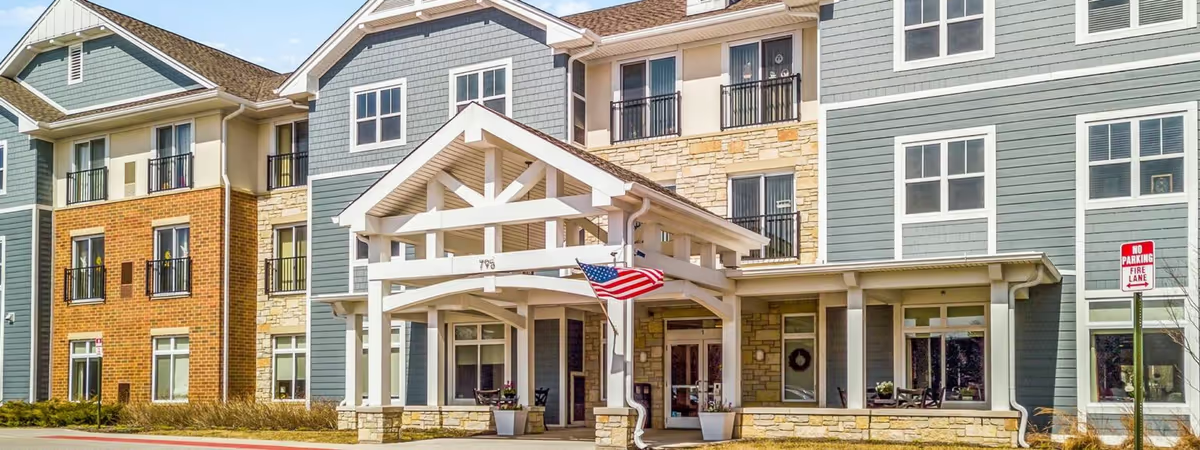
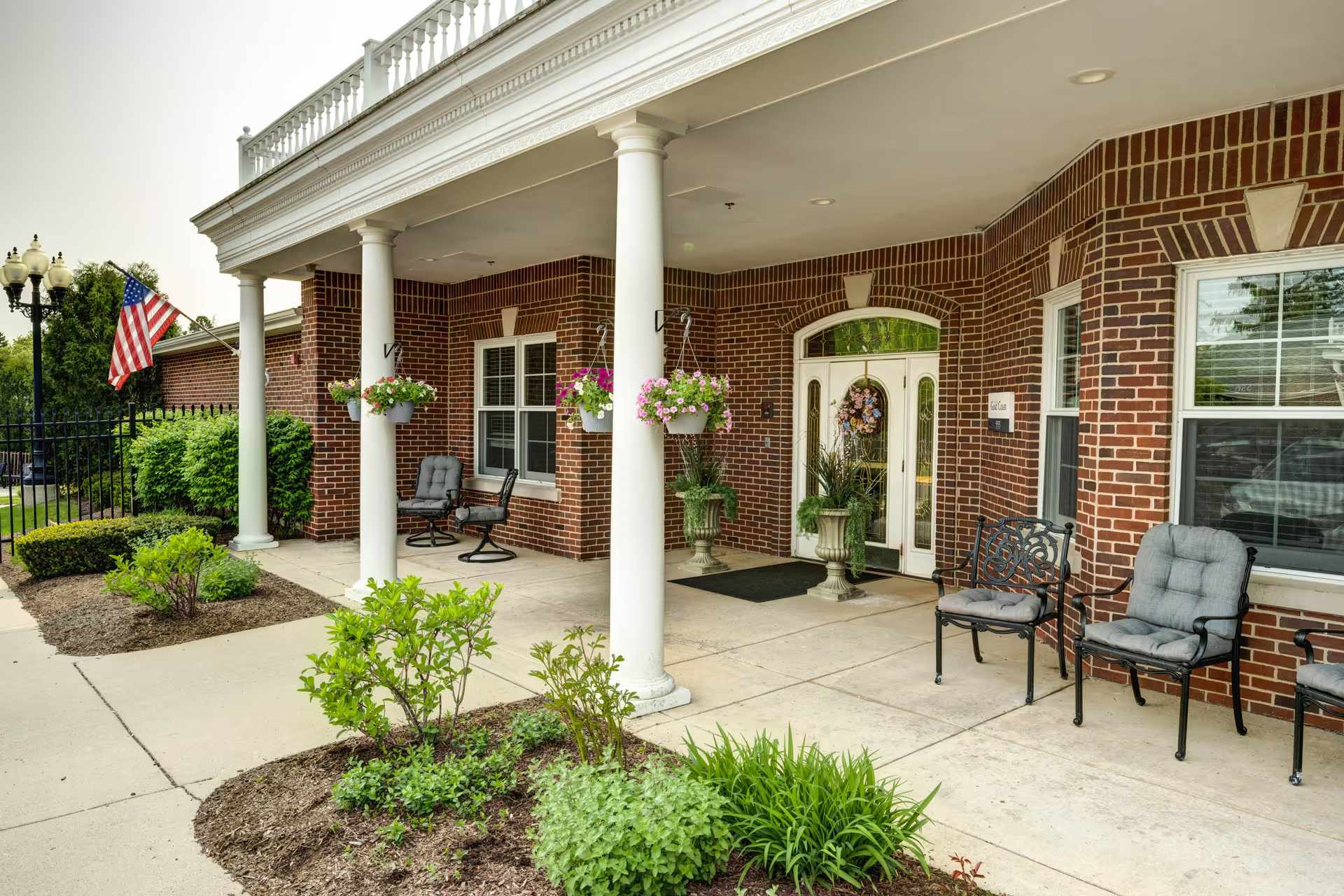
Facility condition and operations show a dual picture. Many common areas and recently renovated sections are described as bright, clean, and updated, while other parts of the building and some apartments are characterized as dated and in need of renovation. Reviewers mention practical issues such as long hallways, slow elevators, and periodic maintenance or sanitation lapses. Management has been undertaking updates, but families should verify the current status of renovations and maintenance contracts.
Management and business practices present additional considerations. Positive notes include helpful admissions and move-in support; concerns include upper-management turnover, occasional slow response to operational problems, and a pricing model that can escalate as resident-care needs increase. Several reviewers recommended clarifying the contract terms, fee structure, and the community’s approach to higher-acuity care before committing. There are also isolated safety and emergency-preparedness concerns (evacuation planning for a multi-floor building and the need for consistent resident supervision) that prospective residents and families should address directly.
Overall, Lake Barrington Woods is strongest for active older adults and couples seeking a socially engaging, amenity-rich community with hotel-like common areas and dependable day-to-day assistance. Prospective residents who prioritize consistent clinical oversight, predictable cost structure, or immediate high-acuity 24/7 nursing support should seek detailed, up-to-date information from management about staffing levels, medication practices, renovation timelines, and contractual fees to ensure the community matches their needs and expectations.