Overall impression: Benedictine Living Community–At the Shrine is consistently praised for its culture of personalized, compassionate care and for a strong, collaborative staff presence. Many accounts highlight attentive nursing and therapy teams, engaged dining and housekeeping personnel, and a welcoming, family-like atmosphere in which residents are known by name. The campus landscaping, indoor walking areas, and on-site chapel are frequently cited as defining strengths that support a peaceful, spiritually oriented community experience.
Care and staff: Care quality is a prominent strength. Reviewers commonly describe knowledgeable nurses and rehabilitation staff, helpful maintenance personnel, and direct-care workers who provide a warm, respectful tone. Staff collaboration and administrative flexibility (including occasional cross-coverage in housekeeping and dining) are described positively, and caregiving teams are credited with good family communication in many cases. However, there are recurring operational concerns about staffing consistency — especially on weekends — and delays in responding to resident calls or providing timely mobility assistance. These concerns point to variability in day-to-day responsiveness rather than a uniform failure of clinical standards.
Dining and culinary services: Dining experiences are mixed. Many reviewers praise fresh, inventive meals, high-quality special-event cuisine, and an engaged culinary team; the dining staff are often described as attentive and personable. At the same time, other observations indicate uneven meal quality and a limited menu rotation, with requests for healthier or more varied vegetable and entrée options. Chef turnover was noted as a potential risk to culinary continuity. Prospective residents should consider discussing current menus, rotation schedules, and how dietary accommodations are handled.
Activities and amenities: The activity program is a clear asset, with extensive programming that includes chapel services, classes (computer, exercise), social events, outings, and entertainment described as first-class. On-site amenities such as a library, beauty parlor, community garden, bake room, and opportunities for field trips and intergenerational outings contribute to an active daily life. Transportation services and on-site visitor lodging add practical convenience for families.
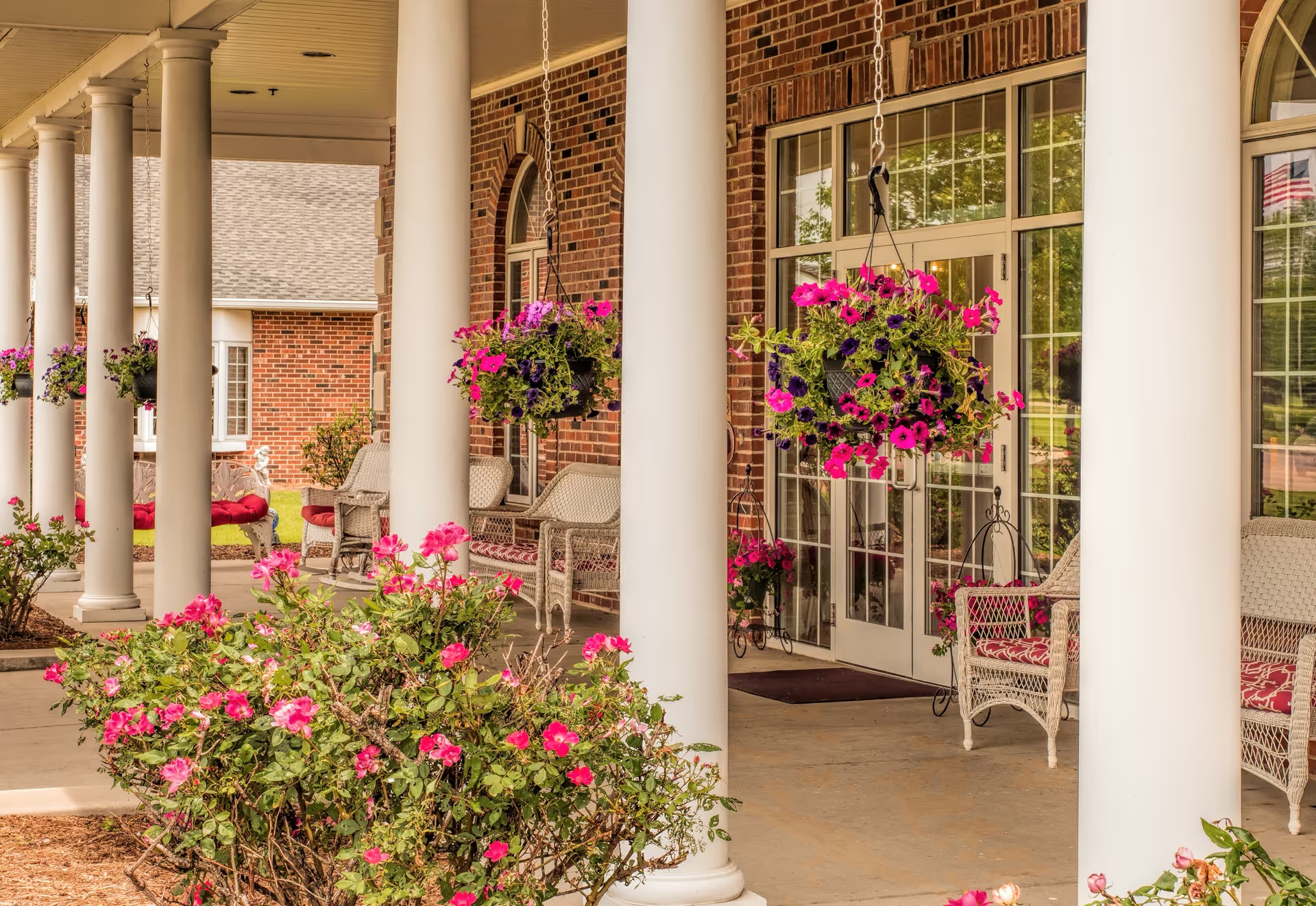
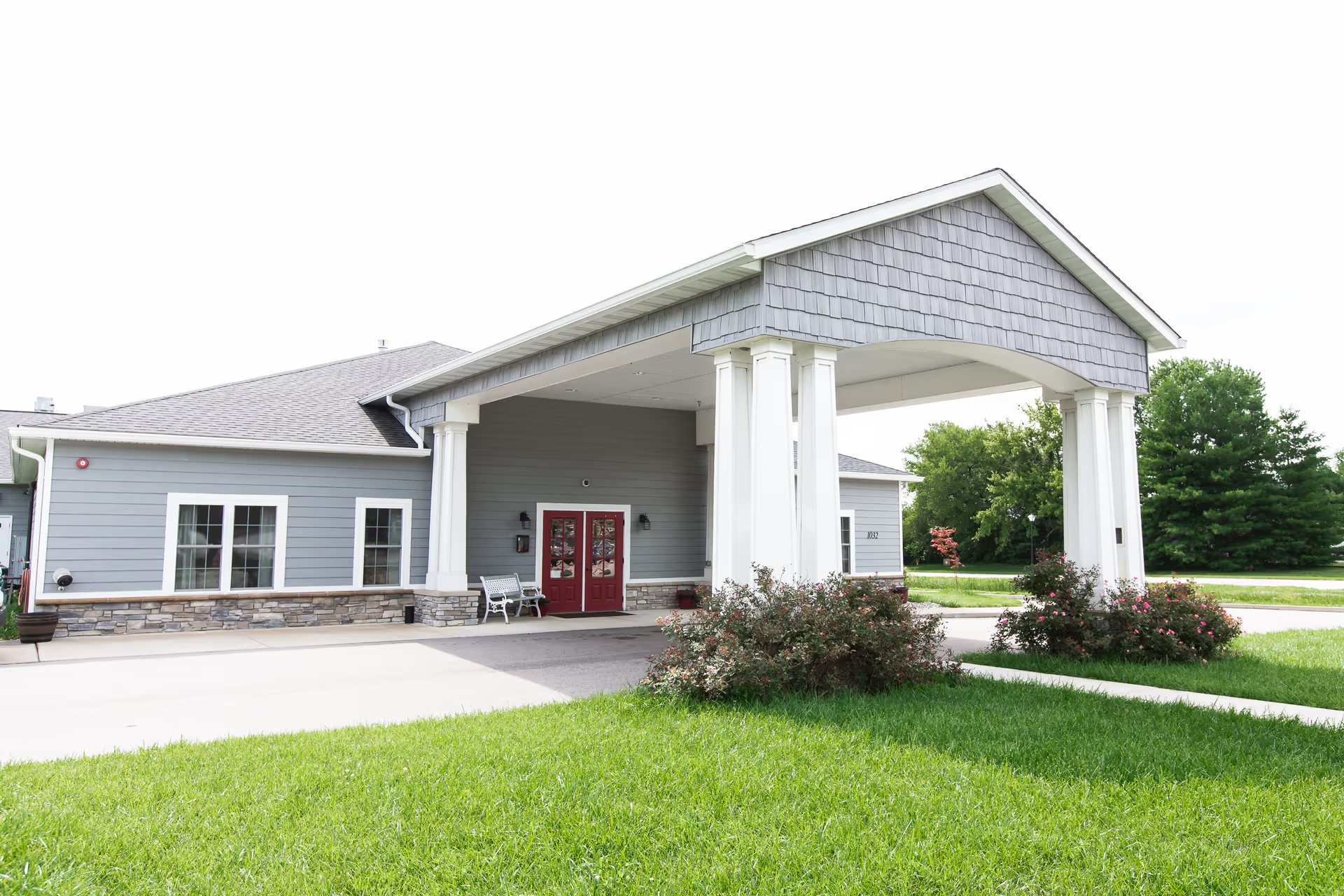
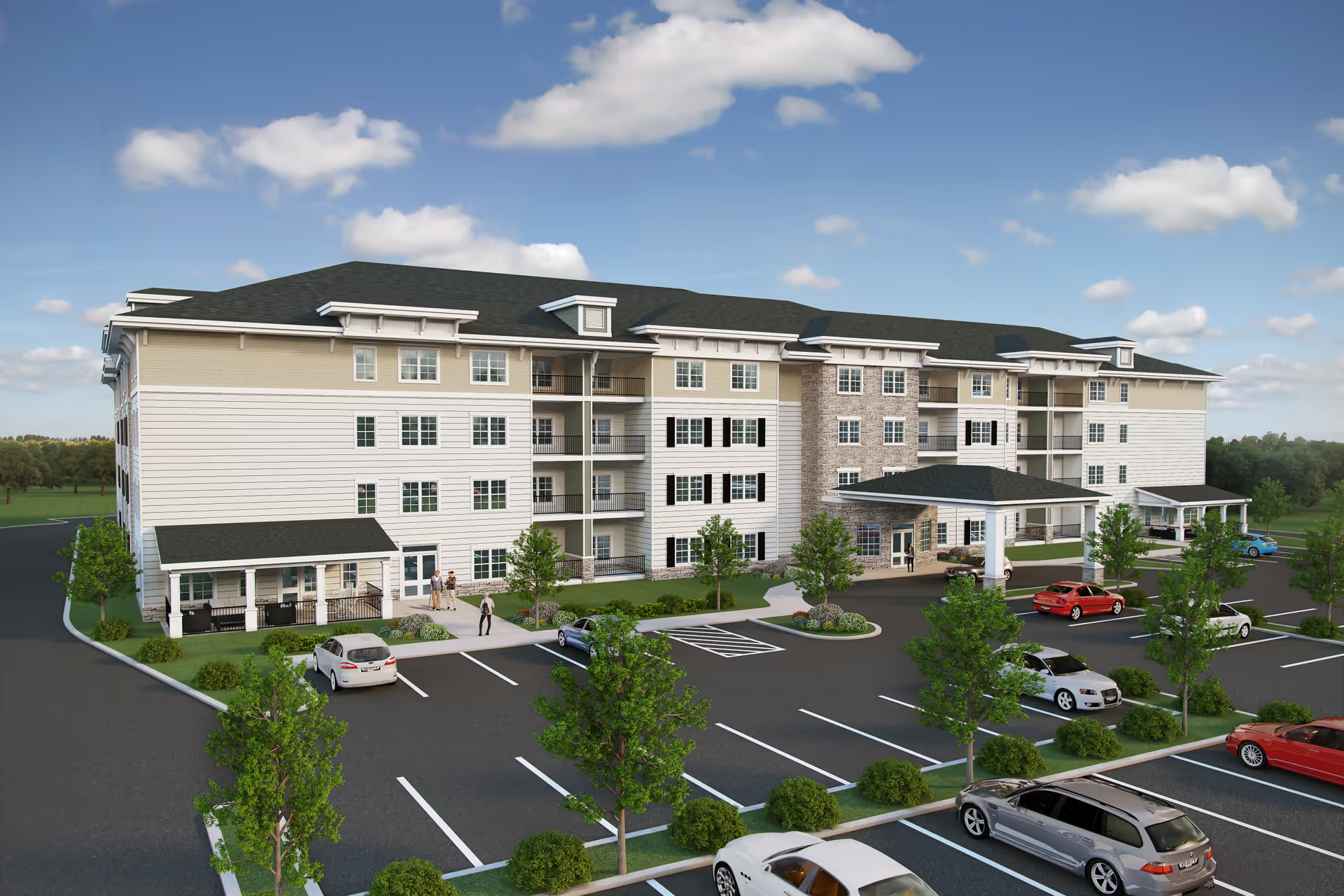
Facilities and maintenance: The campus overall is frequently described as beautiful, serene, and well-landscaped, with safe building design and useful indoor walking spaces. That said, multiple accounts point to aging buildings and small apartment sizes in certain units (limited kitchen and closet space). Maintenance staff receive praise for responsiveness, yet there are persistent concerns about water damage and potential mold in some areas and about overdue renovation needs. Cleanliness is generally noted as good in many areas, though a few comments raise odor concerns in specific common spaces.
Management and operations: Administrative responsiveness receives both praise and criticism. Several reviewers describe an open, communicative administration that welcomes suggestions and provides good follow-through; others describe lapses in supervision, inconsistent communication between shifts or departments, and unresolved billing or refund issues. Taken together, the pattern suggests that the community offers strong person-centered strengths but has operational variability in areas such as staffing coverage, facilities upkeep, and administrative follow-through.
Recommendation for prospective families: The facility's strengths—compassionate staff, a spiritually oriented and active community life, attractive grounds, and a full continuum of care—make it a compelling option for many residents. Prospective residents and family members should prioritize an in-person tour that inspects specific apartment units for size and condition, ask about recent and planned renovations, review current staffing patterns (including weekend coverage), discuss menu rotation and dietary accommodations, and request documentation of water-damage remediation and mold prevention efforts. Asking about escalation paths for unresolved concerns and billing/refund policies can help set expectations about management follow-through.