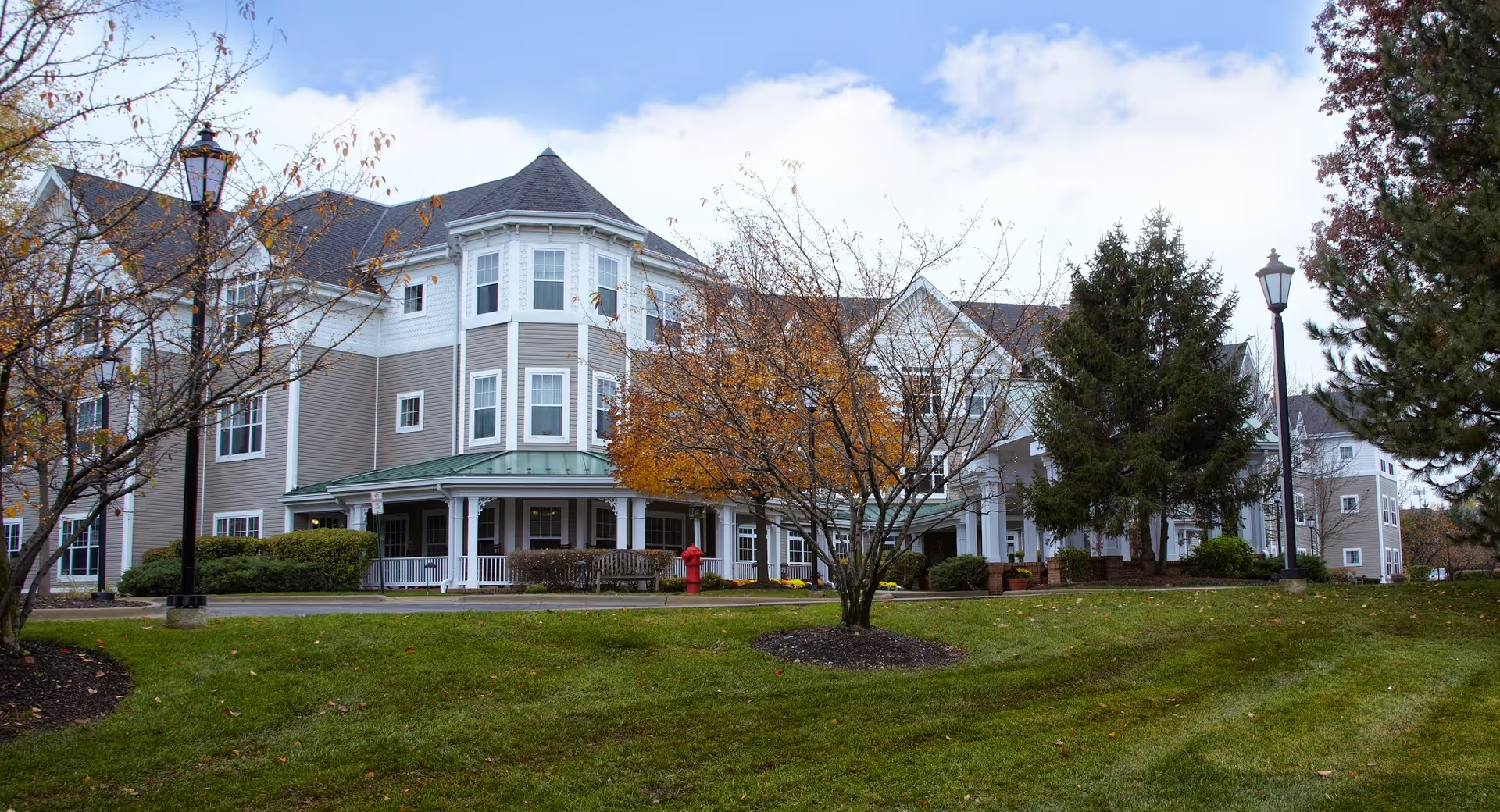
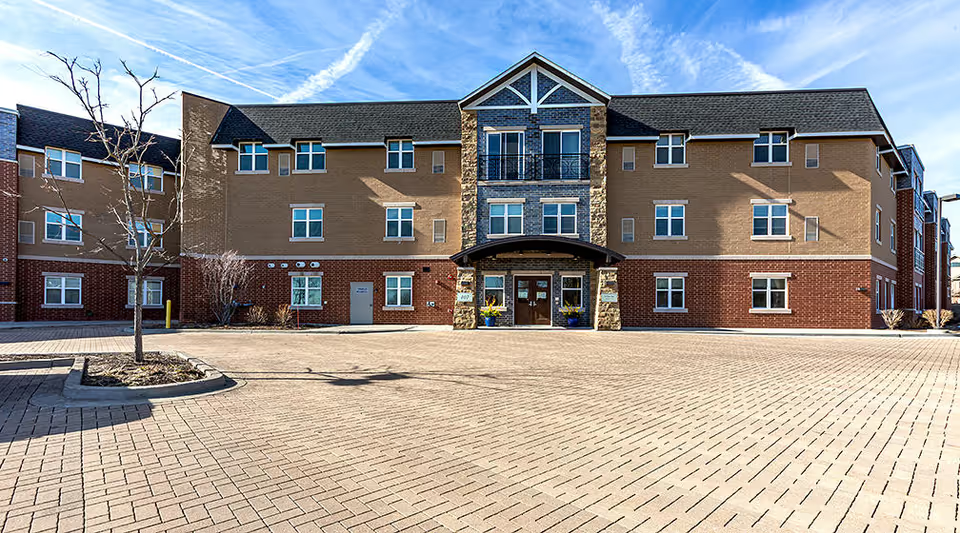
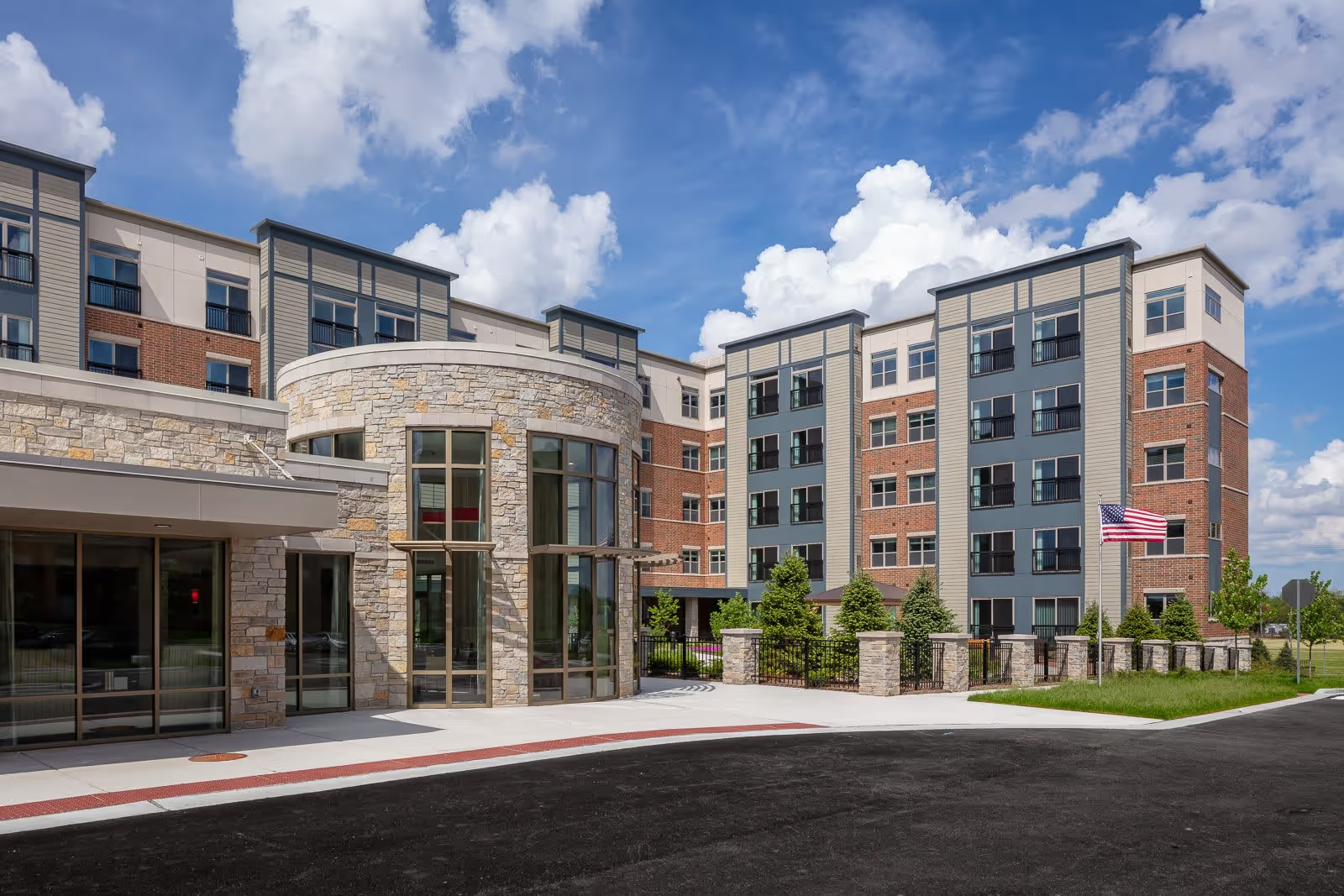
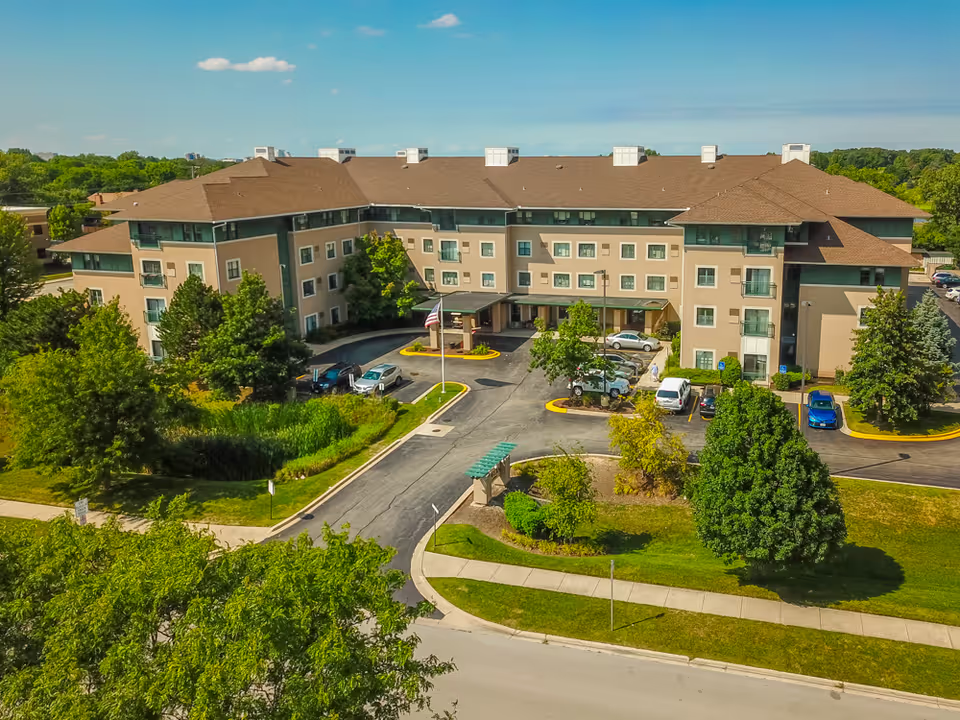
Harvester Place presents as a new, well‑appointed memory-care community with consistent praise for its clinical coverage, environment and programing. Families frequently highlight the 24/7 on‑site nursing presence, a visible Director of Nursing and hands‑on CNAs, and describe the staffing model as attentive and personally engaged. Several accounts emphasize compassionate, respectful staff interactions, stable caregiving relationships for many residents, and strong end‑of‑life support. The facility’s affiliation with a local hospital and on‑site clinical coordination are seen as strengths for transitions and medical communication.
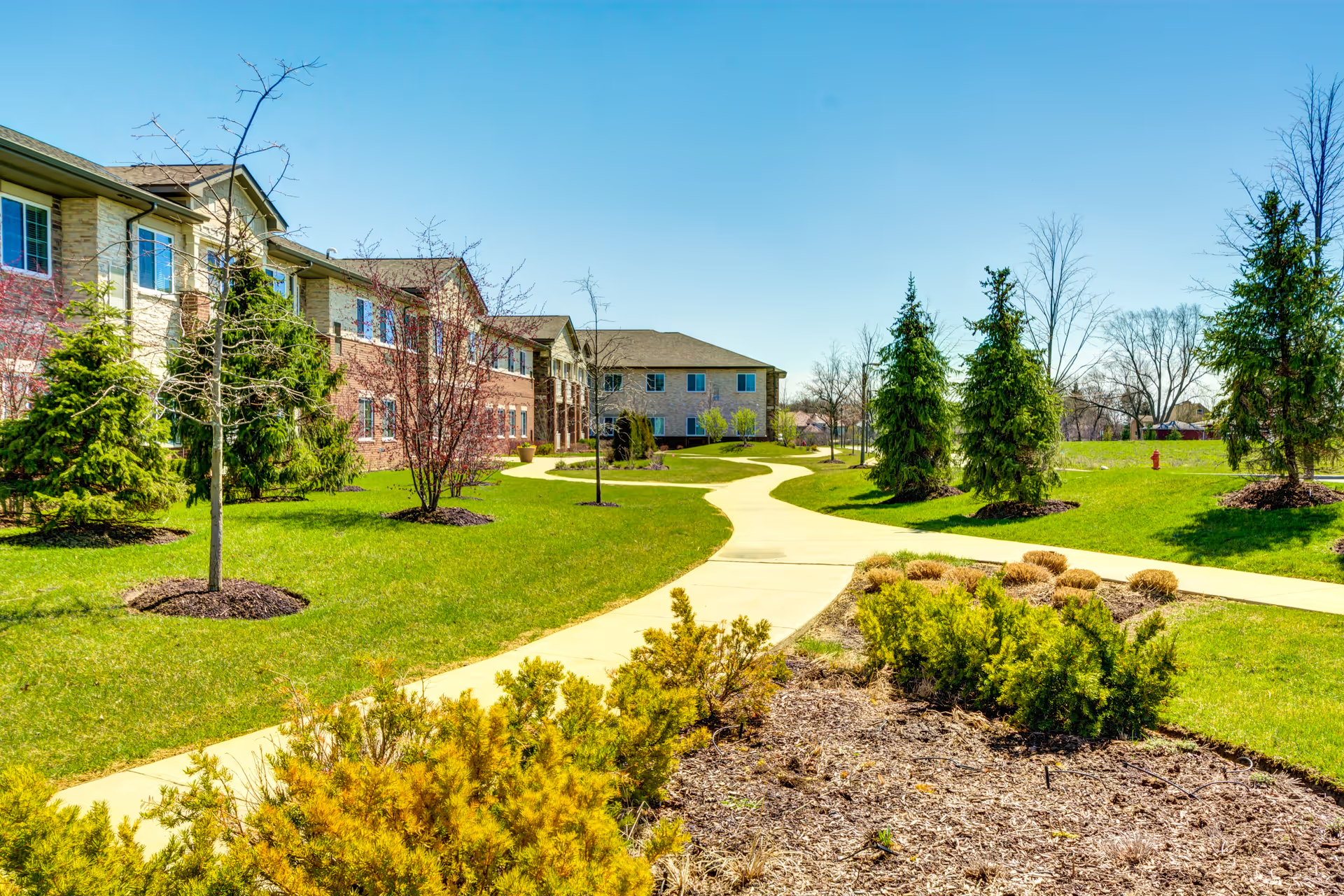
The community’s amenities and operations receive repeated positive comment. Reviewers note bright, clean common spaces, private suites with options for shared bathrooms, secure entry systems, motion sensors and bed alarms, and a pleasant outdoor courtyard. Dining is frequently praised — chef‑prepared meals, three meals per day, and nutrition improvements for some residents are noted. Life‑engagement programming is active and varied (music, outings, holiday events, small groups and regular activities), and families report good move‑in support, warm front‑desk welcome, and frequent updates about residents’ status and infection‑control communications in many cases.
At the same time, reviewers raise operational concerns that prospective families should evaluate. Staffing stability is uneven: there are reports of turnover and open positions, and several comments point to inconsistent skill levels among some aides for advanced memory‑care needs. Relatedly, summaries indicate gaps in medication‑management processes (lost or misplaced medications, inconsistent medication handling) that suggest the community may need stronger controls and audit practices. Housekeeping and sanitation have generally positive remarks but occasional inconsistencies and at least one allegation of a pest‑related issue were reported; these should prompt specific questions during a tour.
Other recurring operational themes include limited room‑layout variety (some families found only one layout suited to their needs), premium pricing relative to alternatives, and intermittent lapses in incident transparency or follow‑through on family requests. A few reviewers described restrictive visitation practices during infection‑control events and noted isolated communication missteps around specific incidents. These concerns appear episodic rather than universal, but they point to areas where oversight and family communication may vary.
Overall, Harvester Place is frequently recommended for memory‑focused care: its clinical staffing model, active programming, modern safety features and a generally warm, family‑oriented staff culture are consistent strengths. Prospective residents and families should verify current staffing levels and training protocols, review medication‑management and sanitation procedures, clarify room options and pricing, and ask how the community handles incident communication and visitation during infection‑control periods to ensure an appropriate fit for the resident’s clinical and social needs.