Mercy Circle Senior Living is described predominantly as a strong rehabilitation and short-term care provider with consistently praised therapy services and a compassionate direct-care workforce. Physical, occupational, and speech therapy receive repeated commendation for skill, patience, and measurable functional gains; reviewers credit a team-based therapy model and on-site outpatient options with helping residents regain independence. Social workers and administrative staff are frequently noted for facilitating smooth admissions and discharges, and many families cite positive interactions with front-office personnel and support navigating insurance and transitions.
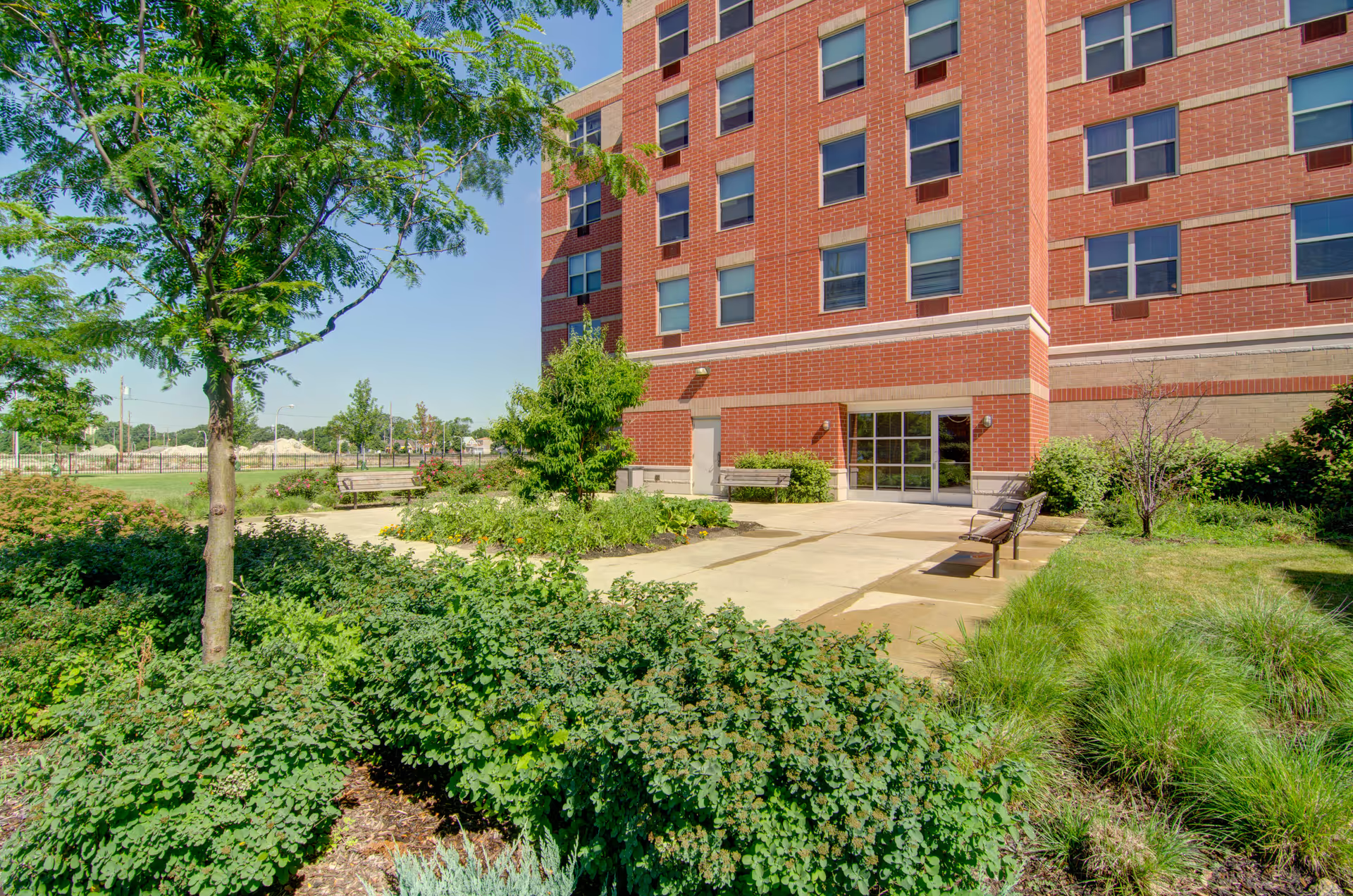
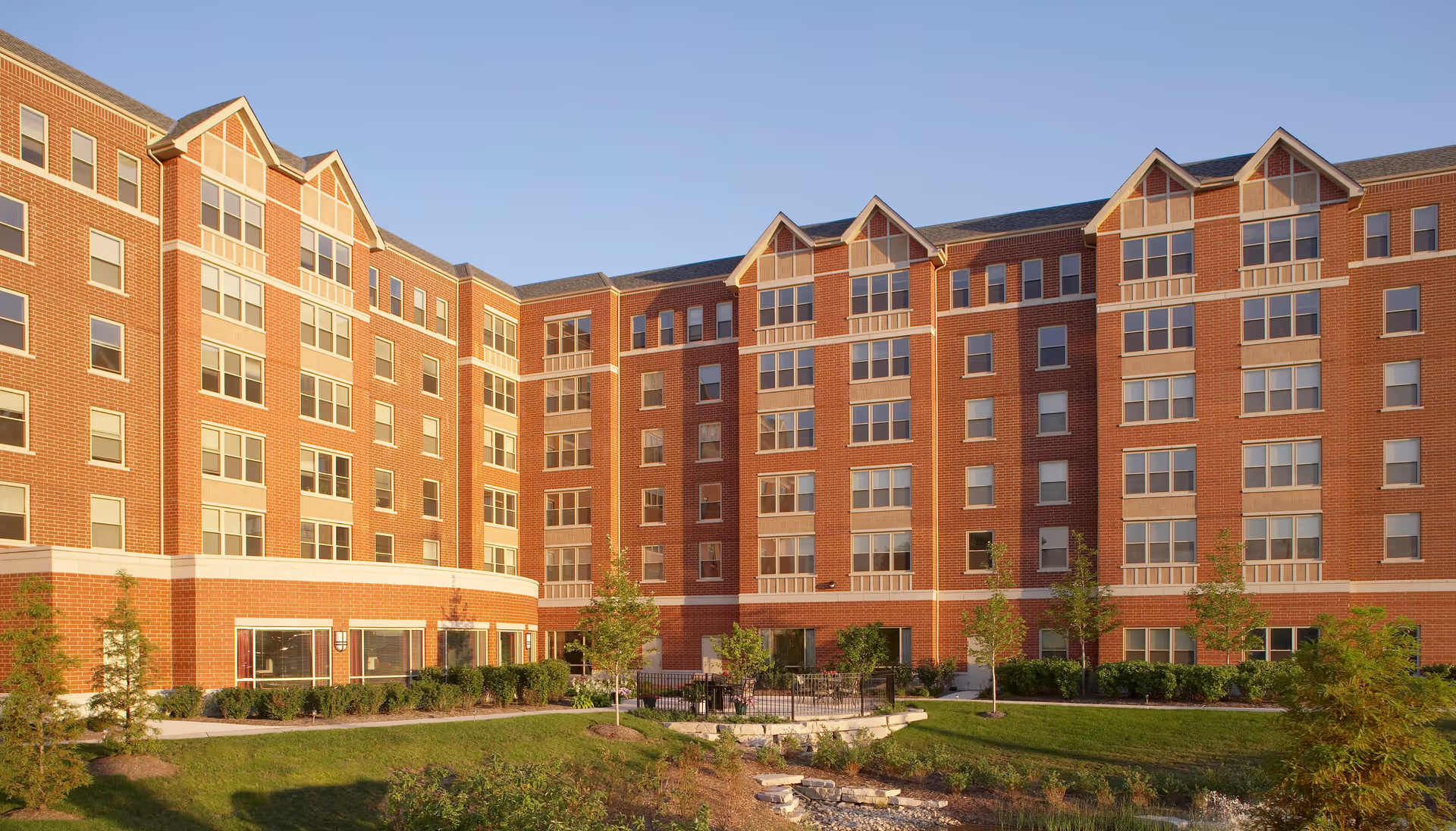
Direct-care staff, including nurses and CNAs, are commonly characterized as kind, attentive, and respectful; many reviewers emphasize warm interpersonal interactions and continuity of care. Dining-room servers and kitchen staff also receive strong positive feedback for attentiveness and service, and the facility’s faith-based programming, regular Mass/Holy Communion, and variety of activities are described as valuable contributors to resident morale and social engagement. The campus environment — grounds, interior design, and maintenance responsiveness — is often described as attractive, clean, and welcoming, with furnished rooms and helpful maintenance staff noted by several families.
At the same time, a pattern of operational concerns emerges that prospective residents and families should consider. Several reviewers point to inconsistencies in medication administration and variability in clinical responsiveness; these reports suggest opportunities to strengthen medication-control processes and escalation protocols for acute events. Relatedly, intermittent delays responding to call lights and occasional concerns about how clinical incidents are handled and communicated to families were raised. Staffing shortages and high caregiver workloads are mentioned as factors that may contribute to slower responses or variability in care consistency.
Dining experiences are mixed: many reviews praise the service and particular menu items, while others cite variable food quality, presentation, and timing (including requests for later breakfast). Housekeeping and maintenance are usually praised, but a minority of comments indicate uneven attention to room-level maintenance and cleaning. Finally, visitor reception and communication at the front desk receive both positive and negative notes, and some reviewers report noise issues (loud televisions, early-morning noise) that can affect sleep.
Overall, Mercy Circle appears to provide high-quality rehabilitative services and a generally compassionate, faith-oriented community with strong therapy outcomes and engaged staff. Key patterns for decision-makers: verify medication-administration safeguards and incident-escalation protocols, ask about typical staffing levels on the unit(s) of interest, review sample menus and meal schedules, and discuss front-desk/visitor procedures and noise-management practices during a tour. These targeted questions can help families weigh the facility’s clear strengths against the operational variability identified by reviewers.