The reviews for Southview Manor present a polarized picture: many commenters praise individual staff members and specific departments, while others describe recurring operational problems that raise health, safety, and quality-of-care questions. Positive commentary centers on direct-care employees, long-tenured personnel, and the dietary team; negative commentary centers on facility condition, pest-control, maintenance, administration, and medication processes.
Care quality appears inconsistent. Several reviewers highlighted kind, resident-focused interactions and praised specific staff for compassionate behavior and teamwork. At the same time, there are multiple accounts indicating lapses in clinical operations, most notably delays or inconsistencies in medication administration and intermittent failures in routine care processes. This creates a mixed impression: some families experience attentive care, while others describe gaps in timeliness and oversight.
Staffing and culture show a similar divide. The dietary department, front desk, and many direct-care staff receive consistent positive remarks for friendliness, helpfulness, and supportive attitudes. Several reviewers specifically noted long-tenured employees and an improving team dynamic with new staff members aiming for higher standards. Conversely, other reviewers raised concerns about staff conduct and communication tone, describing incidents where staff interactions with residents and families were perceived as dismissive or unprofessional. These conflicting impressions suggest variability in staff performance and supervisory consistency.
Dining and activities are unevenly described. The dietary/kitchen team is frequently praised for meal quality and resident support, and a dietary manager was noted as a positive influence. However, there is limited and inconsistent information about recreational programming and activities; reviewers provided little detail about schedule regularity or engagement levels, making it difficult to form a clear view of this area.
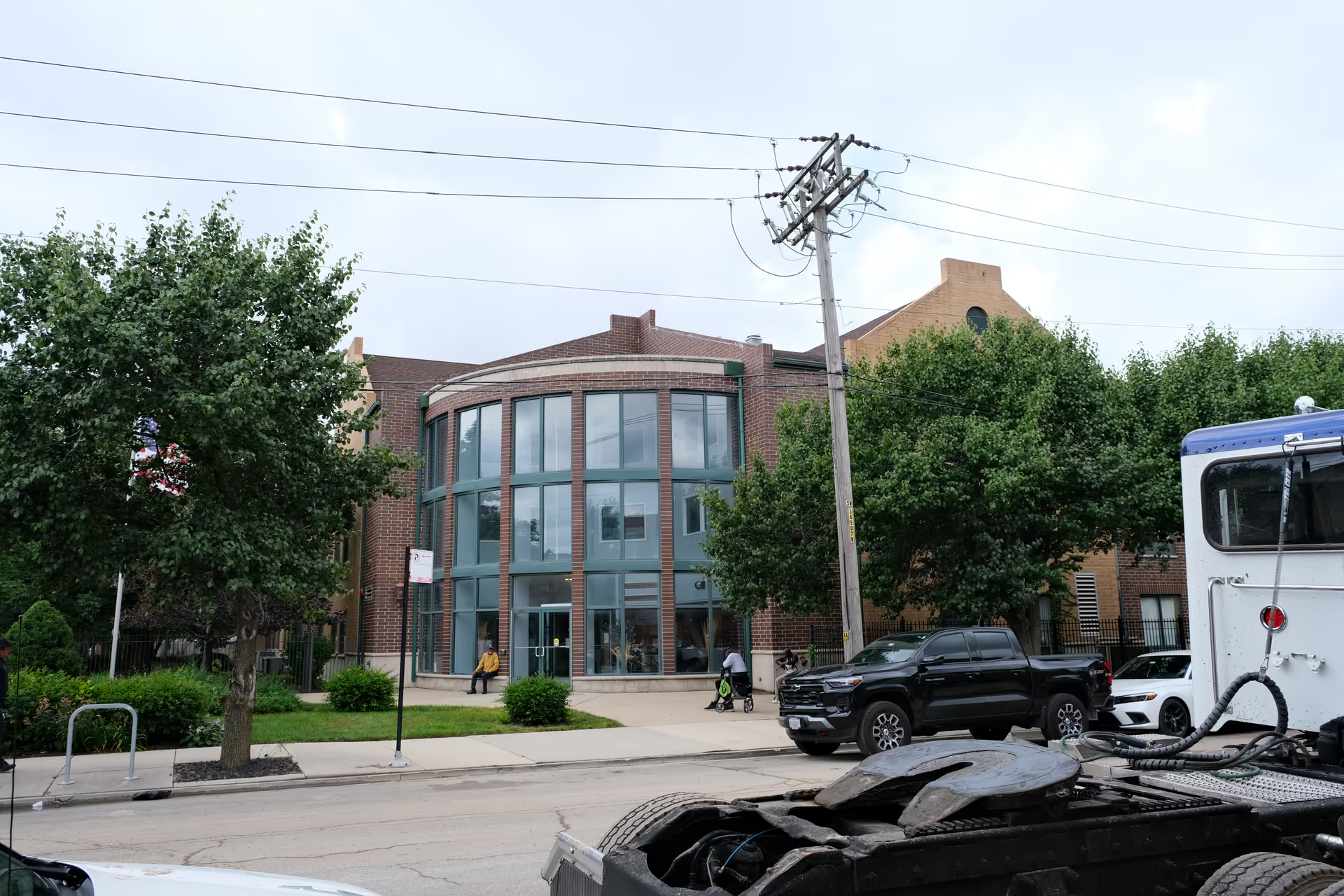
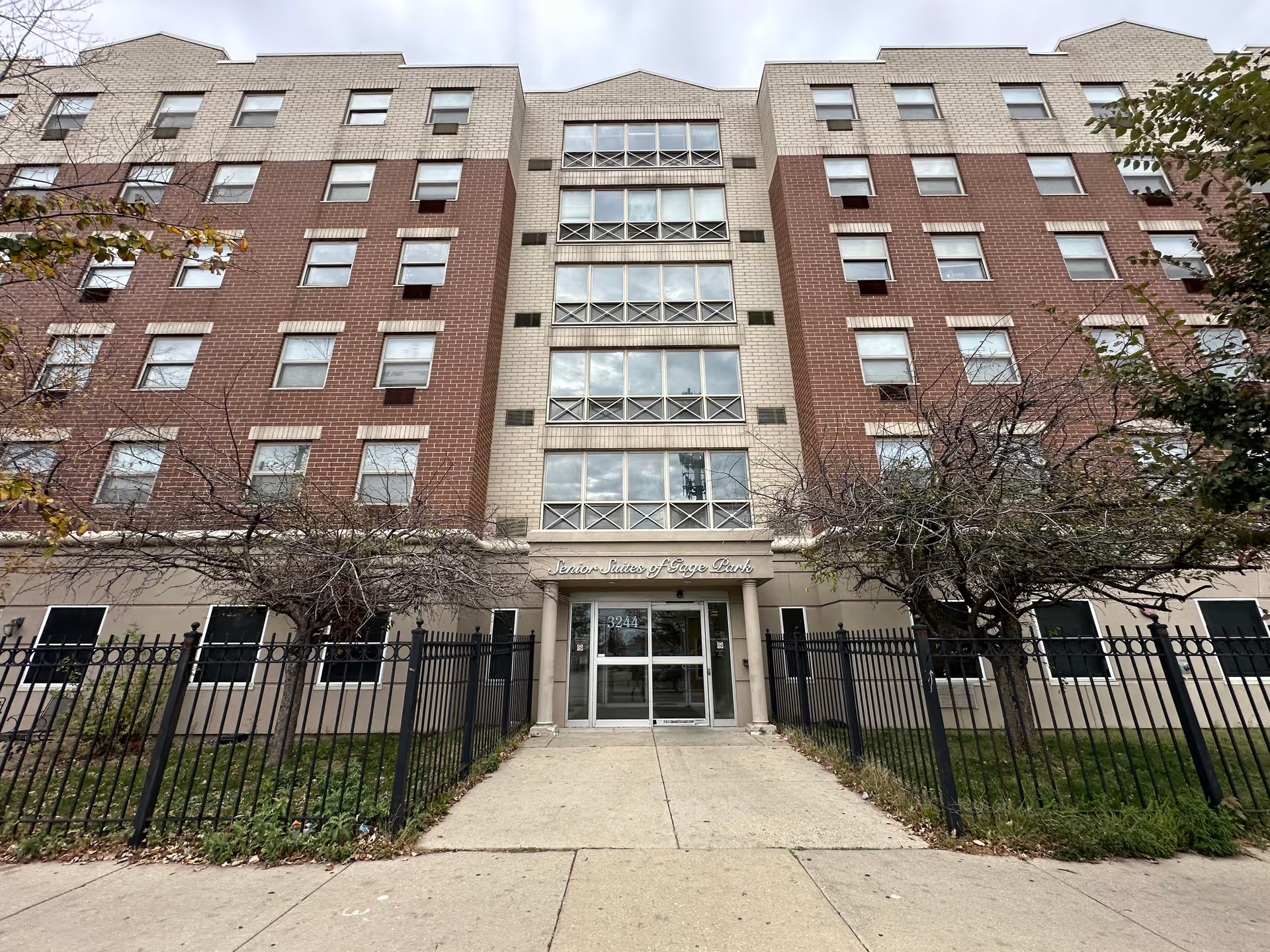
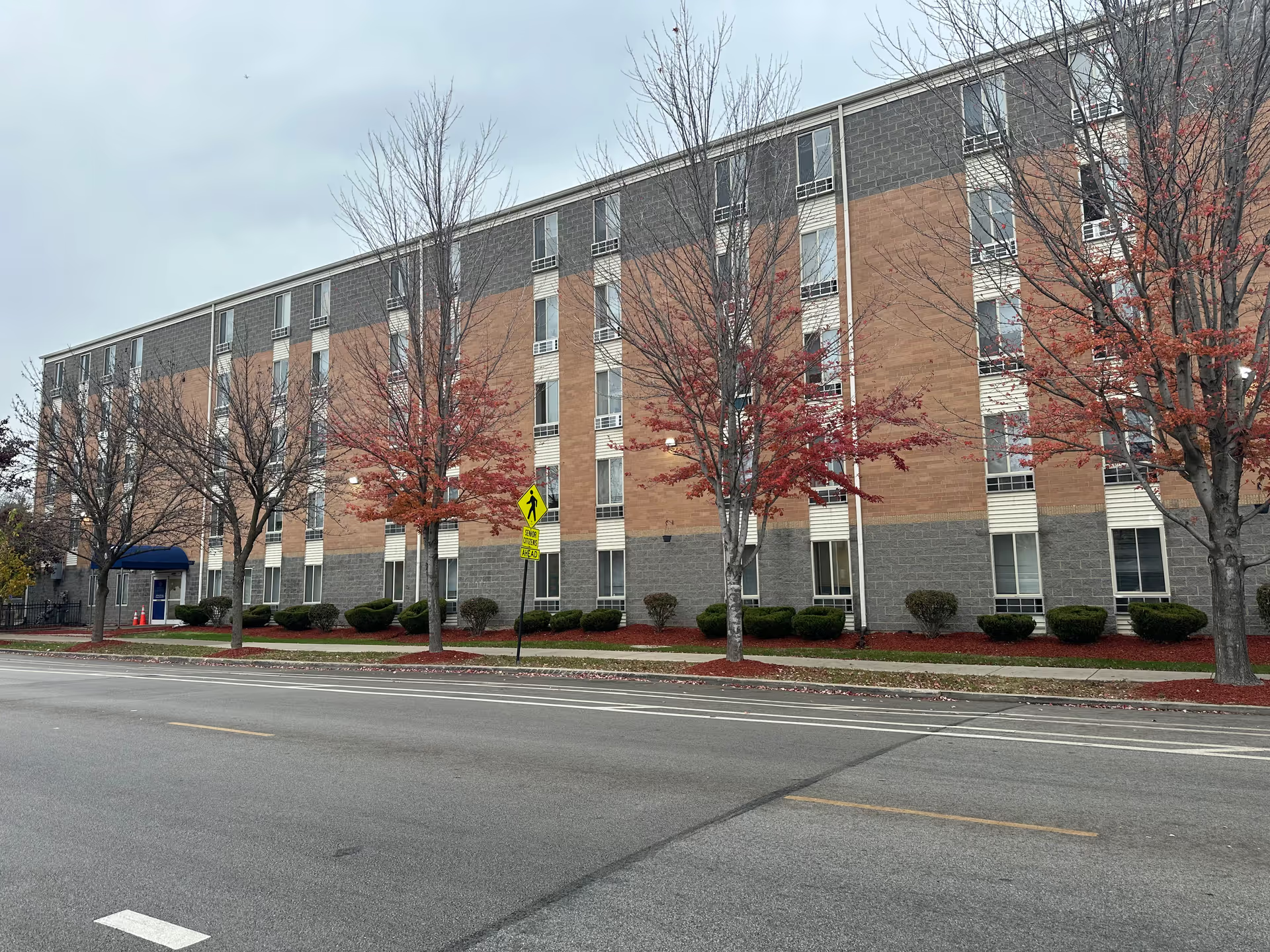
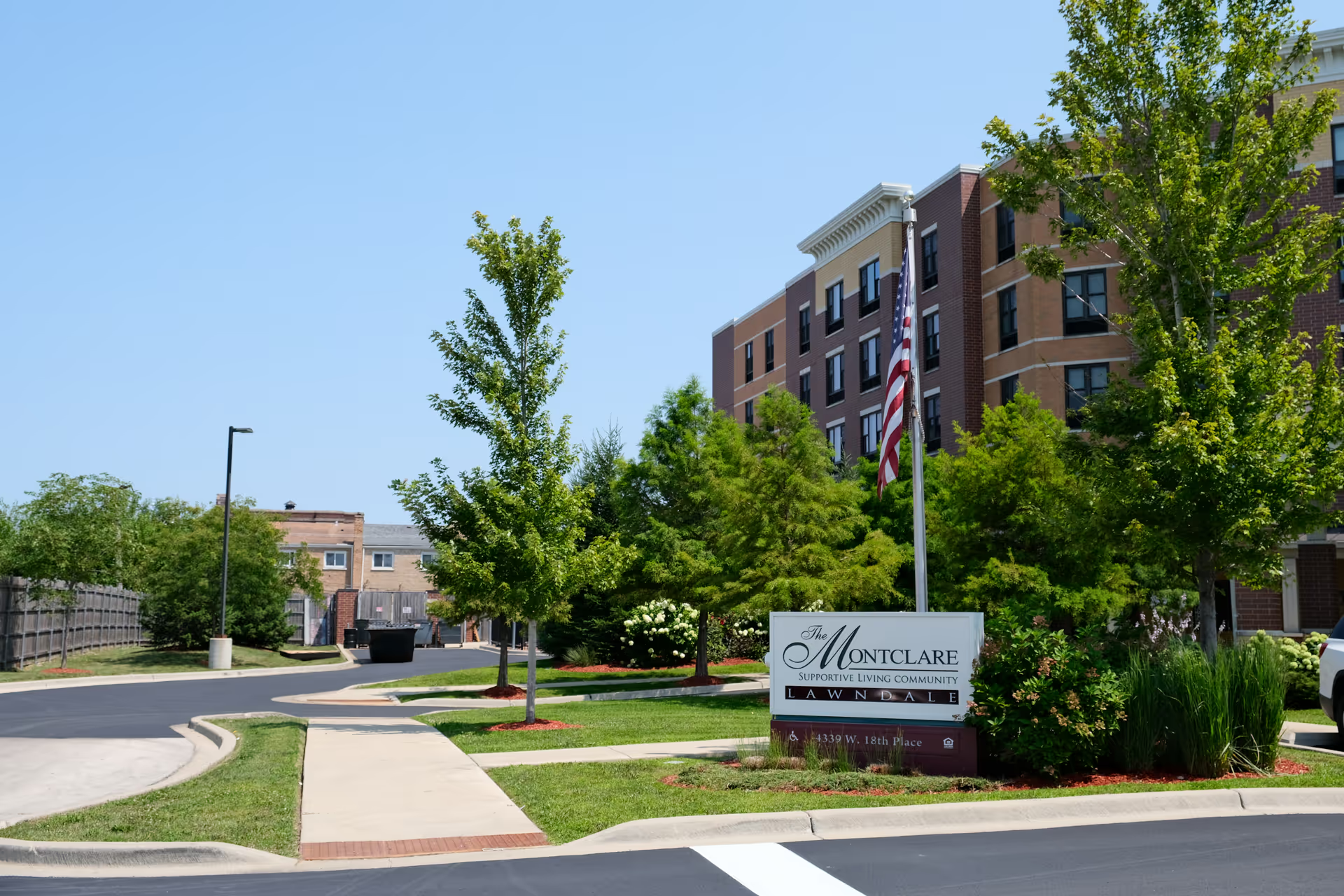
Facility condition and maintenance emerge as significant concerns. Multiple reviewers noted sanitation and cleanliness issues in common areas and building systems, along with a maintenance backlog manifested as holes in walls, nonworking fixtures, and elevator cleanliness problems. A recurring theme involves pest-control concerns in both resident rooms and shared spaces. Together, these issues suggest systemic environmental and facilities-management weaknesses that could affect resident comfort and safety.
Management and administration are focal points of dissatisfaction for some families. Reviews mention unresponsive administration, poor communication, and questions about financial priorities and transparency. A number of commenters indicated that they had difficulty obtaining timely responses to concerns or felt management was not adequately addressing infrastructure and pest-control problems. These perceptions are coupled with occasional positive notes about leadership efforts to improve, indicating that change initiatives may be in progress but inconsistently applied.
Notable patterns: there is a clear split between praise for individual staff and departmental strengths (especially dietary) and persistent operational concerns around facilities, sanitation, pest control, medication timeliness, and administrative responsiveness. Prospective residents and families should weigh the positive staff experiences against the recurring environmental and operational issues. When evaluating the facility in person, it would be prudent to request recent inspection and pest-control records, ask about maintenance and medication administration procedures, meet with clinical leadership, and tour multiple areas (including resident rooms and common spaces) to assess current conditions and management responsiveness.