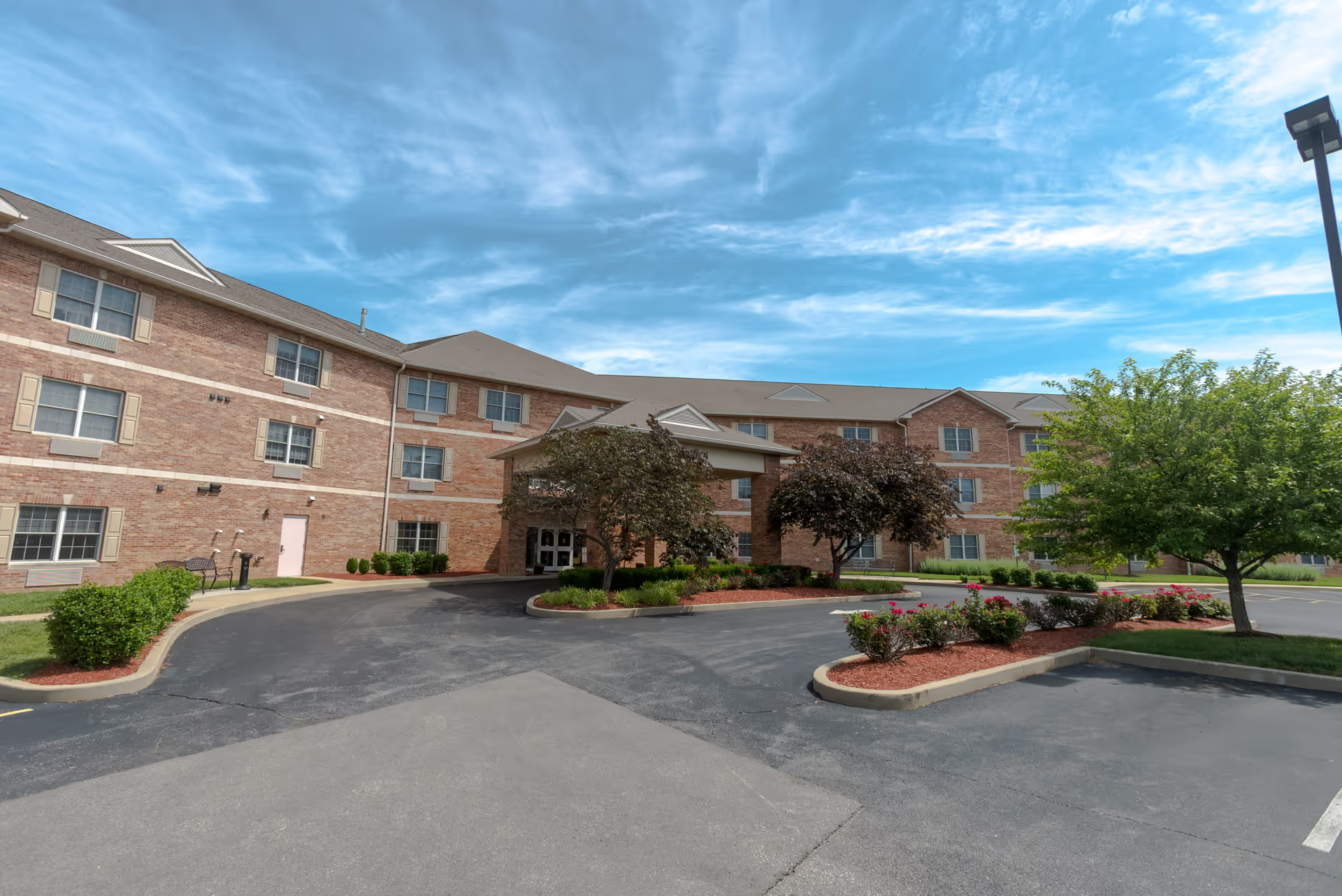
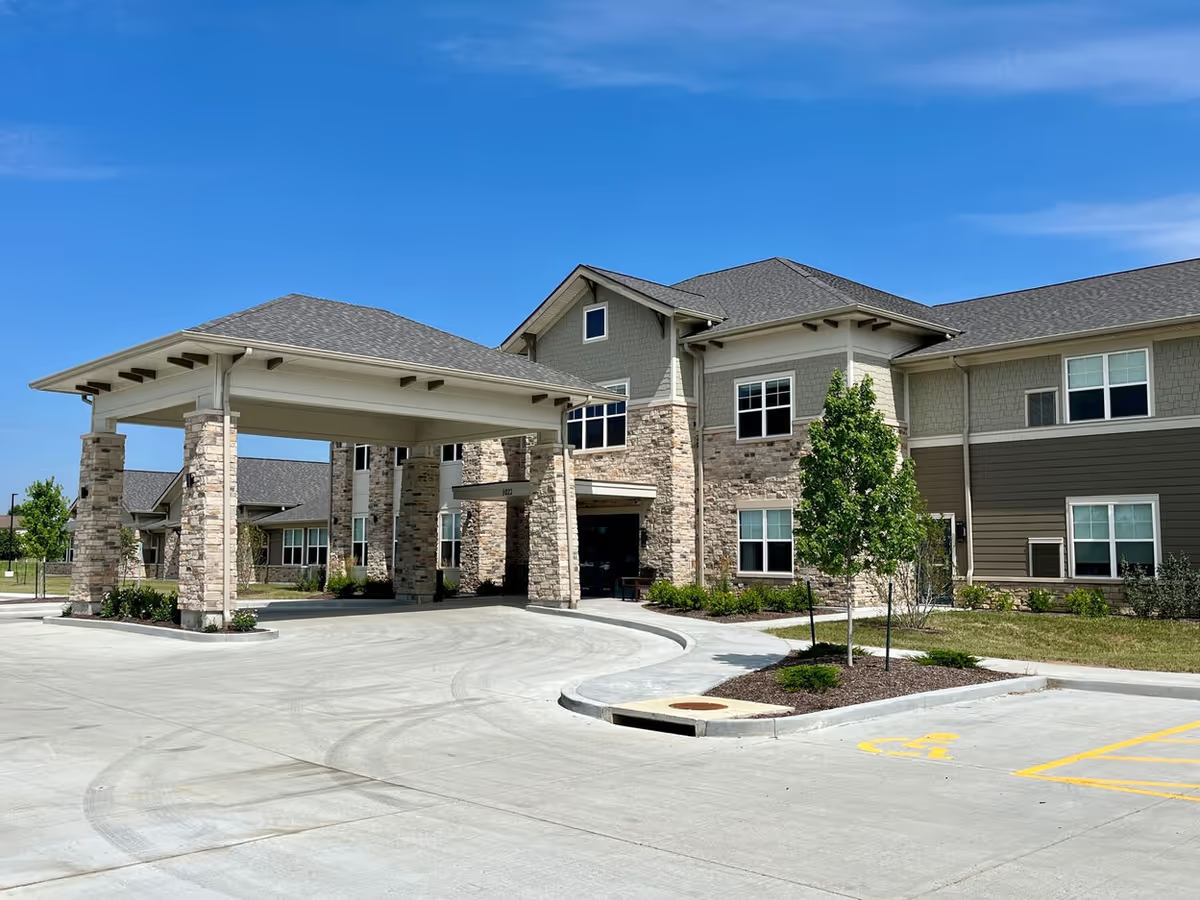
Overall impression: Addington Place of Collinsville elicits a strongly mixed but thematically consistent set of impressions. Many families highlight the warmth, friendliness, and personal attention of direct caregiving staff; those strengths are paired with praise for clean, bright public areas, attractive apartment-style accommodations in newer sections, and proactive tour and move-in processes. Activity programming, transportation, and an active social calendar are commonly cited positives, as are particular food-service staff and specific menu items. For a number of residents the community represents a comfortable, well-kept, home-like option that supports social engagement and independence.
Care quality and staff: Direct care staff and aides are frequently described as compassionate, energetic, and attentive; reviewers often credit them with improving mood, socialization, and daily functioning. Nursing and clinical oversight receive more mixed feedback — some families describe responsive, respectful nurses and good clinical communication, while others identify lapses such as delayed or missed medication administration and delays in addressing acute complaints. A recurring operational thread is high staff turnover and periodic understaffing, which reviewers link to inconsistency in service delivery and variability in caregiver skill and conduct.
Dining and services: Dining impressions vary across experience. Several reviewers praise the dining team and specific meal offerings, and the facility is noted for appetizing presentation in many accounts. Other families describe fluctuating meal quality and interruptions to kitchen service at times. Ancillary service practices are a notable tension point: some families encountered additional fees (for in-room meal delivery, bathing assistance, or medication-management tasks) and occasional confusion about billing and what services are included in base rates.
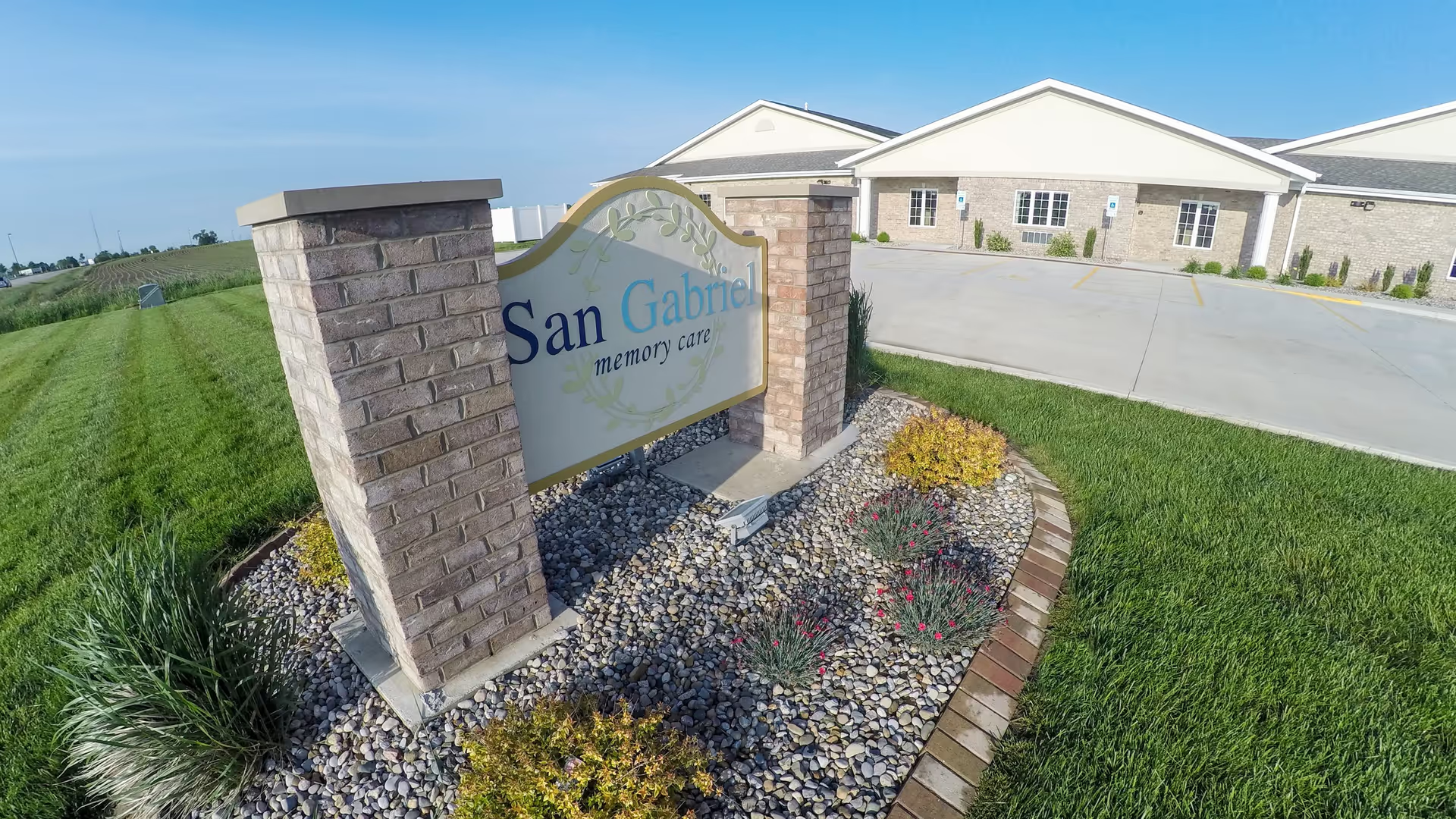
Activities and memory care: The community generally offers a range of activities and small group outings that many residents enjoy. However, multiple comments point to activity-program gaps in certain memory-care areas; those units were sometimes described as darker, more confined, or less active than the general living areas. Families weighing memory-care placement should request a direct look at the unit layout, lighting, and daily programming to ensure alignment with their expectations.
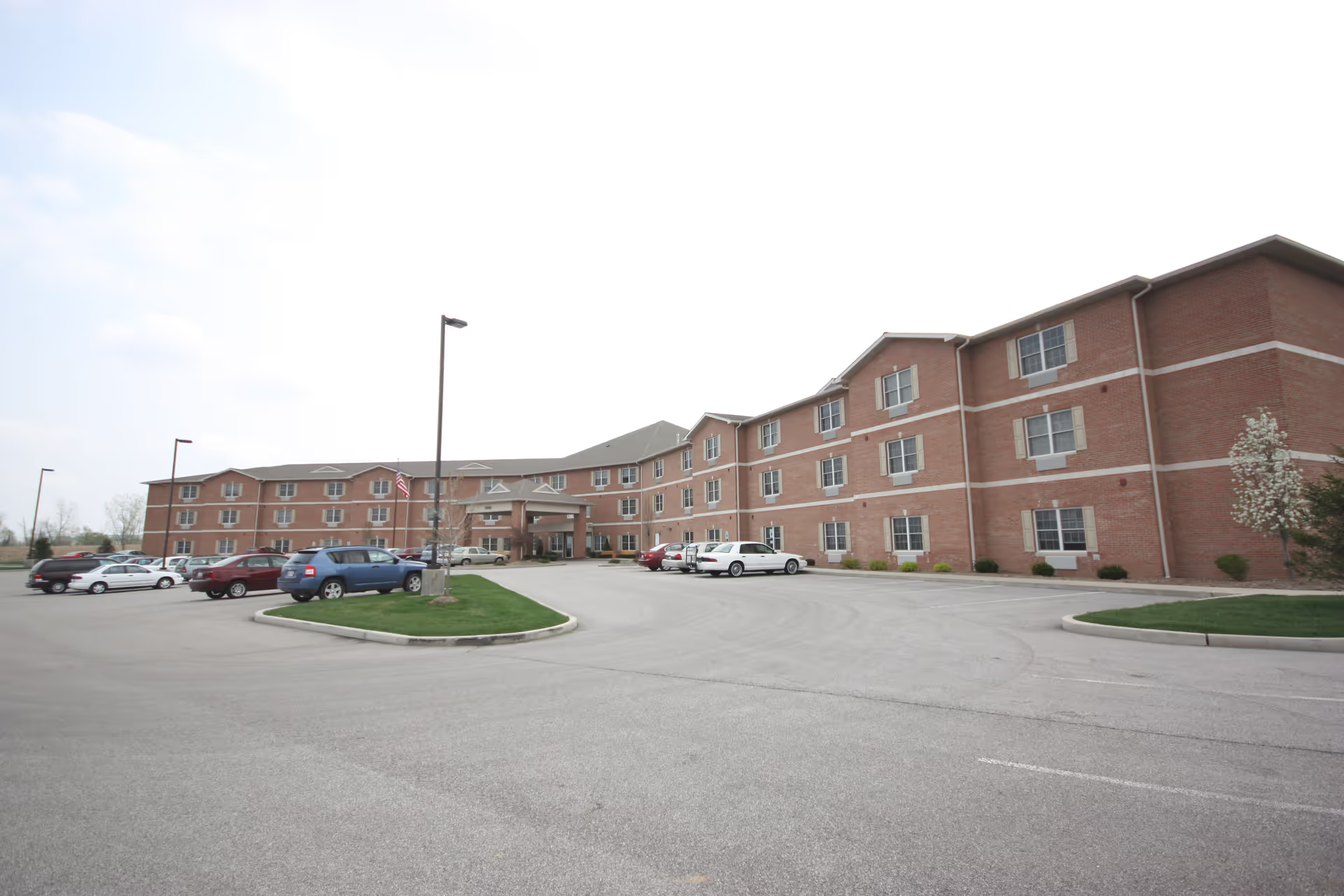
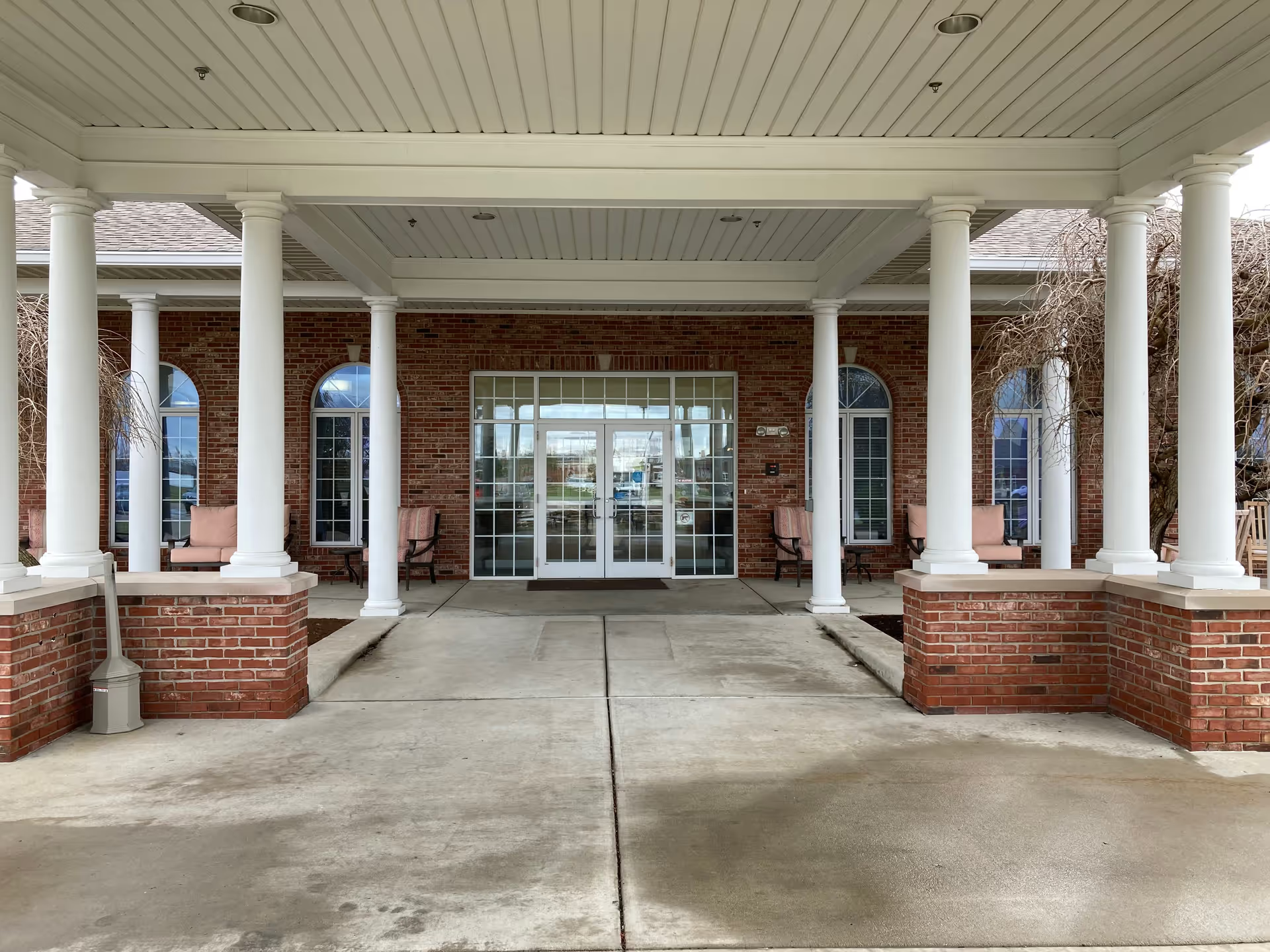
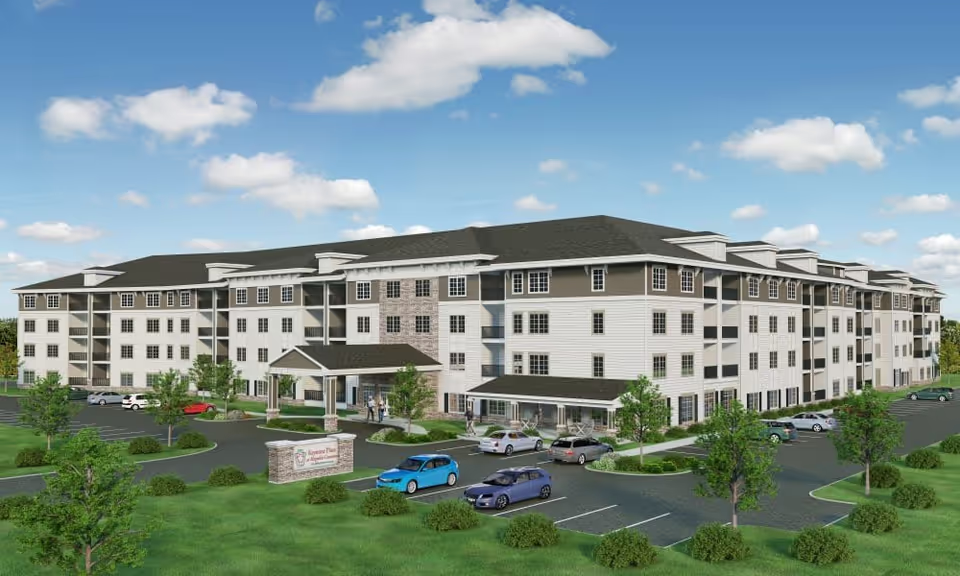
Facilities and location: Physical spaces are a clear strength in many accounts — newer décor, well-sized one-bedroom apartments, and a pleasant entrance create a positive first impression. Some reviewers, however, called attention to older-feeling areas and location limitations for families coming from certain directions. Cost considerations also featured in decisions: some families found the pricing at the top of their budget, while others described the community as good value for the services received.
Management and communication: Experiences with administration are polarized. Several families describe clear, regular communication, thorough tours, and responsive leadership that follows up on concerns. Conversely, a number of reviews point to management unresponsiveness, broken promises about care plans, and uneven follow-through on staffing or clinical issues. These divergent accounts suggest that prospective residents and families should seek specific, current examples of staffing levels, clinical protocols (including medication administration and incontinence care), and written clarification of included services and extra fees during the tour and contract review.
Notable patterns and guidance: The dominant pattern is that staff at the point of care largely drive satisfaction: where caregiving and nursing are steady and engaged, residents tend to thrive; where turnover and understaffing are present, operational weaknesses become more visible. Prospective families should (1) ask about current staffing ratios and turnover rates, (2) request written policies on medication administration, bathing and continence assistance, and meal delivery fees, (3) tour the specific memory-care neighborhood at different times of day to assess ambiance and activity levels, and (4) confirm weekend and after-hours clinical coverage. Doing so will help align expectations with the mixed but actionable set of strengths and weaknesses reflected in these reviews.