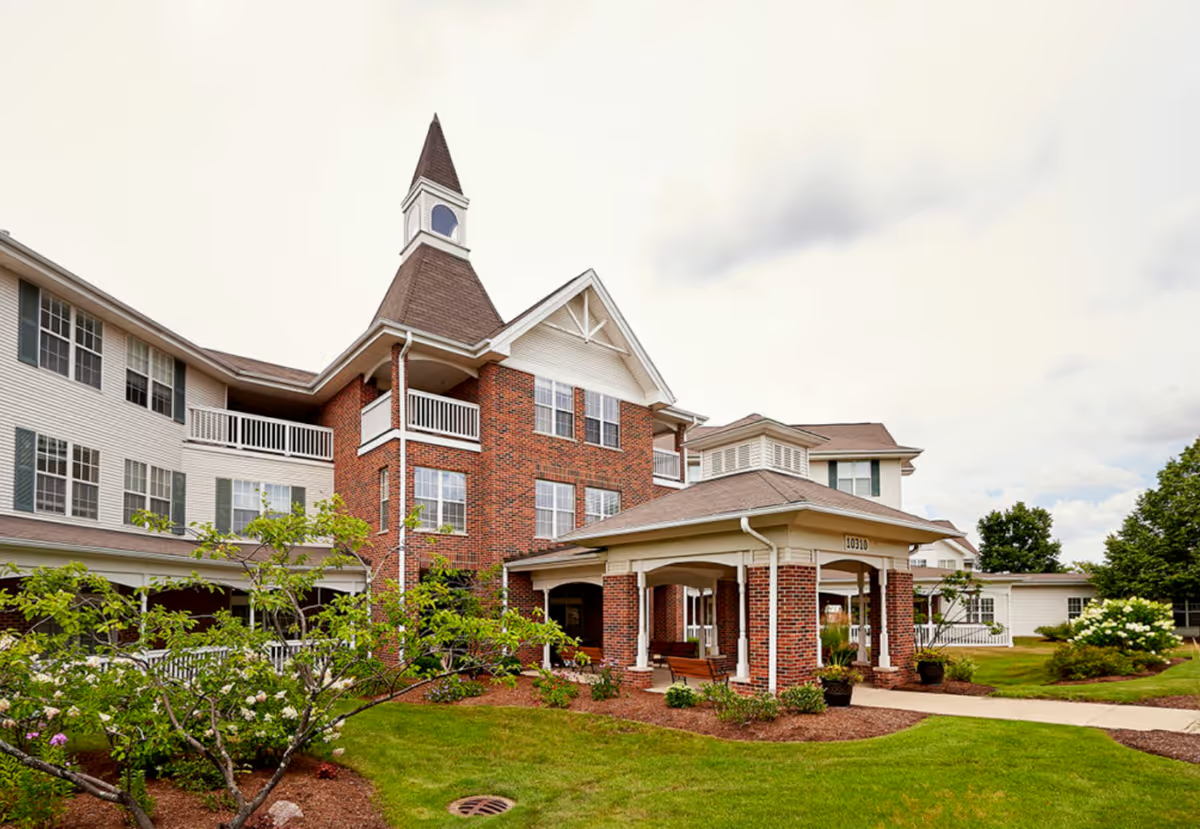
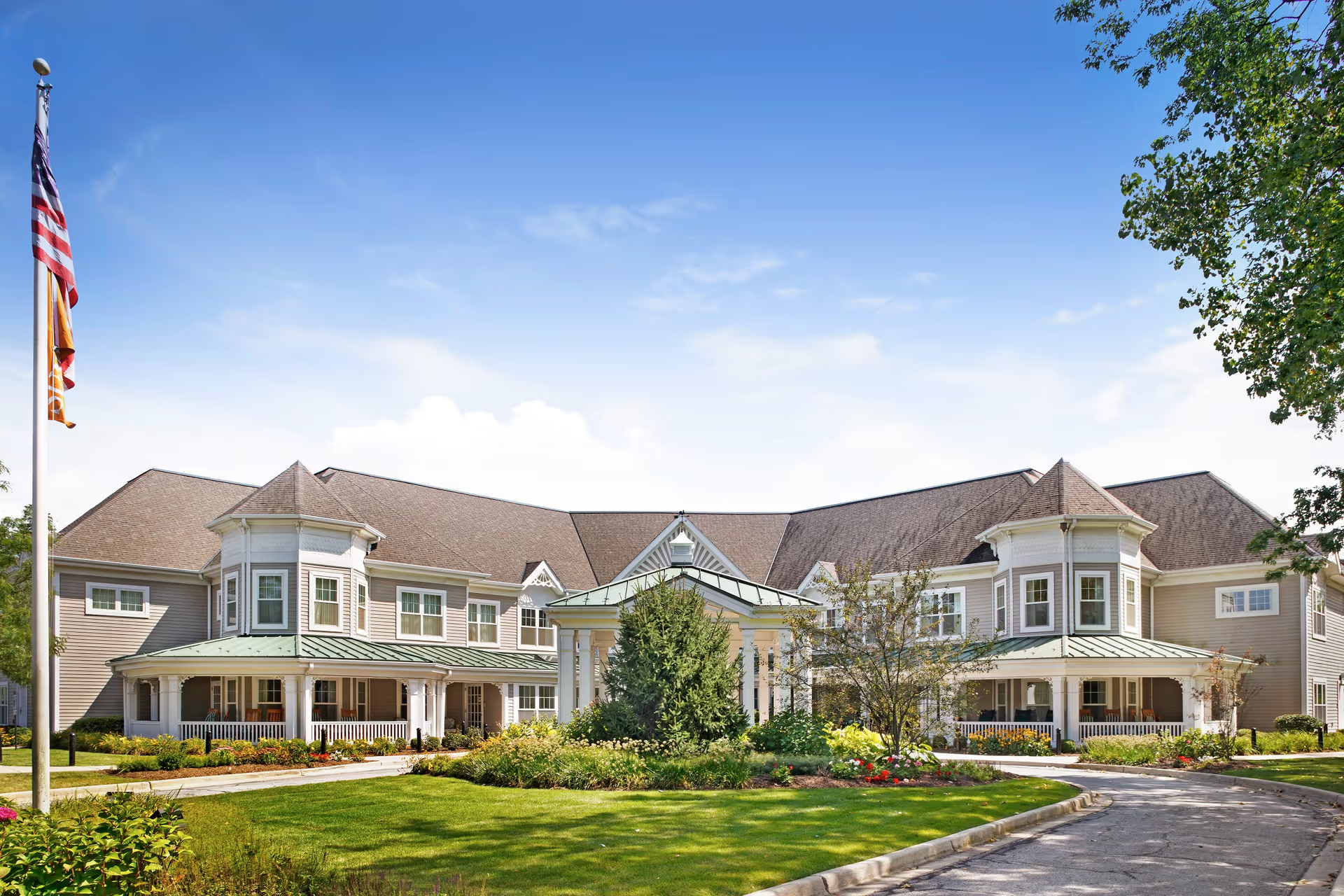
Reviewers consistently describe The Pointe at Kilpatrick as a clean, bright community with apartment-style units, accessible bathrooms, and an active calendar. Many families praise a warm, family-like atmosphere, attentive caregivers, and a recreation program that includes daily exercise, games, clubs, live entertainment, and regular outings. The memory-care neighborhood is noted as secure and includes an enclosed garden; common areas, dining rooms, and outdoor spaces are frequently characterized as well maintained and inviting.
Care quality elicits mixed but specific feedback. Numerous accounts praise nurses, aides, and directors for compassion and individualized attention, and some families describe clear, effective clinical care. However, recurring operational issues surface around staffing and clinical management: high CNA turnover, intermittent short staffing, inconsistent bathing and personal-care schedules, and concerns about medication administration and clinical follow-through. Some families linked these clinical inconsistencies to unexpected hospital transfers or additional interventions. There are also isolated allegations of missing cash and other property-safeguarding concerns that point to gaps in internal controls.
Dining and programming are frequently cited as strengths. Many reviewers note balanced, appealing meals, themed specials, and flexible dining options; at the same time, a subset of families described variability in meal quality and a trend toward more processed items over time. The activity program is a clear asset—residents and families report a wide selection of social, physical, and cognitive activities led by an engaged recreation staff, along with transportation and off-site outings.
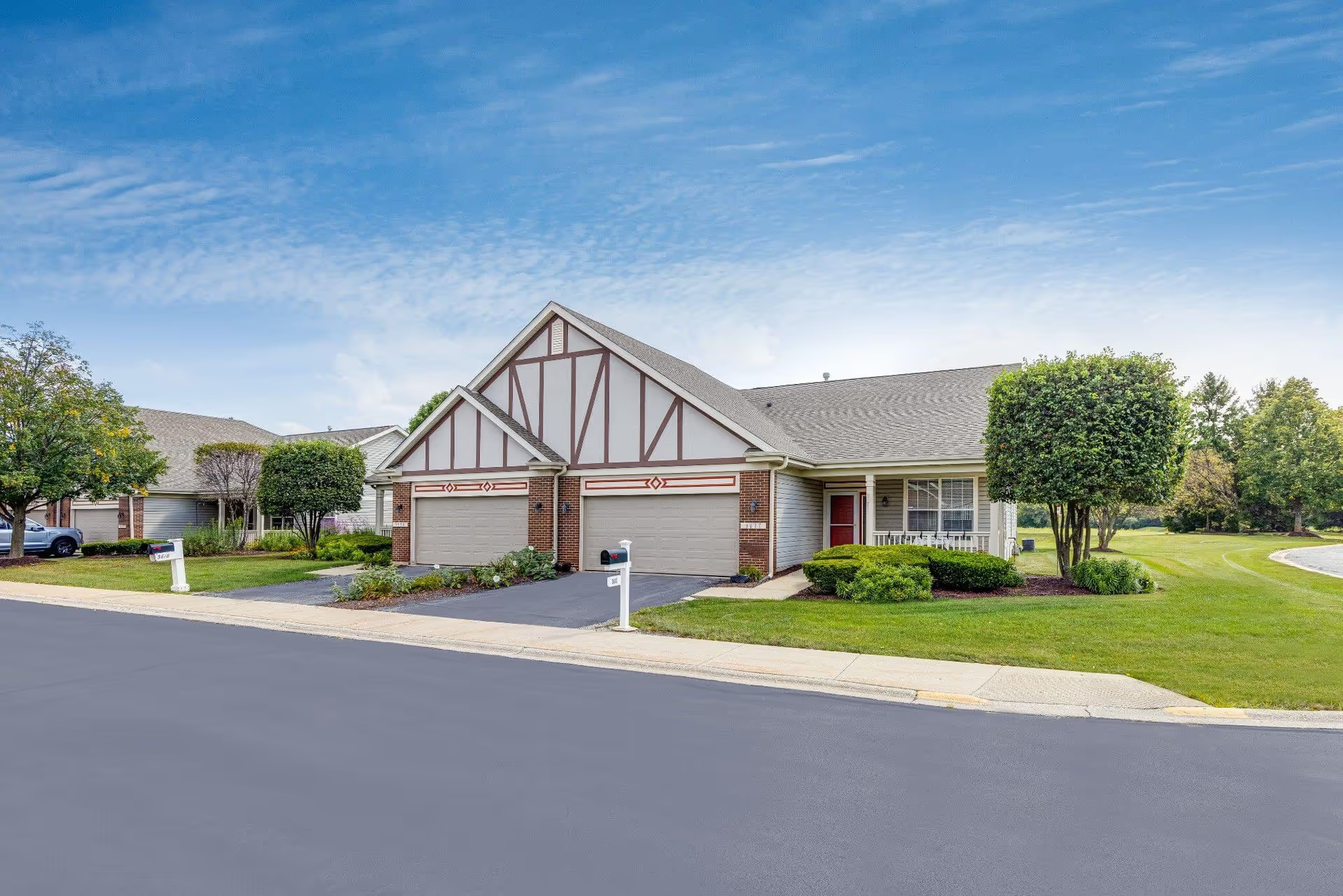
Facility amenities and design score well overall: units with kitchenettes, bright main-floor spaces, secure entry systems, handicapped-accessible fixtures, and communal amenities such as salons, gyms, and therapy rooms. That said, some reviewers raised maintenance and sanitation concerns in specific areas (e.g., occasional odor or cleanliness issues, worn furnishings, and inconsistent housekeeping), suggesting variability in the facility’s quality-control processes.
Management and communication present a polarized picture. Admissions and certain staff members (named individuals were praised frequently) are highlighted for being welcoming and helpful; other comments raise concerns about management style, inconsistent enforcement of policies, perceived favoritism, and defensive or uncommunicative responses to family questions. Operational policies affecting placement—most notably gender-based constraints in the memory-care unit and a waiting-list process—were also flagged as limiting for some families. Cost and perceived value emerged as a concern for some relatives, who described charges that consumed residents’ benefits or a mismatch between expectations and service continuity.
Taken together, the pattern is of a community with strong social programming, a welcoming physical environment, and many praised caregivers, but also with recurring operational weaknesses that merit scrutiny. Prospective residents and families should verify current staffing ratios and turnover, ask about medication-administration protocols and incident-reporting practices, review housekeeping and pest-control procedures, clarify memory-care placement rules, and request recent sample menus and references from current families to assess consistency before making a placement decision.