Overall impression: The reviews paint Fair Oaks Health Care Center as a facility with strong clinical strengths—particularly in rehabilitation services—and a generally warm, home‑like atmosphere. Many comments highlight caring, attentive direct‑care staff and an active therapy program that supports residents' return home. At the same time, reviewers raised operational concerns centered on administrative communication, staffing stability, and occasional unevenness in non‑clinical interactions.
Care quality and therapy: Clinical care and therapy are the most consistently praised aspects. Reviewers describe attentive nurses, CNAs, and therapists who provide hands‑on, knowledgeable physical and occupational therapy. Therapy staff are characterized as motivating, skilled at improving mobility, and effective at preparing residents for discharge; overall the facility appears well regarded as a short‑term rehab destination. Several accounts emphasize individualized therapy plans, patience from staff, and measurable recovery progress.
Staff and culture: Many families experienced compassionate, supportive caregiving and staff who go beyond duties to preserve residents' dignity and comfort. The interpersonal tone is often described as friendly, encouraging, and like family, with staff providing social engagement and emotional support during difficult periods. However, there is a clear pattern of variability across roles: while clinical teams (nurses, CNAs, therapists) receive strong praise, some reviewers flagged unprofessional conduct or poor responsiveness from front‑desk and admissions personnel.
Dining and activities: Dining receives generally favorable remarks—food quality is described as good and substitutions are accommodated. The activities program is viewed as lively and diverse, including art projects, entertainers, and social programming that contributes to a positive atmosphere. These offerings appear to support both morale and engagement for short‑term and longer‑stay residents.
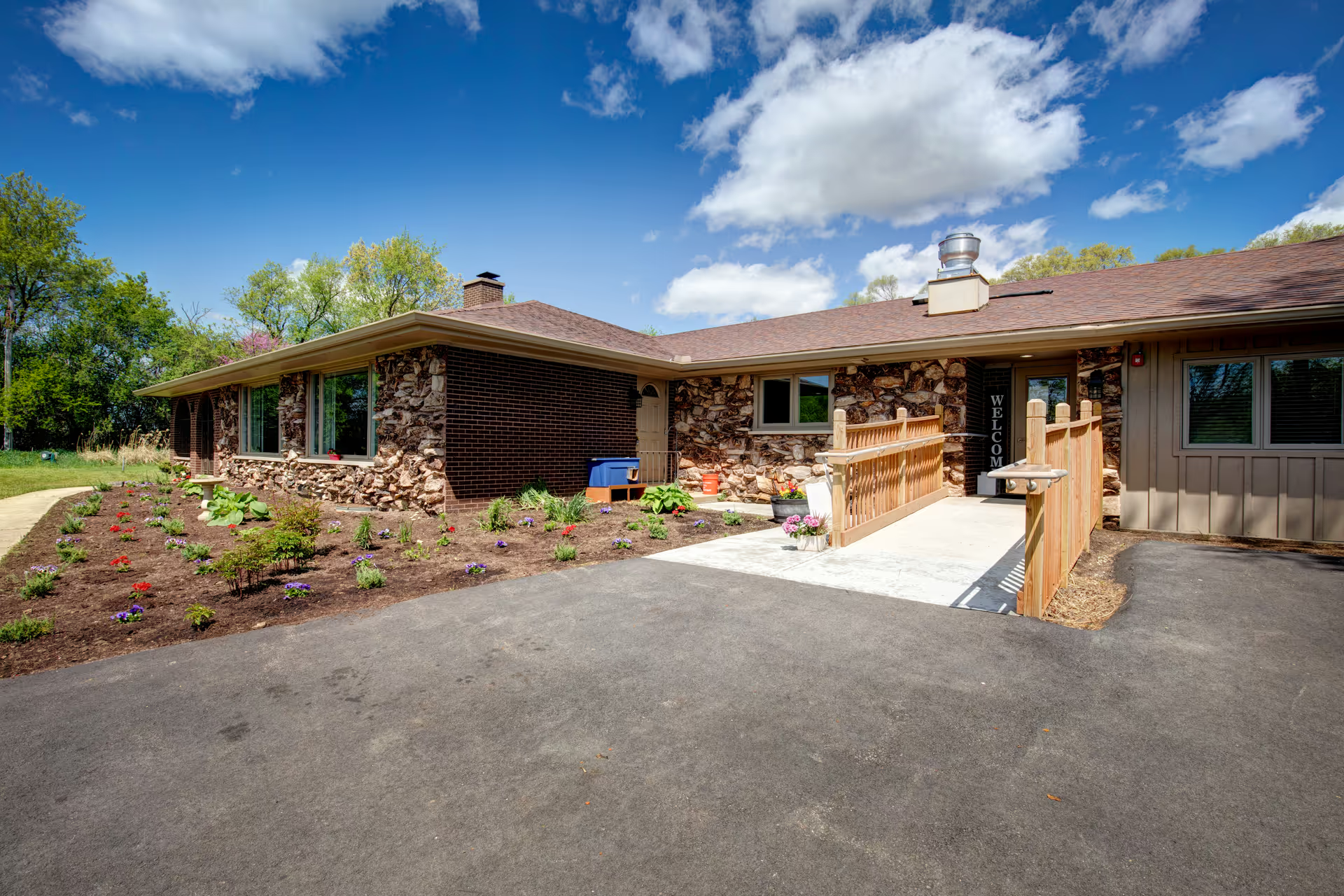
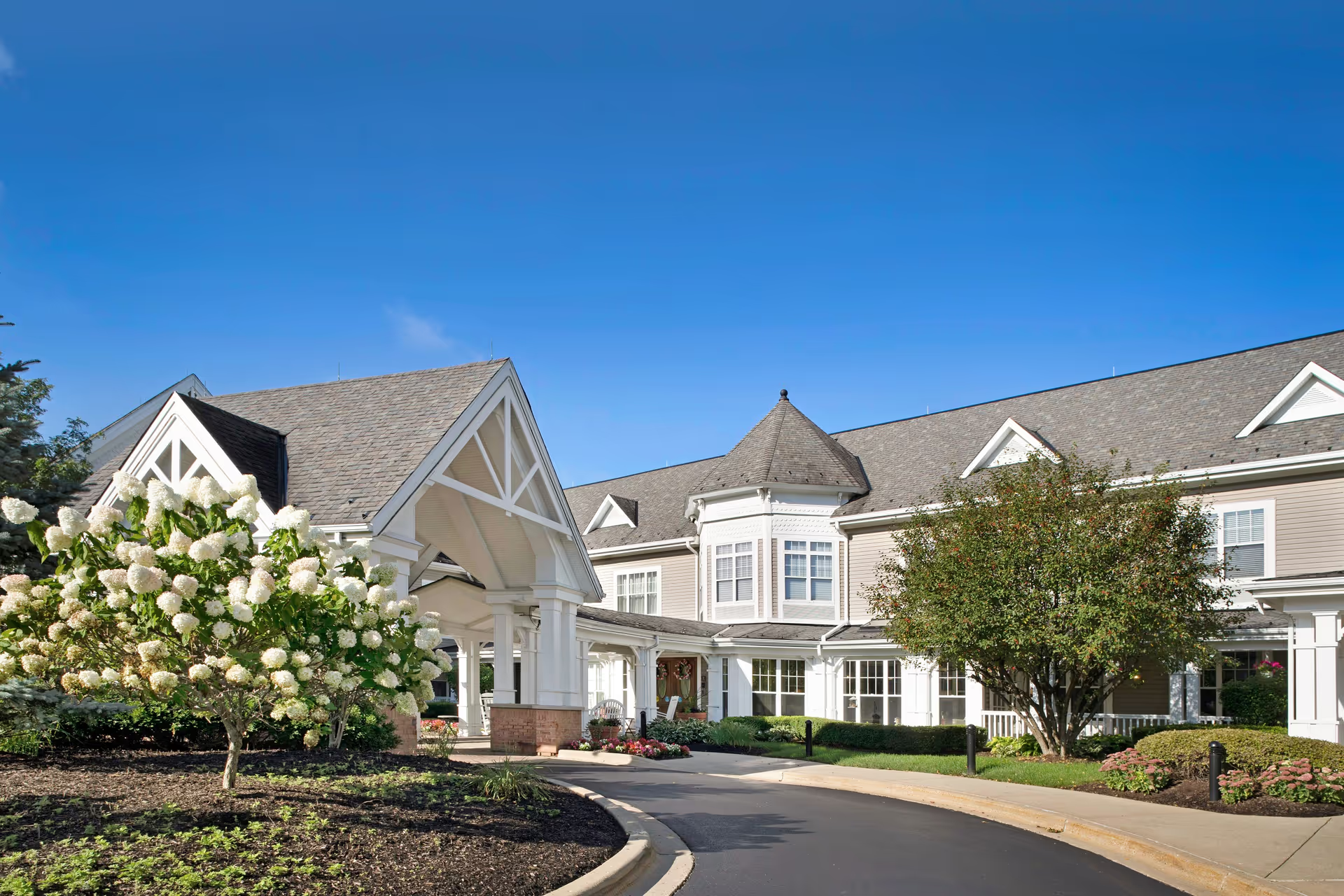
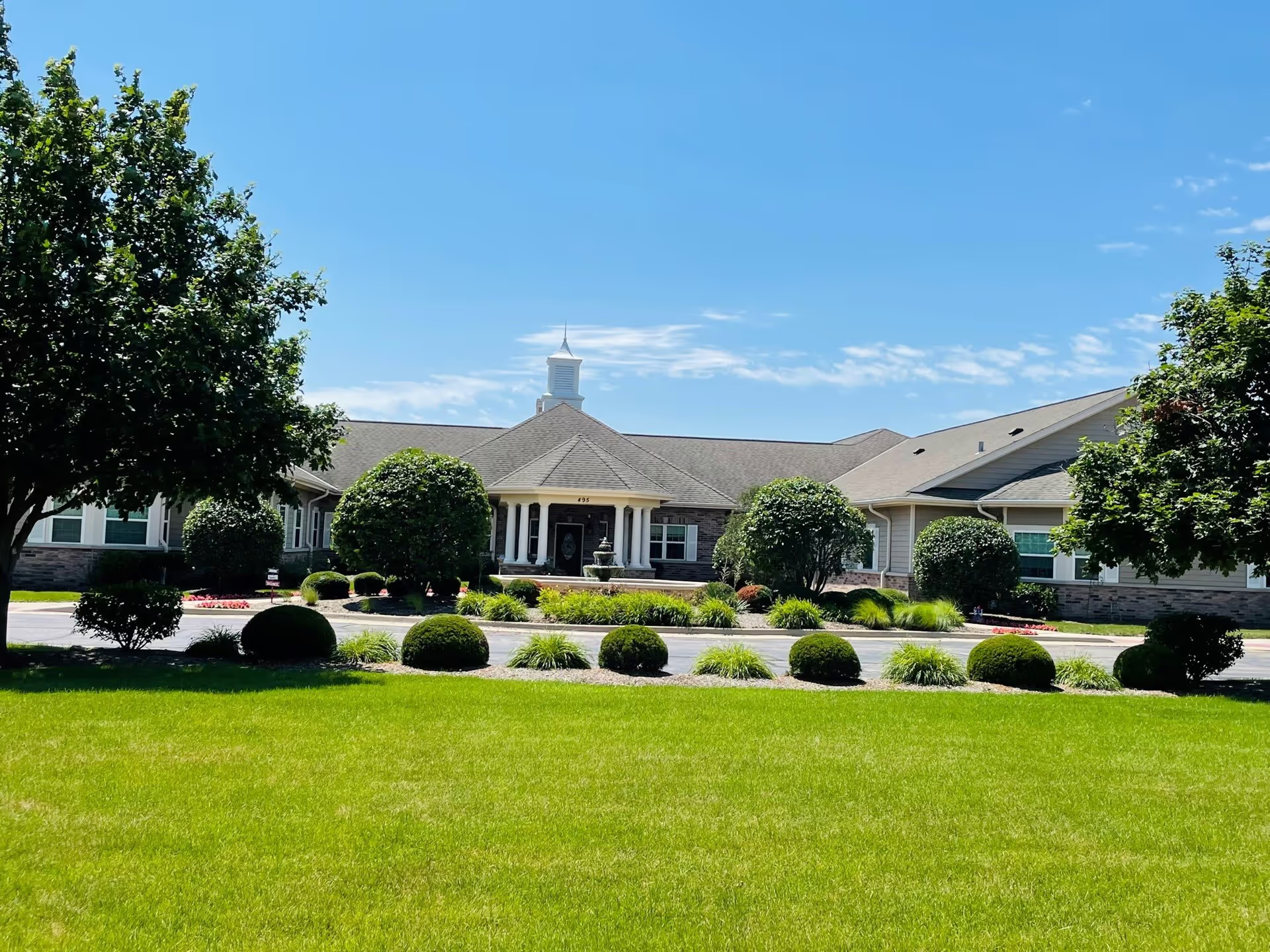
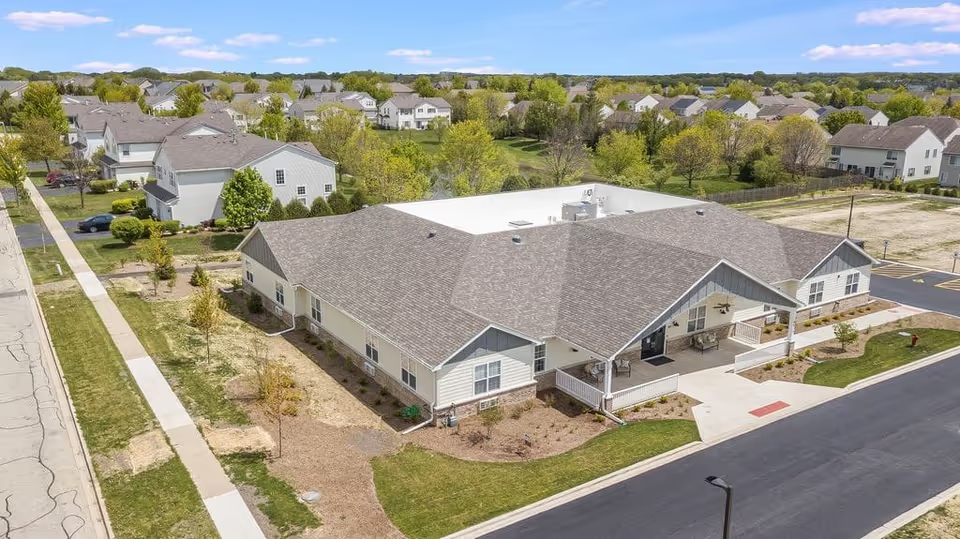
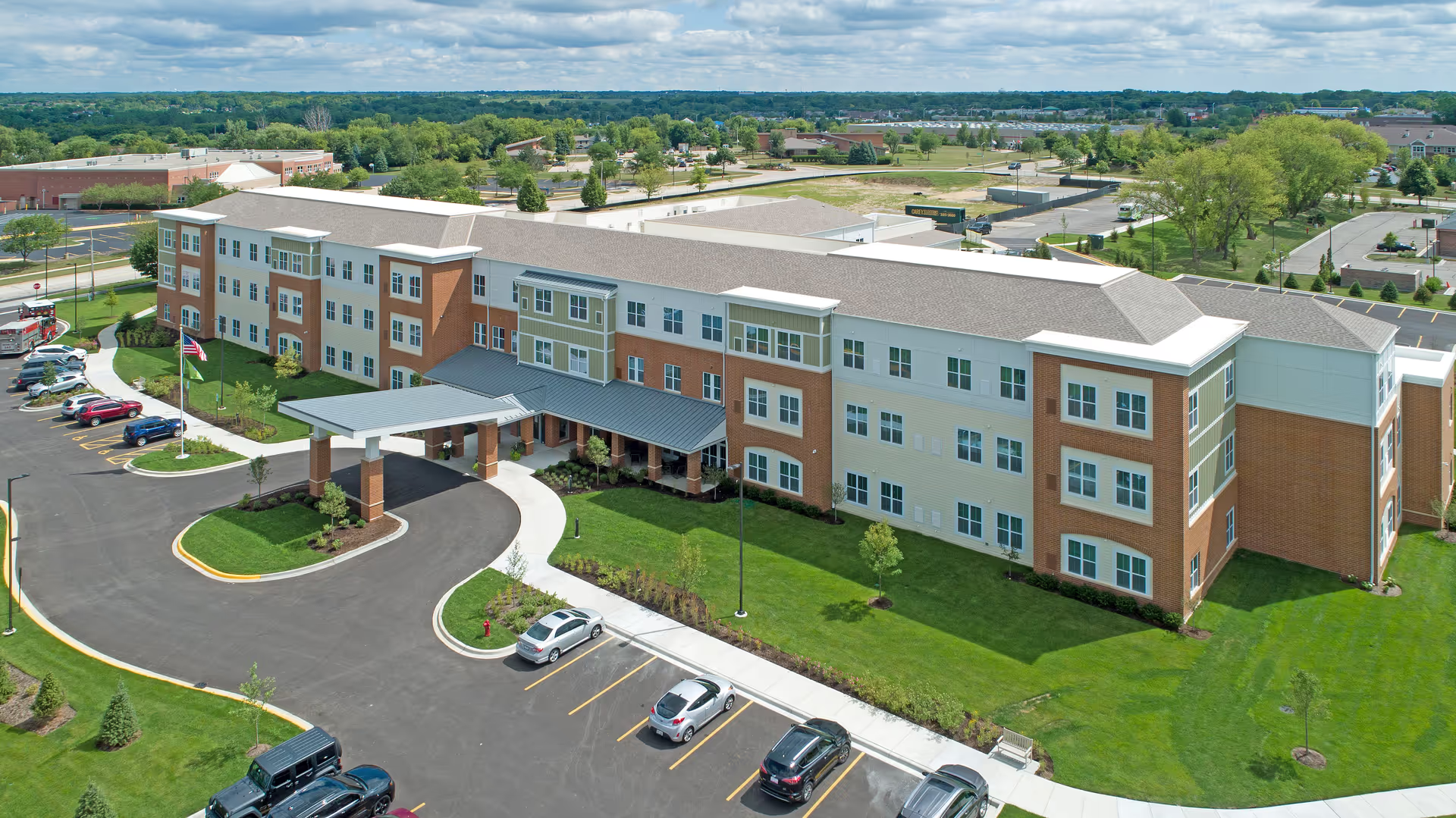
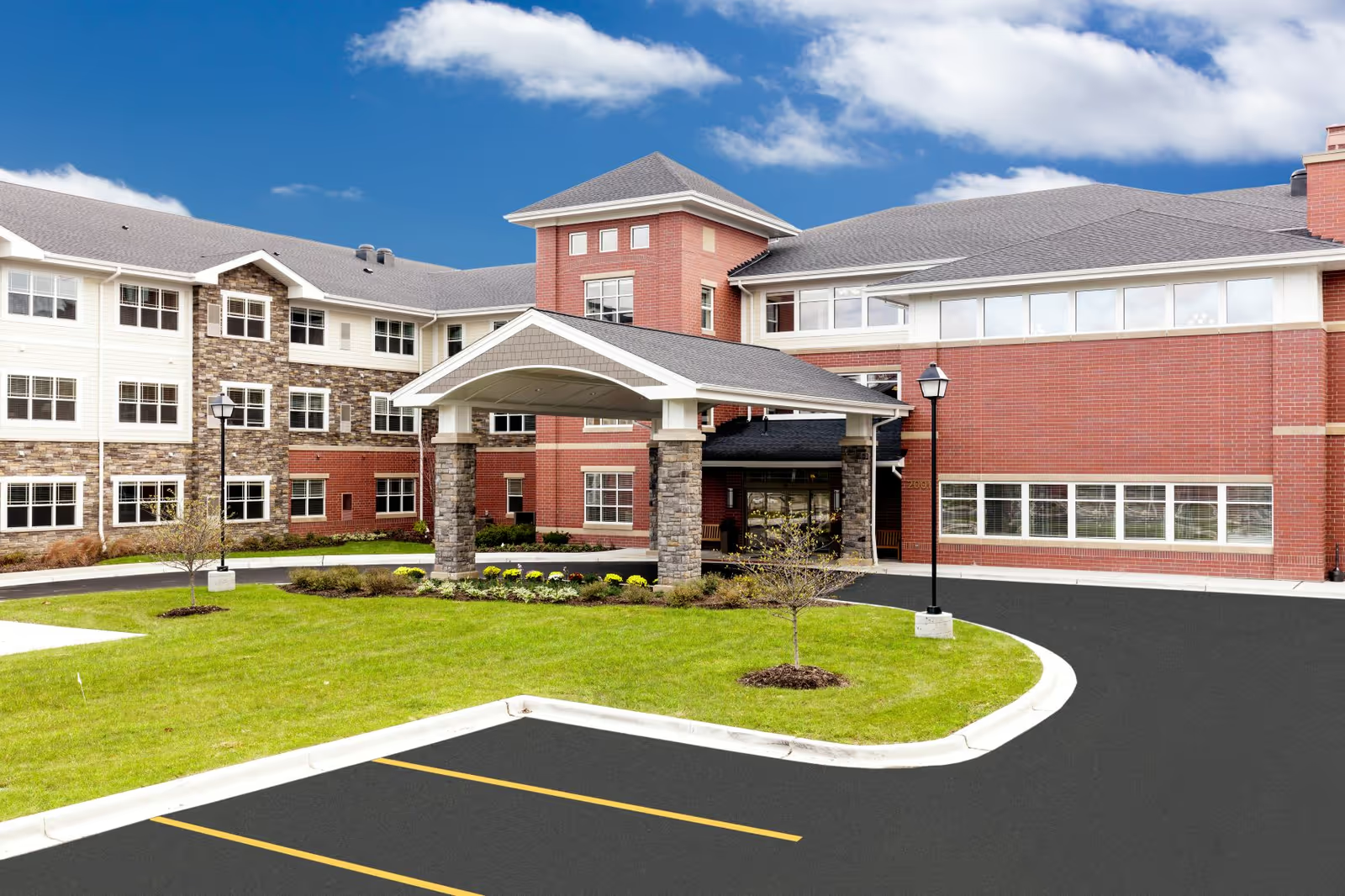
Facilities and housekeeping: Facility upkeep is commonly noted as a strength. Rooms and common areas are described as clean and well maintained, with prompt housekeeping and options for private or semi‑private rooms. Reviewers also appreciated outdoor access and fresh‑air areas. These elements reinforce the facility's rehabilitative and homelike environment.
Management and notable patterns: Management involvement and specific staff (including social‑services contacts) receive praise in some accounts for being hands‑on and responsive. Conversely, a recurring operational pattern is inconsistent administrative communication—notably during admissions and via telephone—and reports of high turnover or use of agency staff that may produce variability in service continuity. Prospective families should be aware of this split: strong clinical and therapy performance alongside uneven administrative/customer‑service experiences.
Advice for prospective families: Visit during a therapy session, speak directly with the therapy team, and observe interactions at the front desk. Ask about current staffing models (use of agency staff vs. permanent hires), turnover rates, the admissions point of contact, and the facility’s process for family communication. These targeted questions will help confirm whether the clinical strengths noted in reviews align with stable, consistent administrative support for a particular admission.