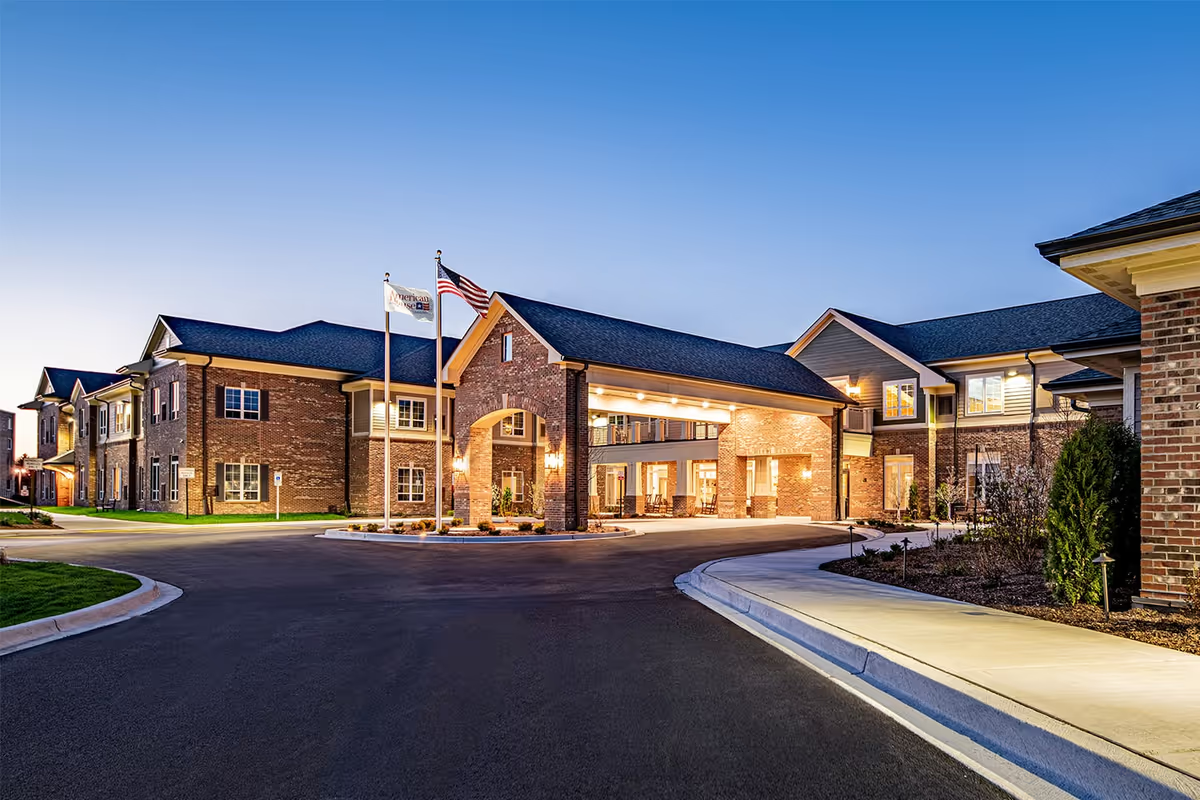
Asbury Court elicits strongly mixed impressions. Many families and residents describe a warm, welcoming culture at the point of admission: sales and admissions staff are frequently praised for helpfulness and for easing paperwork and move-in logistics. Numerous accounts highlight compassionate, engaged frontline caregivers and clinical staff who support residents’ independence and social engagement. Housekeeping and laundry services are repeatedly described as dependable, and activity programming (bingo, card games, bus outings and an expanding events calendar) is a commonly cited strength. The community offers on-site clinical and therapy resources, a memory-care unit that accepts Medicaid, and convenient access to shopping and public transit.
However, a substantial minority of accounts point to operational deficiencies that prospective families should evaluate closely. Clinical-care consistency is uneven: reviewers describe medication-administration problems, gaps in nursing coverage (including changes to overnight staffing), and communication breakdowns between clinical staff and families. These issues have been linked to transfers for higher-level care in at least one account and to general family dissatisfaction in others. Staffing instability and turnover are recurring themes and appear connected to variability in both clinical and dining services.
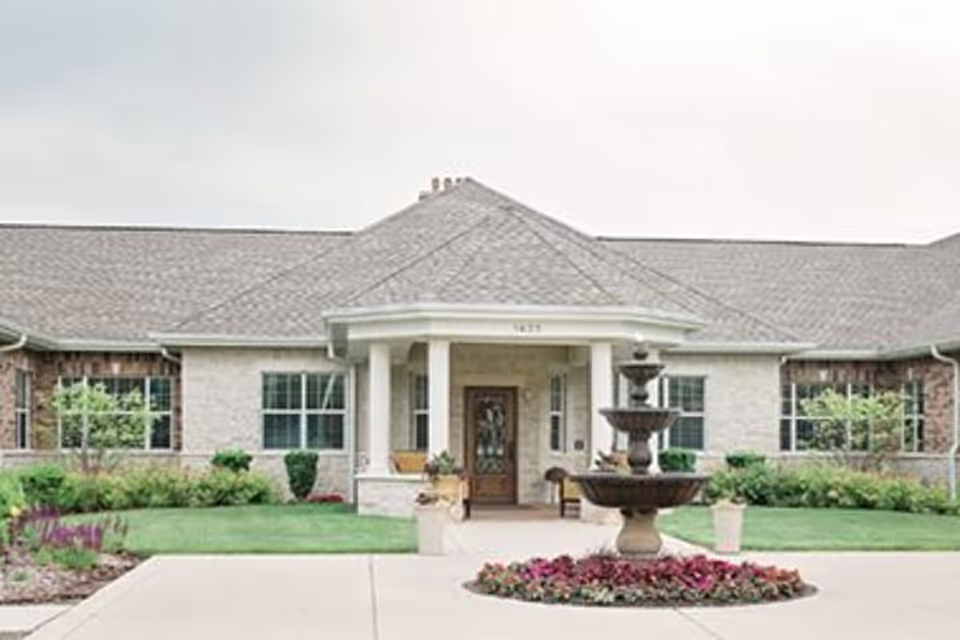
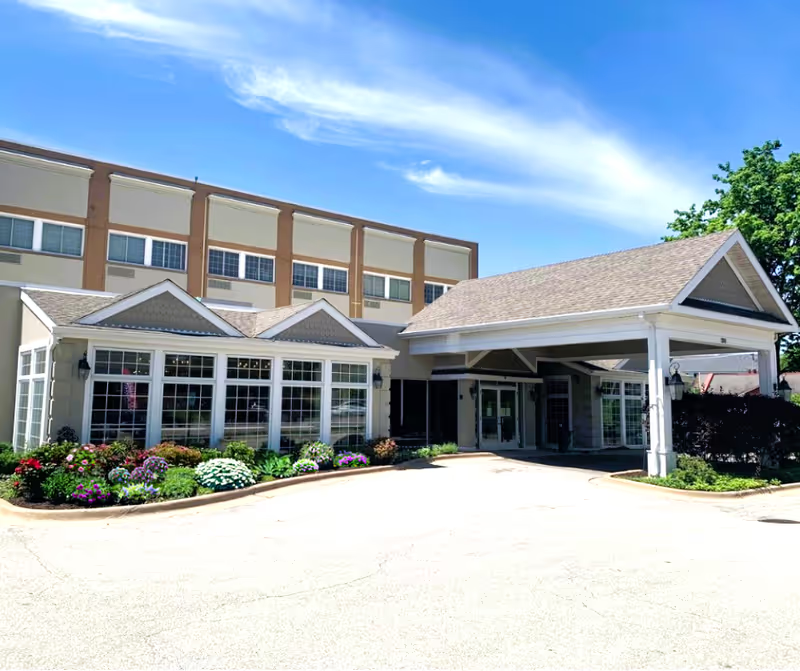
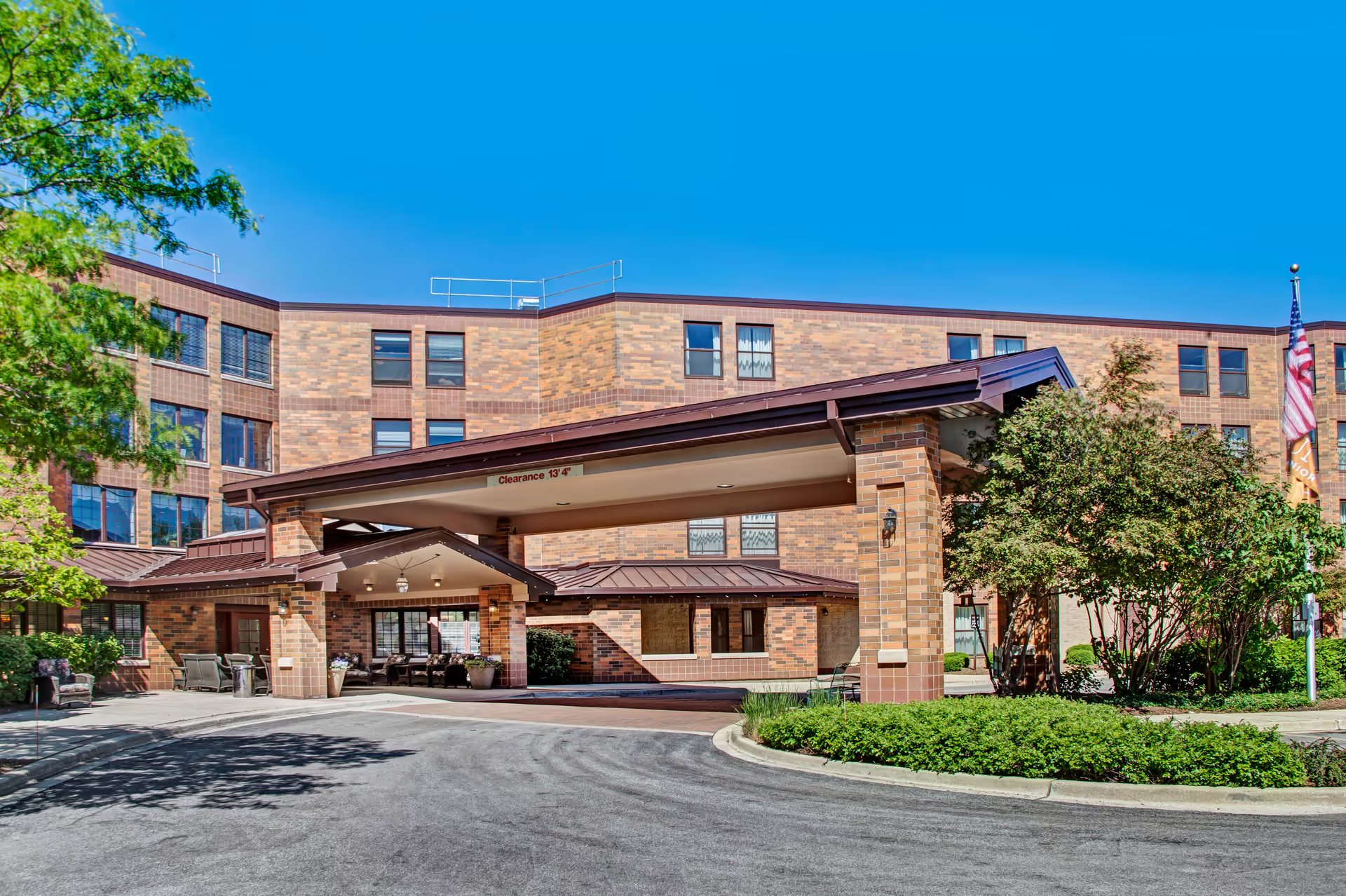
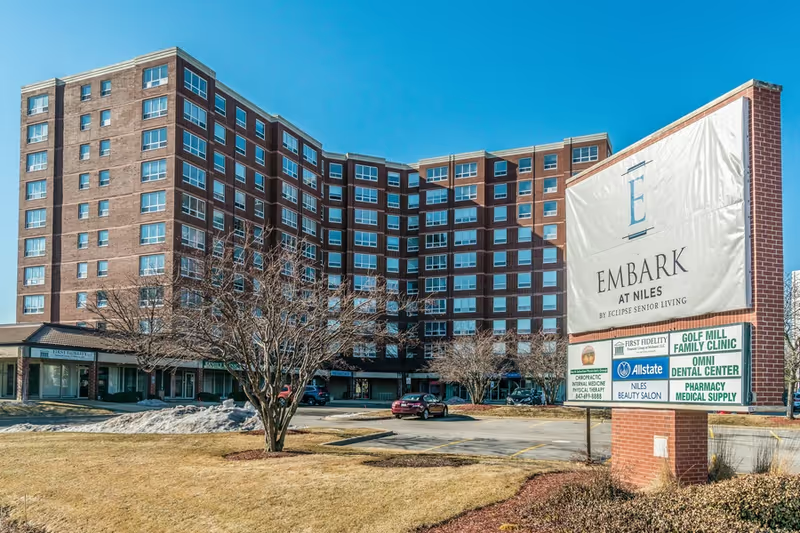
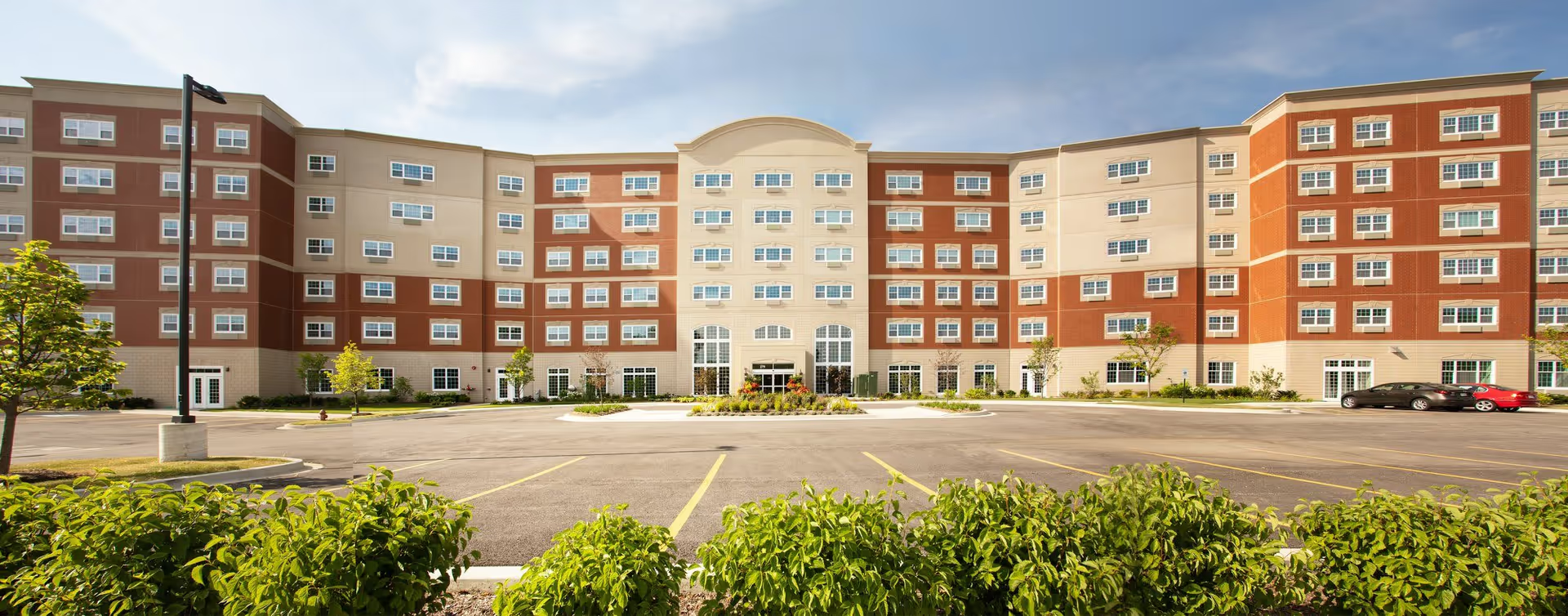
Dining experiences are polarized. Several reviewers praise breakfast and lunch offerings and note staff engagement during meals, but others report limited evening menus (frequent sandwich or PB&J dinners), delays, and occasional food-supply problems. Dining-room service quality and timeliness are inconsistent across reports. Facility condition is similarly mixed: parts of the building are described as attractive and recently updated, with thoughtful common-area design and outdoor seating, while other areas show wear — dated finishes, water damage, peeling paint, and small apartment footprints. Odor concerns in some corridors, sanitation and pest-control issues in select units, and unfinished renovation work were mentioned and should be confirmed during a tour.
Management and administrative practices show contrasts. The admissions and sales teams receive frequent commendations, and some leadership members and nurses are singled out for strong performance. At the same time, reviewers cite episodic poor communication from reception or management, unclear billing (including a non-refundable community deposit and questions about extra charges), and instances of misinformation about care decisions. Renovation activity has improved amenities for some but has also caused disruption for others.
Notable patterns: experiences vary widely — several reviewers report excellent, reassuring care and a lively social environment, while a distinct set of reviews raises substantive concerns about clinical reliability, facility maintenance, dining consistency, and sanitation or pest control. Recommended next steps for prospective families: observe mealtimes, ask for current staffing ratios and overnight coverage plans, review recent state inspection reports, clarify contract terms (deposits and extra charges), tour both renovated and older wings, and speak directly with the clinical director about medication management and contingency plans for outages or emergencies.