Overall assessment Reviews convey a pattern of operational weaknesses that affect daily life and perceived safety at the community. The central themes are management and staffing failures, sanitation and facility-maintenance problems, and shortcomings in emergency preparedness. These issues, as described by multiple reviewers, intersect to create concerns about the consistency and reliability of care and services.
Care quality Concerns about care focus on responsiveness and clinical follow-through. Reviewers described delays or refusals to address medical needs and gaps in care coordination; these suggest weaknesses in on-shift clinical protocols, escalation pathways, or staffing levels. Given these accounts, prospective families should verify current staffing ratios, medication- and care-response procedures, and how the community documents and communicates clinical incidents.
Staff The staff-related feedback centers on availability and conduct. Reviewers report staff unavailability during key times, an indifferent tone in interactions, and a perception that leadership is not responsive when issues are raised. Several reviewers named the onsite manager as being difficult to engage and unavailable for meetings. Taken together, these points indicate potential problems with staff training, supervision, and accountability systems.
Dining and activities There is limited specific information about dining and organized activities in the submitted summaries. The absence of positive mentions combined with operational concerns (staffing, management focus diverted by facility issues) raises the possibility that programming and meal-service consistency could be affected. Visitors should request recent menus, activity schedules, and attendance/staffing information for programs during a tour.
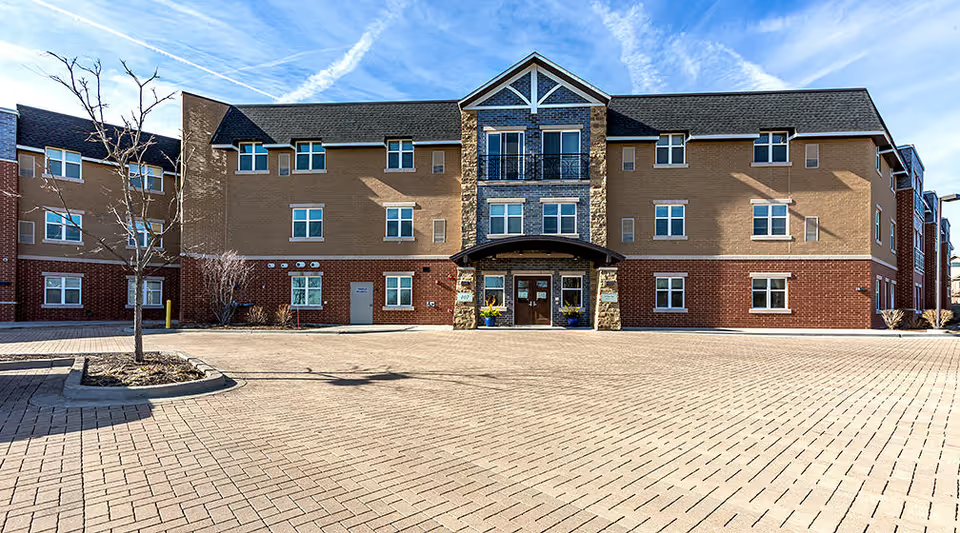
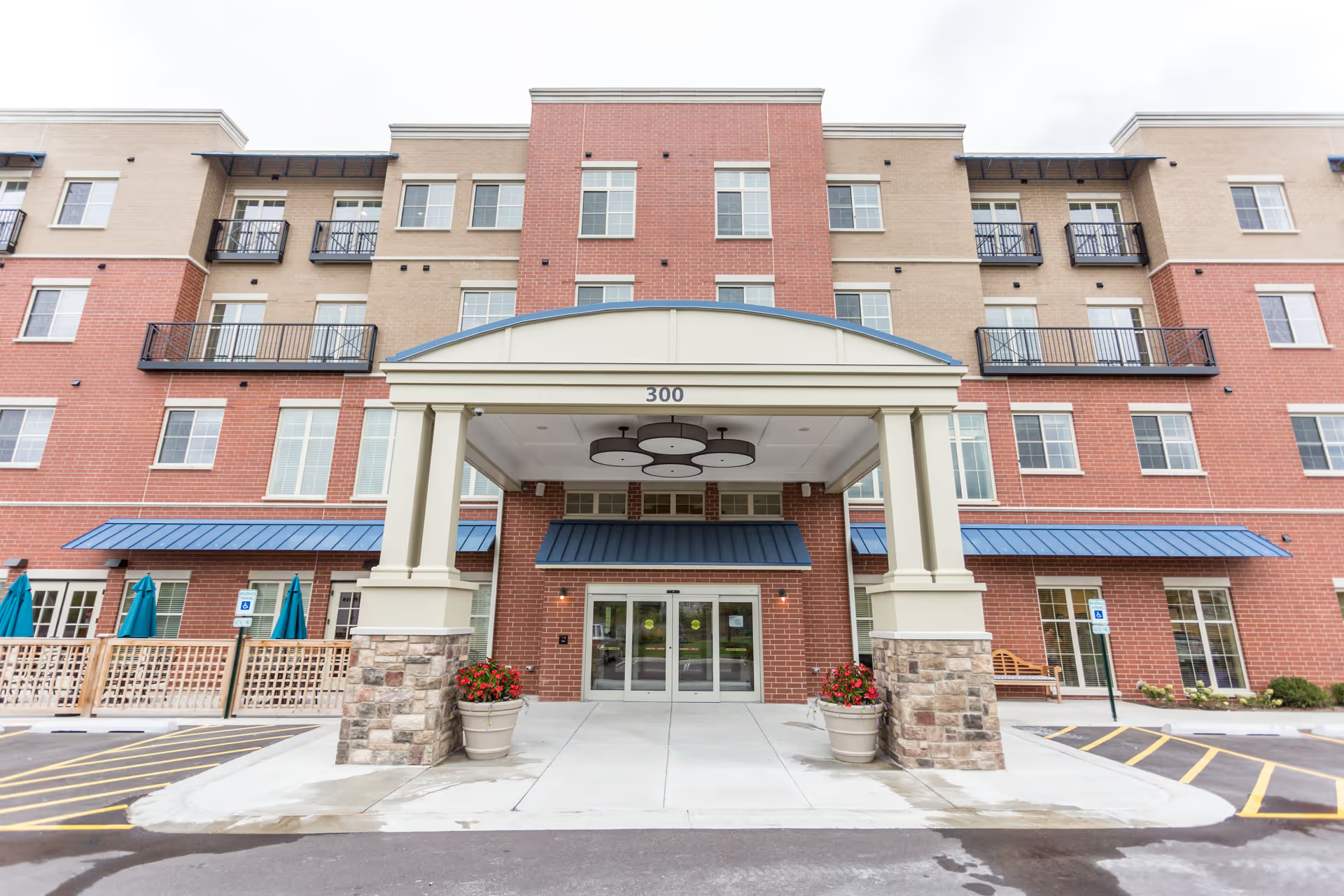
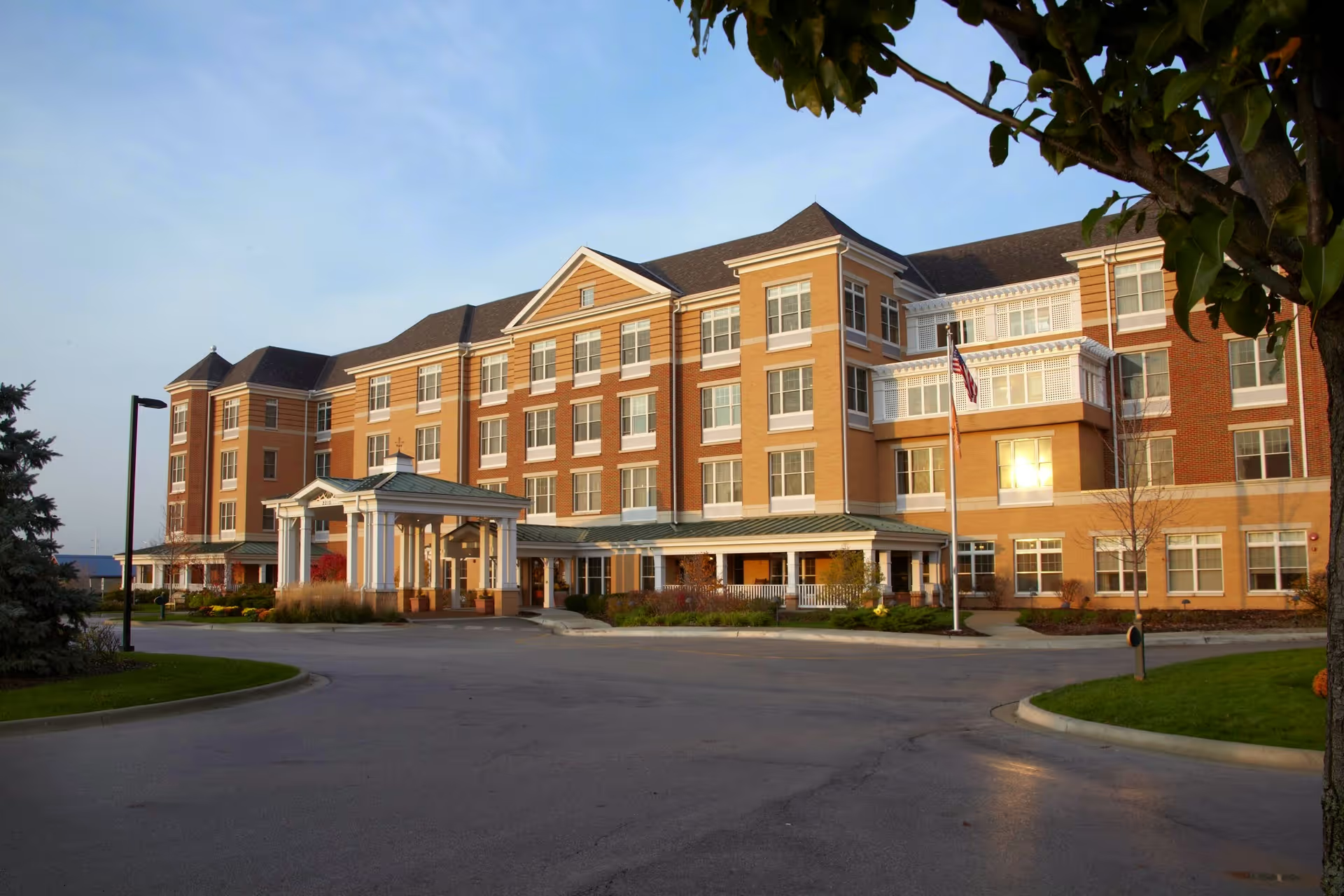
Facilities and safety Multiple reviewers noted recurring environmental and safety problems. Sanitation concerns in common areas and doorways were described, and reviewers indicated exposure risks for caregivers and visitors. The community also appears to experience frequent fire alarms and lacks clear, practiced evacuation procedures. In addition, a building remodel is characterized as poorly executed and disruptive. These items point to weaknesses in maintenance oversight, infection-control practices, and emergency-preparedness planning.
Management and administrative practices Management is the most frequently cited area of concern. Comments include unresponsiveness to resident issues, absence during meetings, and leasing practices perceived as misleading. These suggest gaps in transparency, resident-family communication, and move-in/lease administration. Families should request copies of lease documents, complaint-resolution procedures, and recent inspection or corrective-action records.
Notable patterns and recommendations The recurring topics across reviews are unresponsive management, inconsistent staff availability, sanitation and infection-control issues, frequent alarm events with unclear evacuation plans, and poorly managed renovations. For anyone considering this community, recommended next steps include: an in-person visit that inspects common-area cleanliness and recent renovation work; asking to review emergency-evacuation plans and drill schedules; requesting written policies on clinical escalation and staffing ratios; and examining lease documentation and move-in disclosures. Verifying current conditions with up-to-date inspections or regulatory reports will help determine whether past issues have been addressed.