Overall, the reviews present a facility with many operational strengths alongside a small number of serious clinical and communication concerns. Strengths most consistently described include a stable, experienced caregiving team and positive leadership; multiple comments reference long-tenured staff, high morale, and a manager-level presence that families and employees find reassuring. The facility’s activity program is frequently characterized as engaging and motivating, and several accounts describe increased resident participation and improved well-being after enrollment.
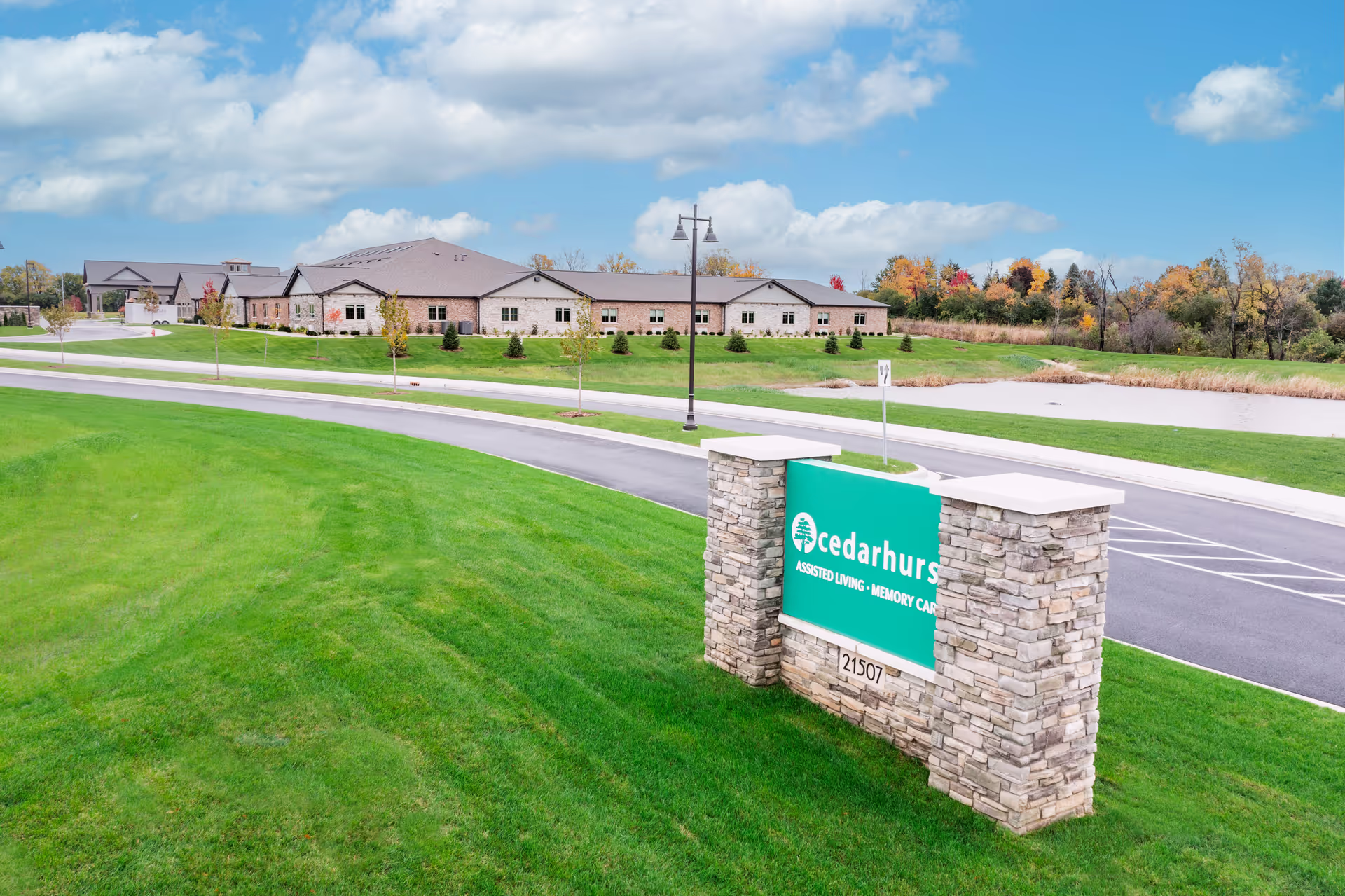
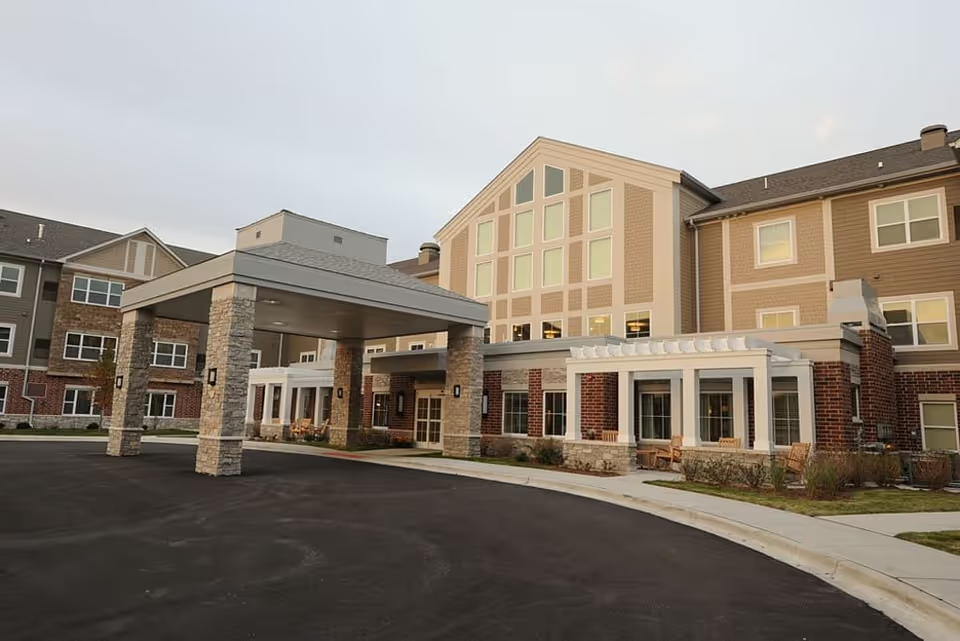
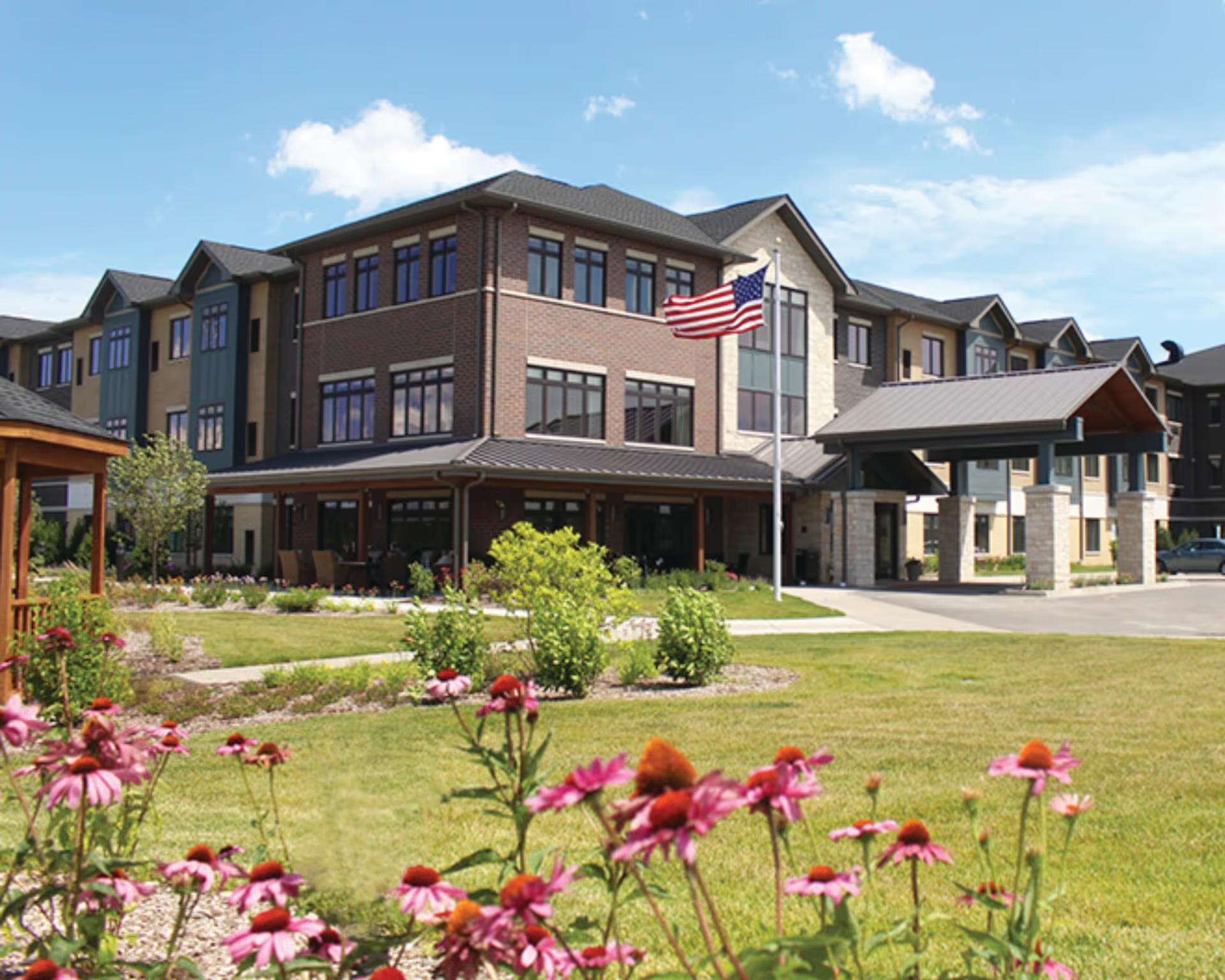
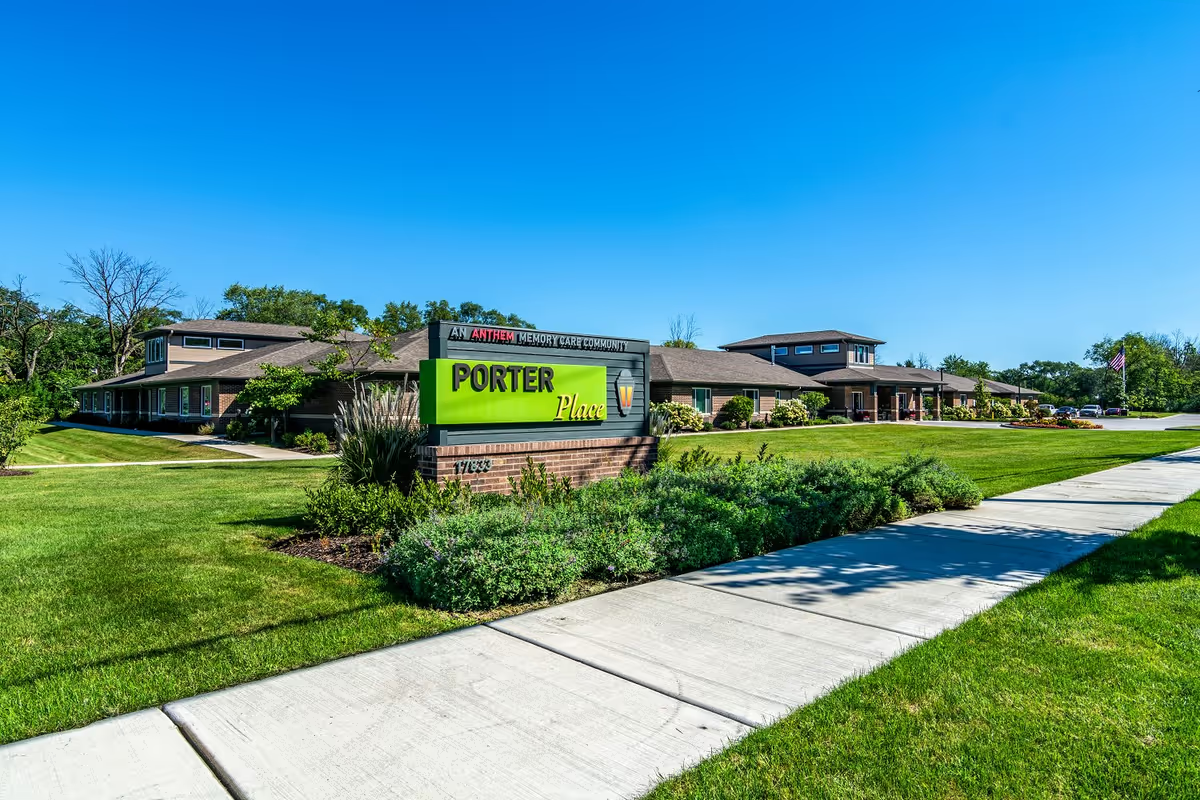
Dining and hospitality are commonly cited positives: reviewers note three full meals daily, appetizing portions with extras available, and generally good quality. Housekeeping and laundry receive repeated praise for timeliness and cleanliness, and the building and grounds are described as well-maintained with a home-like atmosphere and pleasant entryway. Social services and care-planning are also seen as constructive, with individualized attention and helpful counseling mentioned by families.
However, one detailed family account describes a sequence of clinical failures (falls, pressure injury, infection, and hydration issues) and difficult family–staff interactions; that account stands in contrast to the majority of positive reviews and suggests the facility may have inconsistent performance when managing higher-risk or behaviorally complex residents. Taken together with other comments about communication tone, these accounts indicate potential gaps in clinical oversight (particularly fall prevention, pressure-injury prevention, and hydration monitoring) and in family communication and responsiveness after adverse events.
Because many employee-perspective reviews appear in the dataset, there is also a noted possibility of rating bias; this does not invalidate the positive elements identified, but it does recommend careful independent evaluation. Prospective residents and families should verify clinical protocols directly during a tour: ask about fall-prevention measures, pressure-injury and wound-care procedures, hydration and nutrition monitoring, staffing levels for residents with behavioral needs, and how the team documents and communicates incidents to families. Also request recent quality indicators and examples of care plans for residents with similar needs.
In summary, Frankfort Terrace shows clear strengths in staffing continuity, activities, dining, cleanliness, and leadership, which contribute to a home-like environment favored by many residents and employees. At the same time, there are notable concerns around the facility’s management of complex clinical risks and family communication in certain cases. A focused, document-backed tour and specific questions about protocols for high-risk residents will help determine whether the facility’s operational practices align with a particular prospective resident’s needs.