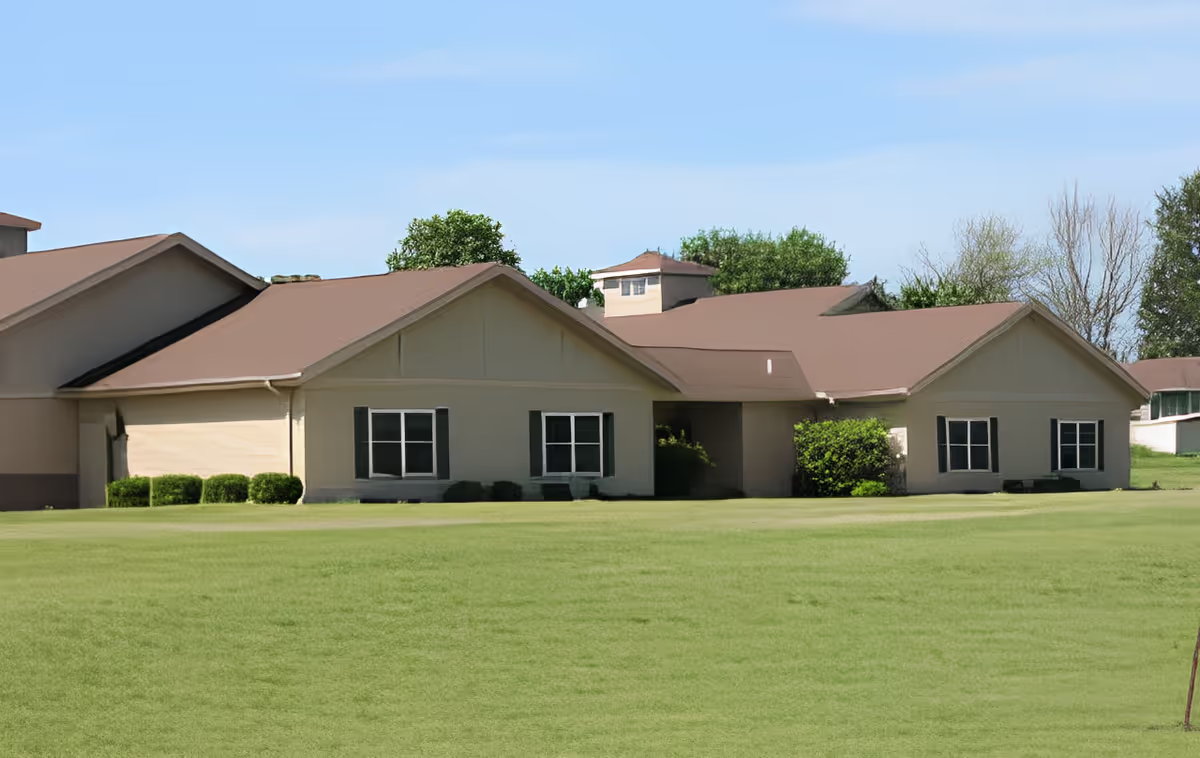
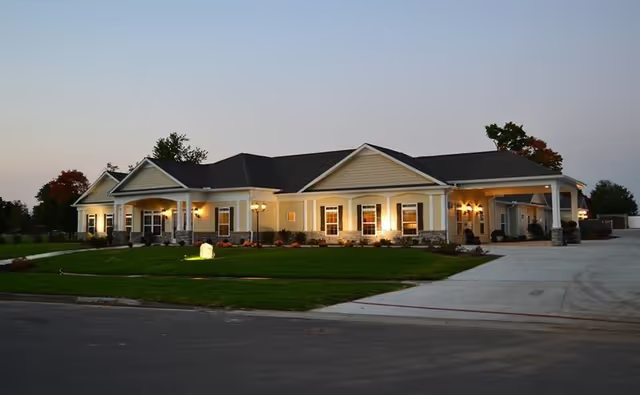
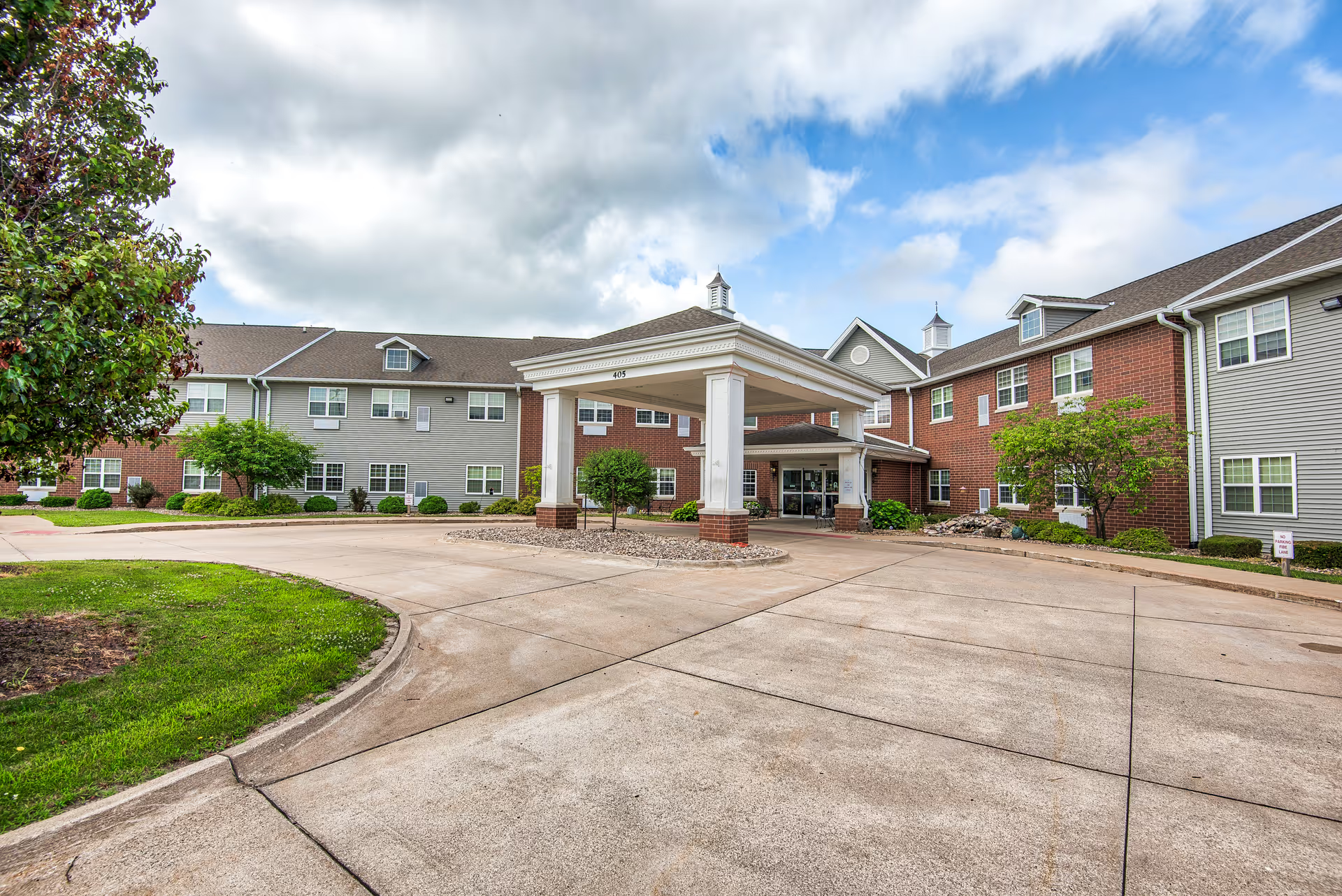
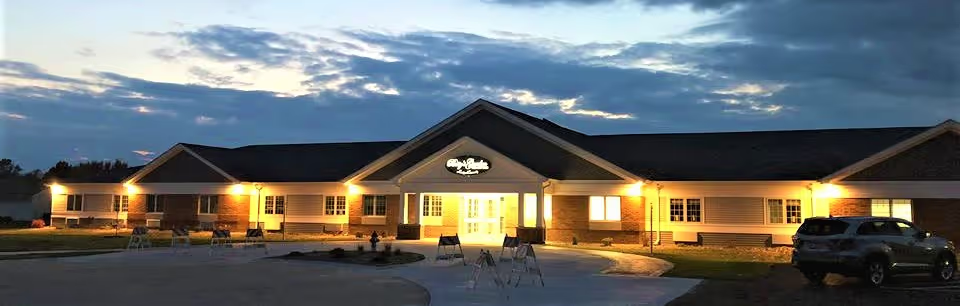
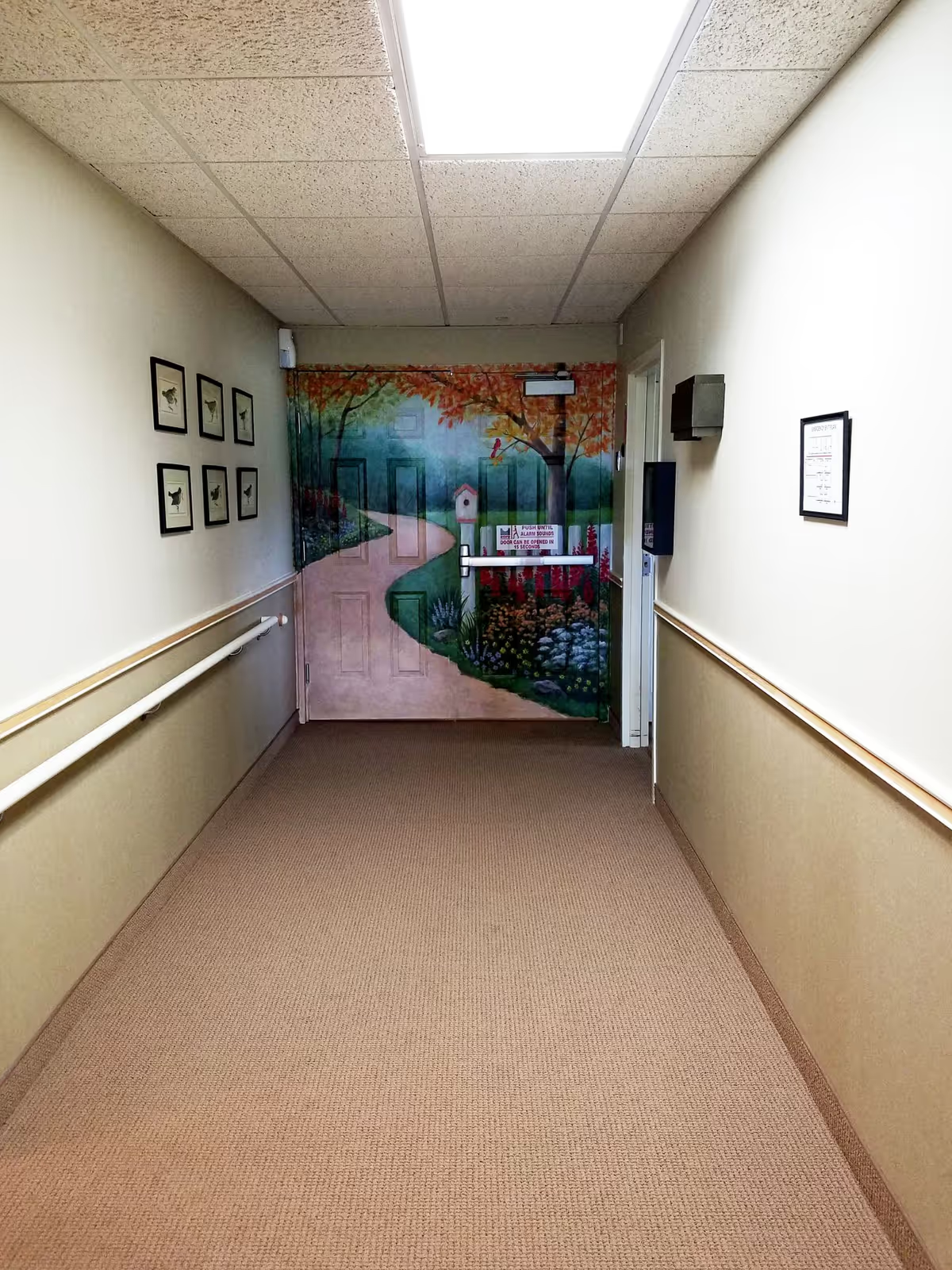
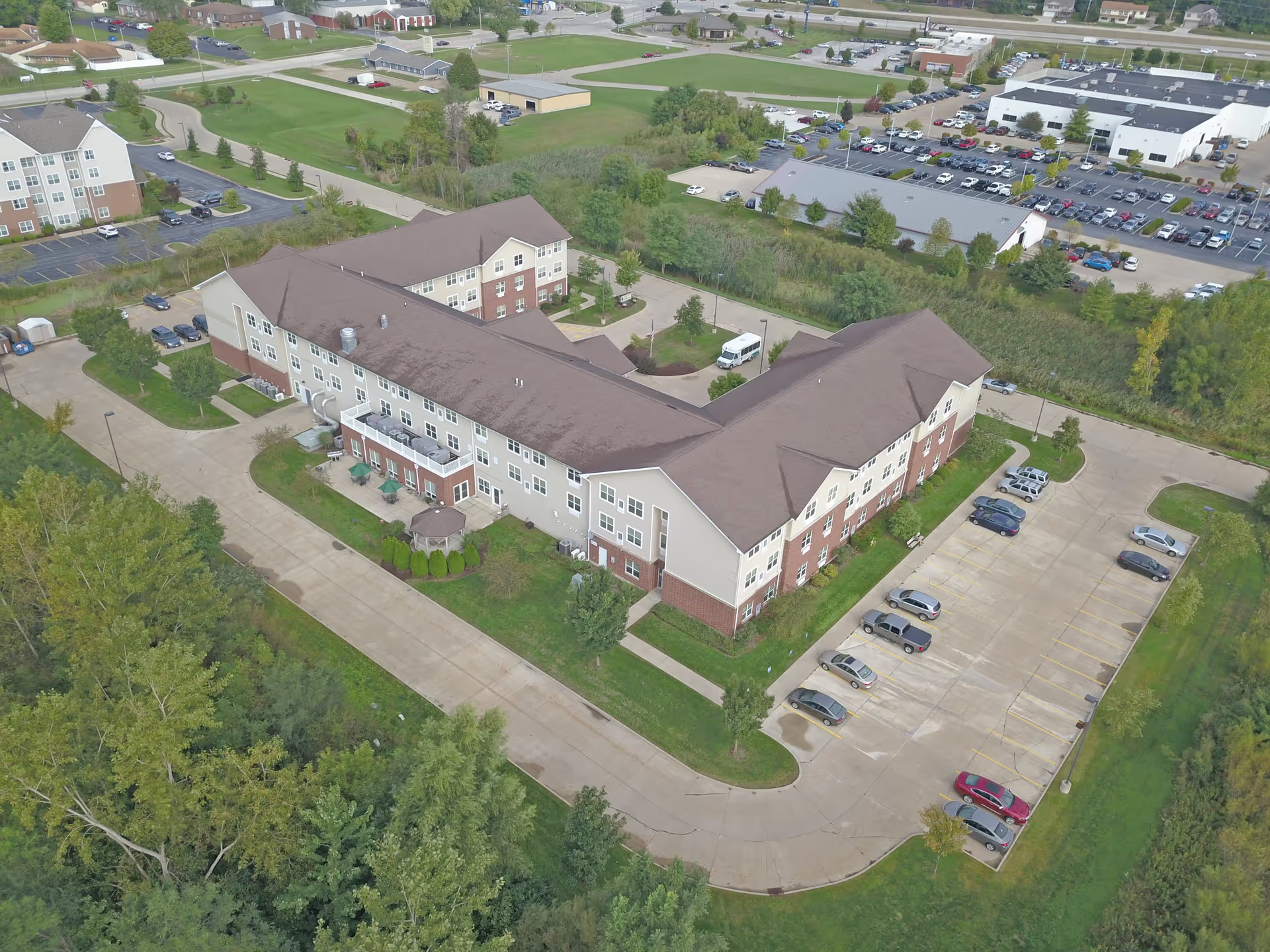
Seminary Village elicits a mixed but distinct set of patterns. Many families praise the facility’s caregiving staff, describing nurses and CNAs as attentive, compassionate, and available around the clock. The therapy department, particularly the Bounce Back/rehab program, receives frequent, specific praise for clear communication and effective rehabilitation services. The campus offers a broad set of amenities — salon, chapel, library, exercise room, organized outings, and social events — along with convenient features such as included laundry, covered parking, a handicapped van for appointments, and a pet-friendly policy. Grounds and common areas are often described as well maintained and bright, and some reviewers noted appealing dining-room ambiance and helpful maintenance staff.
At the same time, reviewers describe operational and clinical weaknesses that prospective residents and families should evaluate. Several comments indicate gaps in clinical-assessment and emergency-response processes, including delays in escalation and concerns about how acute symptoms are triaged. Relatedly, there are reports suggesting inconsistency in informed-consent and care-transition processes; families should clarify decision-making and notification procedures before admission or level-of-care changes. Staffing behavior is another mixed area: while many cite compassionate interactions, others describe variability in professionalism and communication tone, which can affect family confidence and resident dignity.
Personal-care and environmental concerns are another notable pattern. Some reviewers report inconsistent assistance with bathing and incontinence-related needs and raise sanitation concerns in specific personal-care areas. Meal quality is described inconsistently—some praise daily meals as delicious while others experience unappealing or inconsistent offerings—so food-service continuity appears variable. Additional operational items include occasional laundry and clothing mix-ups and some safety-equipment gaps (for example, availability or use of bed guardrails). These issues, together with reports of uneven management communication and oversight, suggest variability in day-to-day reliability rather than uniform institutional failure.
In summary, Seminary Village demonstrates clear strengths in staff engagement, rehabilitation services, campus amenities, and affordability. However, the facility also shows patterns of inconsistent clinical responsiveness, personal-care routines, sanitation practices in certain areas, meal consistency, and management communication. Families considering Seminary Village should directly assess emergency protocols, informed-consent procedures, staffing ratios and training, sanitation and personal-care processes, and laundry/labeling practices during tours and meetings with leadership to determine whether the facility’s strengths align with their care priorities.