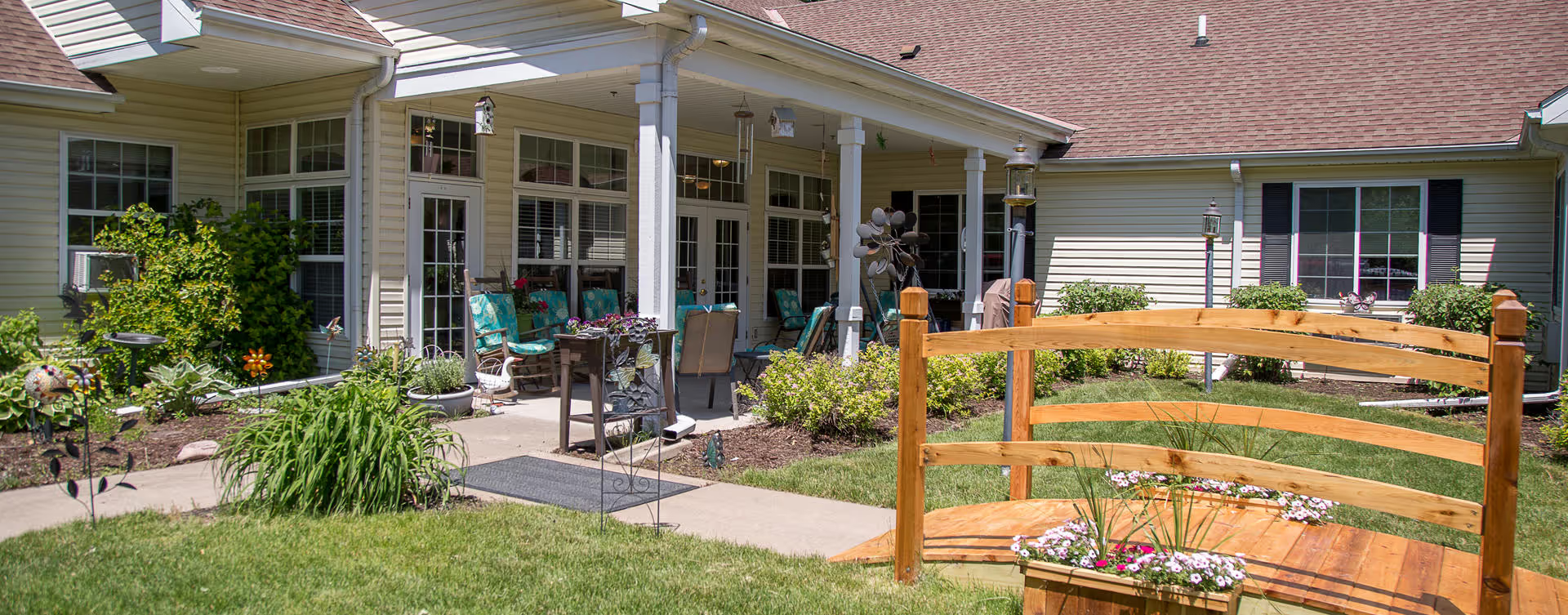
Reviewer feedback for Hillcrest Home is mixed but contains clear patterns. Many families and workers describe a facility with longstanding staff, a supportive workplace culture, and a strong day-to-day presence of helpful nursing aides and other caregivers. Several accounts describe prompt responses to resident needs, positive staff–resident relationships, and examples of staff going above and beyond during the COVID-19 period. These positive elements are reinforced by comments about varied, plentiful and enjoyable meals, a pleasant courtyard for visits, engaging activities such as bingo, and generally clean shared areas. Reviewers also highlight reasonable pricing and a stated state 5-star rating, which some families cited when choosing the facility.
Care quality appears variable. Numerous reviewers praised excellent care for individual residents, citing attentive aides and nursing staff; however, other reviewers described inconsistencies in how clinical tasks are performed. The pattern suggests that while many residents receive high-quality care, there are intermittent lapses in caregiving practices that produce divergent family experiences. This variability points to potential differences in performance between individual caregivers or shifts rather than a uniformly applied standard of care.
Staffing and conduct present both strengths and concerns. Long staff tenure and positive workplace culture contribute to continuity of care and many favorable relationships between staff and residents. At the same time, there are repeated concerns about staff conduct and communication tone — references to curt or unfriendly interactions and specific kitchen- and nursing-staff behaviors. There are also explicit concerns about cultural-sensitivity and discriminatory attitudes toward residents of darker skin tones. Together, these comments indicate a need for focus on communication skills, customer-service expectations, and cultural-competence training in addition to staffing strengths that already exist.
Infection control and sanitation emerged as a significant operational issue. Multiple remarks about inconsistent hand hygiene and inconsistent use of personal protective equipment indicate gaps in adherence to infection-control protocols. These concerns are procedural in nature and suggest an opportunity for management to reinforce training, auditing, and visible compliance measures so families can have confidence in routine precautions.
Dining and activity programming show strong positives but have room for operational improvement. The dining program receives praise for variety, quantity and taste, and families appreciate that loved ones are fed well. However, a dining-room dispute and comments about rude kitchen staff point to weaknesses in policy enforcement and conflict-resolution procedures during meals. Activities such as bingo are described as engaging and contributing to resident happiness.
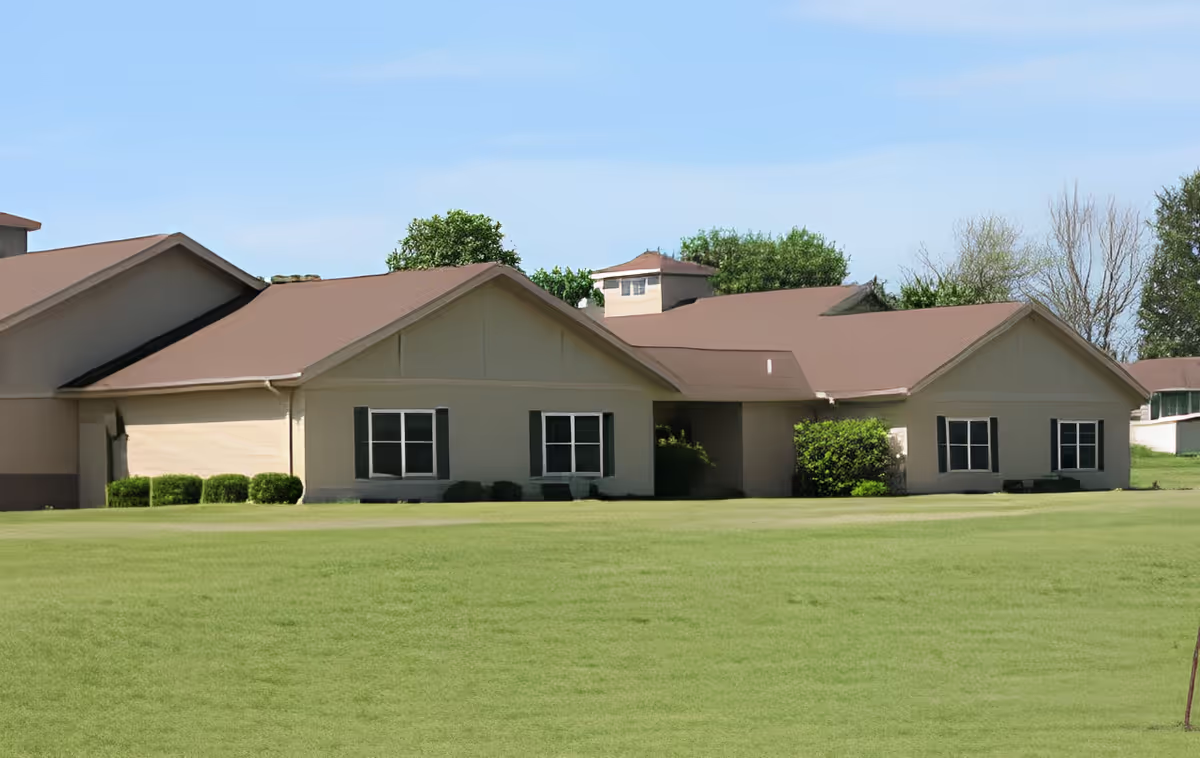
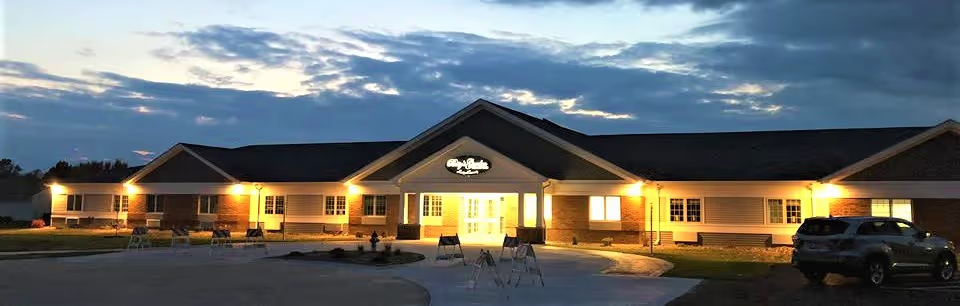
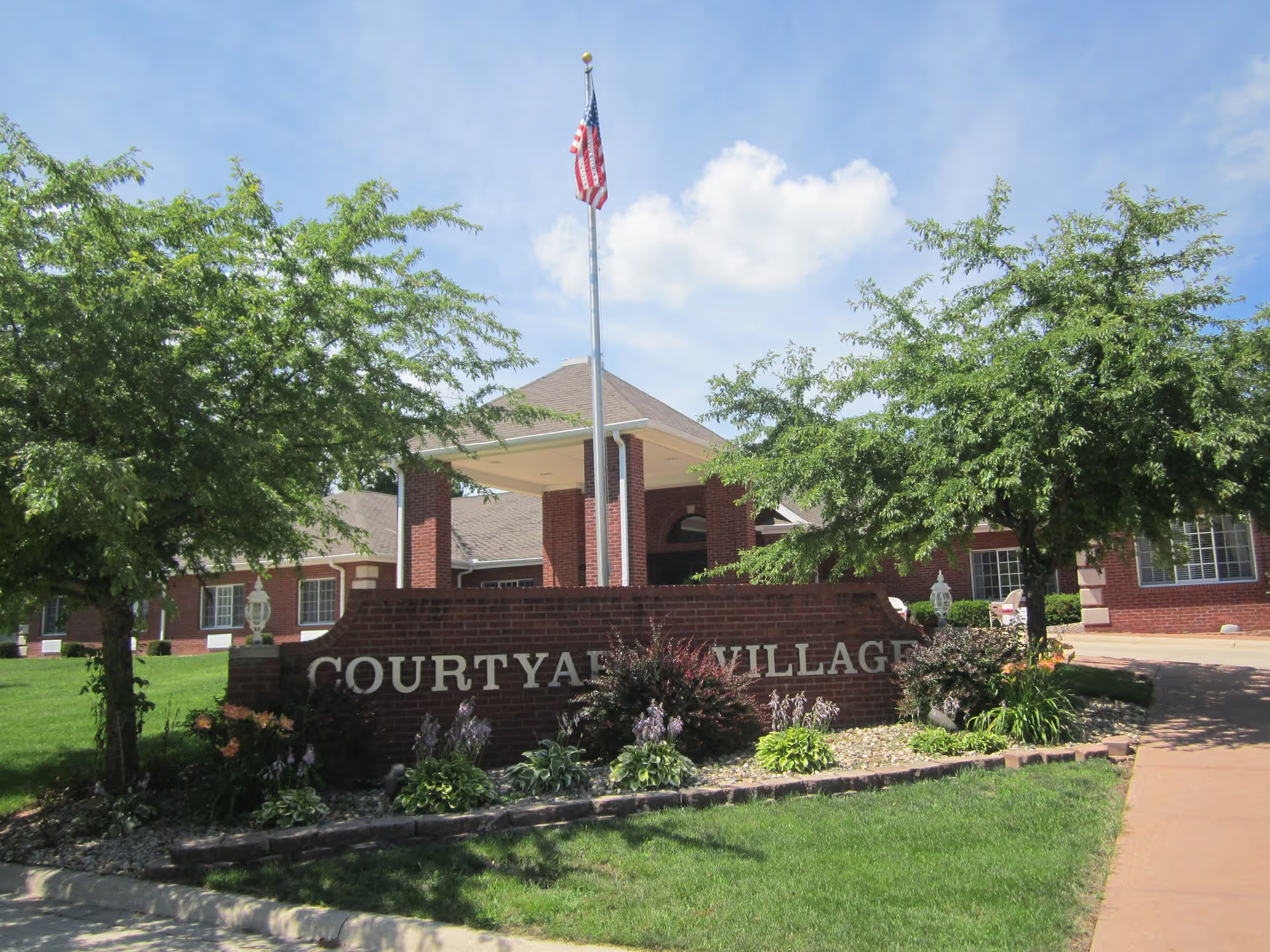
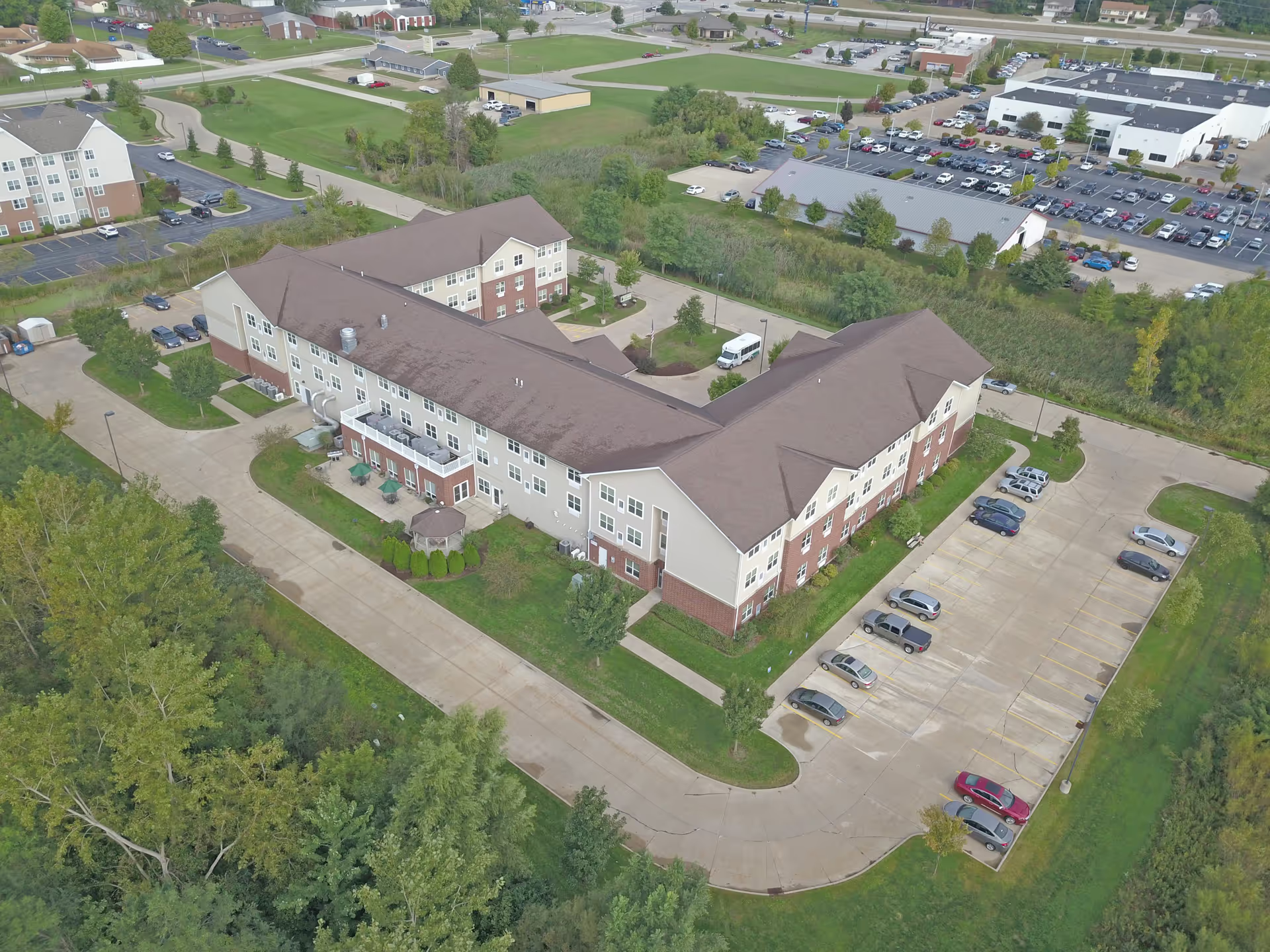
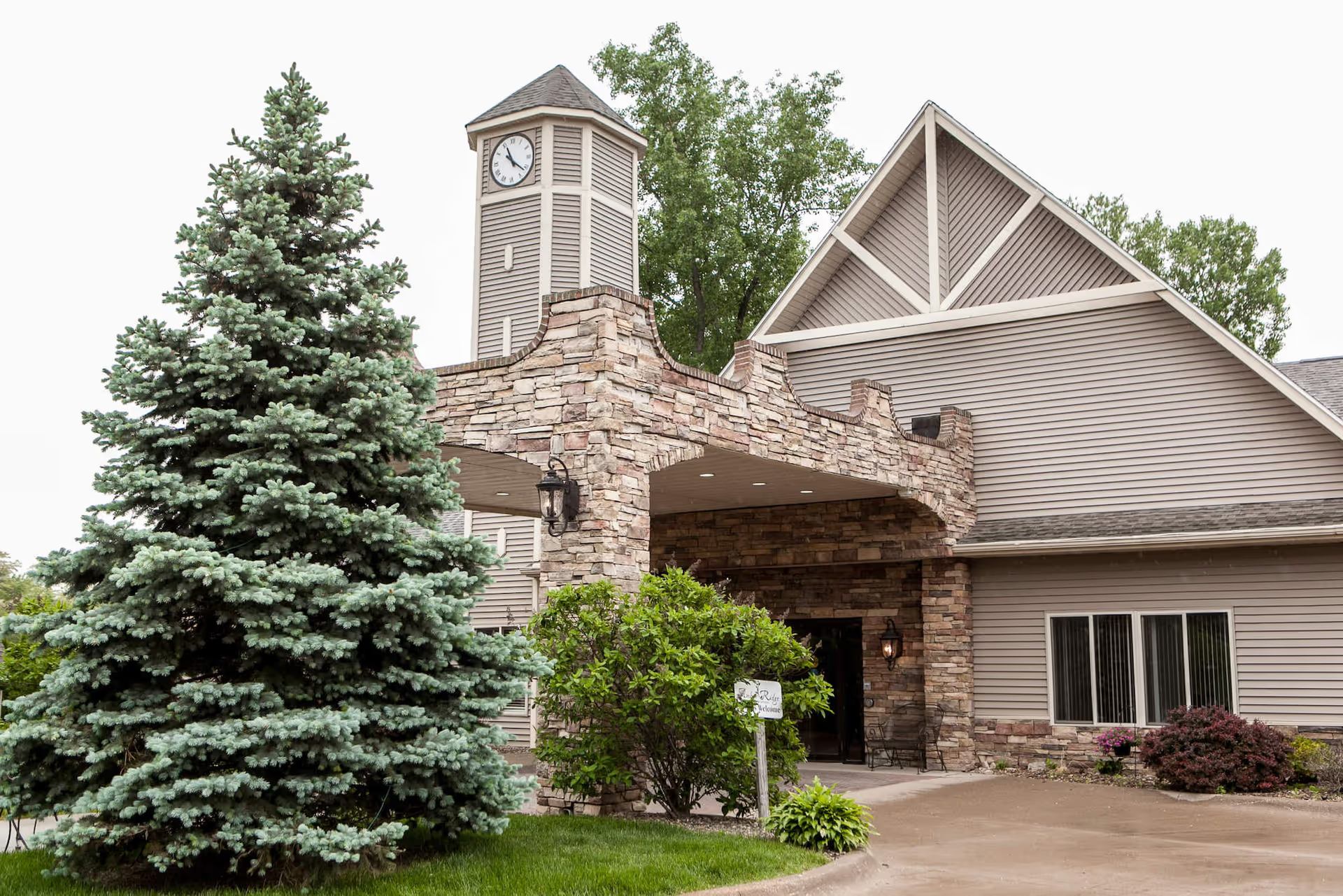
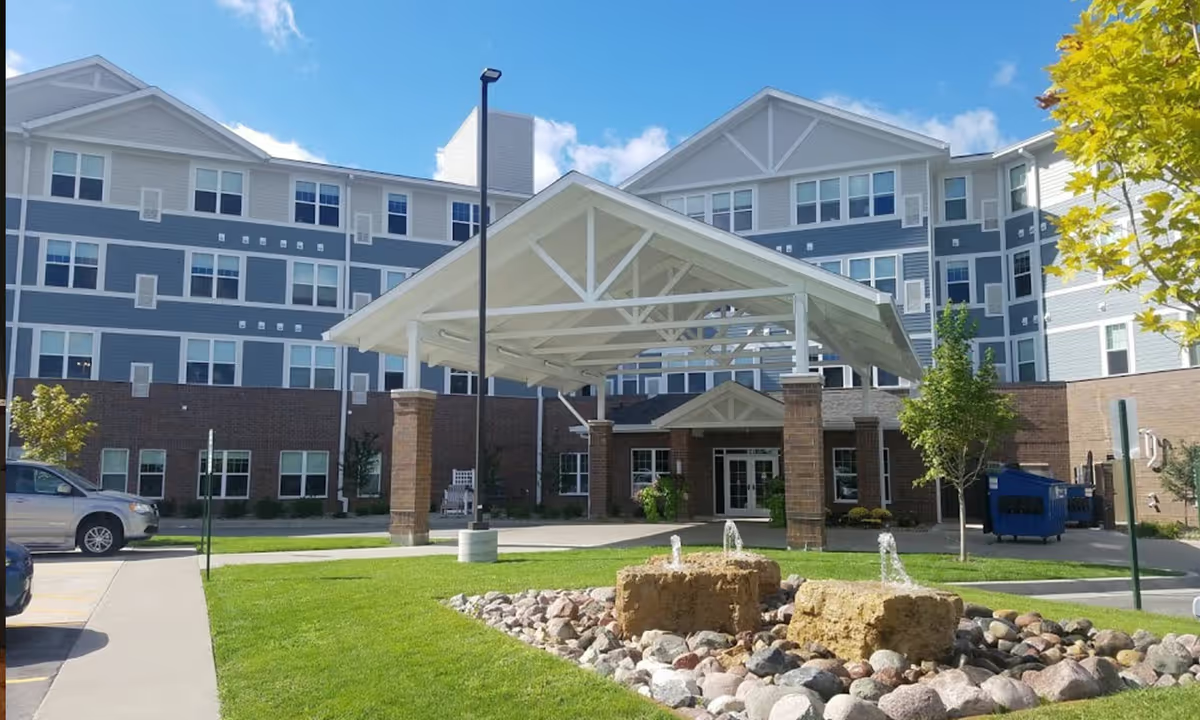
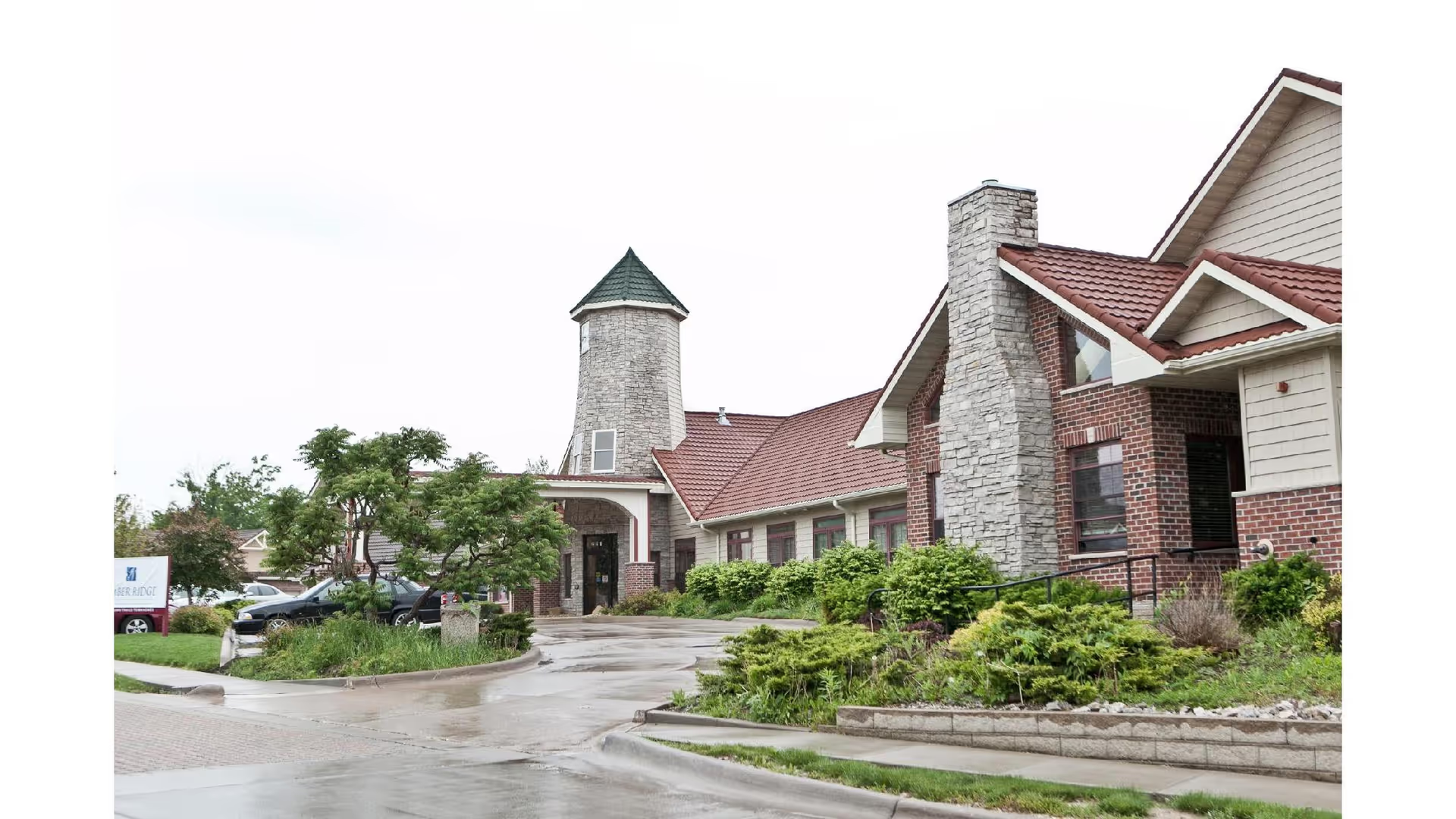
The physical plant is serviceable but dated. Reviewers appreciate the courtyard and generally clean common spaces, but describe the building as older and not particularly attractive. This suggests the facility presents a functional environment that may benefit from aesthetic updates or targeted maintenance projects to improve first impressions.
Overall patterns indicate a facility with substantive strengths — committed long-term staff, good food, engaging activities and a family-friendly environment — alongside operational gaps that affect some families' experiences: inconsistent infection-control practices, variability in caregiver performance, occasional poor staff communication, and cultural-sensitivity concerns. For prospective families, consider visiting during multiple times of day, observing infection-control practices and meal service, and asking management about staff training, audits, and how the facility addresses concerns about conduct and cultural competence. For management, priorities would include reinforcing infection-control adherence, standardizing clinical-care procedures, implementing targeted communication and cultural-competence training, and clarifying dining-room policies and conflict-resolution processes to reduce recurring complaints.