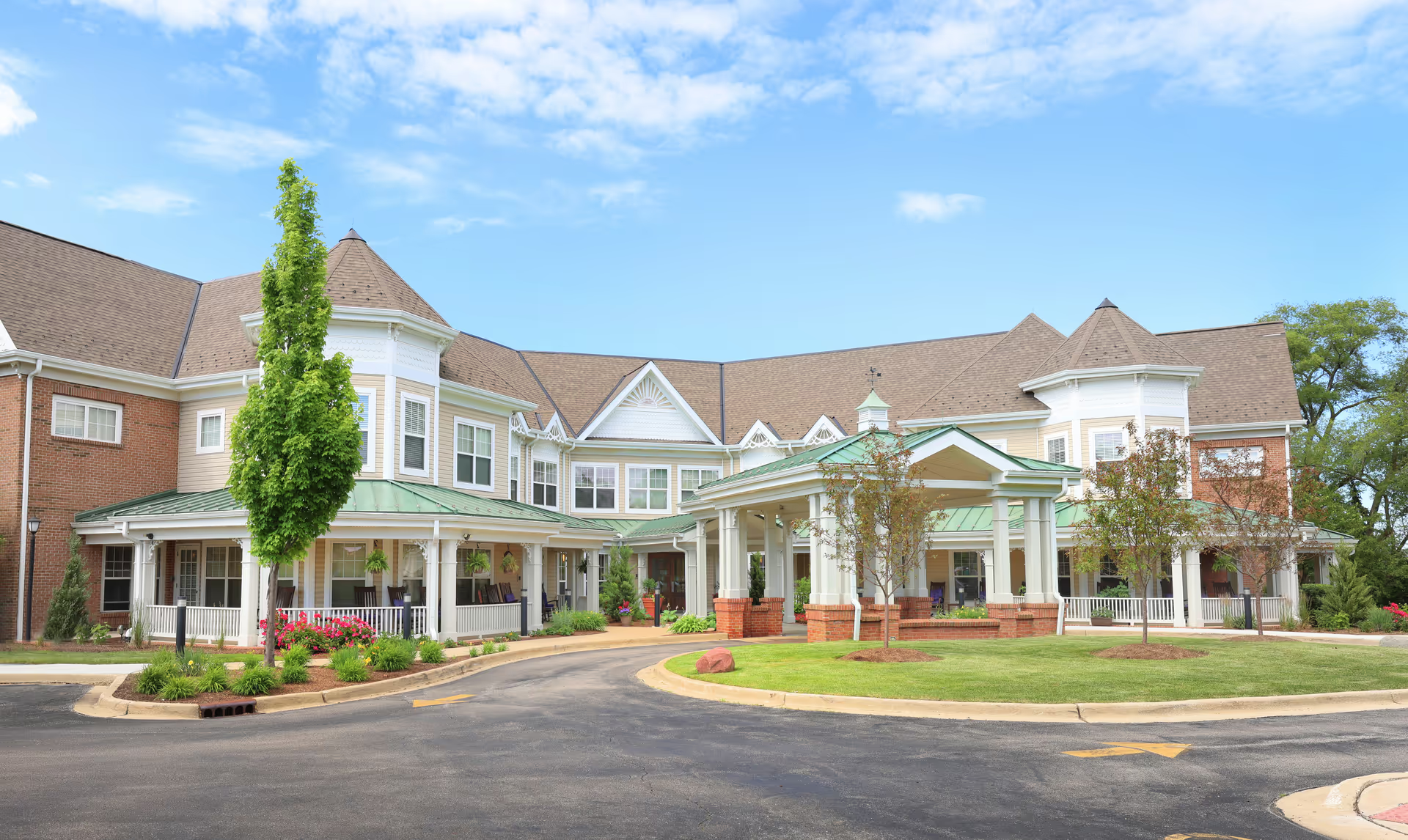
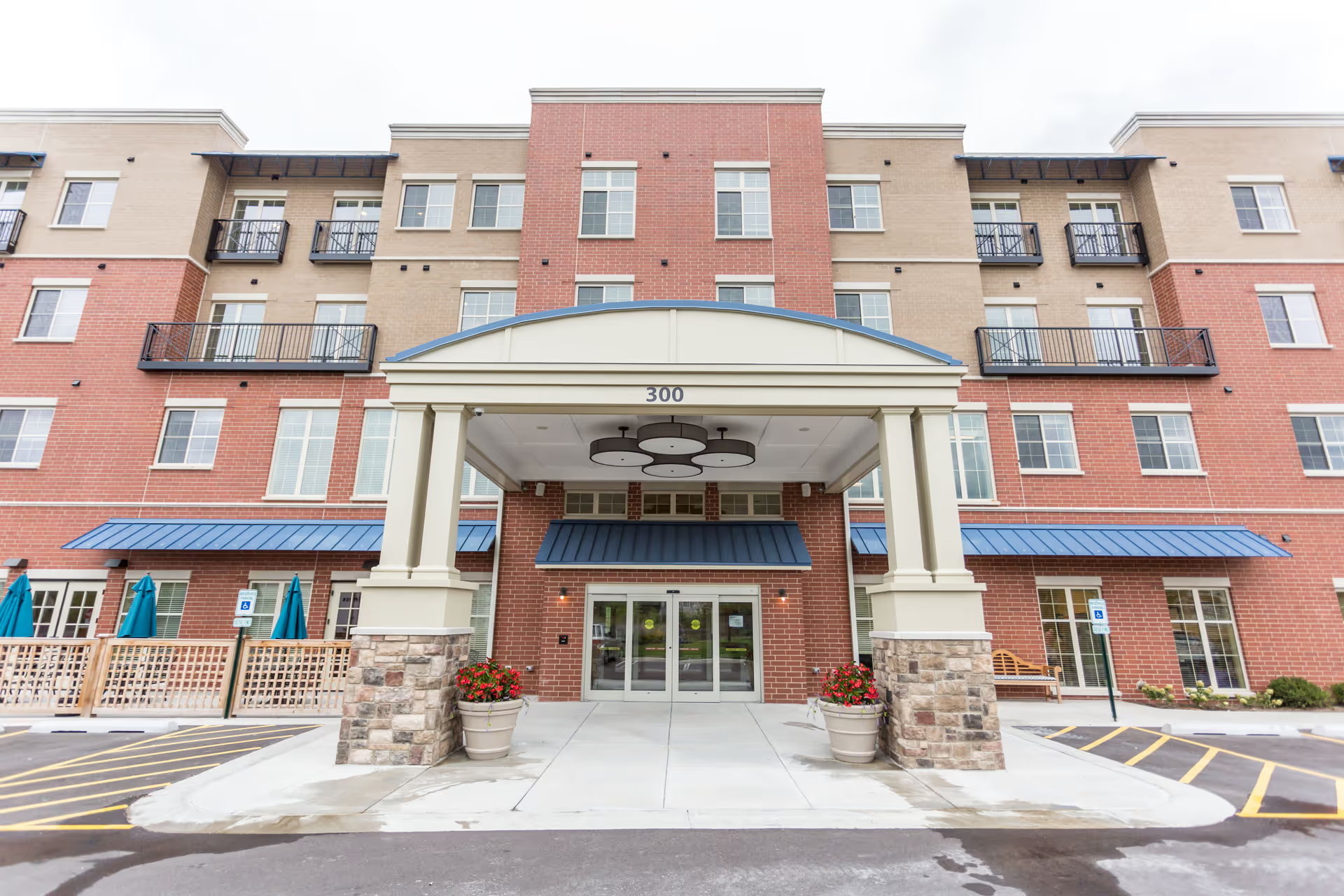
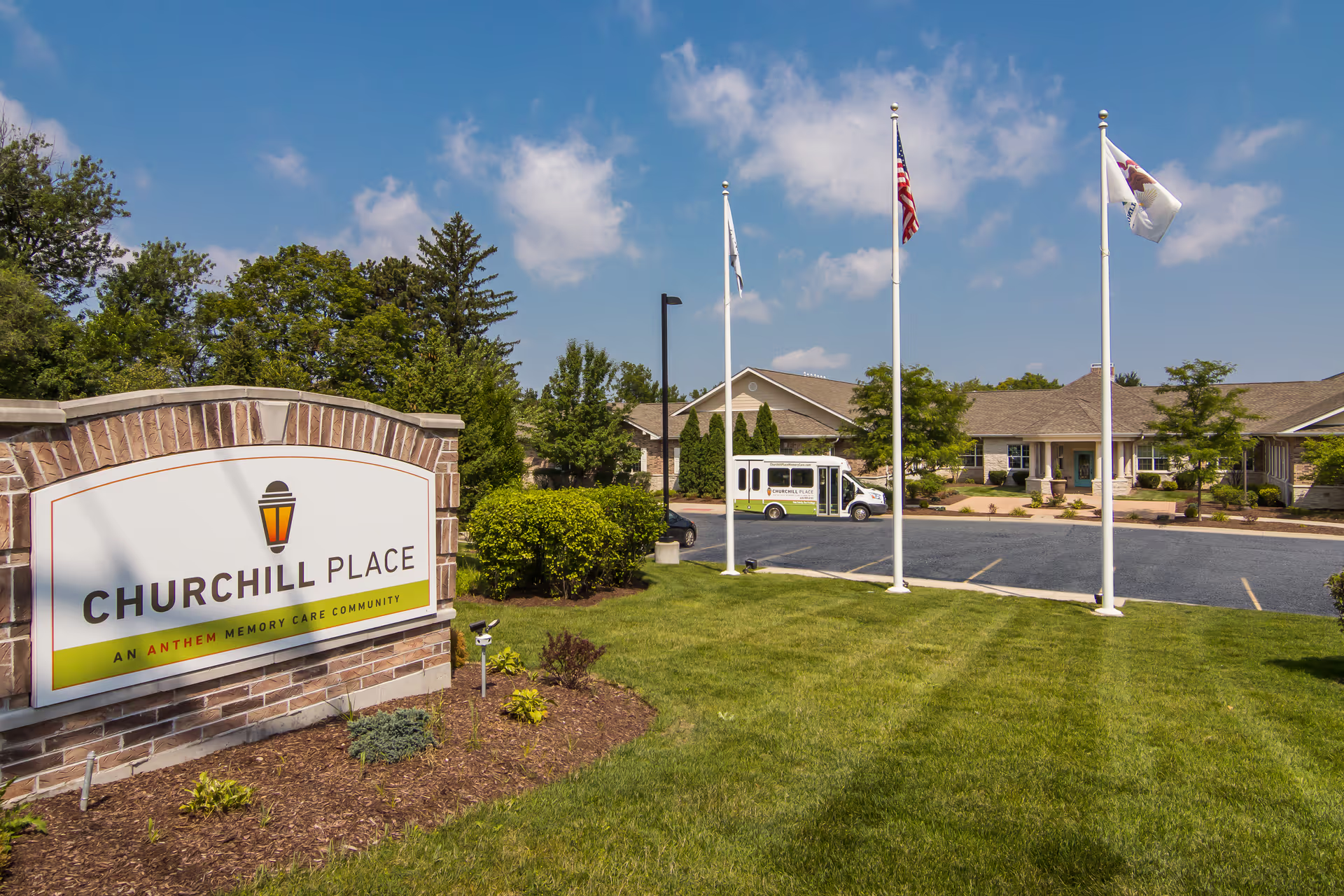
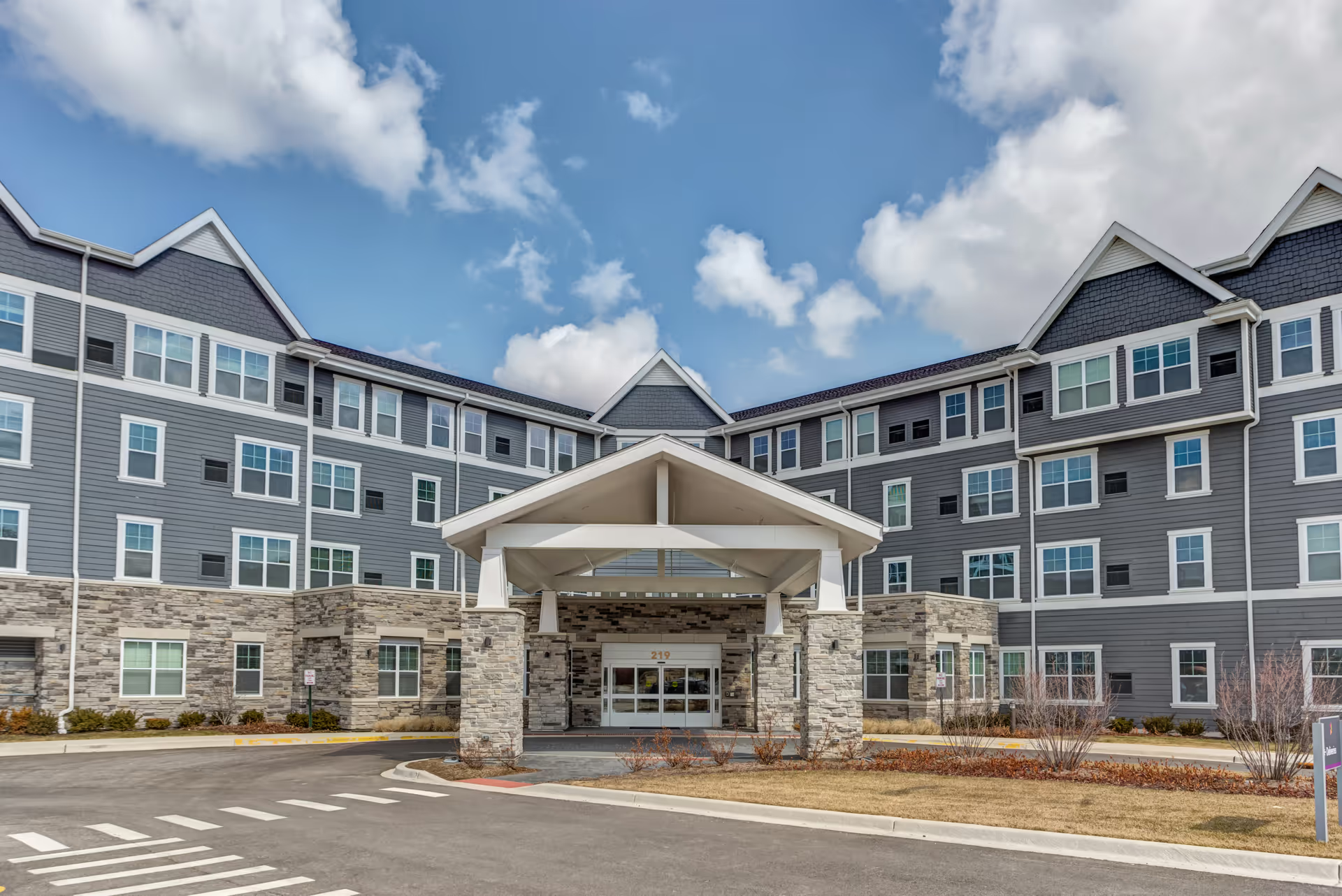
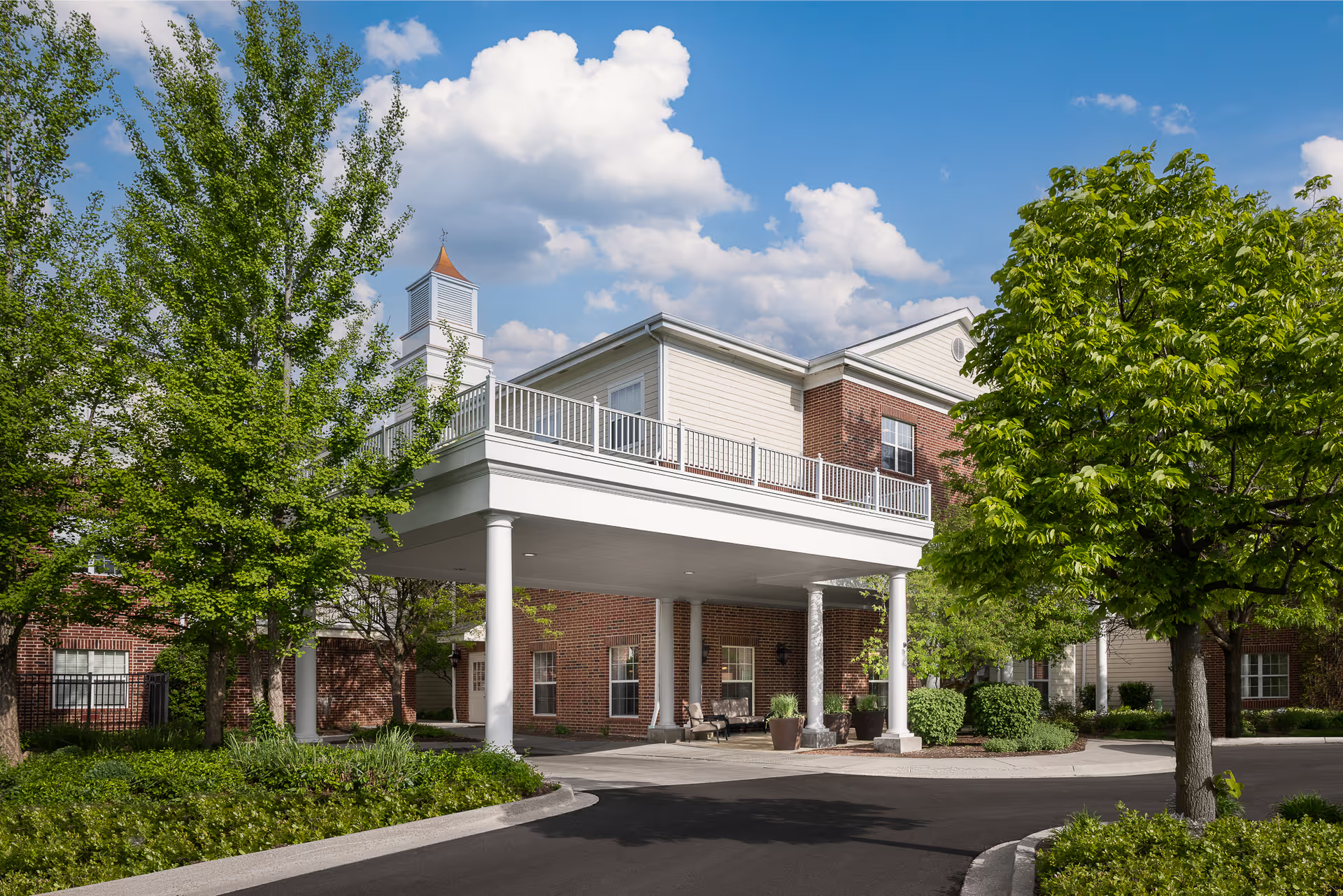
Overall impression: Reviews describe Brookdale Glen Ellyn as a well-appointed, activity-rich senior living community with a consistently praised caregiving team and wide on-site services. Strengths most frequently noted include compassionate, familiar staff who learn residents’ names and provide personalized transition support; an active social program with frequent live entertainment, outings, and fitness classes; and restaurant-style dining with varied menu options. The property is commonly described as clean, secure, and well maintained, with desirable amenities such as a pool, gym, salon, therapy space, library and attractive outdoor areas.
Care quality and staff: Caregivers, nurses and CNAs receive repeated praise for compassion, responsiveness and familiarity with residents. Long-tenured staff and personal attention—such as resident buddies, multiple daily check-ins, and coordinated move-in support—are recurring positive themes. On-site clinical resources (nursing, physicians, and physical therapy) and a visible willingness to support families during transitions and end-of-life care are additional strengths. However, reviewers also flagged operational strains: intermittent staffing shortages and use of agency personnel have affected continuity of care at times, and some families described variability in dementia-specific supports. The facility does not present as a full 24-hour skilled nursing provider, and limited memory-care capacity was a factor for families seeking that level of specialty care.
Dining and meals: Dining is often described as a highlight—restaurant-style service, diverse menus, attentive dining staff, and mechanisms for resident feedback (town halls, menu input). Signature items (soups, entrees) are frequently praised. At the same time, reviewers note inconsistencies in meal quality and occasional supply shortfalls since the pandemic, and there are references to a la carte charges for some meal or guest options that can affect perceived value.
Activities and social life: The activity program is robust and a central selling point: daily events, exercise classes (Be-Fit, water aerobics), clubs, trips to museums and games, and frequent live entertainment support a strong social environment. Resident committees and ambassador programs provide formal input channels. Some residents with limited mobility or recovering from events reported difficulty engaging fully, and pandemic restrictions at times curtailed participation.
Facilities and amenities: The campus is widely described as clean, modern and well maintained, with bright apartments, balconies or park views, and plentiful communal spaces. Amenities—pool, fitness center, salon, library, on-site store/café and therapy spaces—support an active lifestyle. Reviewers noted variability in apartment sizes (studios can be small) and occasional cosmetic differences between newer and older areas. A handful of comments point to parking logistics and the need to traverse outdoor paths to reach separate buildings.
Management and operational patterns: Move-in coordination, welcome ambassadors and responsive maintenance are frequently commended. Several reviewers reported positive communication from leadership during clinical or pandemic events. Conversely, recurring operational concerns include inconsistent housekeeping performance, occasional lapses in communication or follow-through from administrative or sales staff, uneven tour experiences, and unclear fee structures that produce surprise a la carte charges. Therapy scheduling consistency and occasional reliance on temporary staff were also raised as operational gaps.
Notable patterns for prospective families: Brookdale Glen Ellyn appears strongest where personal interaction, social programming and amenities matter—residents who thrive on community, activities and attentive dining frequently report improved quality of life. Prospective residents who require continuous 24-hour skilled nursing or specialized memory-care should evaluate clinical scope carefully, as memory-care capacity and around-the-clock nursing are limited. Families considering the community should clarify fee structures, staffing models, housekeeping standards and therapy scheduling during the tour and request specific examples of how dementia care needs would be supported.
In summary, the community offers a high level of hospitality, varied programming and a generally supportive caregiving culture, balanced by operational considerations around staffing consistency, dementia-specific services, and transparent pricing that merit direct discussion during the decision process.