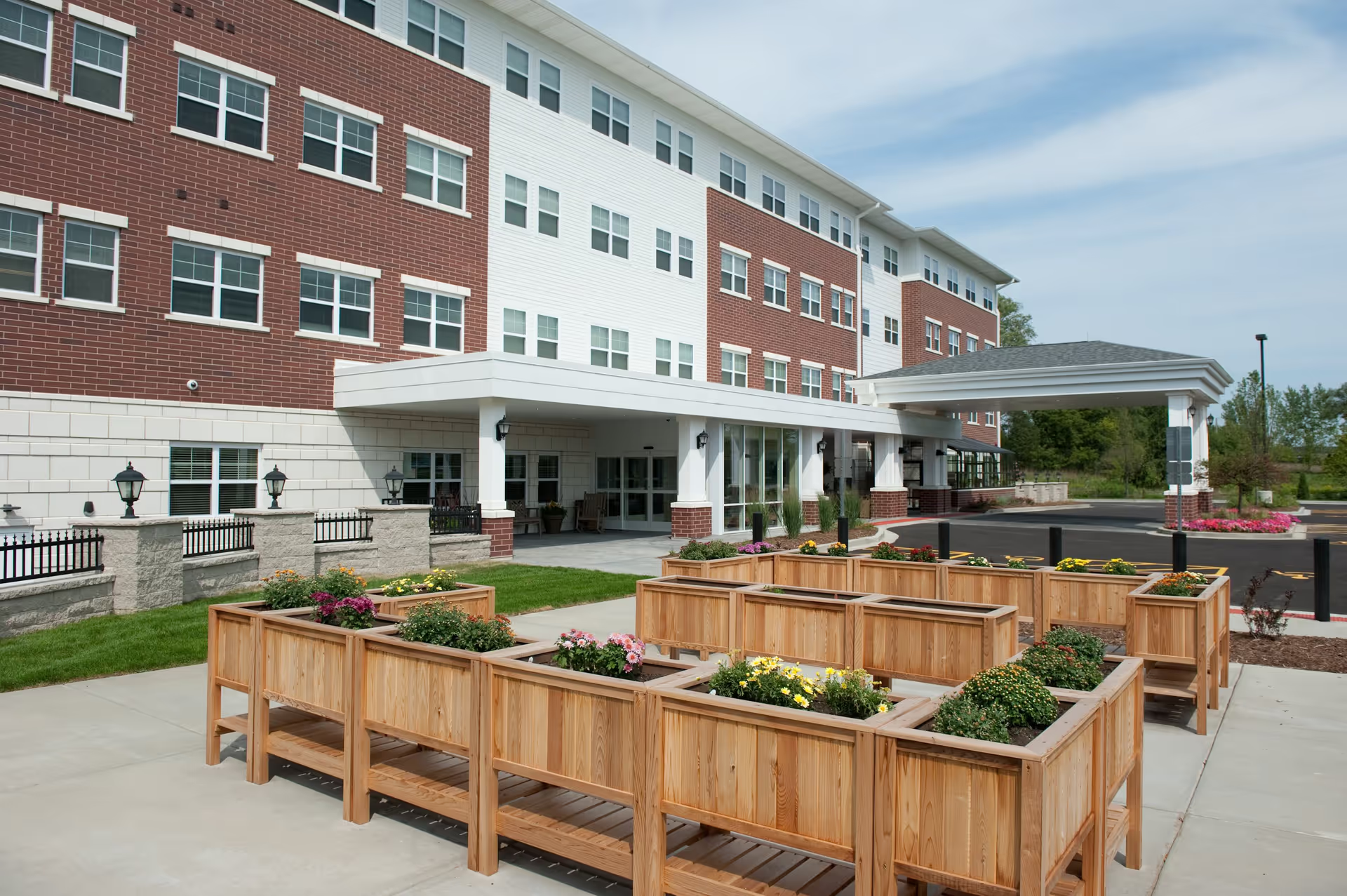
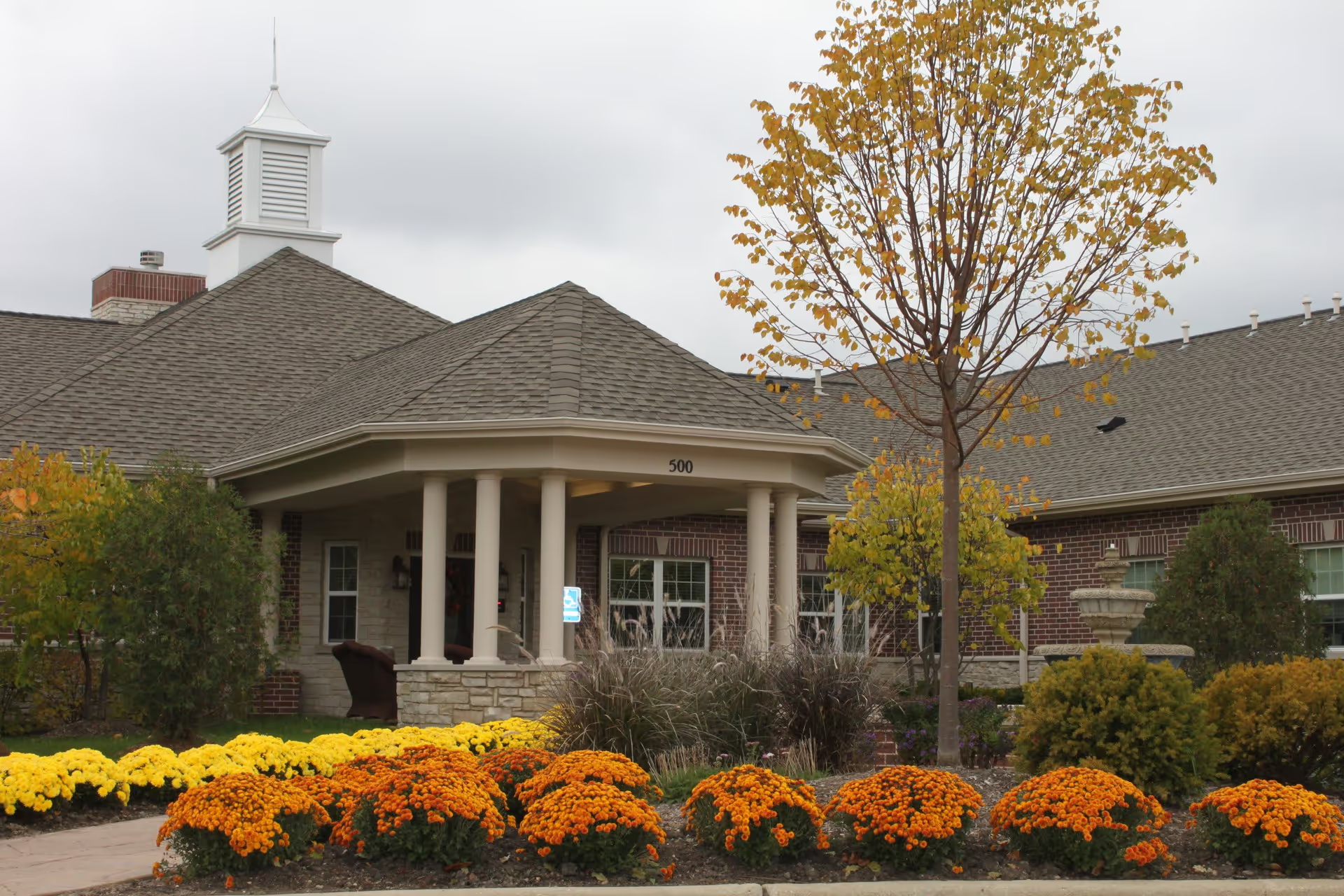
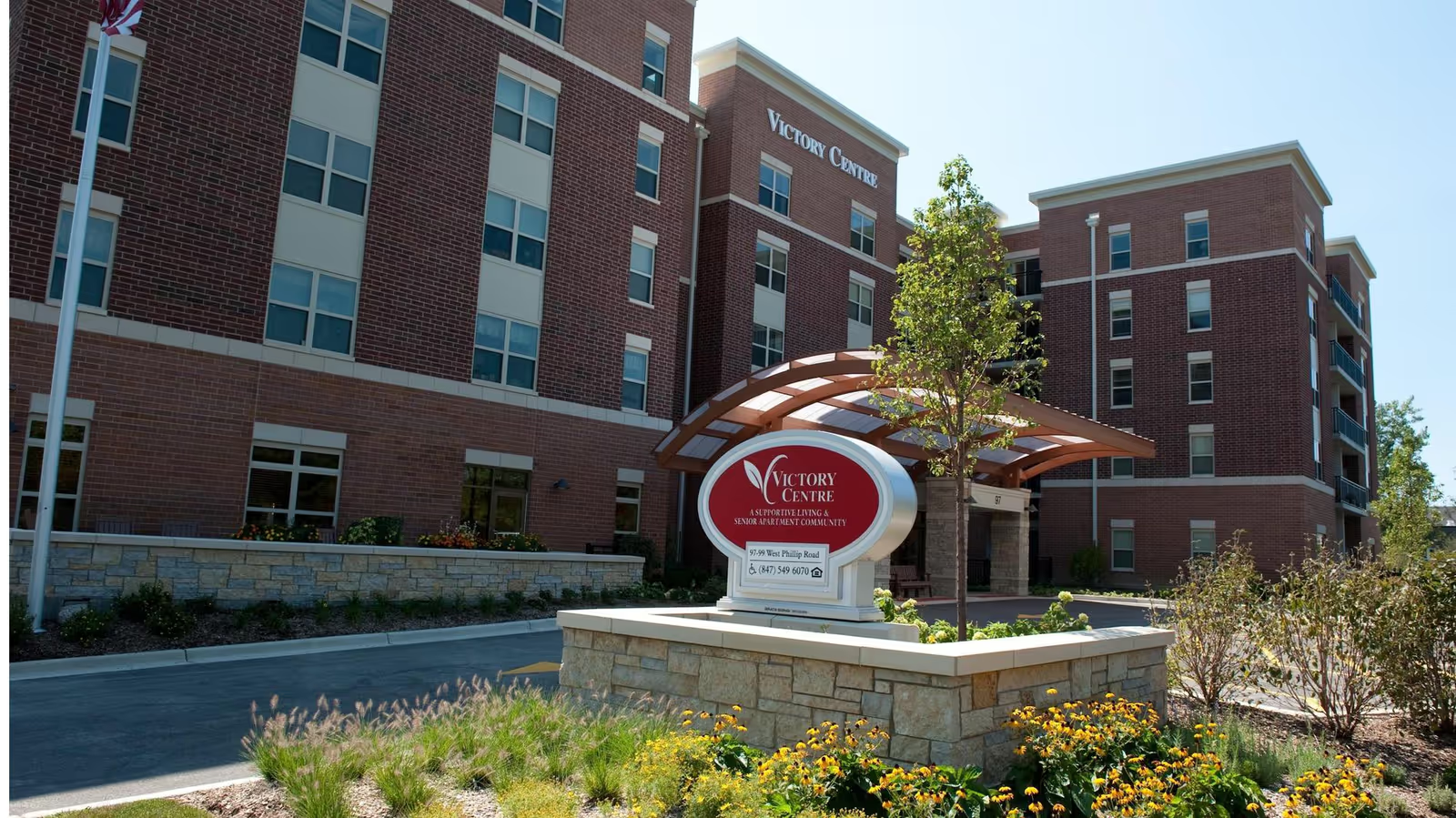
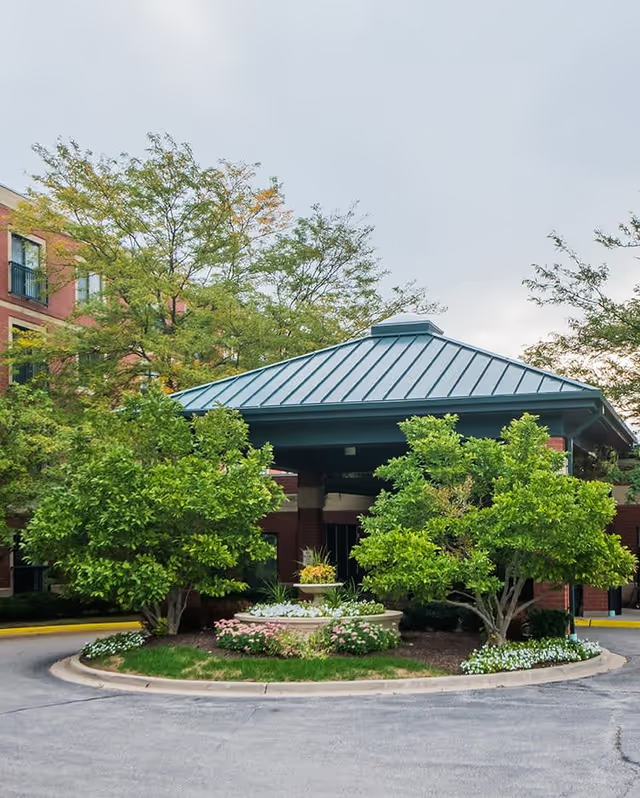
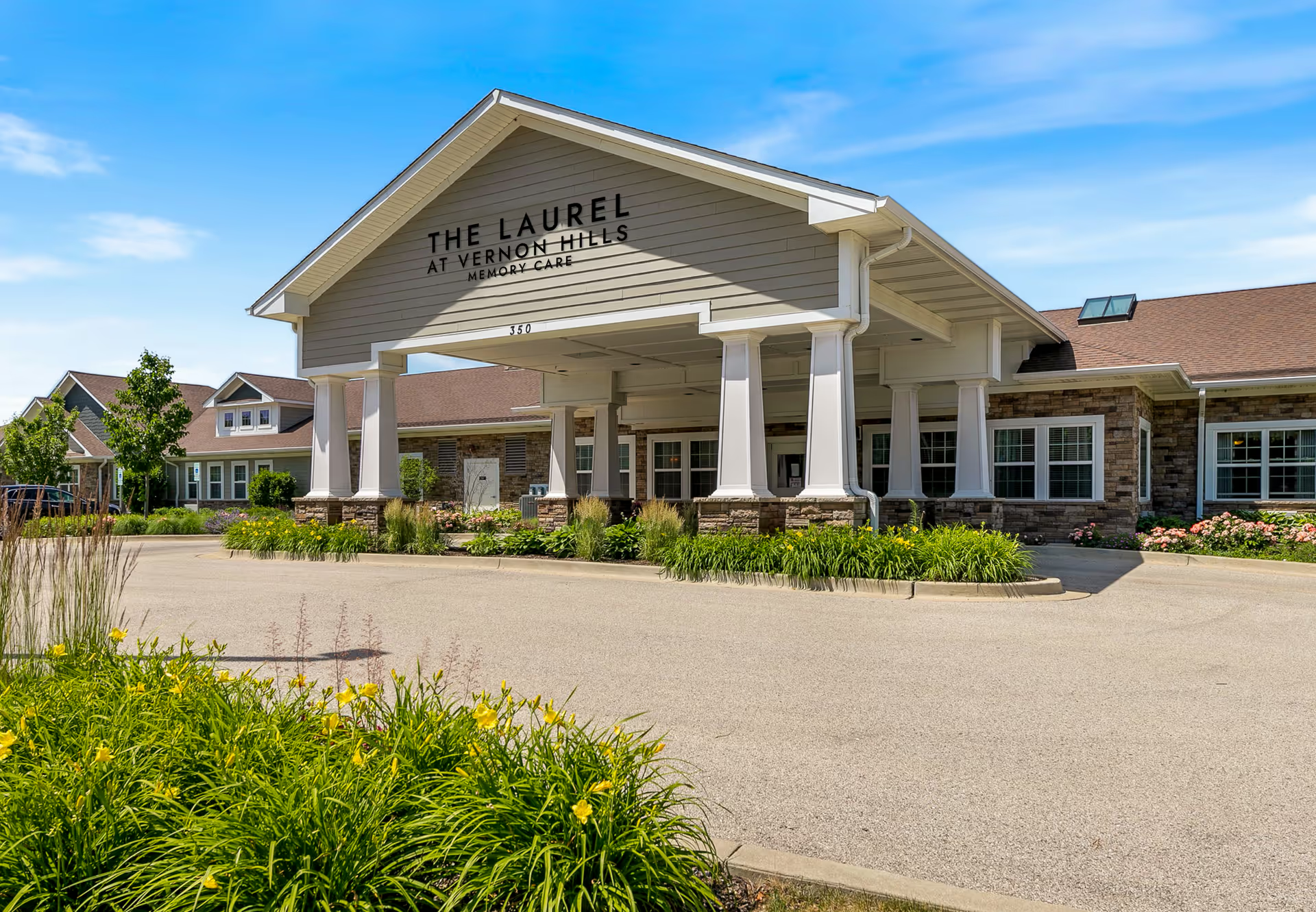
Sunrise of Gurnee is consistently described as an attractive, well-maintained assisted living community with a strong emphasis on social engagement and hospitality-style amenities. Families and residents frequently praise the facility’s appearance — light-filled apartments, inviting porches and courtyards, and a Victorian/hotel-like ambiance are recurring positives. The property supports an active lifestyle with regular outings, exercise classes, baking and cooking clubs, musical entertainment, and holiday programming; reviewers commonly note that residents appear engaged and socially active.
Care and staffing are often highlighted as primary strengths. Many accounts describe staff as caring, attentive, and familiar with residents’ preferences; the community maintains on-site nursing coordination (including an RN and monthly wellness checks) and emphasizes family involvement in care planning. Several reviewers singled out individualized attention, end-of-life support, and a warm, family-like atmosphere. At the same time, comments about staffing include mixed signals: while many praise long-tenured, dedicated employees and effective leadership, others note workload pressures, variable turnover, and compensation constraints that can affect day-to-day consistency.
Dining and activities are important selling points. The dining experience is frequently described as restaurant-style with multiple meal choices, bakery offerings, and above-average presentation. However, there are recurring concerns about inconsistent meal quality, occasional frozen/reheated items, and limited customization for specific dietary needs (for example, diabetic meal adjustments). The activities program is broad and active — seniors report frequent outings to cultural sites, a steady schedule of on-site events, and ample opportunities for socialization.
Operational and management patterns deserve careful attention from prospective residents. A common theme is the facility’s relatively high cost and a fee structure that some families find opaque; extra charges for services such as medication dispensing were mentioned. While many families report good communication and proactive admission planning, others describe uneven responsiveness from management when care concerns arise. More serious operational issues surfaced in isolated but notable accounts: inconsistencies in following individualized care plans, medication-management lapses, and pest-control or sanitation concerns in specific rooms. These accounts suggest variability in operational reliability rather than uniform practice problems across the community.
Practical considerations: apartment size and program fit vary — larger suites can be limited or fully occupied, and the memory-care footprint is described as relatively small. Noise can be an issue in lower-cost/shared-bathroom options. Prospective families should prioritize an in-person tour that includes meal observation, review of the contract and fee schedule, clarification of medication and toileting/incontinence protocols, and questions about pest-control measures and complaint escalation. Observing staff–resident interactions during a visit and asking for recent survey or inspection results can help assess whether the facility’s frequently noted strengths in staff warmth and engagement are matched by consistent operational practices.