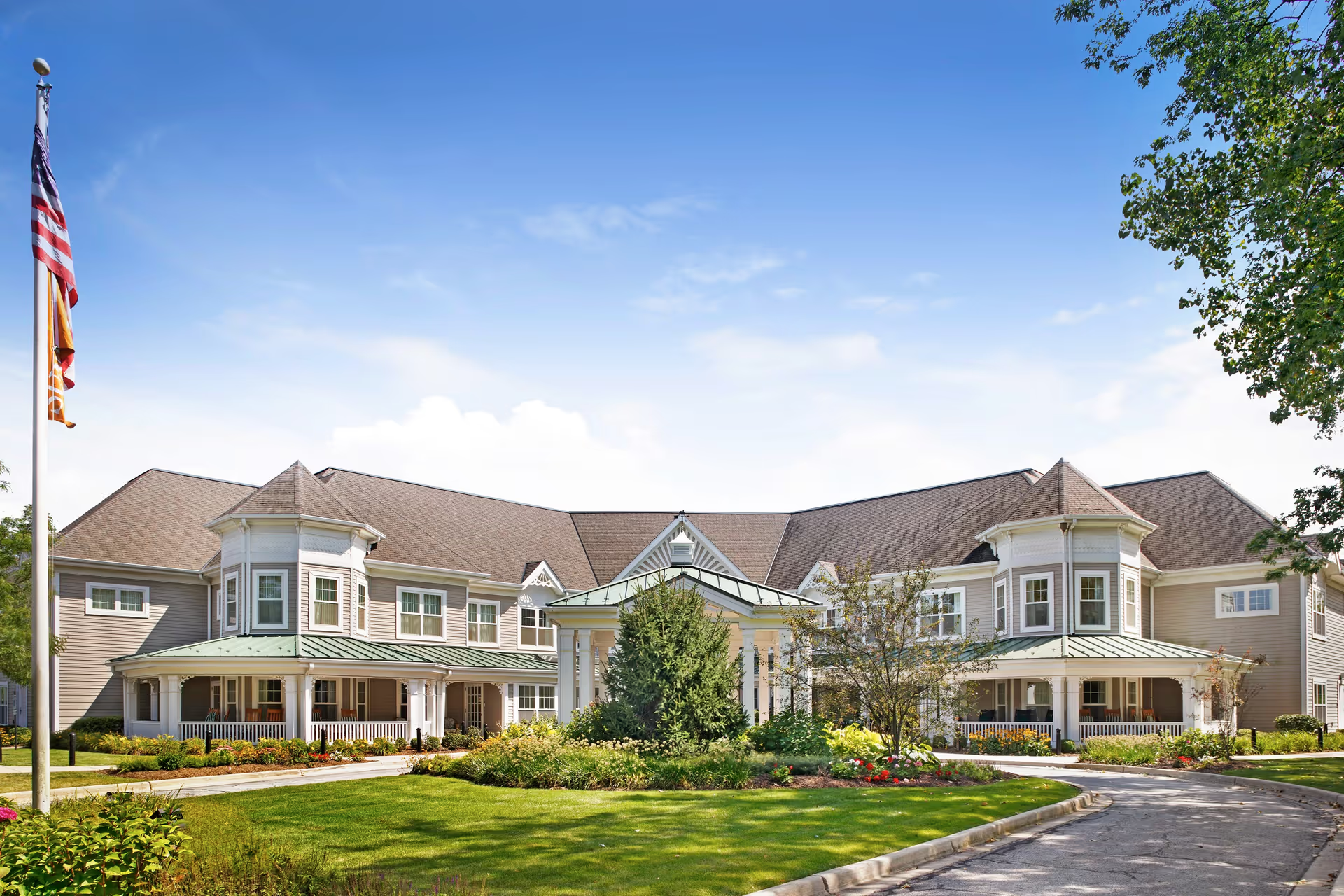
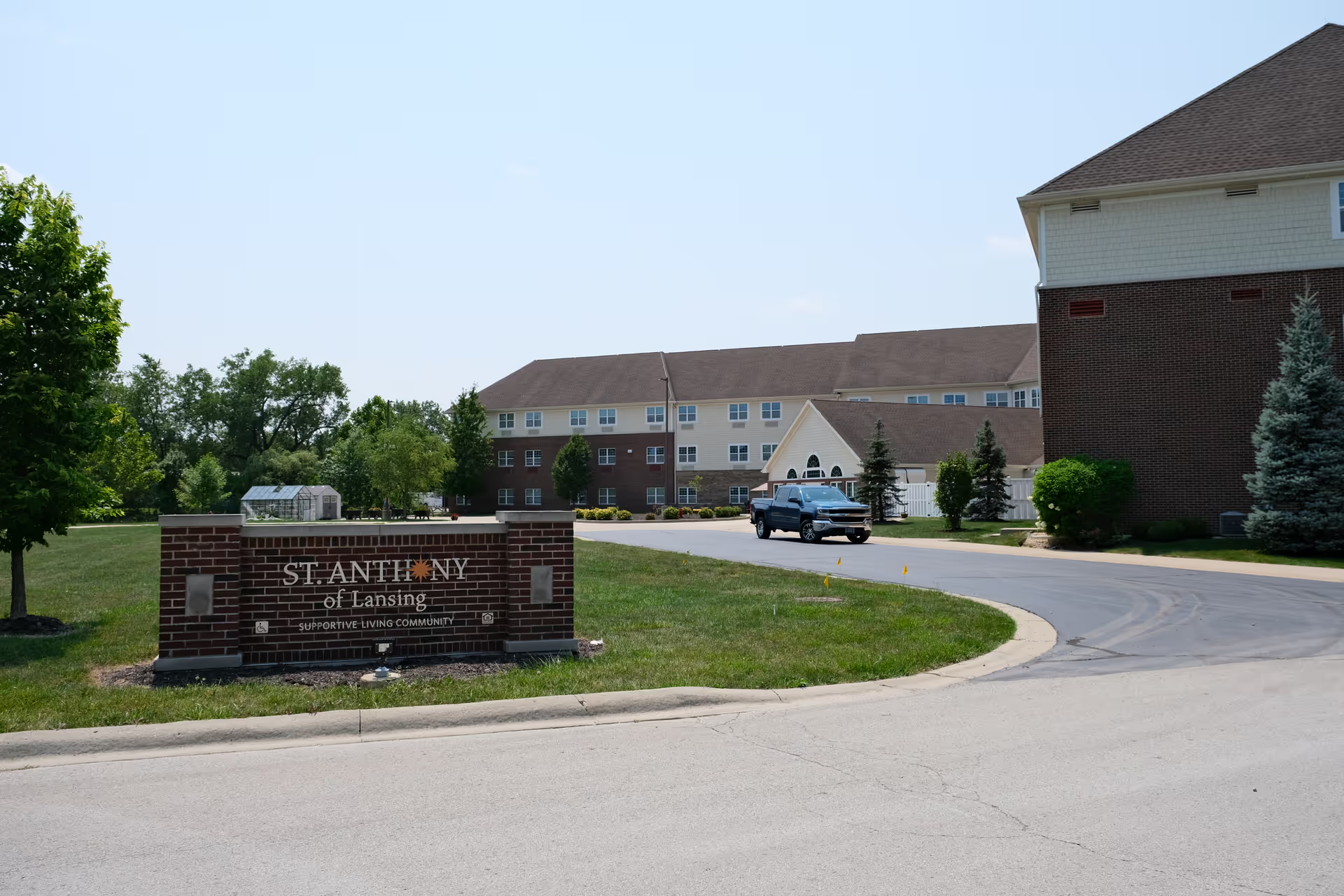
The reviews describe a facility with a mix of positive individual experiences and recurring operational concerns. Several families praised specific staff members and noted respectful, helpful interactions; parts of the building were described as well-maintained and comfortable, and the facility's proximity to a hospital is viewed as an asset. There are also reports that new leadership and staffing changes have produced observable improvements for some residents.
Care-quality concerns are prominent in the feedback. Reviewers described inconsistent clinical follow-up—missed or delayed medication administration, unfinished bloodwork, and instances where wound or infection management was not timely. Multiple comments raised safety issues related to residents with cognitive impairment, including inadequate supervision during dementia-related behavioral episodes and incidents of falls, suggesting gaps in transfer and fall-prevention practices and in dementia-specific safety protocols. A small number of accounts noted end-of-life care concerns and questions following a resident's death; these were framed by families as occasions for further investigation and clearer communication.
Staffing and communication were frequent themes. Many families described experiences of poor communication from front-desk staff, answering-service routing errors, difficulty scheduling, and a tone from some employees that families perceived as unprofessional or confrontational. At the same time, other reviewers highlighted individual caregivers who were responsive and respectful. Several comments referenced overworked staff and high turnover, which would be consistent with the pattern of uneven care and administrative responsiveness.
Dining, activities and daily living support appear inconsistent. Reports point to irregular meal service, food served at improper temperature, and concerns about nutritional adequacy. Mentions of shared, multi-bed rooms and limited information about structured activities suggest variability in social programming and privacy. Some residents or families noted problems with personal belongings management and with basic room amenities (for example, TV functionality and broken beds), indicating an uneven experience across units.
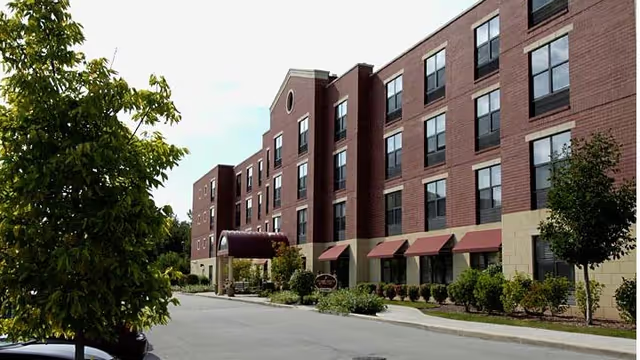
Facility environment and management oversight are additional areas of concern. Reviewers cited sanitation and odor issues in common areas, pest-control concerns in resident rooms, and aging infrastructure that may require repair or replacement. Allegations of staff theft and financial mishandling were raised; these are serious claims that families indicated they intended to escalate. Overall, many comments described insufficient managerial follow-through on incidents, admissions expectations that were considered misleading, and difficulty obtaining clear information after adverse events.
In summary, the facility shows strengths in individual caregivers and certain well-kept areas, and recent leadership changes may be producing improvement. However, substantive and recurring operational weaknesses—especially around staffing stability, medication and wound-care consistency, resident safety for those with cognitive impairment, family communication, dining continuity, and facility maintenance—warrant careful scrutiny. Prospective residents and families should seek detailed, current information on staffing levels, clinical protocols for medication and wound care, dementia-specific safety measures, pest-control practices, and the facility's incident-response procedures before making a placement decision. Families already involved with the facility may consider documenting concerns in writing and requesting formal meetings with administration to review care plans and follow-up actions.