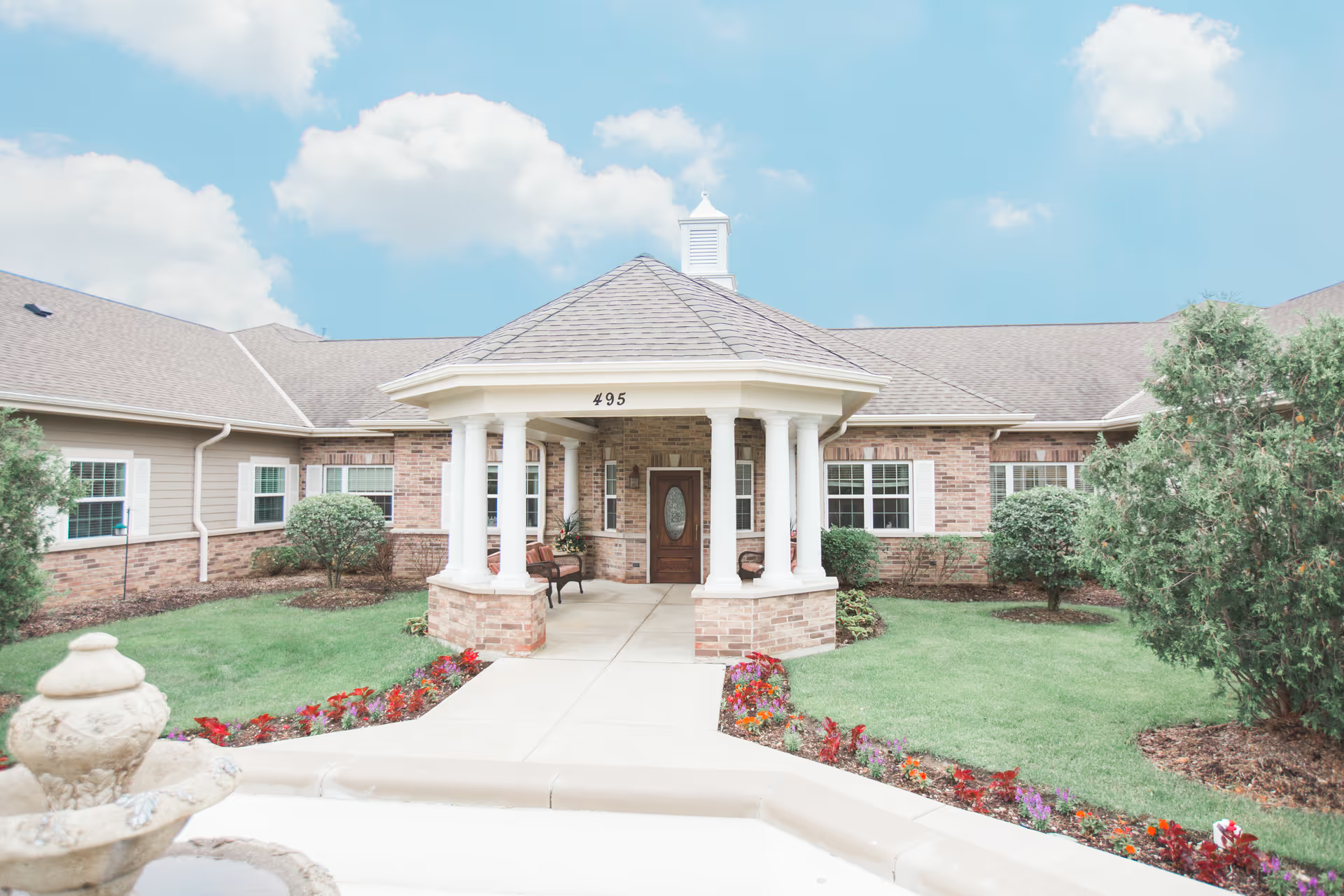
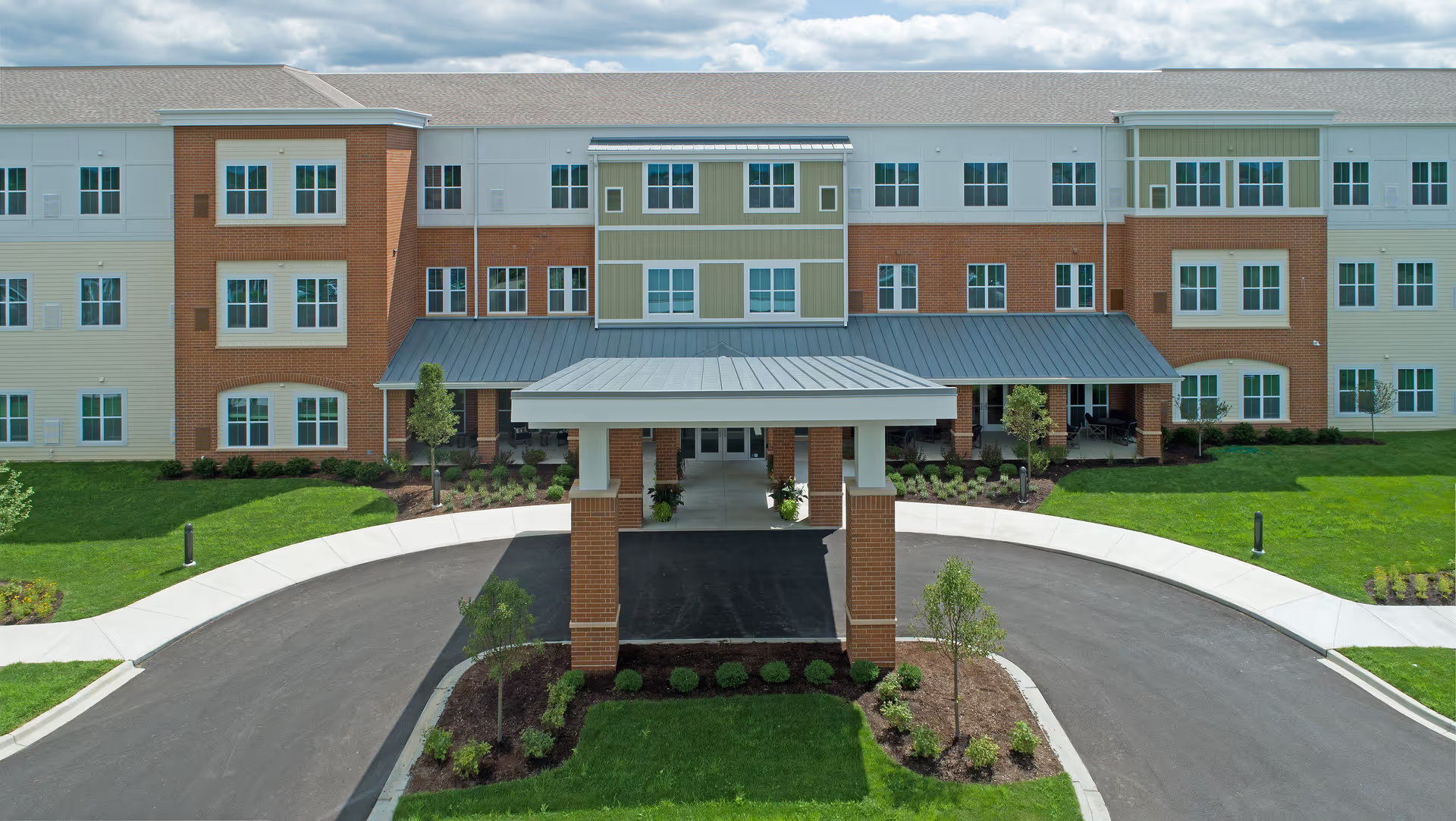
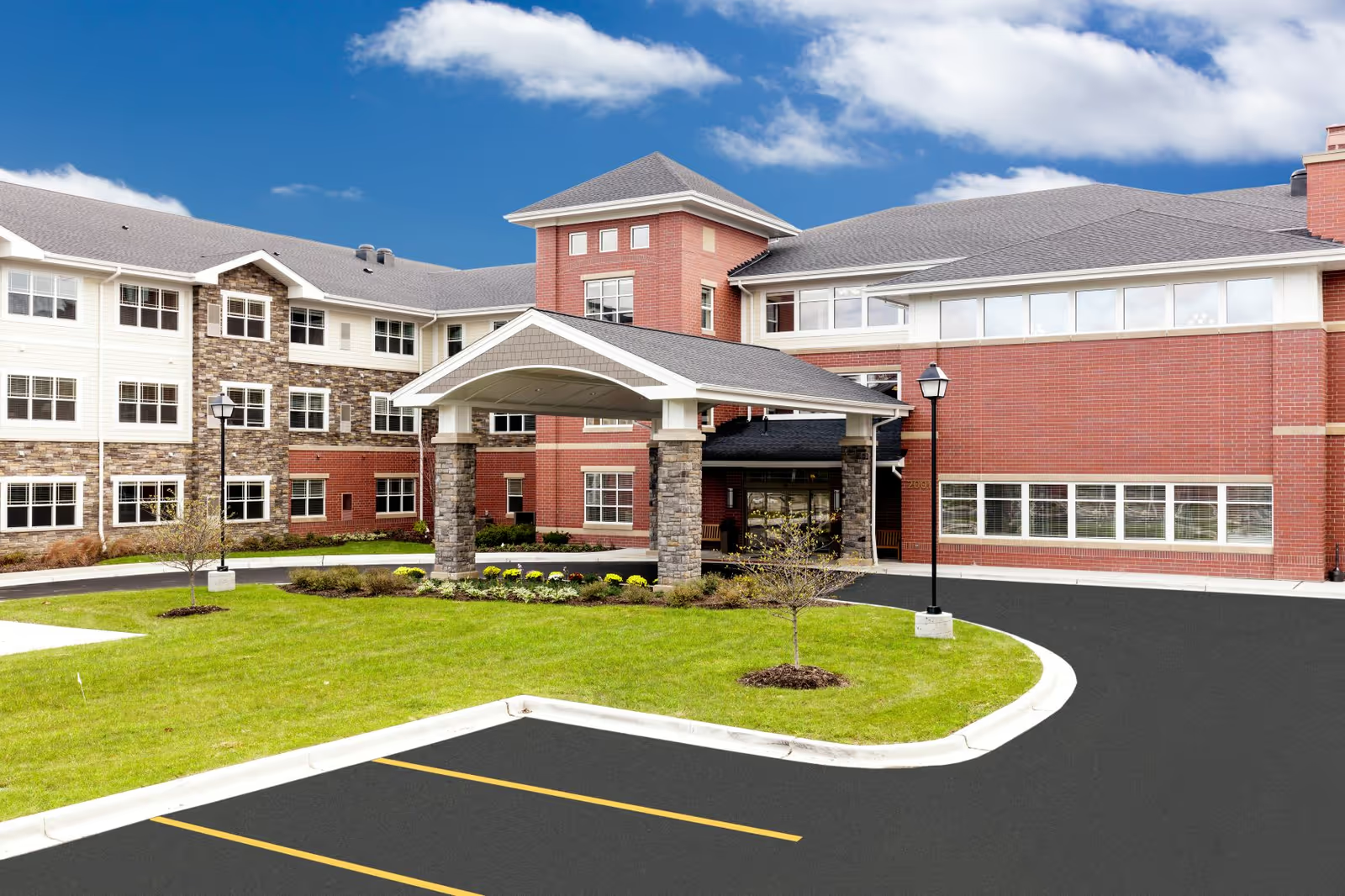
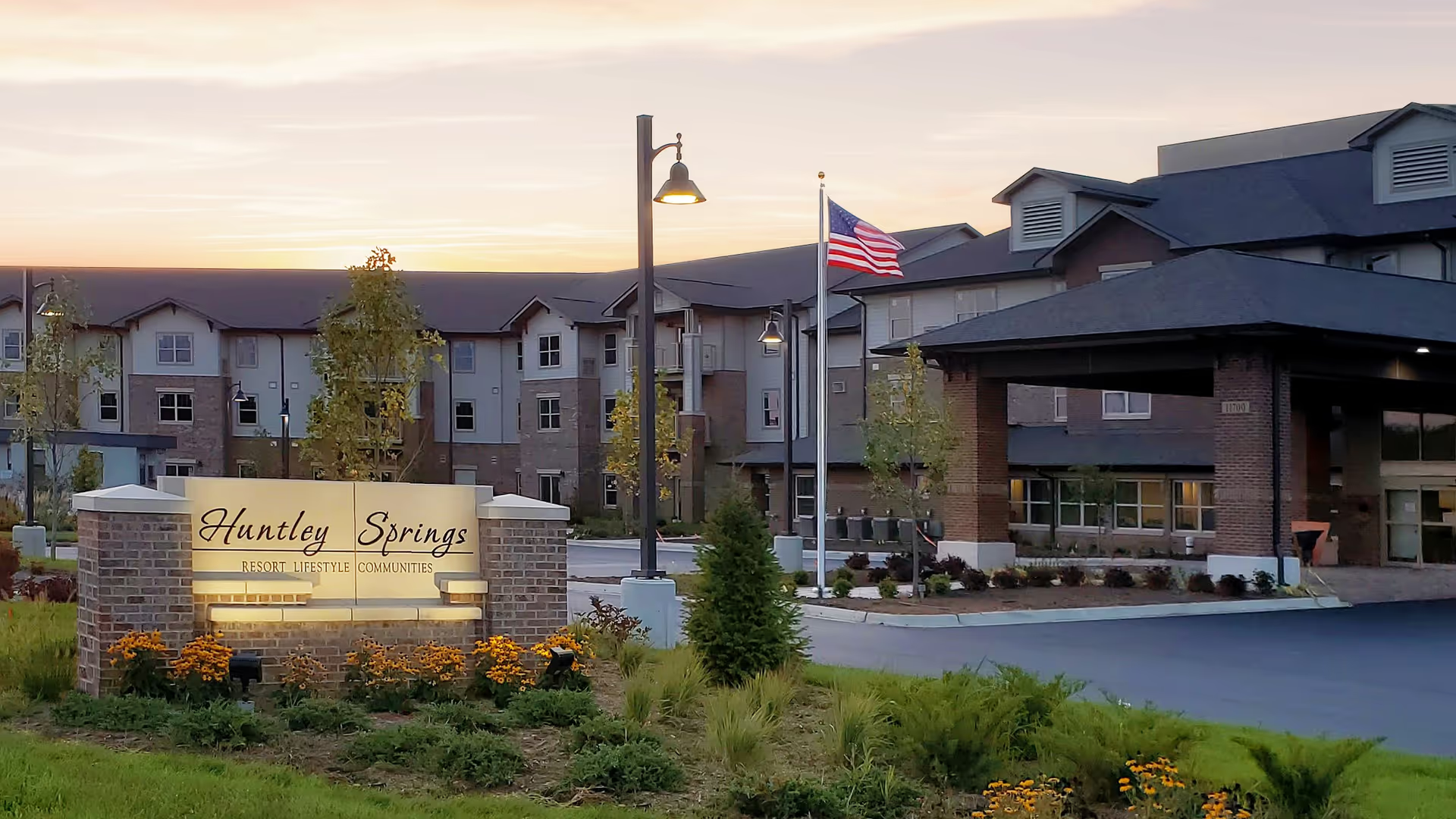
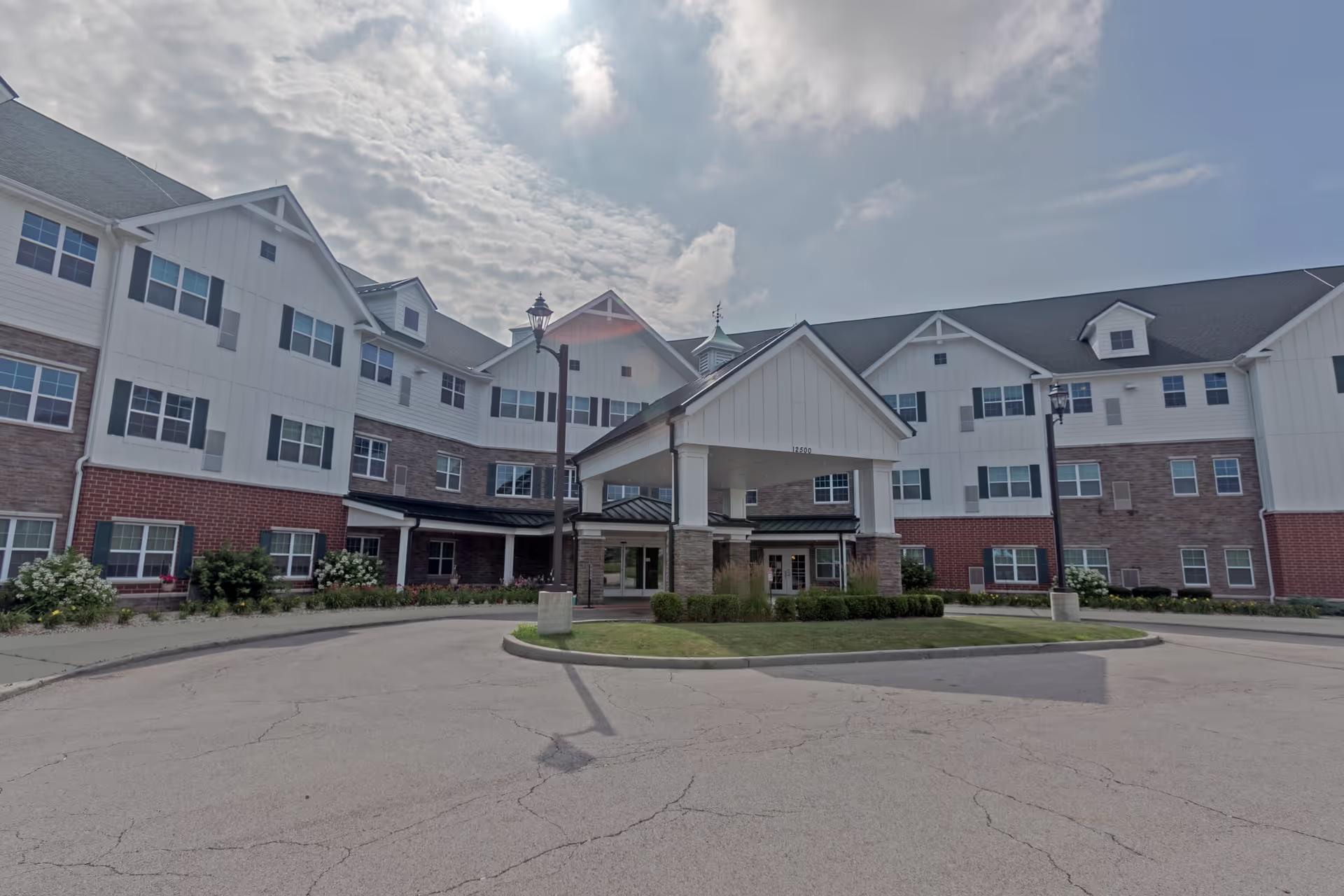
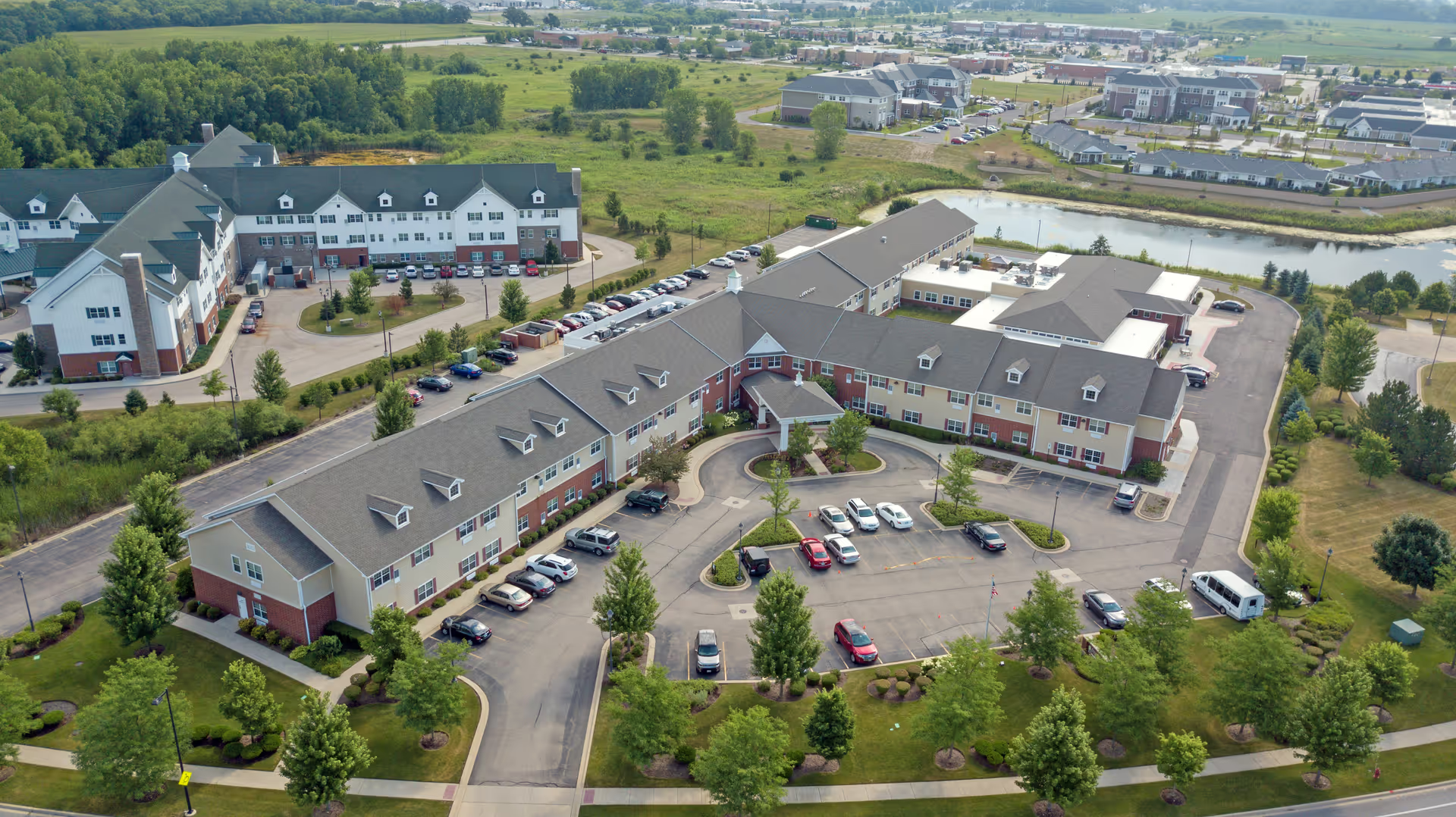
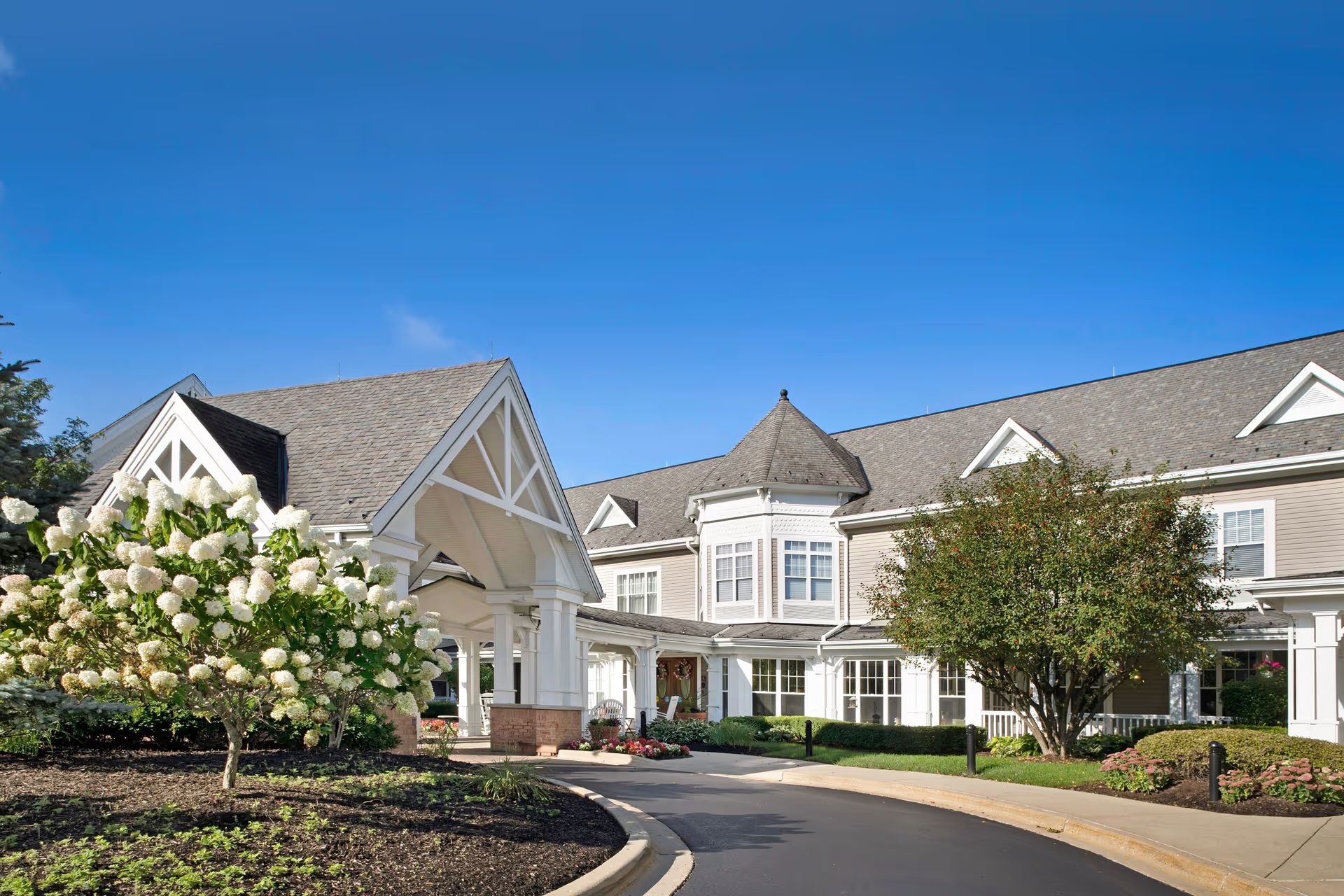
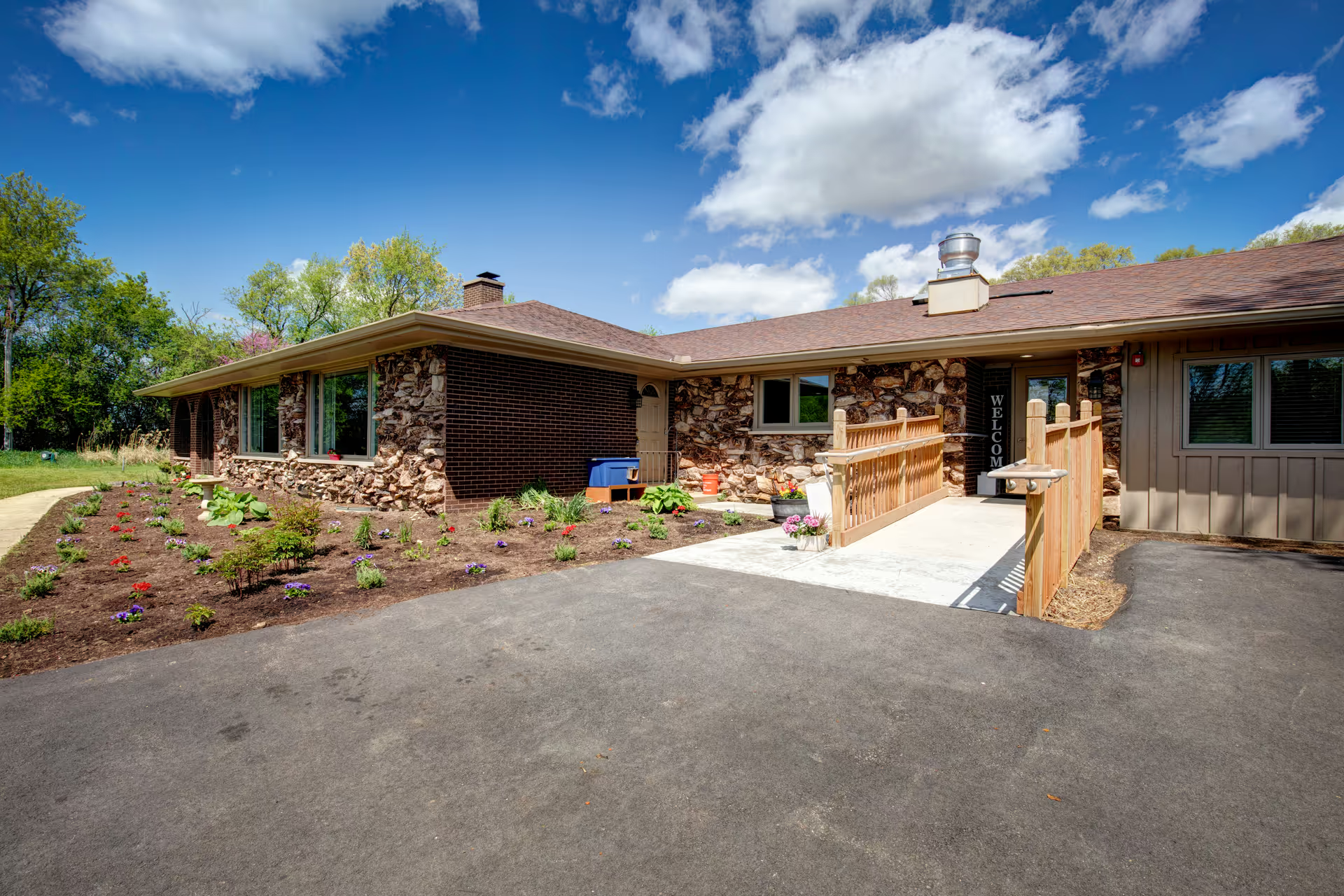
The Heathers Senior Homes present as a small, family-oriented model of senior living that emphasizes a home-like environment, personalized care, and strong leadership. Across reviews the facility's physical design is consistently praised: bright, well-appointed interiors with abundant natural light, accessible bathrooms and sinks, and thoughtfully arranged common spaces that facilitate social interaction and mobility. Private and spacious rooms, an upscale central kitchen, and outdoor porches and gardens contribute to a residential, non‑institutional feel.
Care quality and staffing are central positive themes. Caregivers and nursing staff are described as compassionate, attentive, and relationship-focused, with an operational emphasis on individualized care plans, dignity, and resident preferences. Families report clear channels of communication, including regular updates and photos, and several accounts highlight effective clinical coordination — for example, timely wound-care management and rapid response when clinical issues arise. The small community size is repeatedly credited with enabling staff to know residents personally, creating close bonds and continuity of care.
Dining and programming are also strengths. The community offers on-site, scratch-made meals with chef-driven menus; residents participate in menu planning and may order preferred items. Activity programming is varied and regular, including themed meals, games, gardening, outings, and weekly personal services like nail care. These offerings support social engagement and a whole-person approach to daily life.
Facility management and culture receive favorable comments: families note organized, attentive leadership, dementia-care training among staff, family-centered policies, and an overall welcoming admissions process. The Heathers model is presented as particularly suitable for people who want to preserve independence while having dependable assistance available in a smaller, residential setting.
Notable patterns of concern relate to operational limits that stem from the small-community model and recent growth. A number of families indicated limited access to on-site rehabilitative therapies (for example, physical therapy) and constraints when coordinating medication changes with external physicians. There are also notes about staffing variability associated with expansion and occasional maintenance needs in outdoor areas. Additionally, several accounts suggest the mixed population of assisted-living and memory-care residents may not be an ideal fit for every person with dementia; prospective residents with heavier rehabilitation or specialized medical needs should verify service availability.
In summary, The Heathers Senior Homes are characterized by a residential aesthetic, attentive and personable staff, strong family communication, and high satisfaction for families seeking an intimate, community-focused alternative to larger institutions. Prospective residents and families should weigh the benefits of personalized, small-home care against limitations in on-site specialty therapies, potential staffing variability during growth, and cost compared with more conventional or larger providers. A targeted tour and clinical-service verification (therapy availability, medication-management workflows, and memory-care fit) are recommended for families whose care needs include specialized rehabilitation or complex medication regimens.