Overall impression: Lena Living Center elicits strongly mixed impressions. Many reviewers praised the facility for its clean, bright environment, attentive direct-care staff, and a rehabilitation team that produced rapid, observable improvements for some residents. At the same time, several families described operational weaknesses that affected continuity of care and family confidence.
Care quality and clinical concerns: Direct-care interactions are frequently described as compassionate and hands-on; nursing assistants and therapy staff receive consistent positive remarks for their bedside manner and therapeutic outcomes. However, a number of reviewers described serious clinical concerns involving delays in escalation to acute care and missed or delayed medication administration. A few accounts detailed significant adverse events; these have been framed here as allegations of medication-management and escalation issues because they raise questions about clinical processes and oversight. Taken together, the pattern suggests areas where the facility’s clinical protocols and emergency escalation processes may be inconsistent.
Staffing and communication: Staff are generally characterized as caring and engaged, and many reviewers commented that employees appear to enjoy their work. Nevertheless, there are recurring complaints about internal communication breakdowns — for example, difficulty reaching nurses by phone, unanswered calls at the main desk, voicemail boxes not set up, and delayed responses to resident requests. These workflow and communication gaps appear to contribute to uneven resident experiences despite many individual staff members being well regarded.
Dining and activities: Dining is a clear strength; meals are described as appealing and well prepared, and food quality was specifically praised. The activities department and onsite religious services provide social and spiritual opportunities, including small holiday events and visiting options, which families view positively. Those seeking higher-acuity or more intensive long-term care should note comments that the setting may not be optimal for residents with substantially elevated needs.
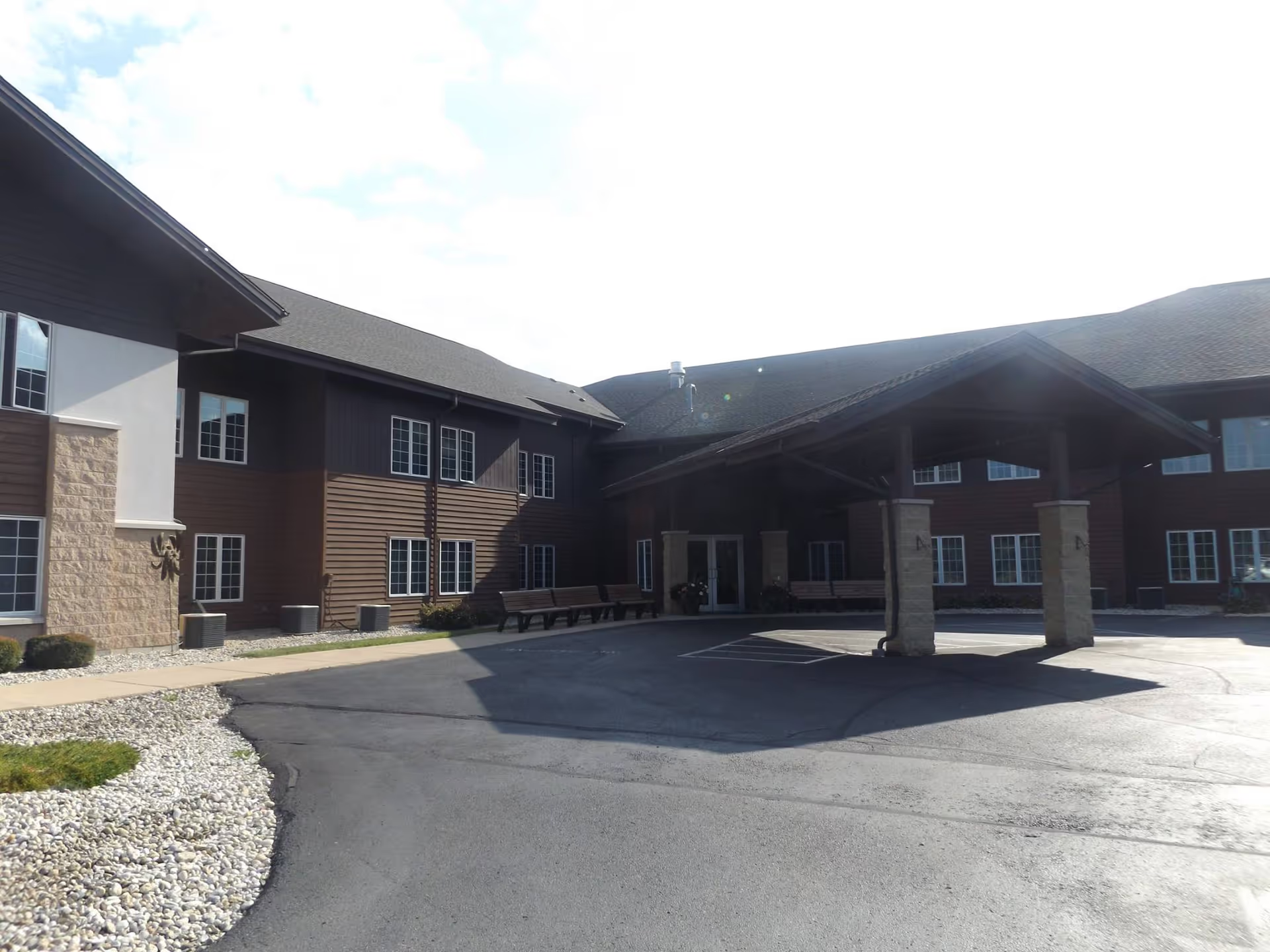
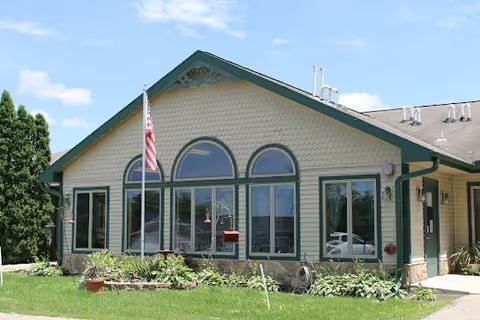
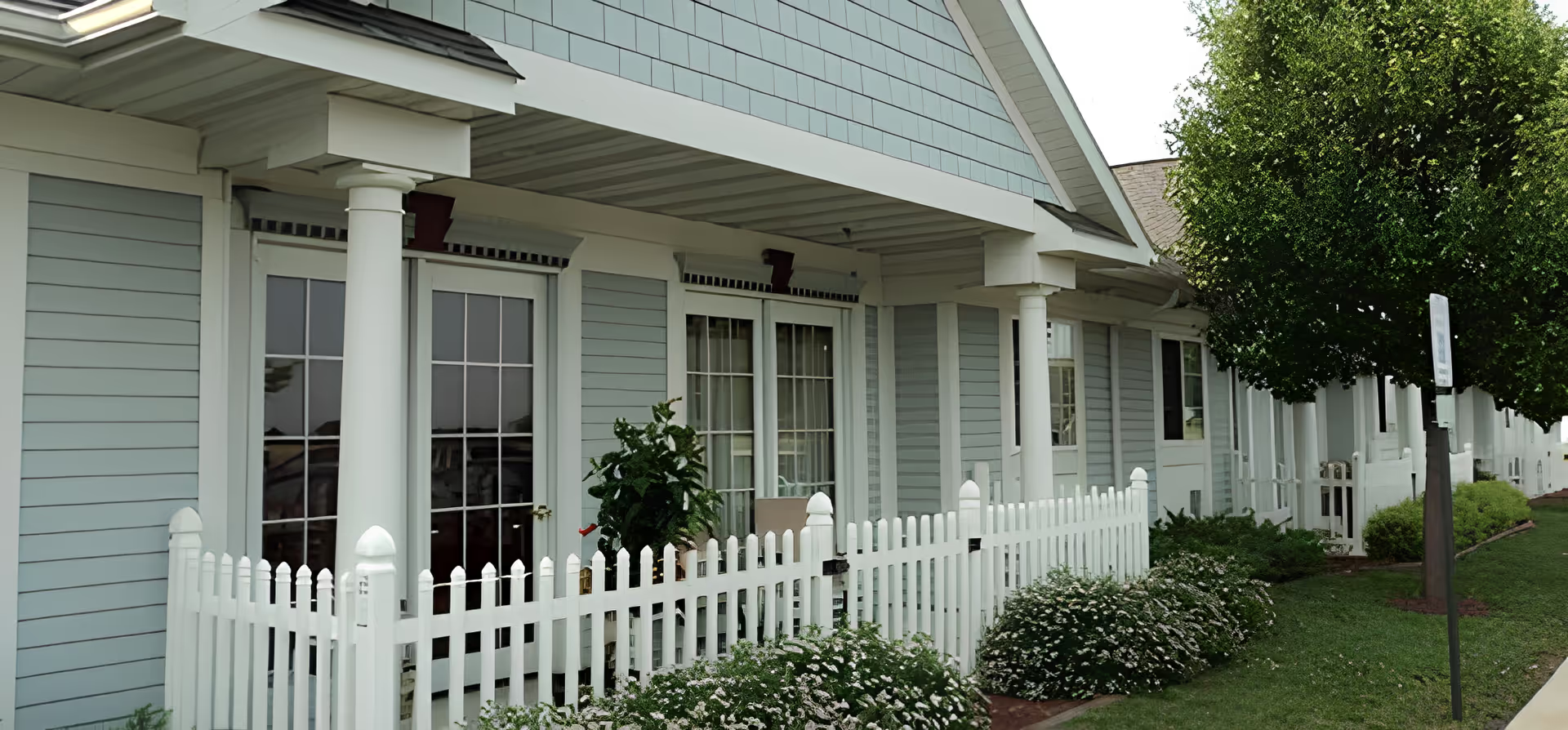
Facilities and amenities: Physical spaces are often described as clean and well maintained; rooms are bright and housekeeping is praised. Some practical issues were noted: inconsistent temperature control in rooms, lack of visible clocks or calendars in rooms, and a complicated in-room television system. These are operational shortcomings that can affect resident comfort and orientation.
Management and administration: Administrative weaknesses emerged in several areas. Reviewers cited billing inaccuracies and difficulty resolving charges, indicating that billing processes and communication with offsite billing staff may need improvement. There are also indications of documentation and regulatory-compliance lapses that warrant attention from leadership and clinical governance.
Notable patterns and recommendation: Prospective residents and families will likely be comforted by the facility’s strong therapy capability, attentive direct-care staff, good meals, and clean environment. At the same time, the facility shows consistent operational challenges around responsiveness, clinical escalation, internal communication, and administrative accuracy. Families considering Lena Living Center should follow up specifically on clinical escalation protocols, current staffing and call-answer processes, billing procedures, and the facility’s ability to meet higher-acuity needs. Arranging a tour and asking targeted questions about incident reporting, medication administration checks, and how the facility handles urgent clinical changes will help clarify whether Lena Living Center is an appropriate match for a given resident’s needs.