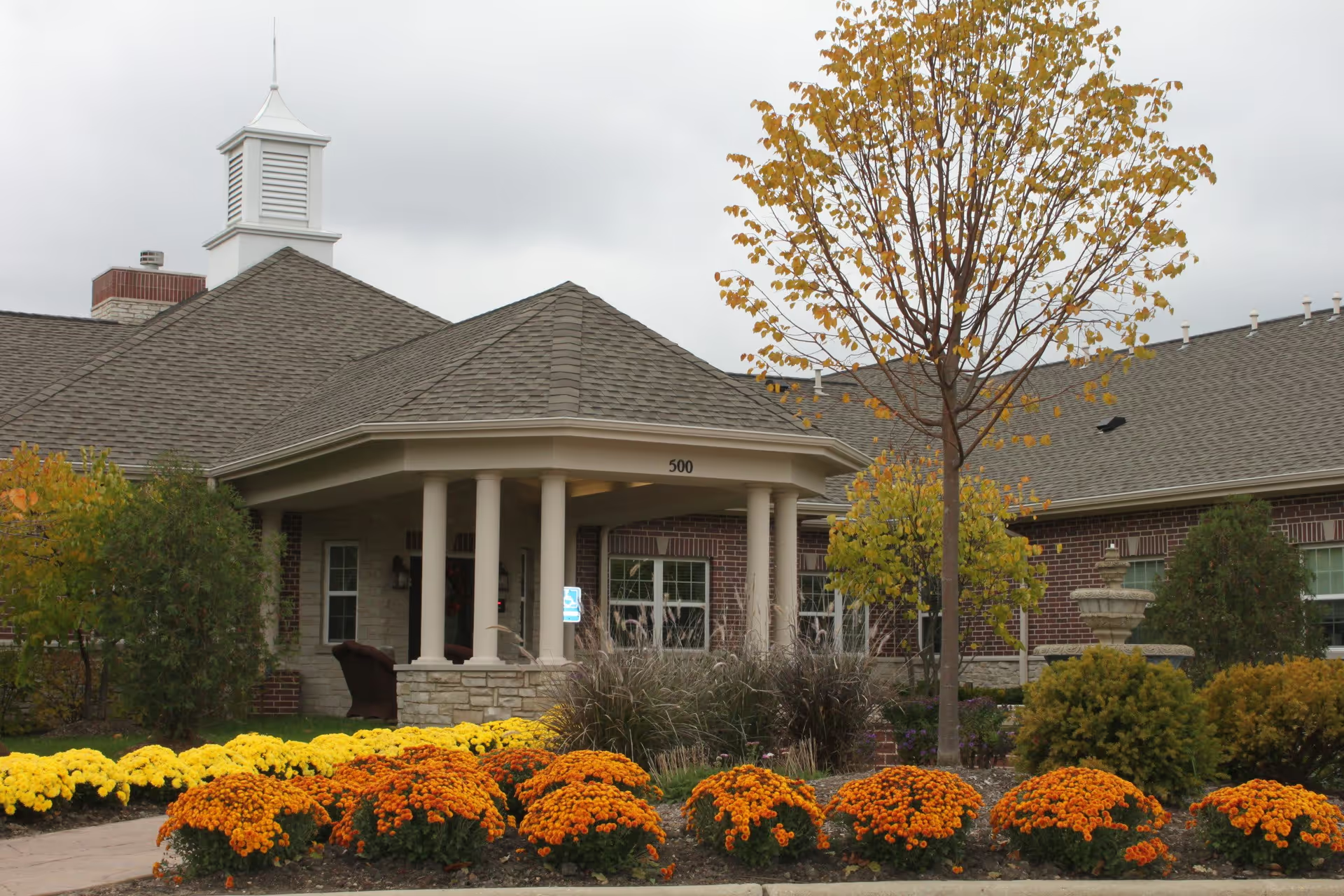
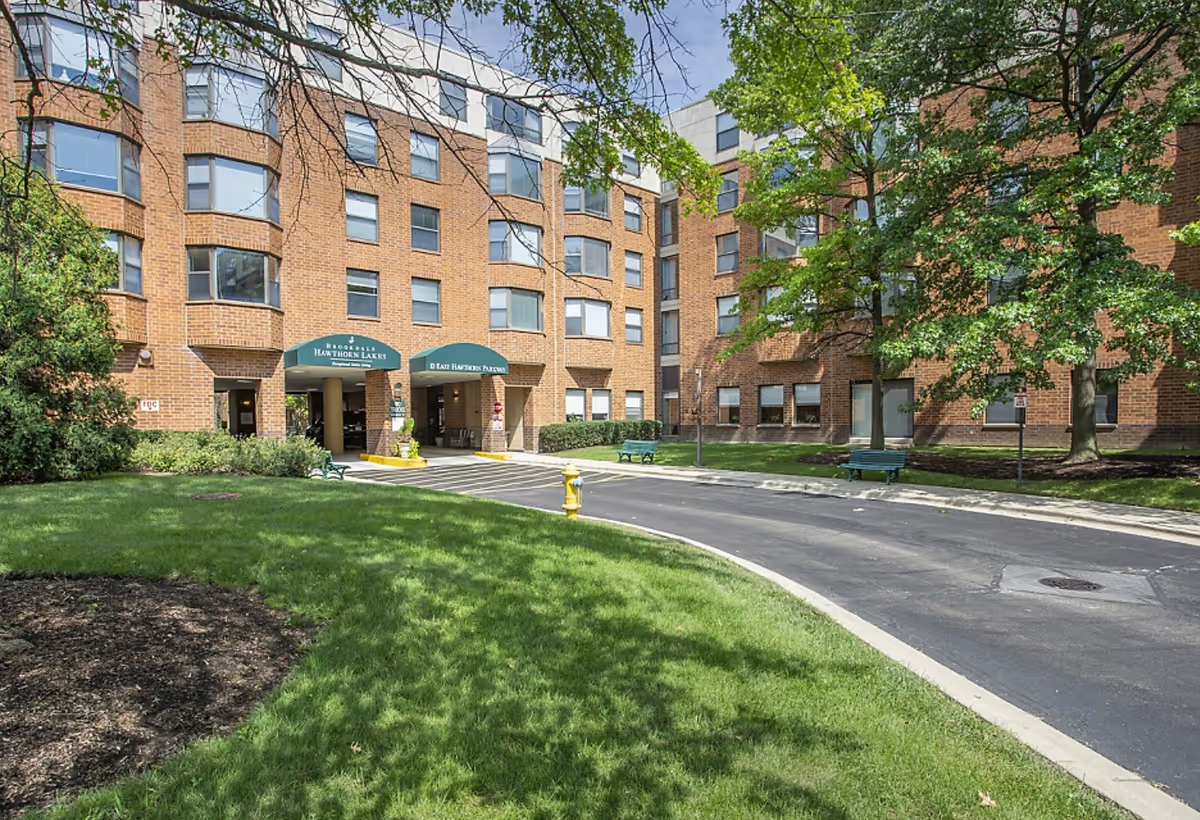
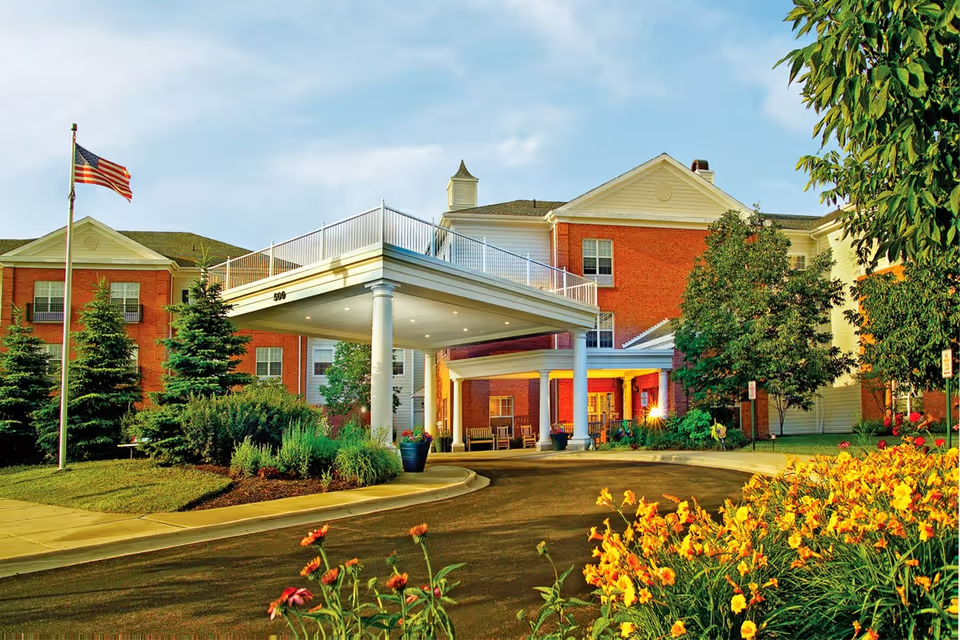
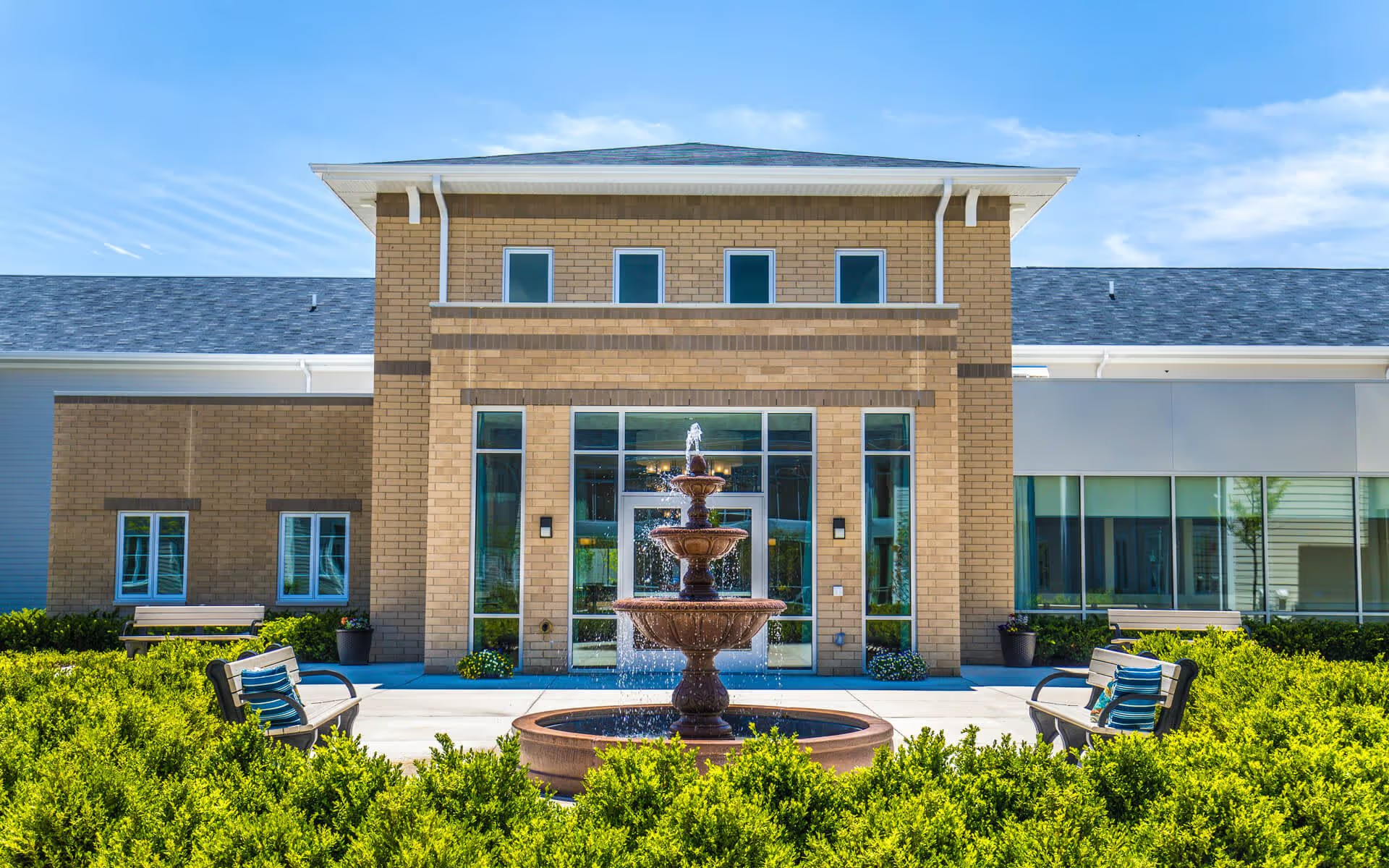
The Wealshire presents as a facility with notable strengths in hospitality, social programming, and short-term rehabilitation, alongside recurring operational challenges in clinical skilled care and administrative processes. Many families praised the physical environment for having spacious, bright private rooms and an event-capable dining area. The dining/banquet space and food-service staff receive positive mention for accommodating family gatherings and special events; a chef and culinary team are described as willing to customize menus for celebrations. The rehabilitation program and therapy team are repeatedly identified as effective, with measurable mobility gains for some residents.
Caregiving staff are frequently described as kind, engaged, and supportive; reviewers highlight attentive and compassionate interactions, meaningful activity programming across ability levels, and occasions of strong nursing leadership. The facility’s COVID-19 response and infection-control measures were viewed positively by some families, and management has hosted notable family events and milestones that reflect strengths in resident social engagement.
However, reviews reveal consistent operational concerns that prospective families should weigh. There is variability between the short-term rehabilitation experience and the longer-term skilled-nursing or memory-care experience: rehabilitation is often praised while skilled nursing and memory-care areas are described as less reliable. Staffing levels and supervision in skilled and memory-care units are recurring themes, with reviewers indicating inconsistent assistance for daily personal care, occasional wandering or unsupervised movement of residents, and gaps in oversight that affect perceived safety and security.
Clinical escalation and emergency response processes are another area of concern. Several accounts describe delays in staff response and in activating higher-level medical assistance during acute events, suggesting opportunities to strengthen incident response protocols and family communication following clinical events. Relatedly, reviewers describe uneven cleanliness and maintenance in resident rooms and some common areas (including pest-control concerns and lighting/maintenance issues), indicating inconsistent environmental services standards across the building.
Dining impressions vary by unit: while banquet and event dining are praised, routine meal service in some clinical units is described as limited in choice and inconsistent in quality. Administrative operations also show mixed performance—there are reports of billing errors, disputed refunds, and slow dispute resolution; some families experienced difficulty obtaining timely administrative responses. Language and communication barriers with primarily Spanish-speaking staff were noted as a cause of misunderstanding for some families, and a small number of accounts characterized manager responses as defensive or slow to remedy issues.
In summary, The Wealshire offers strong amenities, an active social program, effective short-term rehabilitation, and many caring frontline employees, making it a potentially good fit for residents seeking therapy-focused stays or family-oriented events. At the same time, families considering long-term skilled nursing or memory-care placement should inquire specifically about staffing ratios, supervision protocols, emergency-response procedures, room-level sanitation and maintenance schedules, language-assistance options, and the facility’s billing and dispute-resolution processes to ensure those operational aspects meet their expectations.