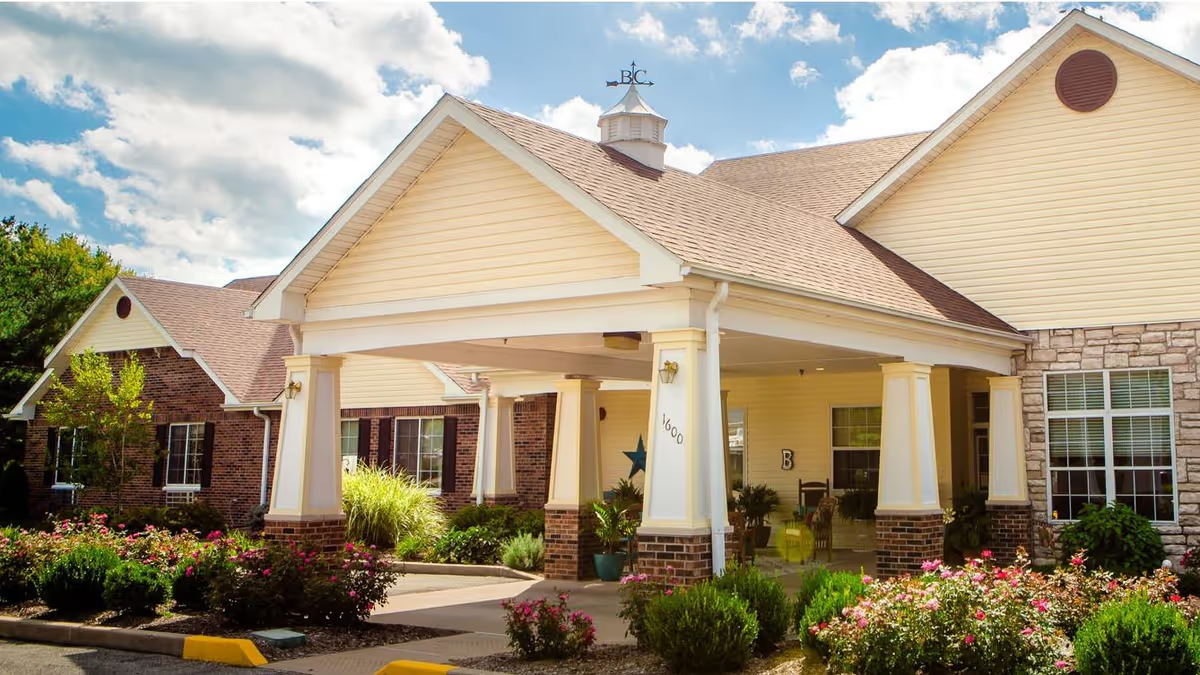
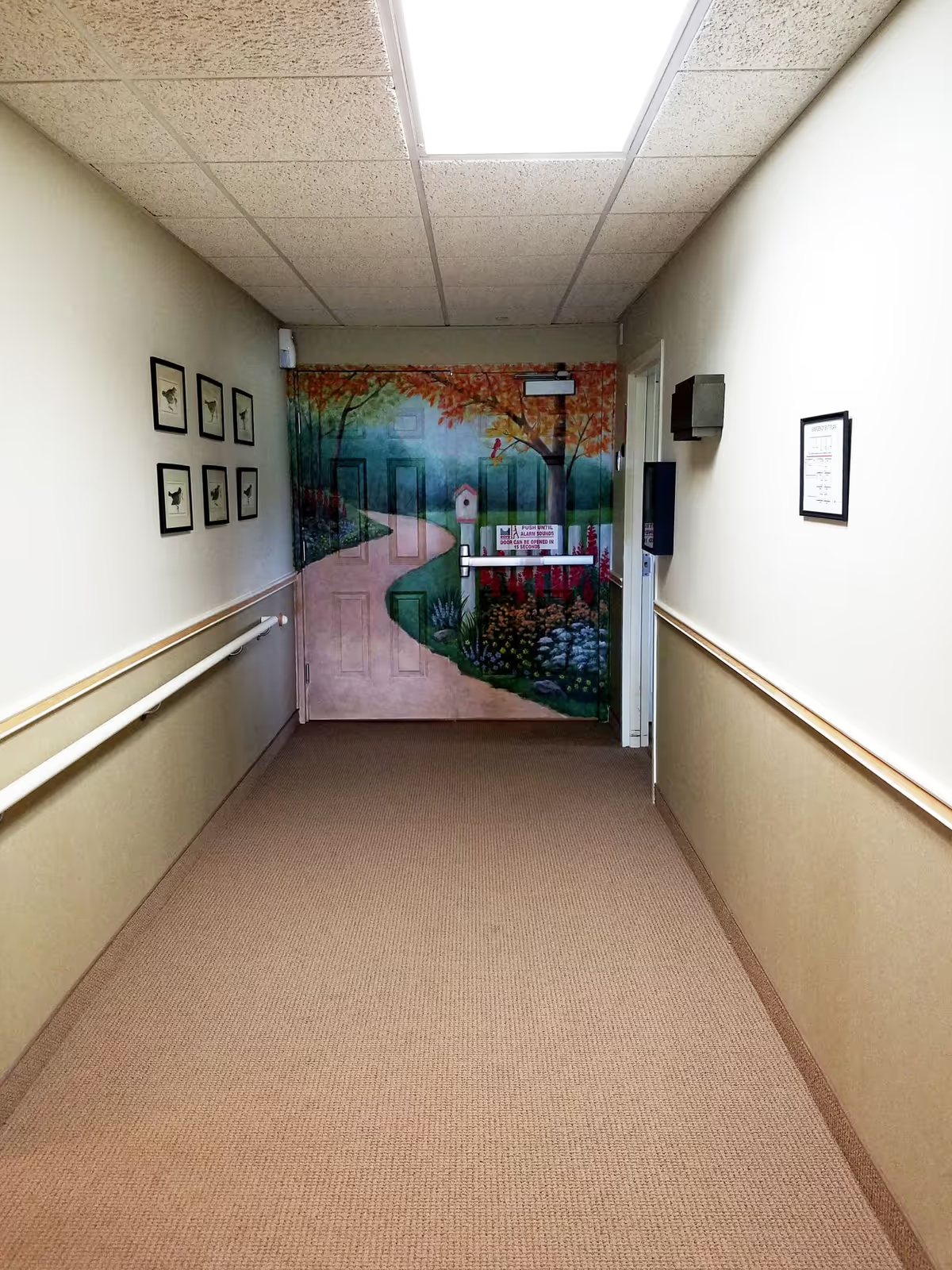
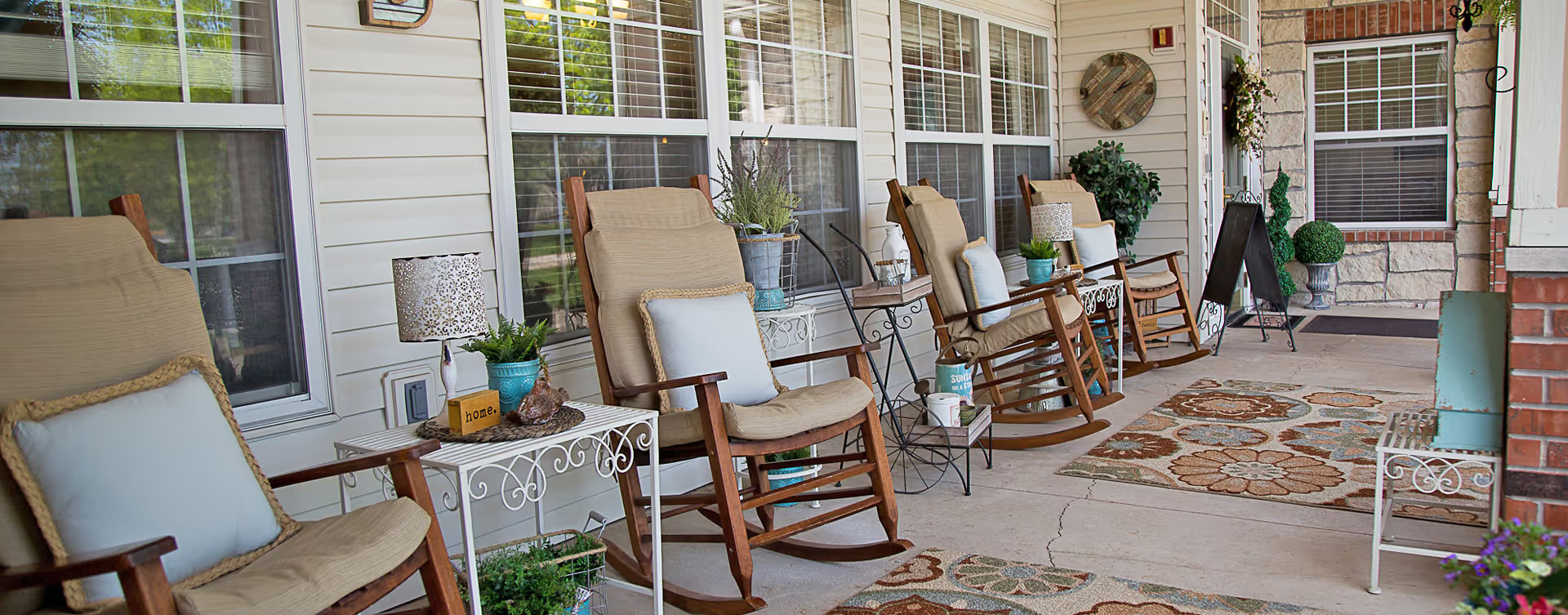
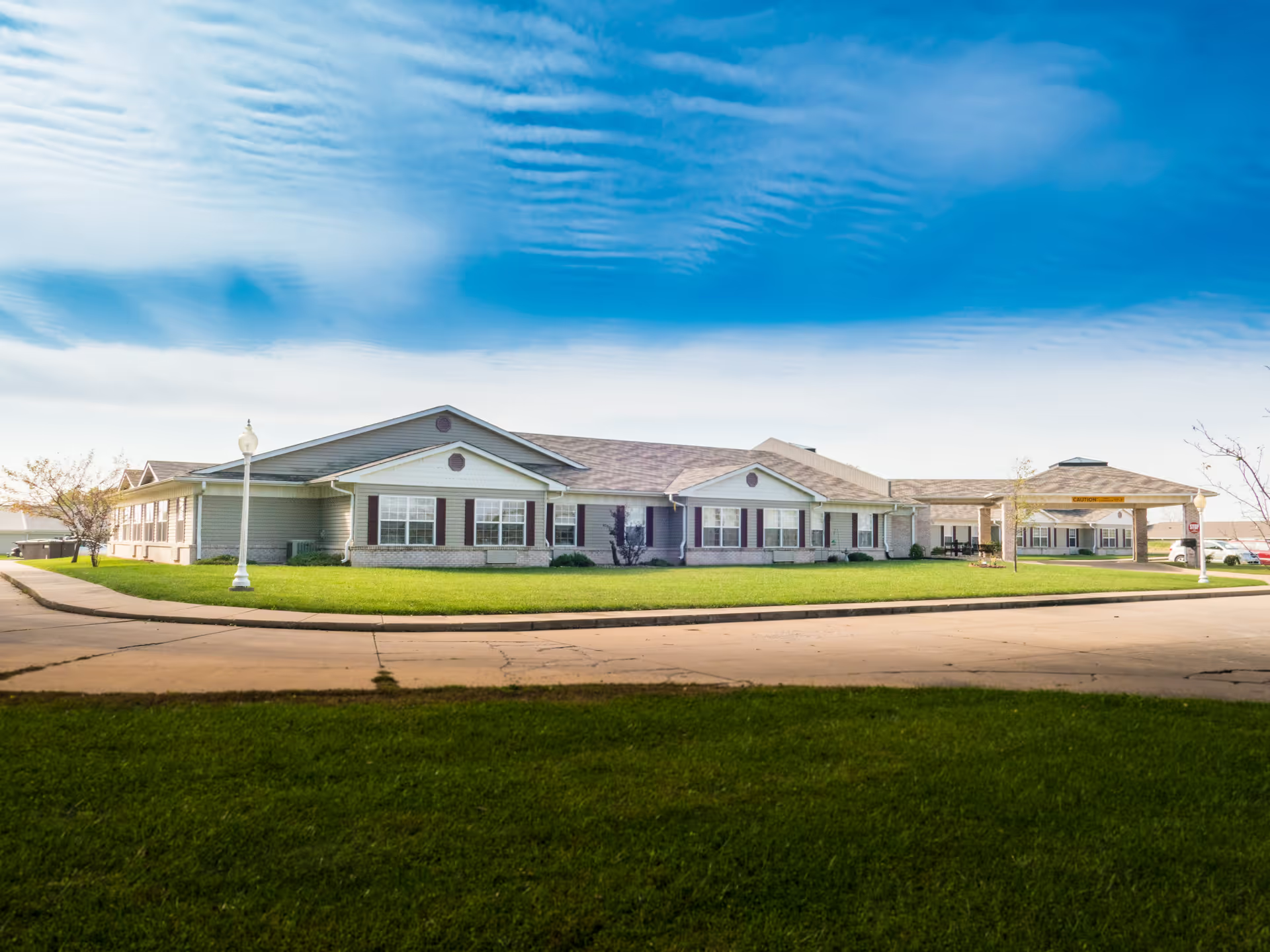
Grand Prairie of Macomb is consistently described as a clean, modern, and well-maintained assisted-living community with apartment-style residences and a layout that supports visits and social interaction. Many accounts highlight spacious, homey rooms with ample storage, comfortable visiting areas, and visitor-friendly features such as porches and a large dining room. The building offers a broad set of on-site amenities — snack room, library, exercise room, meeting spaces, cafeteria, and an on-site physical-therapy location — which contribute to a campus-like feel.
The facility’s strongest and most frequently noted asset is its staff. Reviewers emphasize compassionate, attentive caregivers who create a family-like atmosphere, greet residents warmly, and ‘‘go the extra mile’’ for outings, appointments, and daily needs. Admissions and administrative responsiveness are also praised: staff are described as accessible, quick to return calls and schedule tours, and knowledgeable about financial-assistance programs. Transportation assistance and organized community outings (including local shopping trips and longer excursions) are cited as important supports that help residents maintain independence and social engagement.
Dining and activities receive consistently positive comments. Meals are characterized as substantial and restaurant-quality, with a varied selection that families found appealing. The activity program appears broad and active, with social programming, adult day participation, and frequent opportunities for engagement that reviewers say improve morale and help residents adapt to communal living.
Several reviewers, however, raised operational concerns that prospective residents should consider. The most notable pattern involves medication-management and clinical coordination: there are indications of inconsistent medication practices and challenges when external agency staff are involved, which can create gaps in clinical knowledge and handoffs. Relatedly, some accounts point to variability in staff communication and professionalism, which has affected family interactions and the perceived consistency of care. A subset of feedback suggests the community is best suited to residents needing assisted living rather than those who require higher-acuity skilled nursing; families seeking greater clinical intensity reported the facility was not an ideal fit.
In summary, Grand Prairie of Macomb presents as a warm, well-appointed assisted-living residence with strong dining, programming, and a caregiving culture that many families find compassionate and responsive. It appears particularly well suited to residents who value independence, social activities, and a personable staff. Prospective residents and families should, during tours and care-planning meetings, ask specific questions about medication protocols, staffing models (including use of external agency personnel), and the facility’s capacity to support higher-acuity needs to ensure alignment with clinical requirements.