Overview: Reviews for this facility present a mixed picture: many families and visitors praise frontline caregivers and the social environment, while other accounts describe operational and oversight inconsistencies that affect day-to-day resident experience. Strengths cluster around the quality of direct care, communication with families, and community programming; weaknesses center on environmental services, clinical coordination, and management oversight.
Care quality and clinical issues: Several reviewers compliment CNAs and direct-care staff for attentive, compassionate interactions and good engagement with residents. At the same time, there are clear concerns about clinical coordination: reviewers cited missed medication doses and delays in pain management, indicating variability in how medication administration and clinical follow-through are managed. This pattern suggests the facility provides strong interpersonal care but may have gaps in clinical process consistency and handoffs.
Staff, conduct, and communication: Staff–family communication is frequently noted as a positive; families describe staff who explain situations and keep relatives informed. However, there are also specific concerns about staff conduct and tone, including allegations of culturally insensitive behavior and instances where communication was perceived as abrupt or disrespectful. Taken together, the feedback indicates generally strong relational skills among many employees, but also a need for reinforced training and supervision around professional communication and cultural sensitivity.
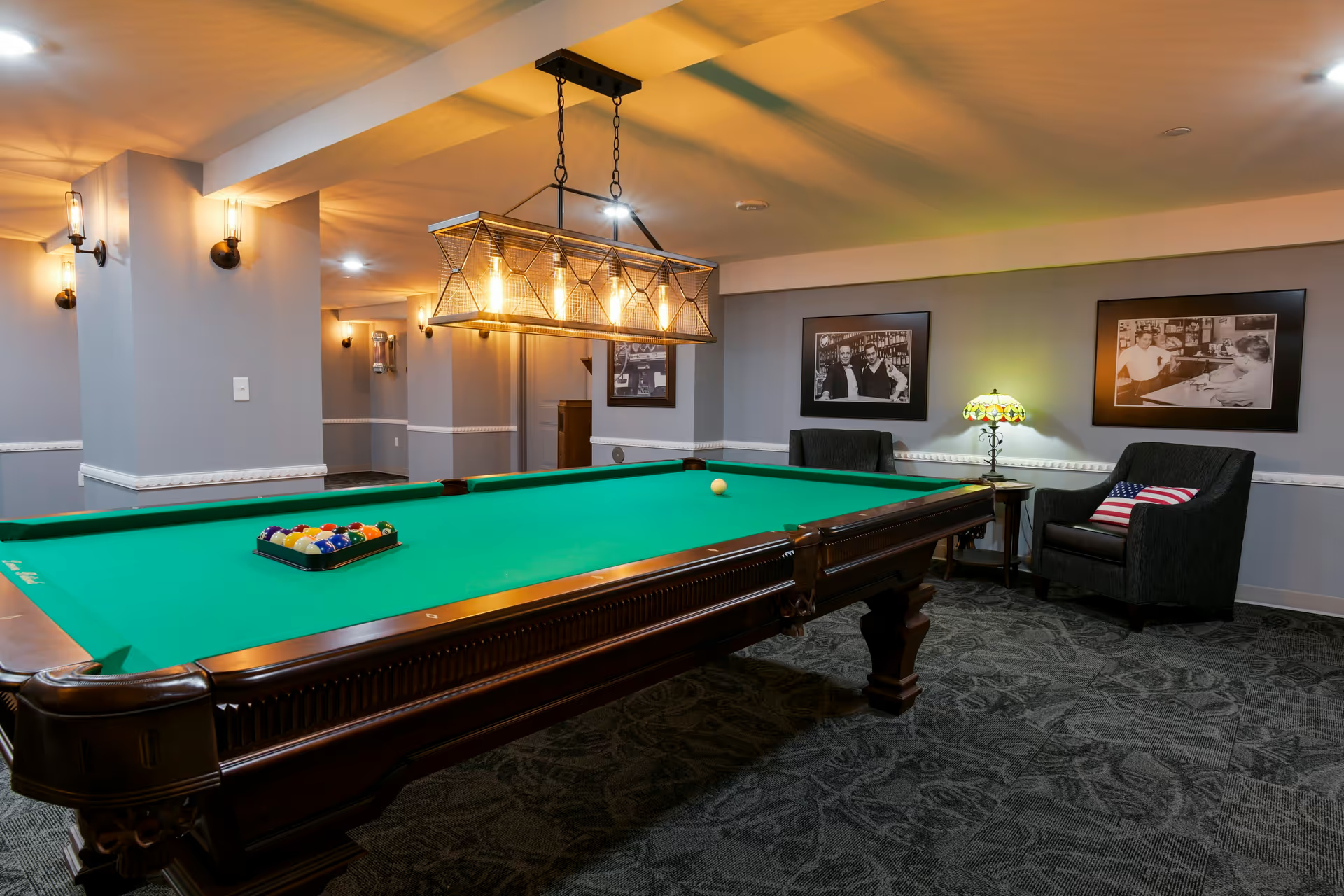
Dining and activities: There is limited, specific feedback about dining quality in the provided summaries, so an assessment of meals and food service cannot be confidently made from this dataset. Activities receive positive mention: seasonal events and intergenerational programming (for example, Halloween activities and engagement with visiting children) are cited as strengths that contribute to a lively, community-oriented atmosphere.
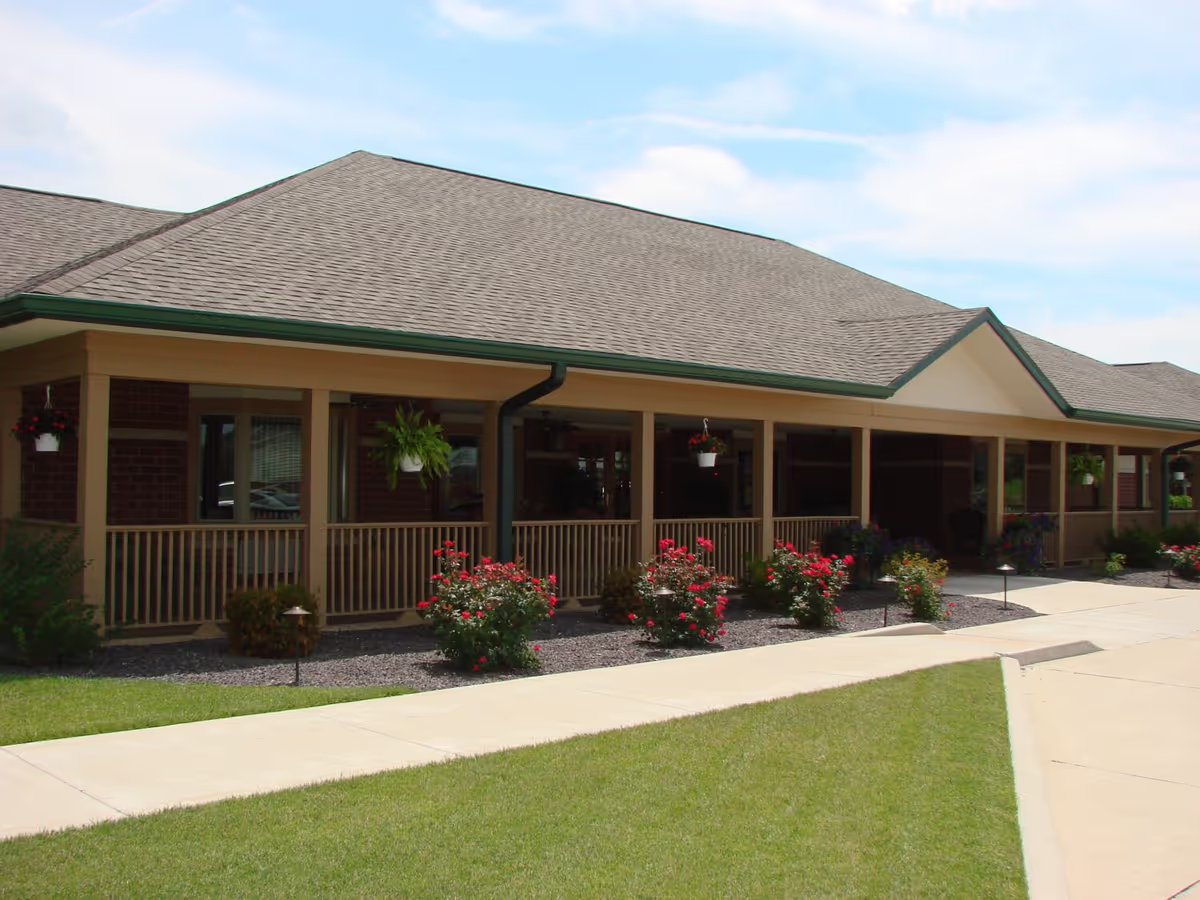
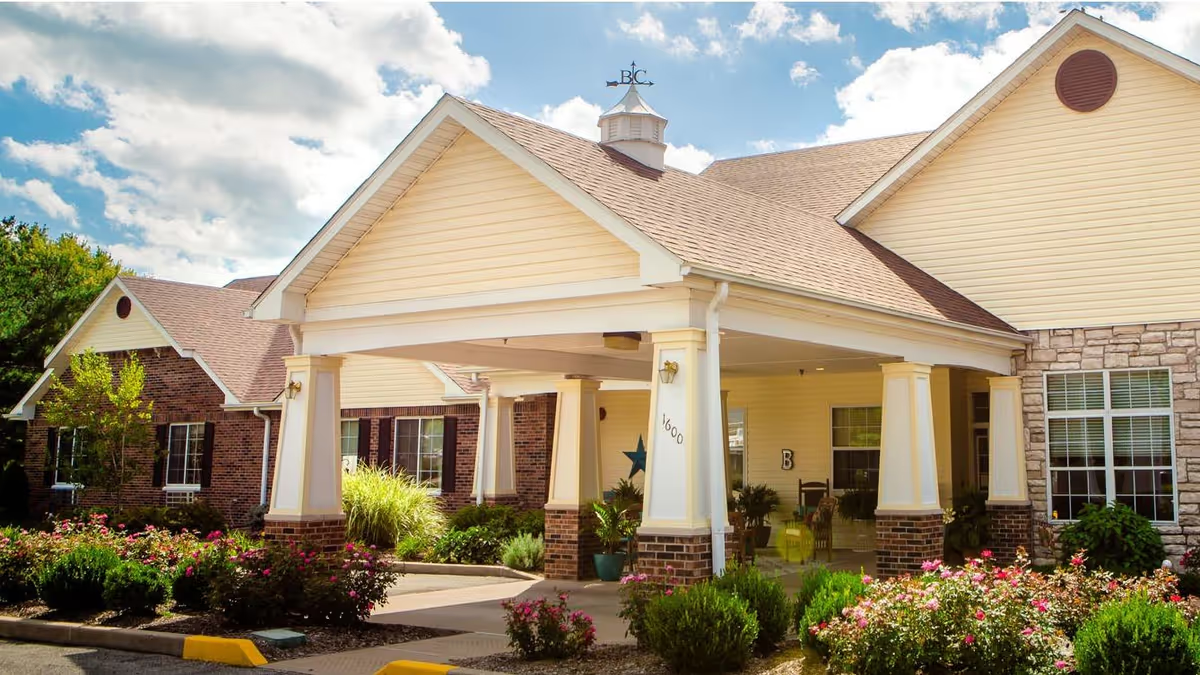
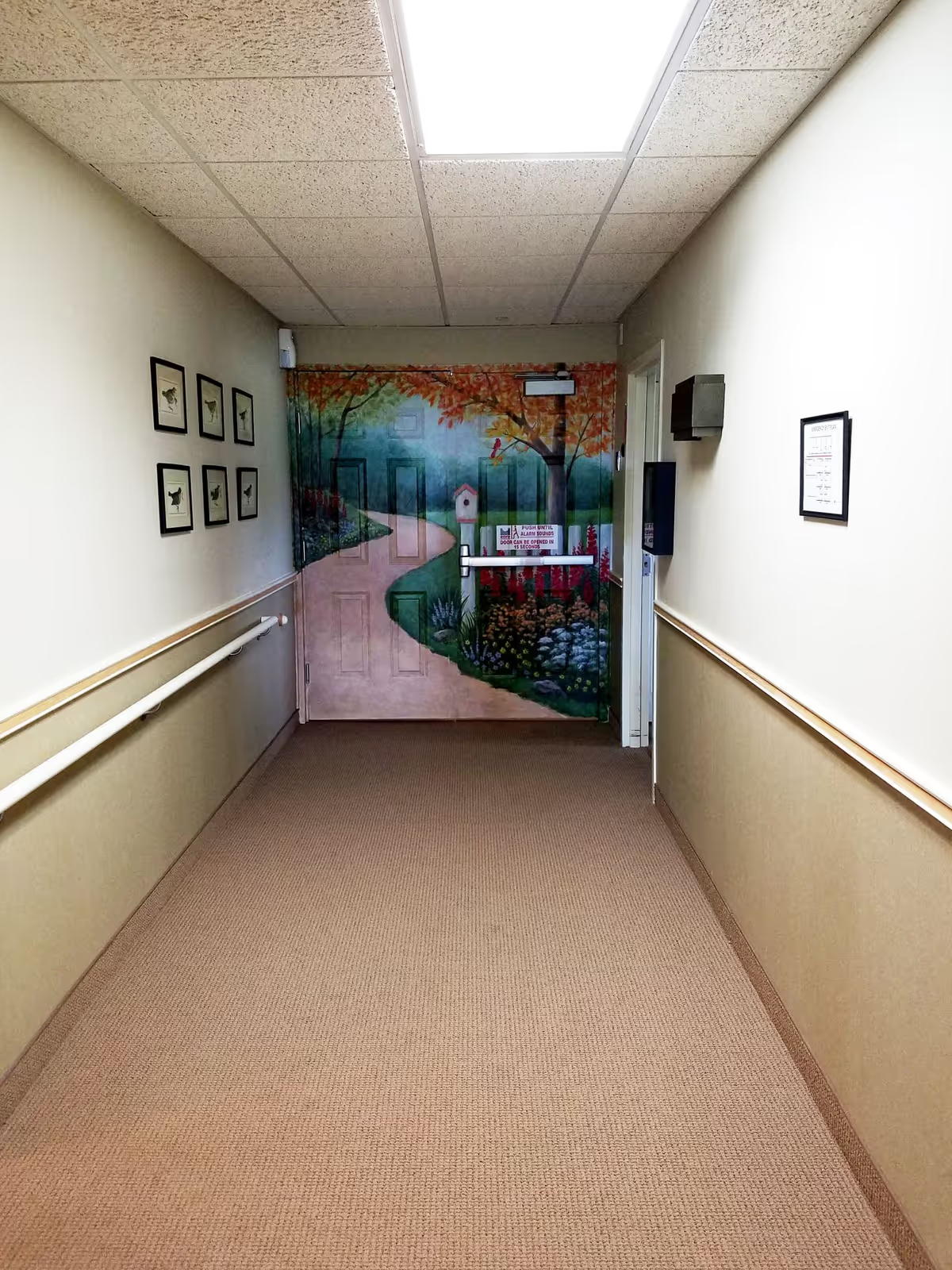
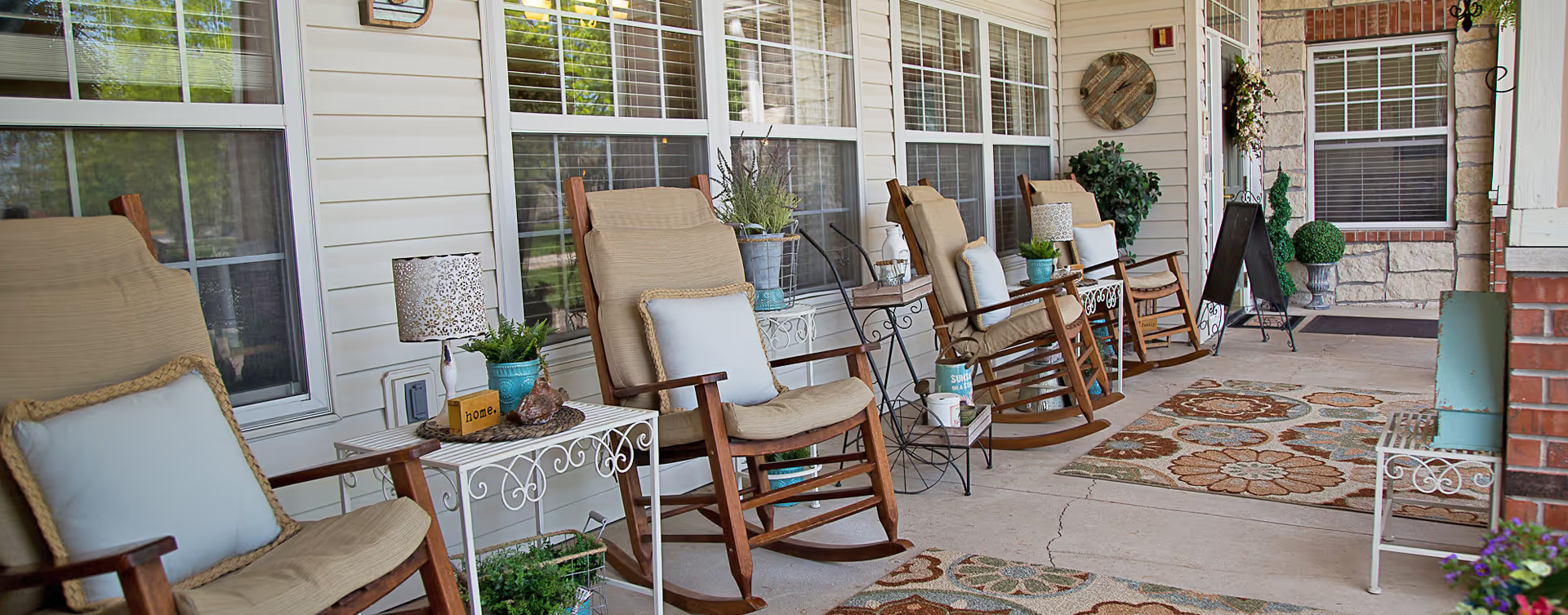
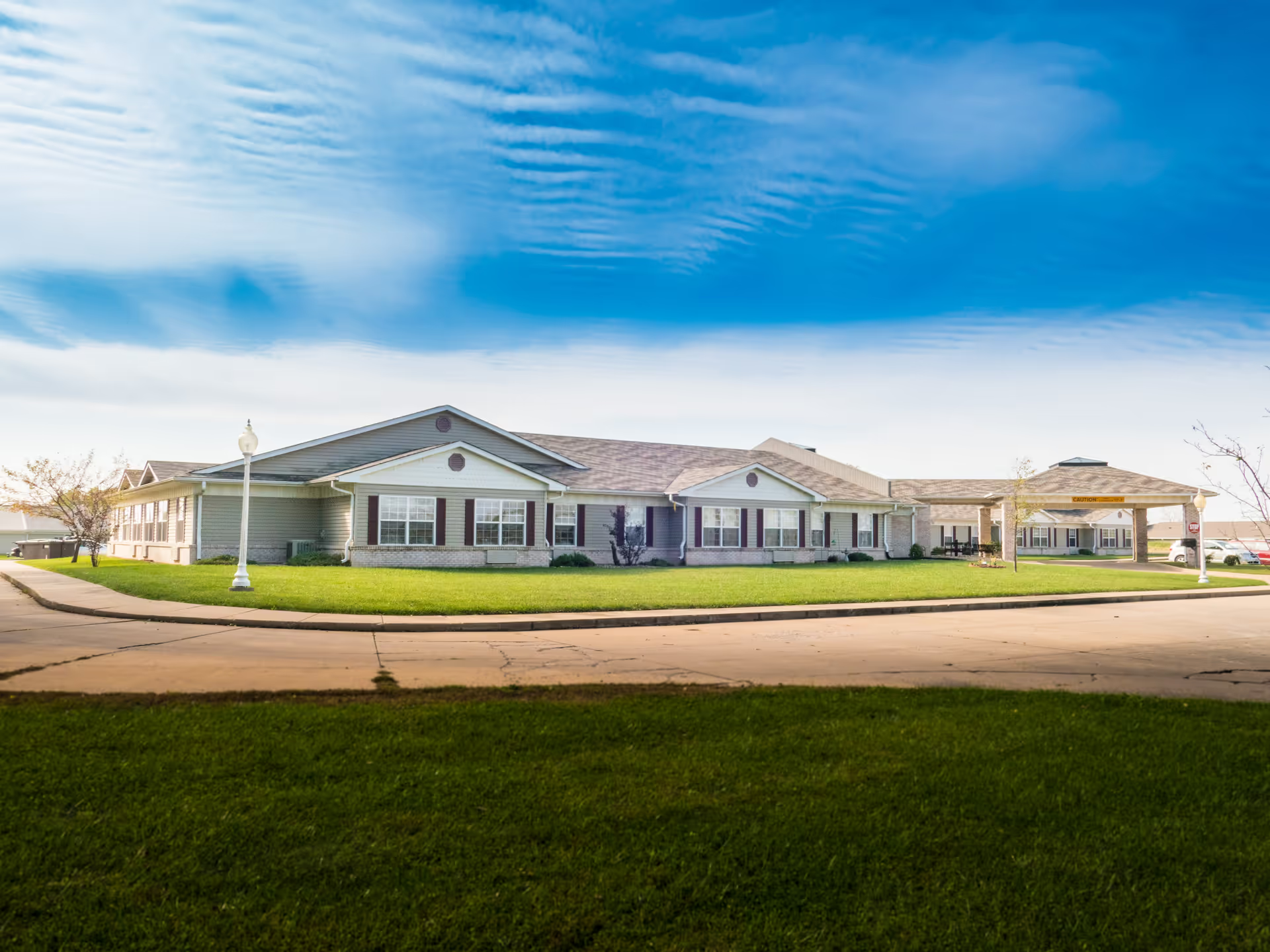
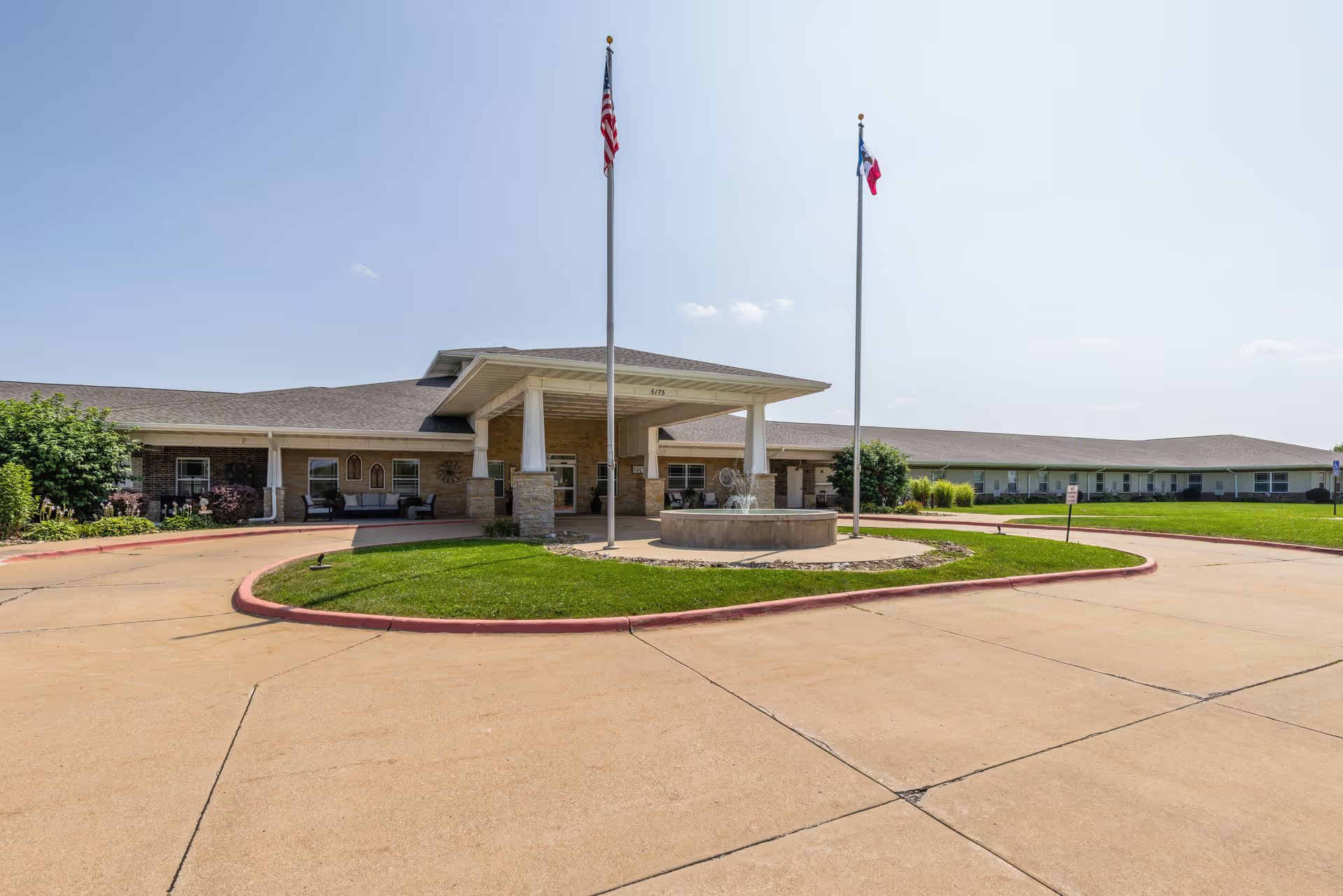
Facilities and maintenance: Facility condition comments are mixed. Multiple reviewers describe clean, up-to-date, and well-maintained areas, and some appreciate the building’s historic character. Conversely, others report housekeeping lapses (unclean rooms, bedding/laundry issues) and specific maintenance problems such as unreliable air-conditioning. These contrasting observations point to variability in environmental services and building-system reliability across time or units.
Management and notable patterns: Several reviewers suggested leadership and supervisory shortcomings, with calls for stronger management oversight to address operational inconsistencies. The combination of staffing praise and operational weaknesses—housekeeping, medication administration, maintenance, and isolated conduct concerns—suggests the facility’s strengths lie in individual caregiver commitment, while systemic processes and quality-control mechanisms may need reinforcement. There is at least one allegation of discriminatory staff conduct; such claims merit prompt, discrete administrative review and corrective action.
Bottom line: Prospective residents and families can expect compassionate, engaged direct-care staff and active community programming, but should ask targeted questions about the facility’s housekeeping routines, medication-administration protocols, HVAC and maintenance procedures, and staff training/supervision. Requesting recent inspection records, staffing ratios, medication-error logs, and examples of staff training in communication and cultural sensitivity will help clarify whether operational improvements have been implemented since the experiences reflected in these summaries.