Overall impression: The reviews present a polarized picture of care at the facility. Several accounts highlight highly committed, compassionate caregivers and supportive department-level teamwork; others emphasize operational and environment-related shortcomings. This split creates significant variability in family and resident experiences, with both strong praise and substantive concerns appearing across the set of summaries.
Care and staff: Care quality descriptions are mixed. Positive comments describe attentive CNAs and nurses who go beyond basic duties, provide regular updates to families, and create a comforting, personalized environment. Named staff members were singled out for effective communication. Conversely, other feedback points to inconsistent responsiveness at the nursing station, perceived indifference from some staff, and insufficient coverage during key periods. Inferred patterns indicate unstable staffing levels and uneven performance across shifts, producing variable resident oversight and delays in attending to requests.
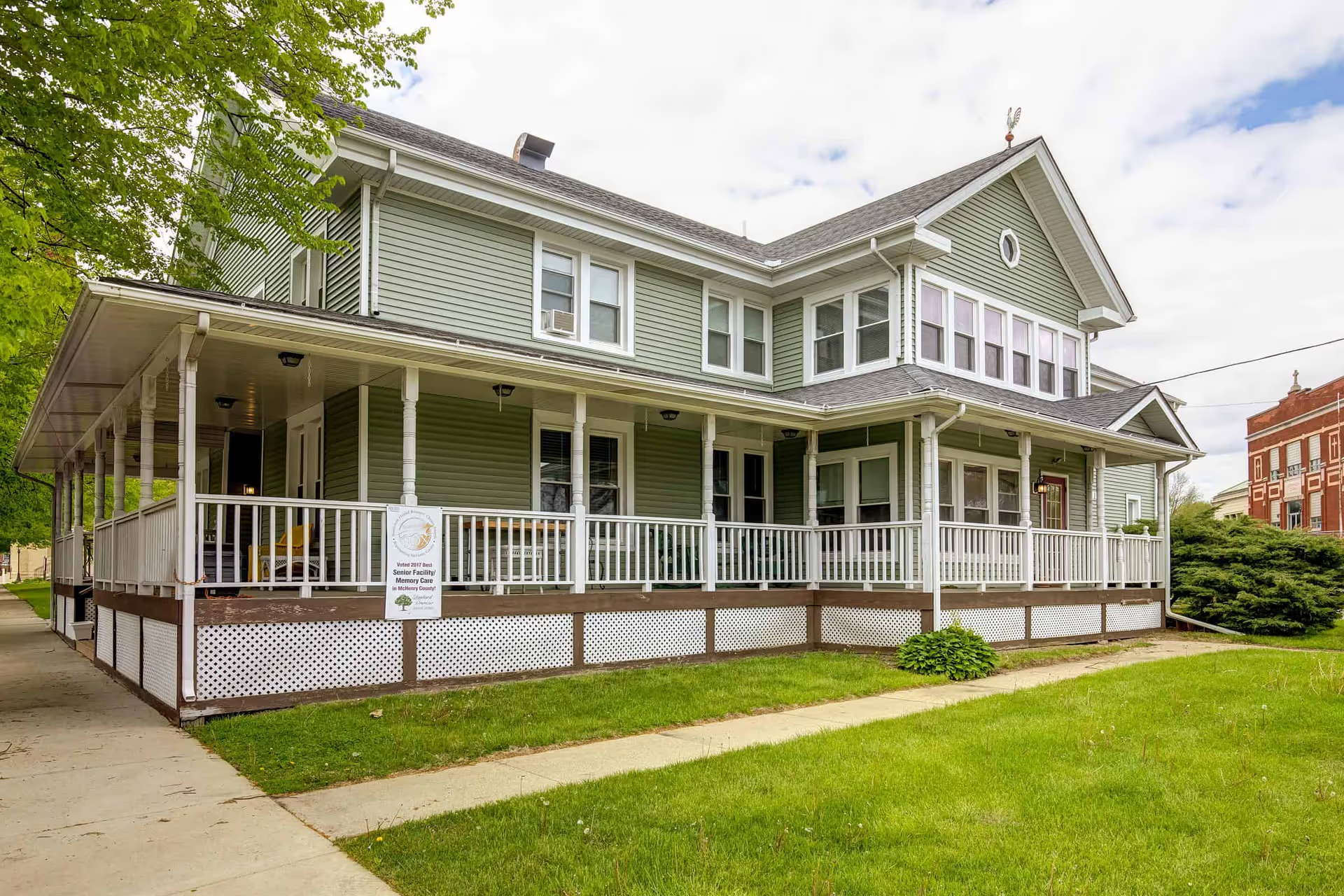
Facilities and dining: Several families noted a homelike atmosphere and praised housekeeping, maintenance, and dietary personnel as part of a cohesive team. At the same time, more critical summaries raise sanitation and cleanliness concerns and describe a building that feels rundown. Linen- and bedding-related inconsistencies were mentioned, suggesting gaps in routine personal-care logistics. The kitchen and dining support were acknowledged positively by some respondents, but there is limited detail about food quality; the primary facility-level issue in this area is inconsistency in environmental upkeep and room-level cleanliness.
Activities, therapy, and resident life: A recurring concern is discontinuity or reduction in rehabilitative services and organized programming. Summaries cite discontinued physical therapy and a lack of structured activities, which has resulted in residents spending extended periods without engagement beyond television. This suggests activity programming and therapy continuity are areas of operational weakness that can affect functional outcomes and quality of life.
Management, communication, and policies: Management is described in mixed terms—some reviewers praise dedicated and hardworking administrators who foster teamwork, while others criticize poor communication, difficulty reaching staff, and a perceived lack of trustworthiness. There are also mentions of restrictive visitation or access policies and concerns about billing/financial practices. These items point to management-level issues in transparency, family communication processes, and policy consistency.
Notable patterns and considerations: The dominant pattern is variability: strong, compassionate individuals and effective departmental teamwork coexist with systemic issues such as inconsistent staffing, sanitation management gaps, interruptions in therapy, limited engagement programming, and occasional communication breakdowns. Prospective residents and families would benefit from an in-person assessment focused on current staffing ratios, schedules for personal care and linen changes, the availability and continuity of therapy services, activity calendars, cleaning protocols, and clarification of visitation and billing policies before making placement decisions.