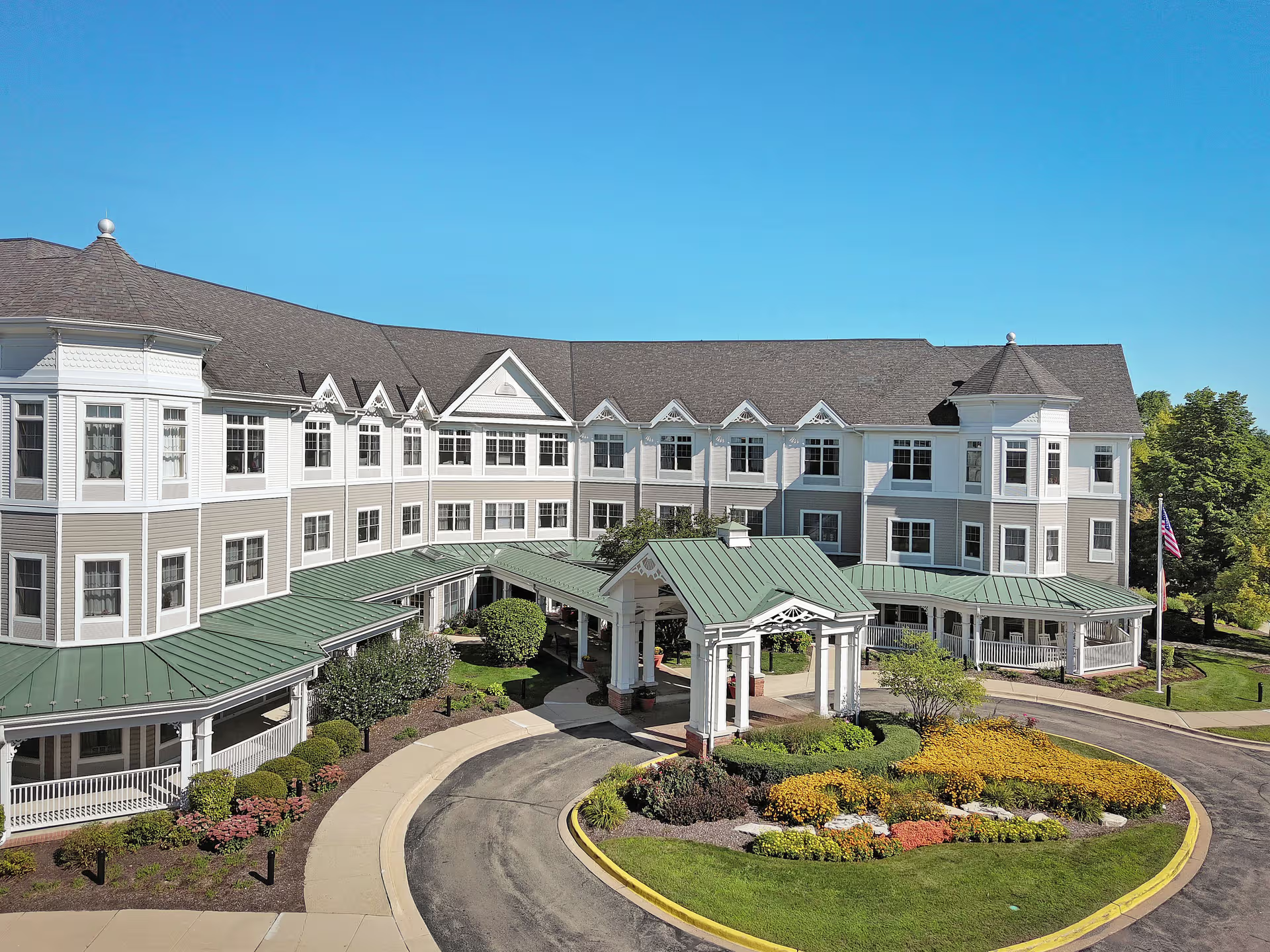
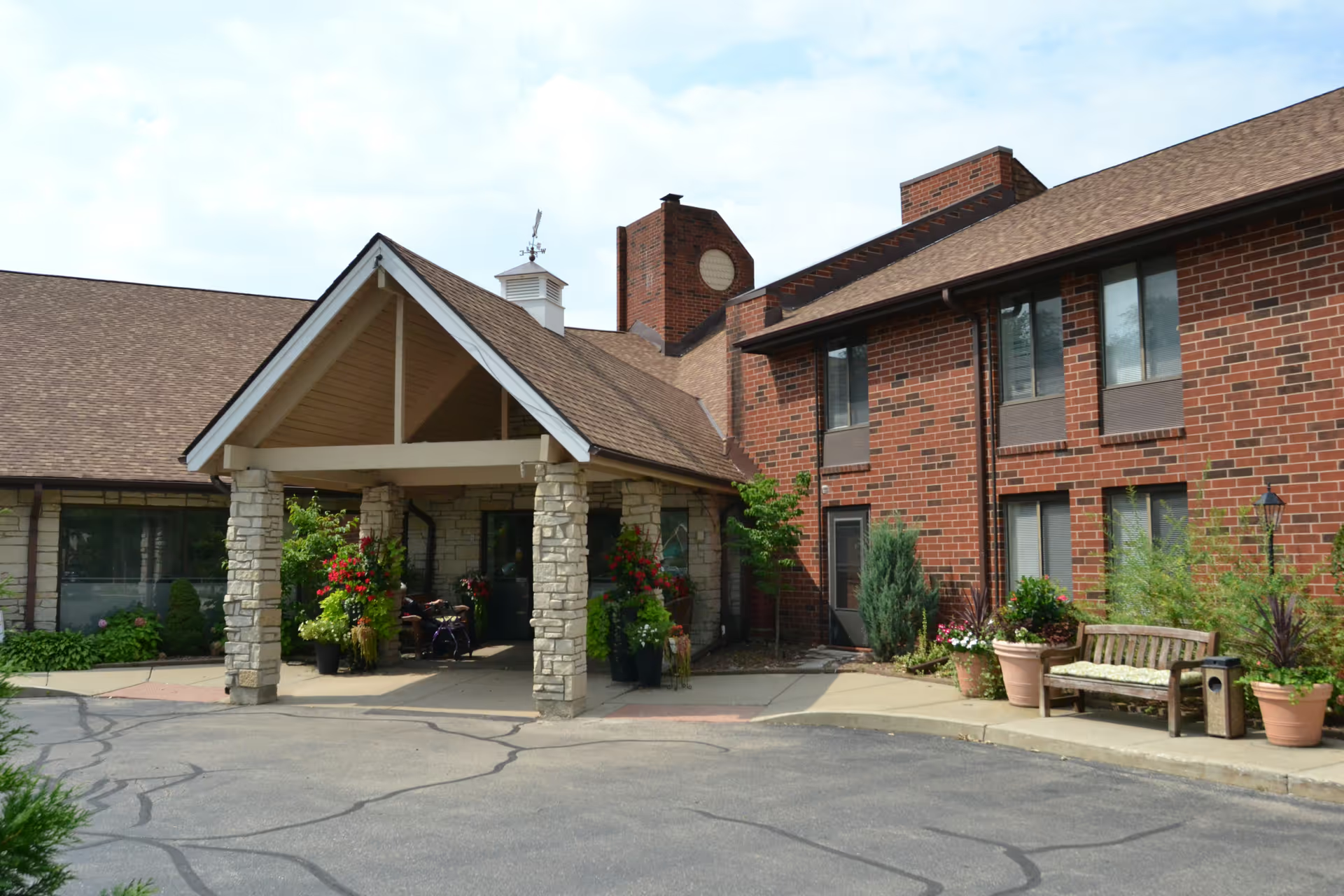
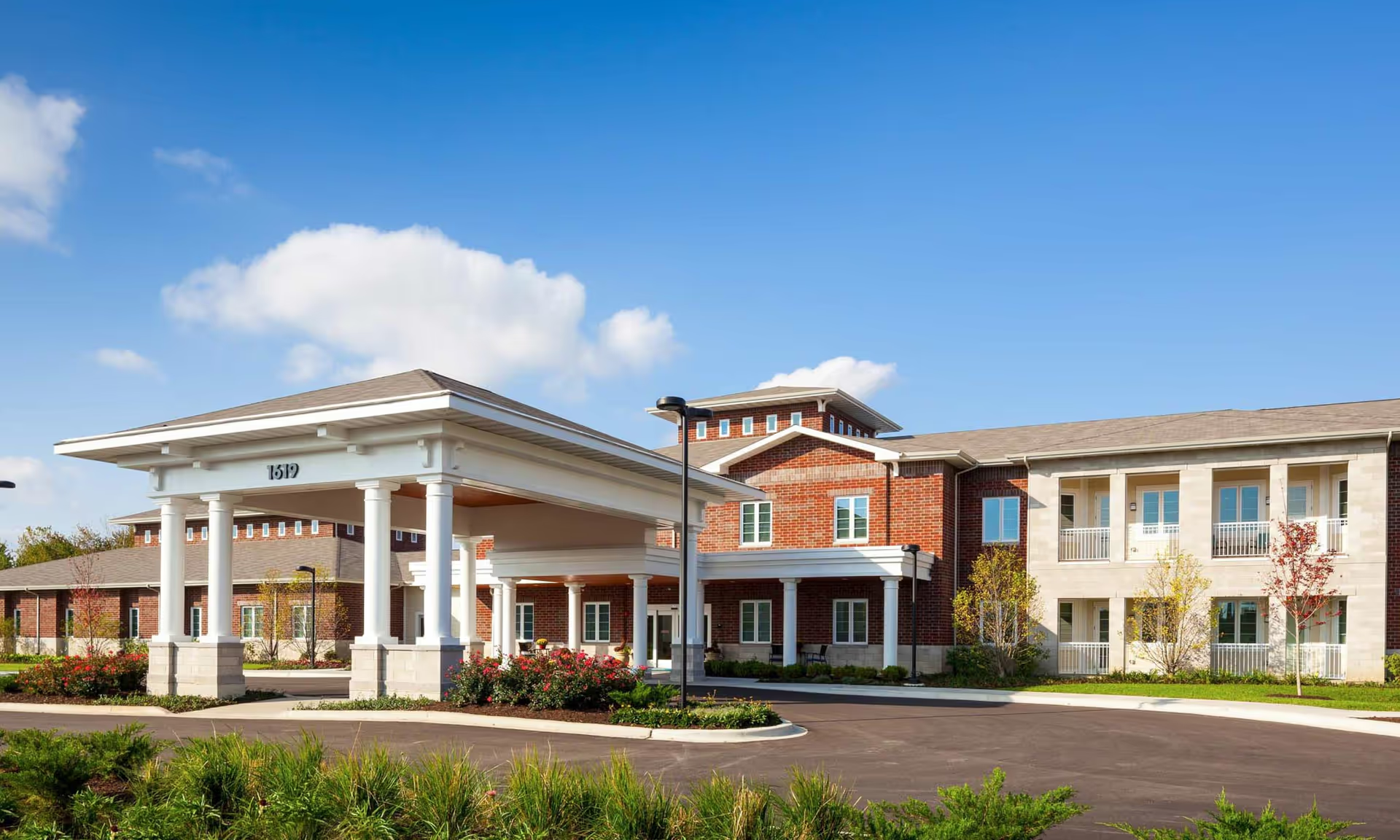
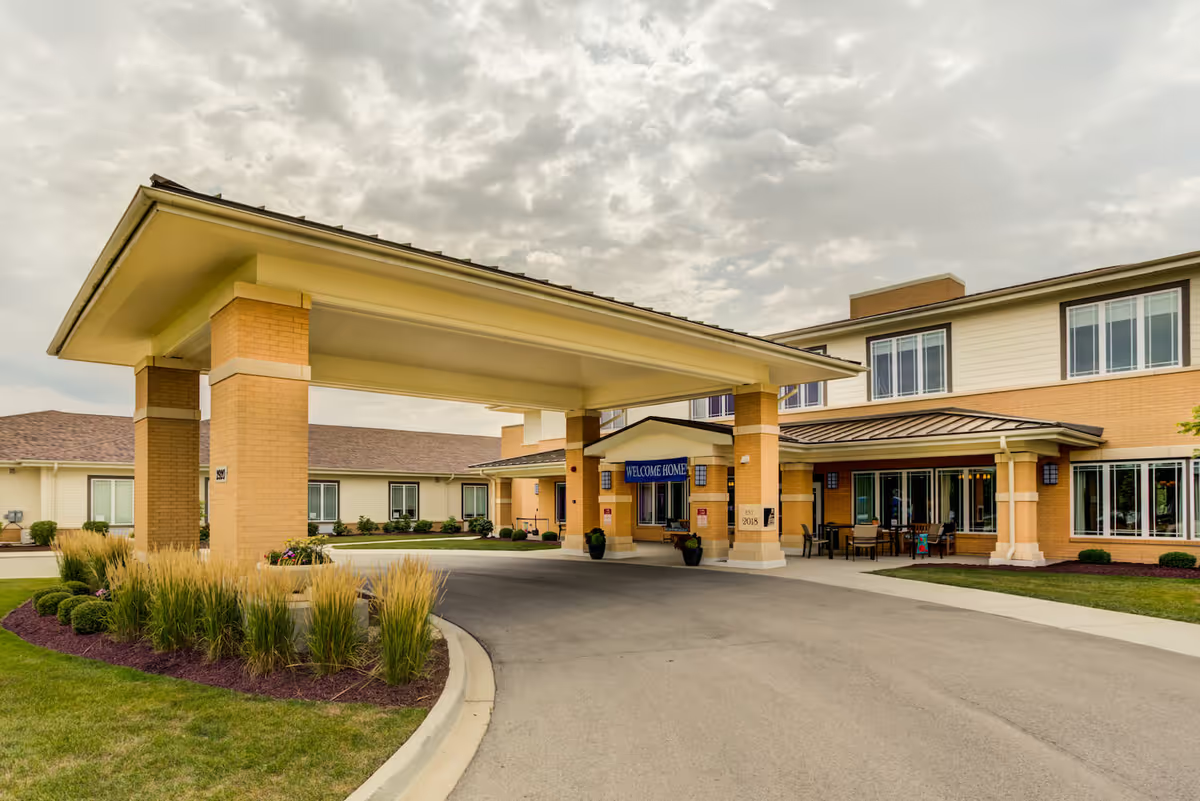
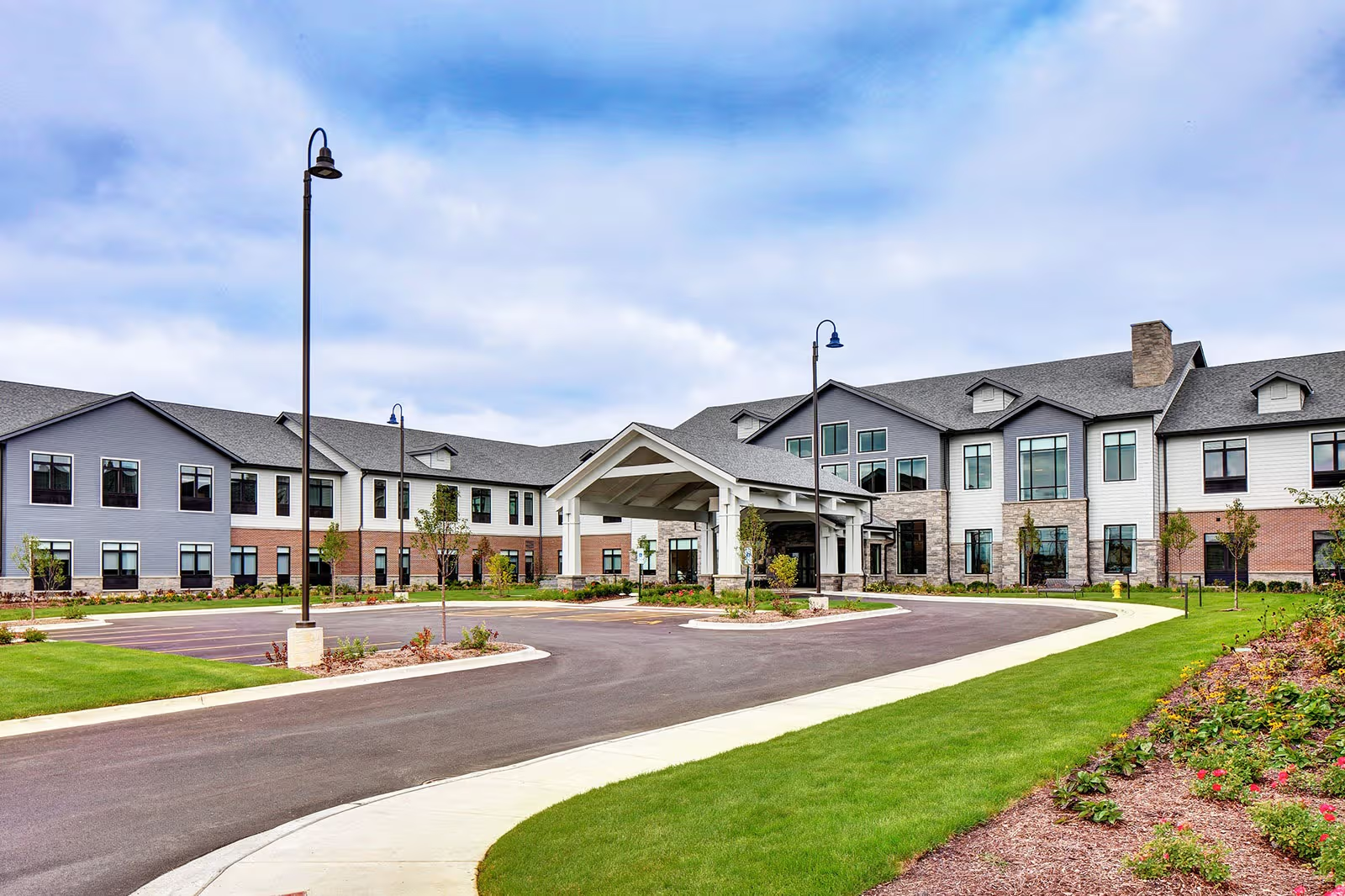
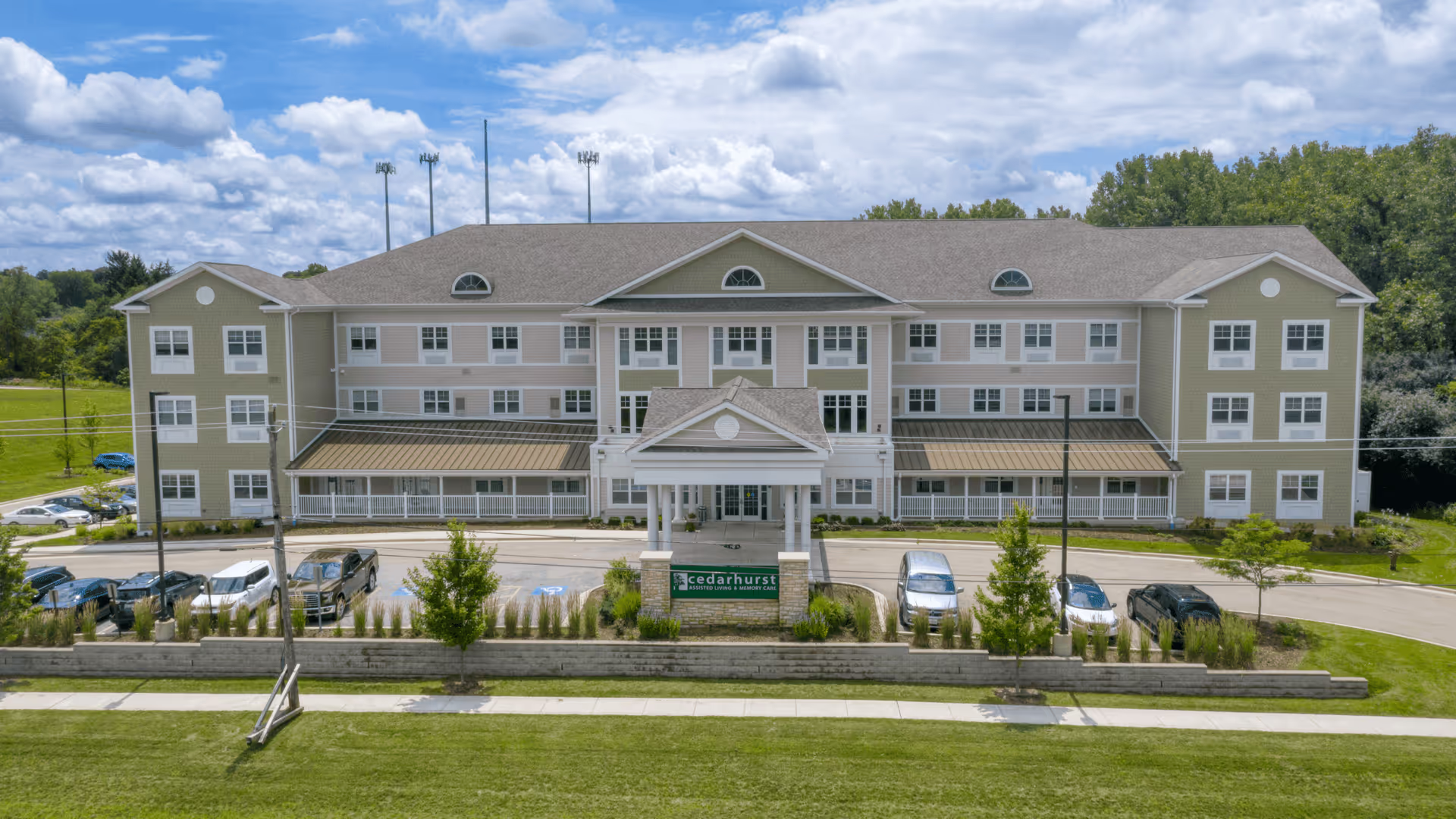
Overall impression StoryPoint Naperville is consistently described as a well-appointed, modern senior living community with a strong emphasis on social programming and resident engagement. The physical plant and apartment offerings receive frequent praise: renovated common areas, bright spacious units with full kitchens and in‑unit laundry, multiple dining and social spaces, and accessible layouts for mobility aids. Many families highlight the community atmosphere, frequent events, and opportunities for residents to socialize and lead activities.
Care and staff Care teams and frontline staff are the community's most commonly cited strength. Multiple comments emphasize compassionate, patient, and familiar caregiving staff, along with engaged nursing leadership and attentive front-desk teams. Memory-care programming is often singled out for individualized attention and increased stimulation. That said, reviewers also describe operational weaknesses related to clinical processes: gaps in medication-administration controls and delays in completing care plans were raised as recurring concerns. Several families described needing to advocate to obtain timely clinical follow-up or to accelerate corrective action.
Dining and culinary services Dining impressions are mixed. Some residents and families praise creative menus, special dining events, and convivial meal settings. Others report inconsistent food quality, limited entrée variety at times, temperature and timing issues, and occasional reductions in fresh produce or options for specific diets. Management acknowledgements of culinary improvement efforts appear in several accounts; prospective residents should plan for a tasting and discuss dietary accommodations during touring.
Activities and lifestyle Life-enrichment is a clear positive. The community runs a varied schedule — exercise classes, arts and crafts, music, trips, themed parties, and resident-led offerings — and many reviewers credit an energetic activities director. Transportation, regular outings, and on-site amenities such as salon services and visiting health professionals contribute to a broad lifestyle program that supports socialization and engagement.
Facilities, maintenance and housekeeping Physical facilities are frequently praised for cleanliness and modern finishes, although reviewers also describe intermittent housekeeping and sanitation inconsistencies and occasional slow repair timelines. Some infrastructure reliability issues (for example, elevator downtime or permit-related delays) were described in multiple accounts. Maintenance responsiveness is generally seen as good when engaged, but timeliness can vary depending on the request and period.
Management, communication and operations Leadership visibility and a hands-on management style are cited positively in many comments; specific staff members were named for effective problem solving. At the same time, recurring themes include turnover in department leadership, variability in weekend or after-hours staffing, and unclear pathways for filing complaints or escalating concerns. There are also serious, isolated allegations concerning sales practices and contract disputes that prospective residents and families should investigate directly with management and legal/financial advisors.
Notable patterns and decision points The balance of praise for staff compassion, robust activities, and attractive living spaces versus concerns about operational consistency is the dominant pattern. Families seeking a socially active, well-appointed community often find StoryPoint Naperville matches expectations, particularly for independent and memory-care settings. Those prioritizing absolute consistency in clinical processes, culinary reliability, or uninterrupted infrastructure should probe staffing models, medication-administration protocols, weekend coverage, and contract terms during the tour and in the residency agreement. Asking for written care-plan turnaround times, a sample menu, maintenance response SLAs, and references from current residents can help clarify whether the community meets an individual resident’s priorities.