Overall impression: Villas of Holly Brook Newton presents as a community with strong person-centered care and a welcoming social environment. Reviews consistently emphasize caring, accessible staff and a mission-driven culture; many families and residents described the team as warm, helpful, and communicative. Clinical supports are robust for a community-style setting: on-site nursing, a nurse practitioner, and in-house physical therapy and rehabilitation services were highlighted as assets, including documented progress in post-stroke recovery.
Care and staff: Care quality is regularly cited as a core strength. Caregivers and licensed staff are described as attentive, patient, and engaged with residents; several notes point to long-tenured employees and effective teamwork. Families reported ongoing communication about resident status and an orientation-style approach at move-in. The presence of on-site nurses and a nurse practitioner supports timely clinical oversight and coordinated therapy services, which residents identified as beneficial to recovery and daily well-being.
Dining and activities: The dining program is viewed positively, with references to three meals a day, meal variety, and a large communal dining area that supports social dining. Activities programming is broad and structured: exercise classes, monthly events, games, a hot cocoa bar, and dedicated spaces such as an activities room, home theater, and exercise room foster social engagement and routine. Reviewers frequently described meaningful resident-to-resident social connections and a strong sense of community.
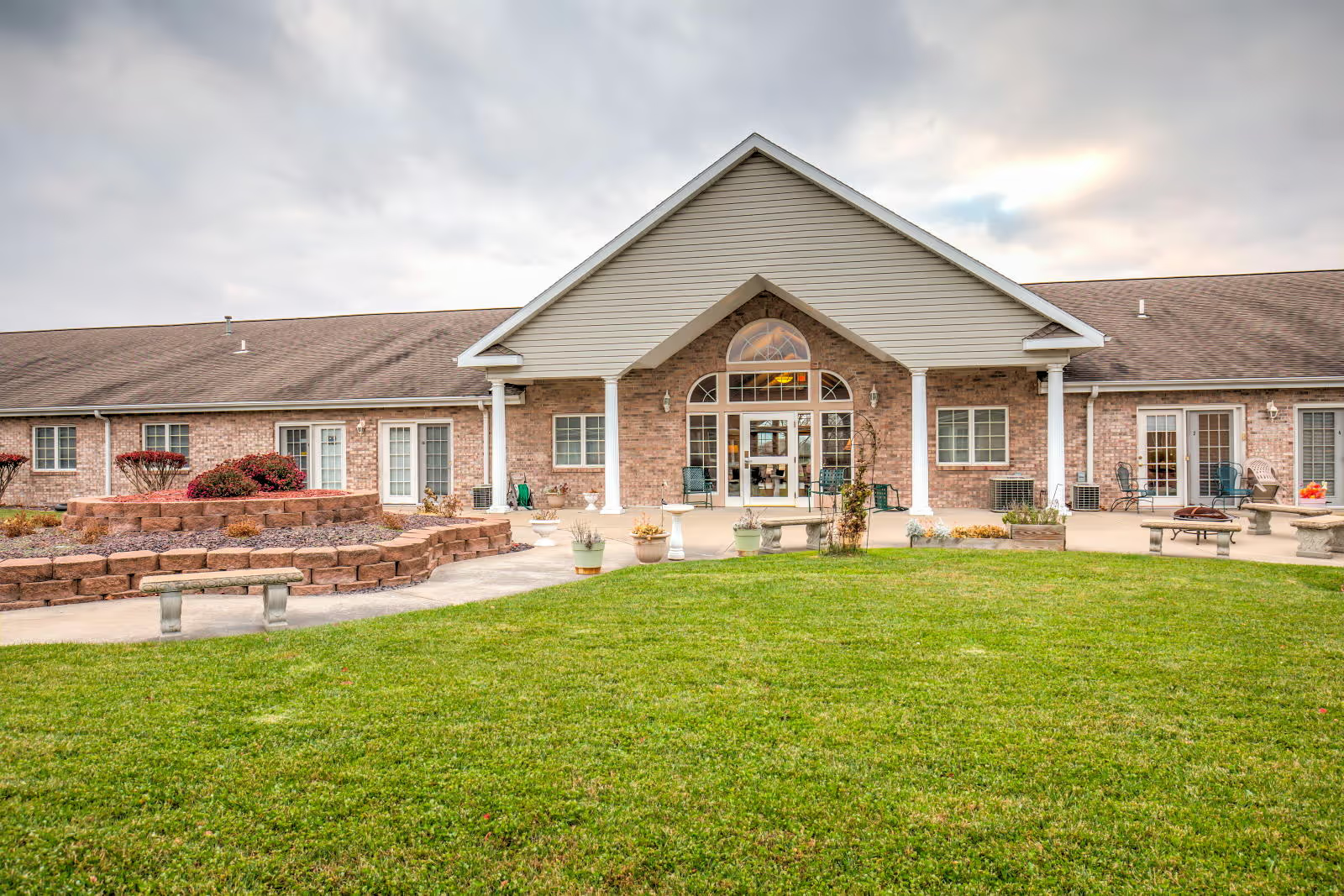
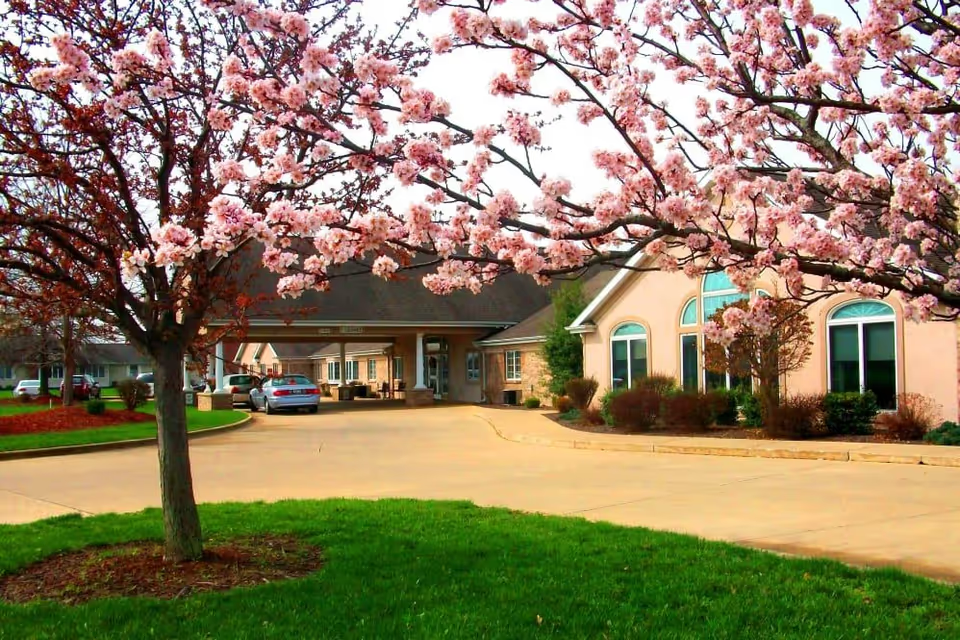
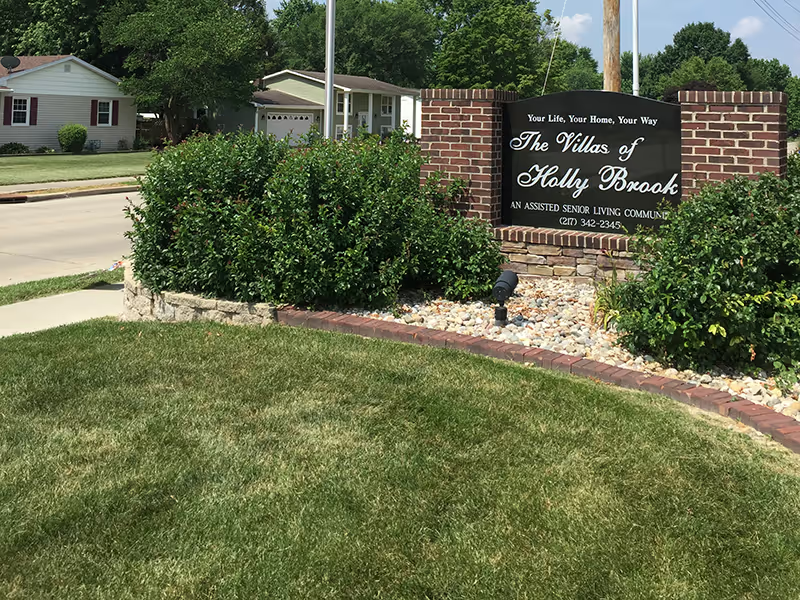
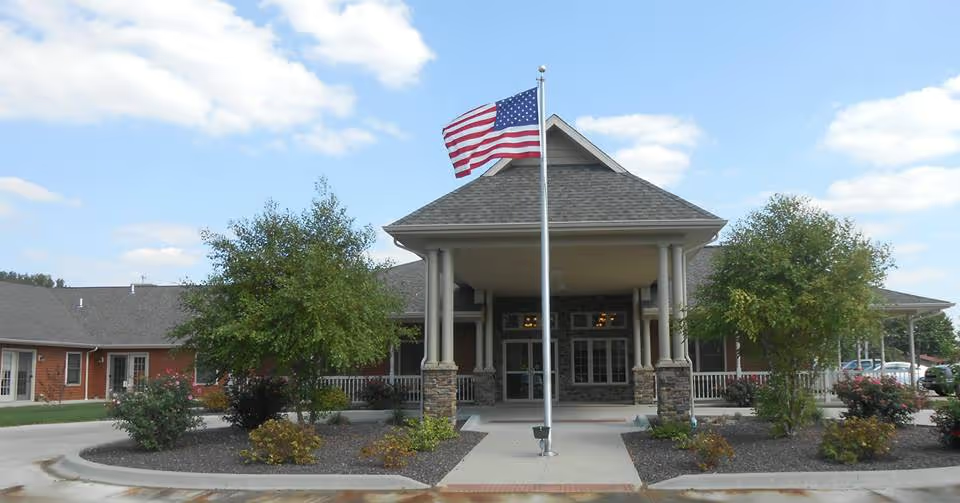
Facilities and maintenance: The community is generally described as neat, clean, and well-presented, with consistent housekeeping noted as a strength. At the same time, a recurring theme across reviews is inconsistent maintenance responsiveness. Reviewers described delays in addressing repairs and specific infrastructure issues (for example, a prolonged lighting outage), and some expressed a perception that interior conditions did not always match marketing or fee levels. These accounts suggest variability in upkeep across units and occasional safety-risk potential when repairs are delayed.
Management and value: Administrative and admissions interactions are portrayed favorably — tours are administrator-led and the leadership is seen as resident-focused. Communication with families about care is also highlighted as a positive. However, perceived value-for-cost is mixed: while some reviewers considered the pricing affordable and competitive, others felt the level of interior upkeep and timeliness of repairs did not align with the fees. Addressing maintenance-response consistency would likely improve perceptions of value.
Notable patterns: Strengths center on staff quality, clinical supports, cleanliness, and active programming that promote recovery and social engagement. The principal operational weakness is maintenance and repair timeliness, which has been linked to safety concerns and to perceptions of a value mismatch. Prospective residents and families should weigh the clear clinical and social strengths against the facility's pattern of intermittent maintenance delays when considering a move.