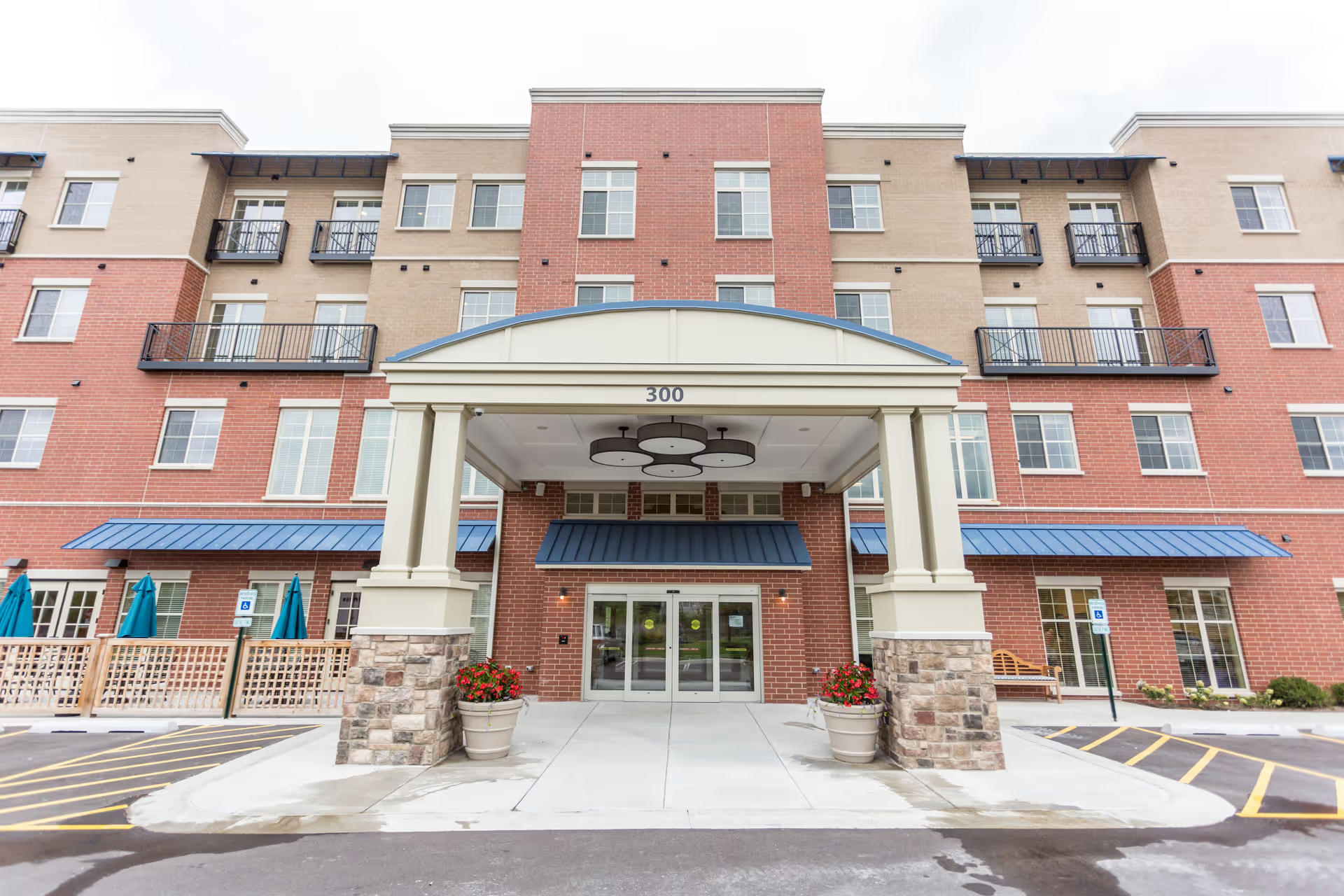
The Sheridan at Oak Brook presents as a modern, upscale senior living community with a broad amenity set and a strong social program. Many visitors and families highlight the facility’s hotel-like finishes, spacious apartment options, accessible family spaces, on-site rehabilitation services, salon, library, theater, and convenient transportation. The community’s programming receives consistent praise: an active recreation director, diverse daily activities, themed events, educational outings and travel opportunities, and a lively bar and social hub contribute to an engaged resident life.
Dining and on-site services are frequently cited as strengths when operations are functioning smoothly. Multiple reviews describe high-quality meals prepared by in-house chefs, varied menus, and attentive dining staff. Likewise, a number of families emphasize thoughtful clinical supports such as on-site therapy (PT/OT/speech), periodic physician availability, and memory-care programming described as compassionate and nurturing. These elements combine, for many residents, to improve quality of life and ease the transition into assisted settings.
At the same time, there is a clear pattern of variability in operational consistency. Several families reported staffing challenges: frequent turnover, periodic leadership changes, and reliance on agency nursing staff. Reviewers link these staffing dynamics to gaps in continuity of care, longer waits for assistance at times, and inconsistent interactions with caregivers. Housekeeping and unit-level sanitation are another area where reports diverge — common areas are often well maintained, but some families describe inconsistent cleaning, sanitation concerns, and isolated pest-control or food-safety issues that merit direct inquiry.
Food and dining service also show mixed performance in the reviews. While many describe excellent meals and a talented culinary team, others cite inconsistent food quality, service delays (particularly at peak dinner times and weekends), and concerns about food handling practices. Multiple comments call out weekend staffing limitations in dining and bar service. Billing and administrative processes appear to be a further area of operational strain for some families: cost increases, changes to meal plans, and disputes over move-out or billing items were raised and left unresolved for some.
Staff culture is generally described as warm, personalized, and attentive by numerous families and visitors; staff who remember residents by name and hands-on executive directors are recurring positives. However, the presence of isolated incidents of unprofessional conduct or perceived poor communication tone, together with reports of management unresponsiveness during transitions, indicates variability in frontline behavior and leadership follow-through.
Overall, the Sheridan at Oak Brook scores highly on facility quality, program variety, and social engagement for many residents. The dominant operational risk drivers to evaluate when considering this community are staffing stability (including the extent of agency nursing use), housekeeping and sanitation practices at the unit level, dining-service consistency (especially on weekends), and recent leadership turnover. Prospective residents and families would be advised to ask about current staffing ratios and agency use, housekeeping schedules and recent pest/food-safety inspections, recent management tenure and turnover, sample menus and dining peak-hour procedures, and billing/fee policies to get a clearer sense of current operational consistency before deciding.