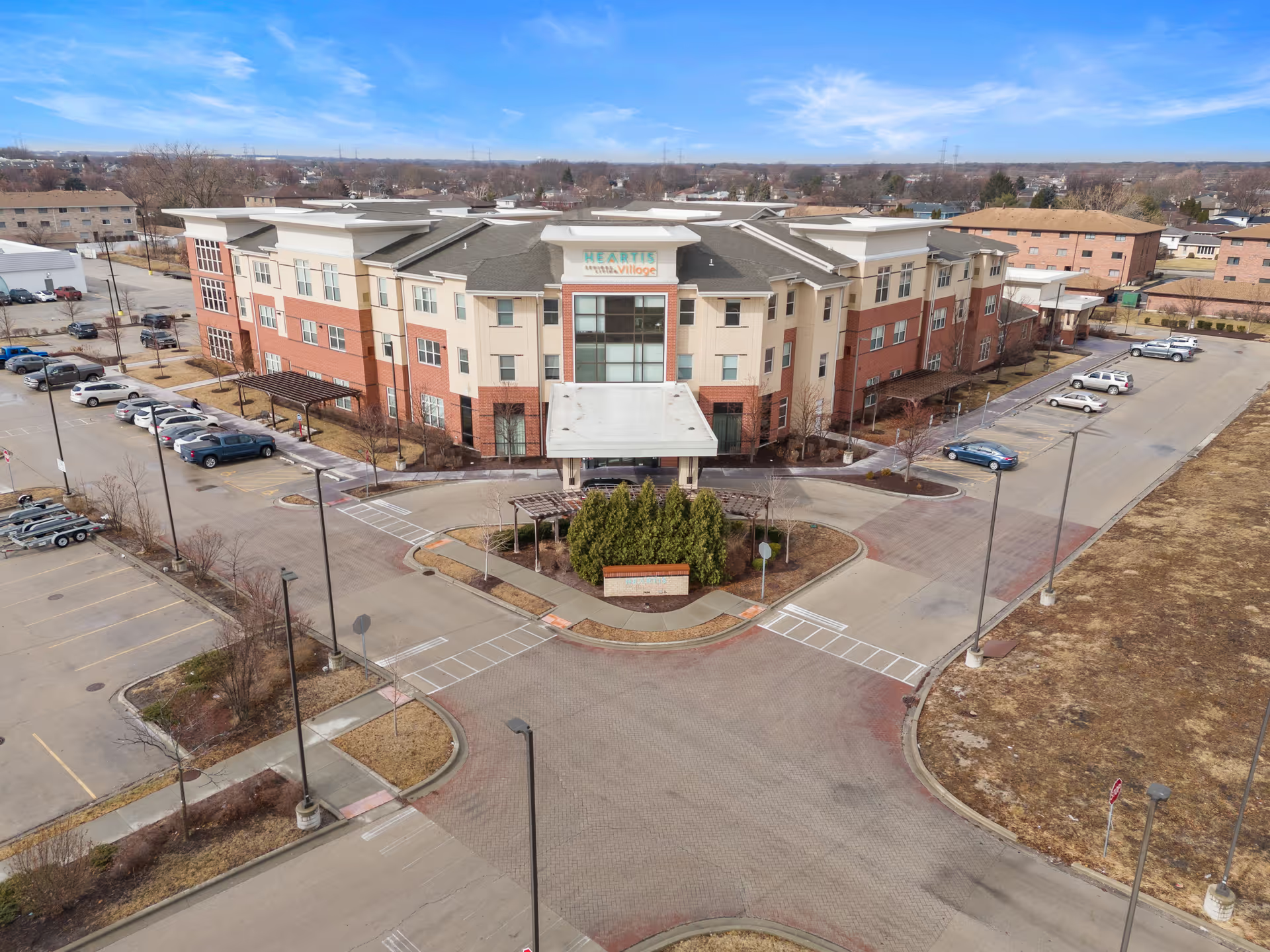
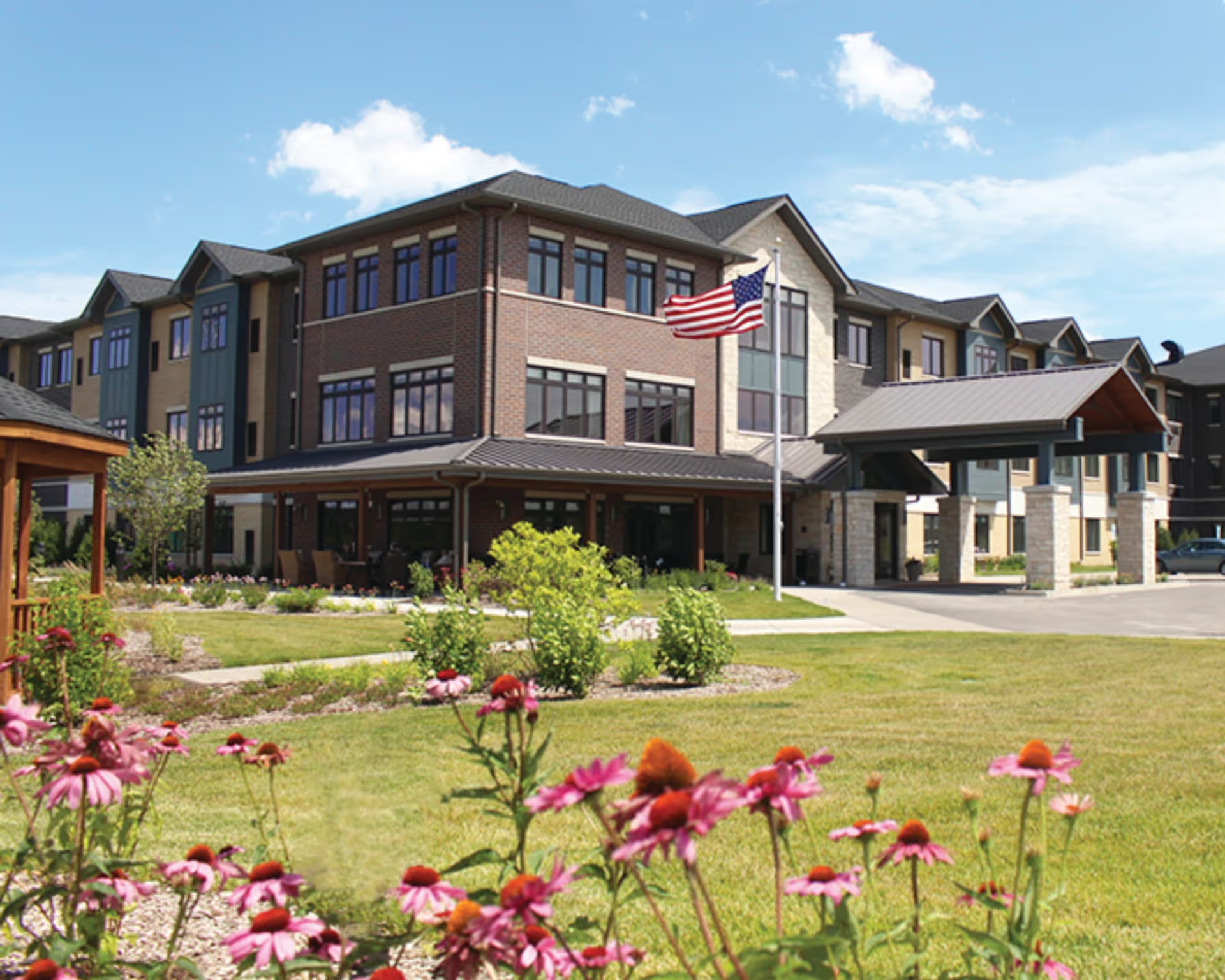
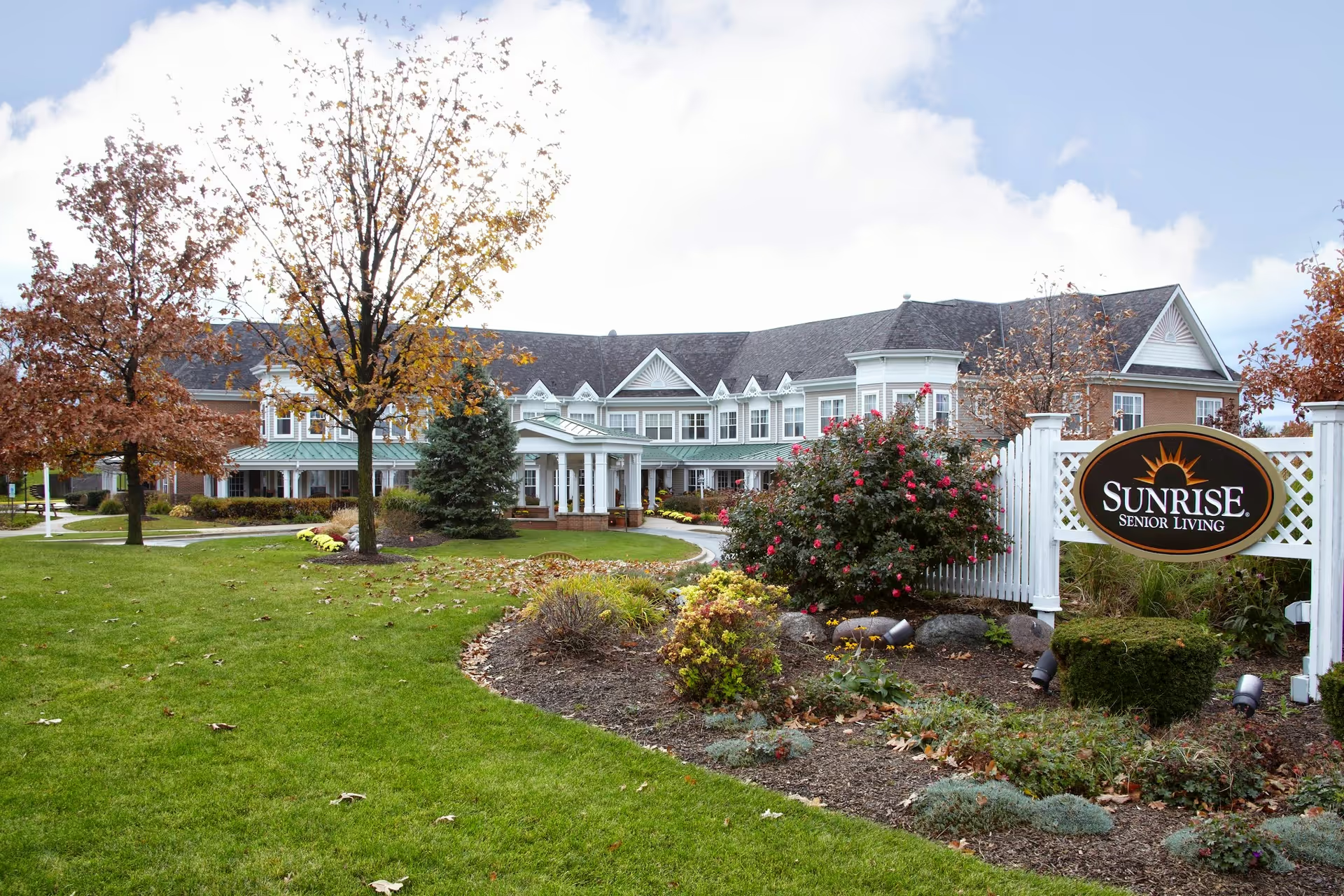
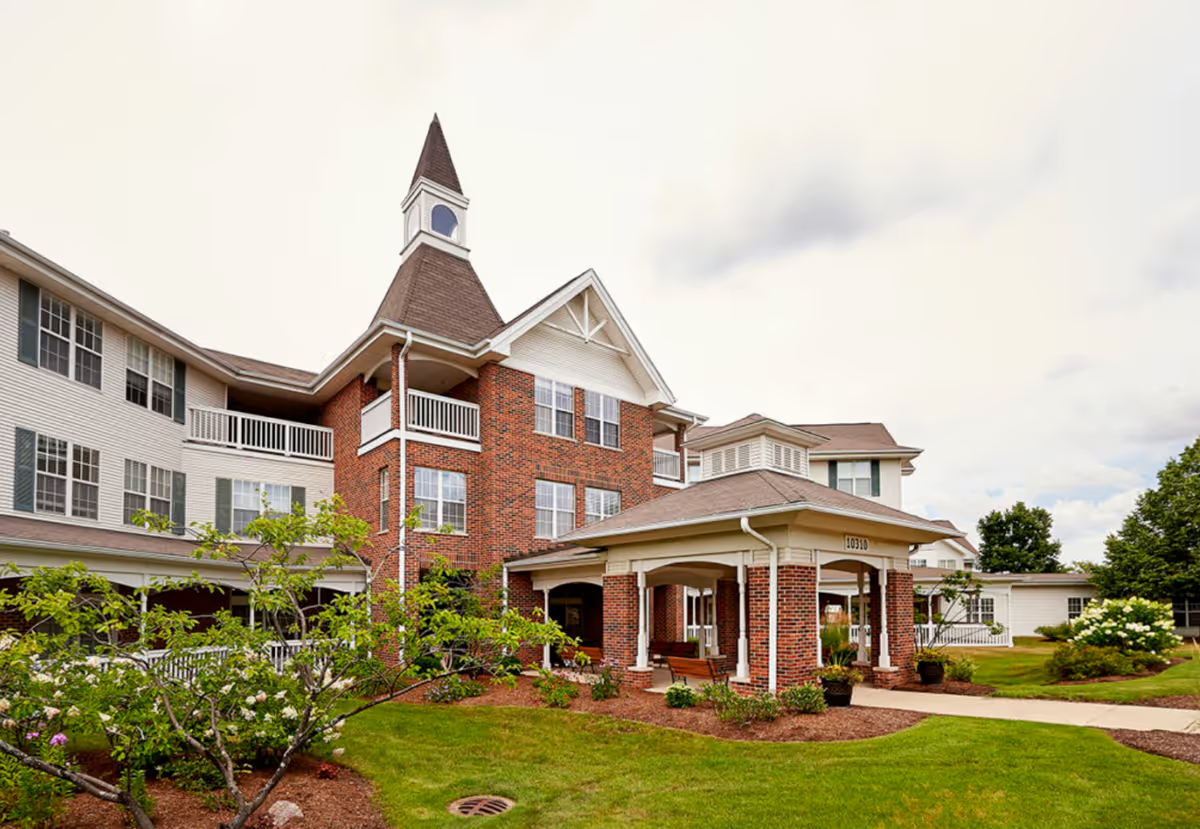
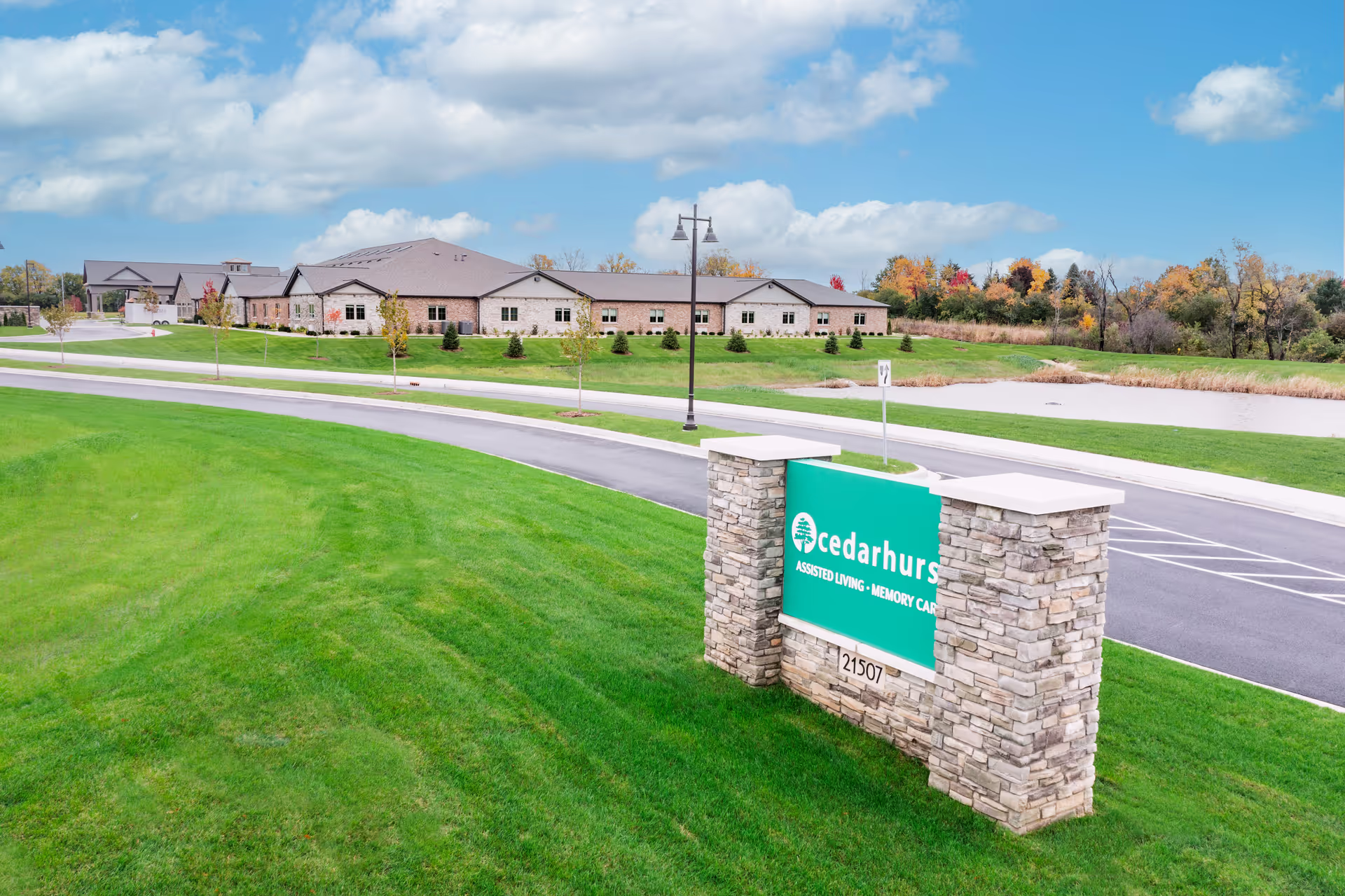
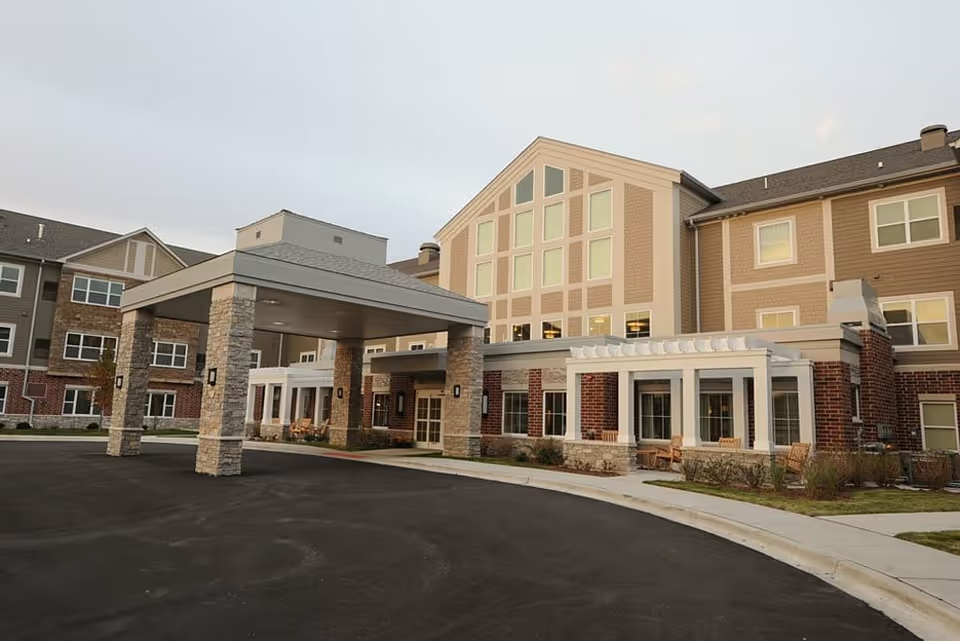
Brookdale Orland Park presents as a well-appointed, clean community with many of the physical and social amenities expected of a mid-to-upper tier senior living campus. Reviewers consistently note bright common areas, attractive outdoor spaces, a hotel-like atmosphere in many apartments, an active group-program schedule (bingo, music, outings), an on-site salon, and available rehabilitation services. The dining room and meal program receive largely favorable comments for presentation and selection, and weekly housekeeping, transportation, and a range of apartment configurations contribute to convenience for residents and families.
Care quality and staffing perceptions are mixed and represent a central theme across reviews. Many families praise compassionate direct-care workers and certain nursing or therapy teams who provide attentive, individualized assistance and demonstrable clinical benefit. At the same time, there are repeated accounts indicating variability in clinical consistency: delayed or late medication administration, inconsistent overnight nursing coverage, and occasional problems coordinating oxygen or other medical supplies. These accounts suggest that medication-management controls and clinical staffing levels (especially during evenings and off-peak hours) are areas that merit specific inquiry for anyone with higher medical needs.
Memory-care and higher-acuity care are another area of divergence. Several reviewers describe strong memory-care leadership and staff who create a family-style environment and meaningful engagement for residents. Conversely, other families describe shortcomings in dementia-specific staffing, limited activity engagement within the memory unit, and supervision gaps that contributed to falls or clinical incidents. The pattern indicates significant unit-level variation: the memory-care experience appears to be highly dependent on specific staff and leadership present at the time.
Operational and administrative issues appear repeatedly as well. Families report uneven responsiveness from administration and the front desk, phone/voicemail problems, slow maintenance follow-up, and occasional difficulty gaining entrance outside peak hours. Billing and ancillary-fee transparency is a common concern: reviewers mention unexpected charges (meal delivery, medication administration fees, disposal fees) and difficulty obtaining pro-rated adjustments. High staff turnover and variable training are frequently cited as contributing factors to inconsistent service delivery.
Activities and social life are a clear strength in assisted-living settings at this community: reviewers note a robust calendar, resident-run events, outings, and rehabilitation activities that promote engagement. In contrast, activity availability and staff engagement within certain memory-care areas are described as limited, with some residents spending more time in passive activities such as television.
In summary, Brookdale Orland Park offers many positive environmental and programmatic attributes—clean facilities, active programming, pleasant dining, and helpful amenities—that meet the needs of many independent and assisted-living residents. Prospective residents and families with moderate-to-advanced clinical needs, complex medication regimens, or dementia-related behavioral supervision should perform focused due diligence: ask specifically about overnight clinical coverage, medication-administration protocols, dementia-program staffing ratios and training, fee schedules for ancillary services, and recent staff turnover. Where possible, meet direct-care staff and memory-care leadership, and request written policies on medication administration, emergency response, and billing to assess operational consistency before committing.