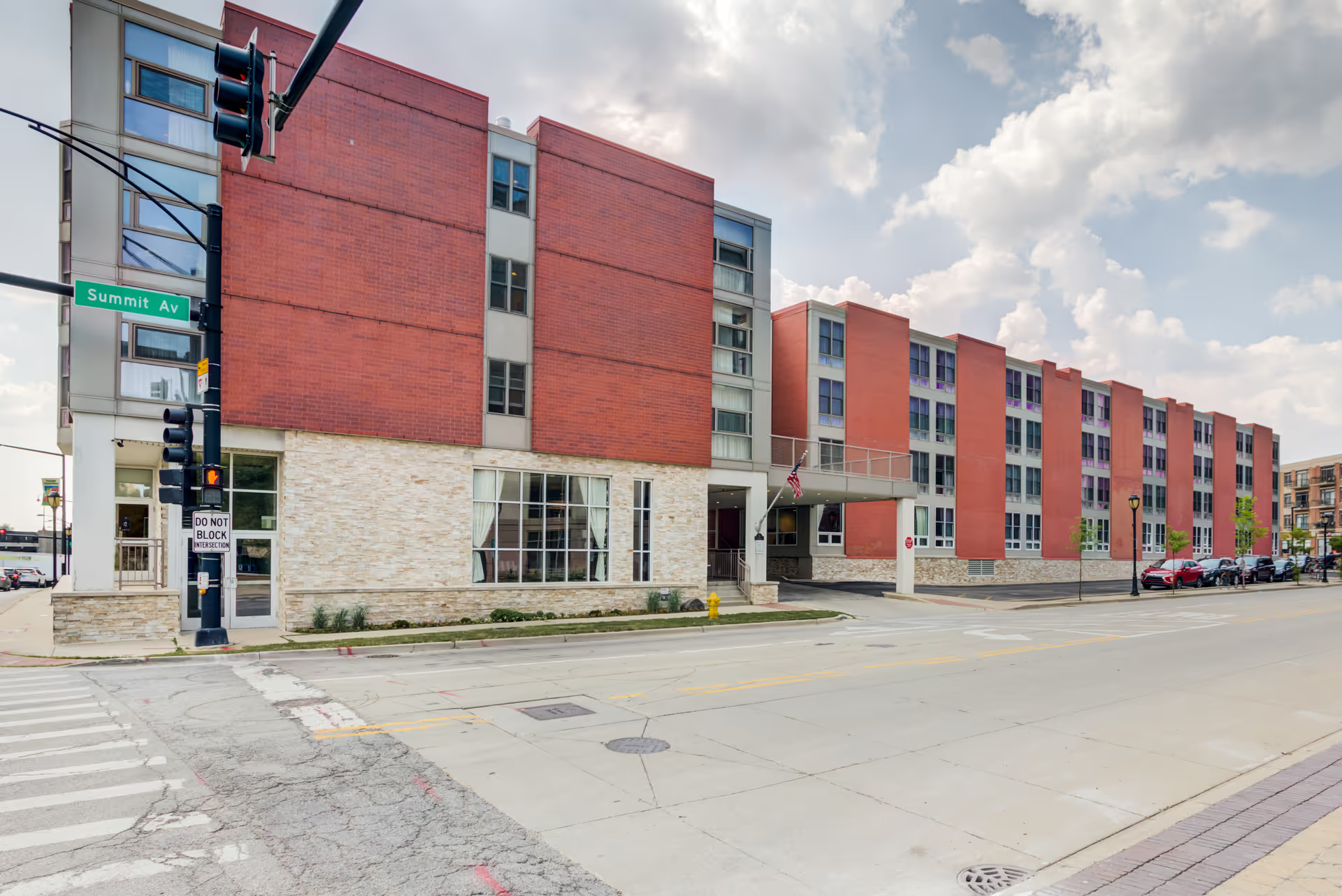
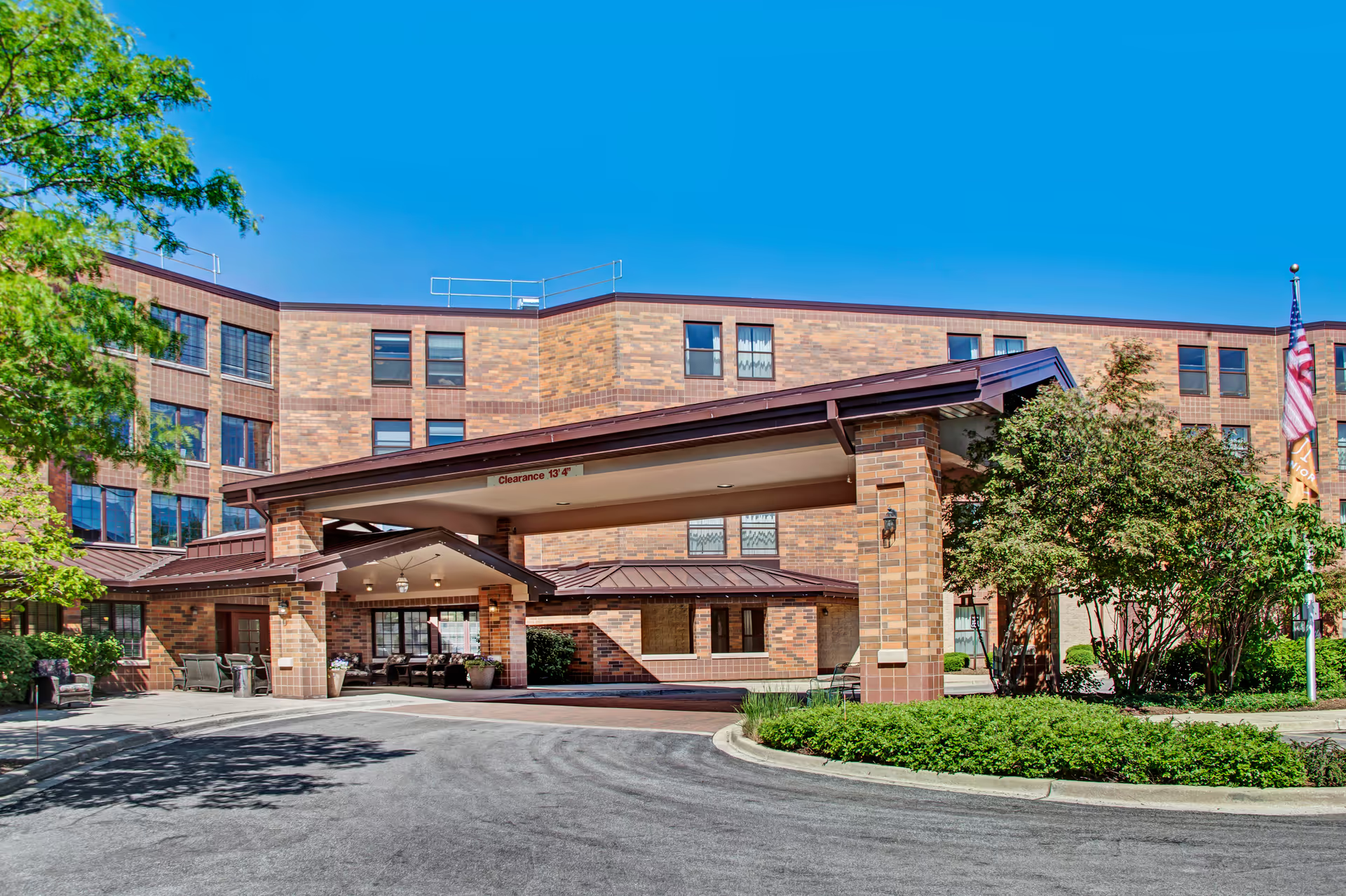
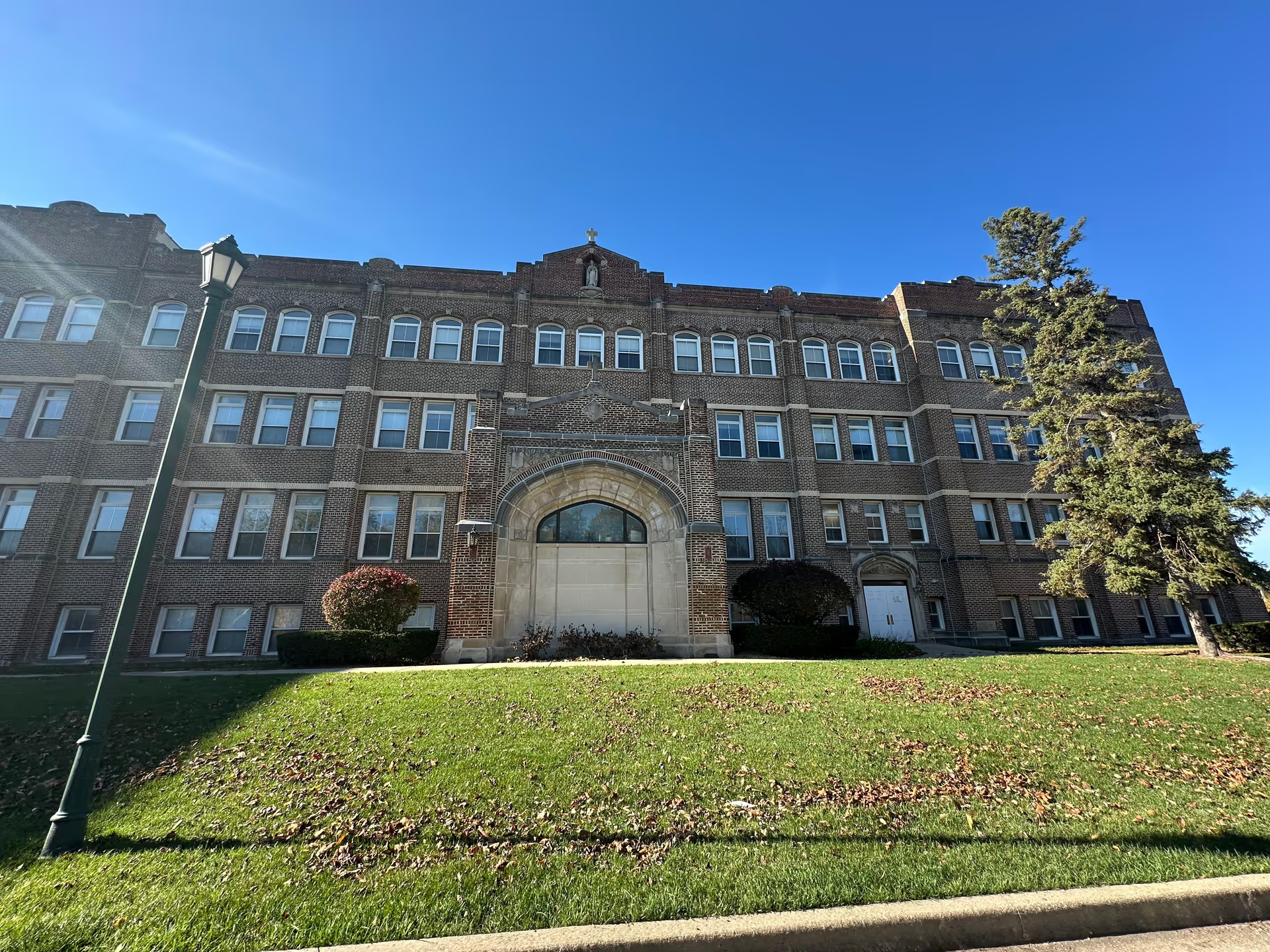
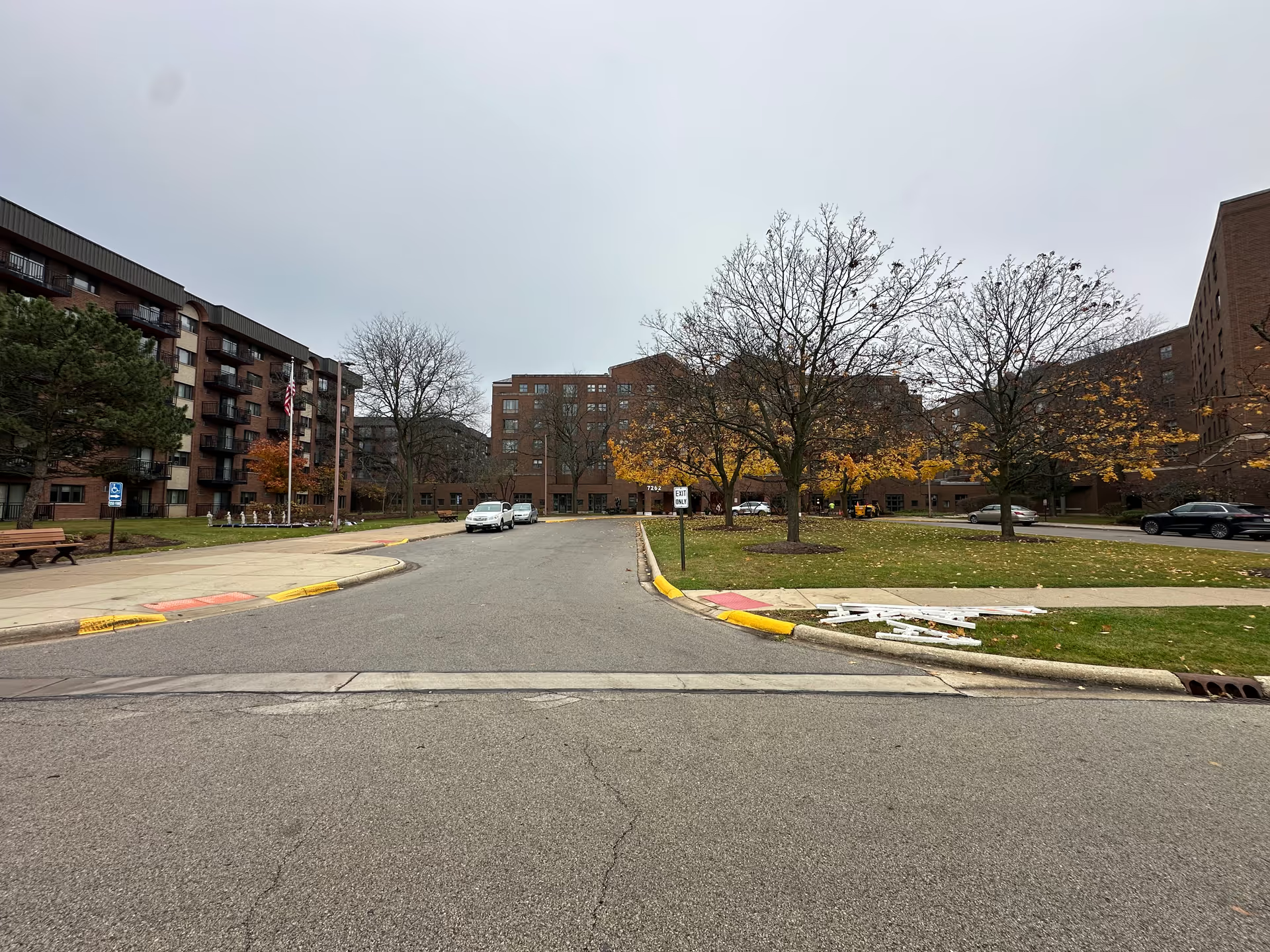
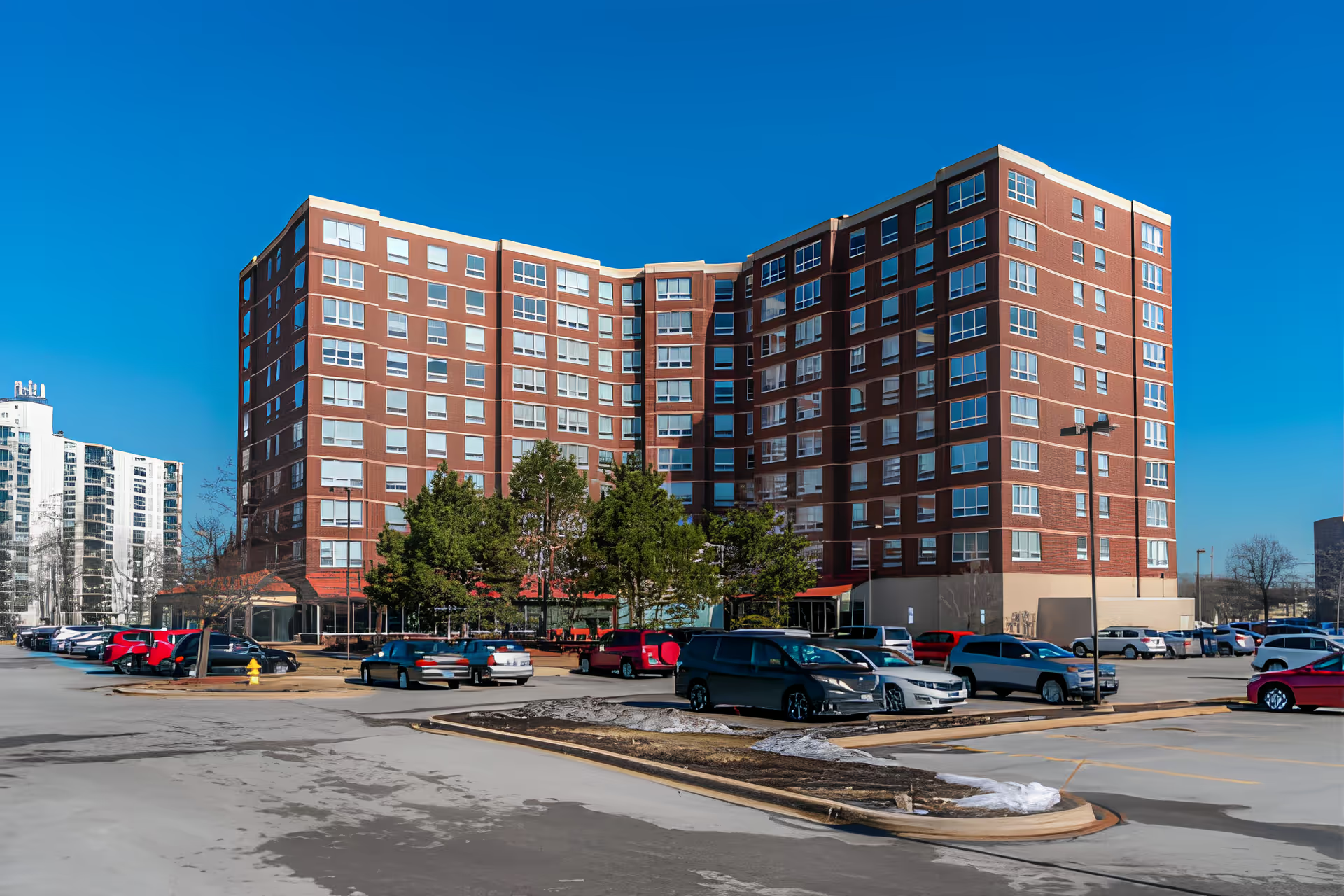
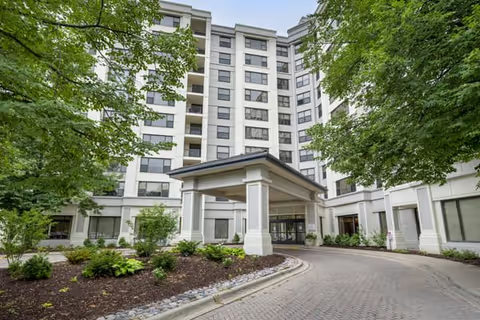
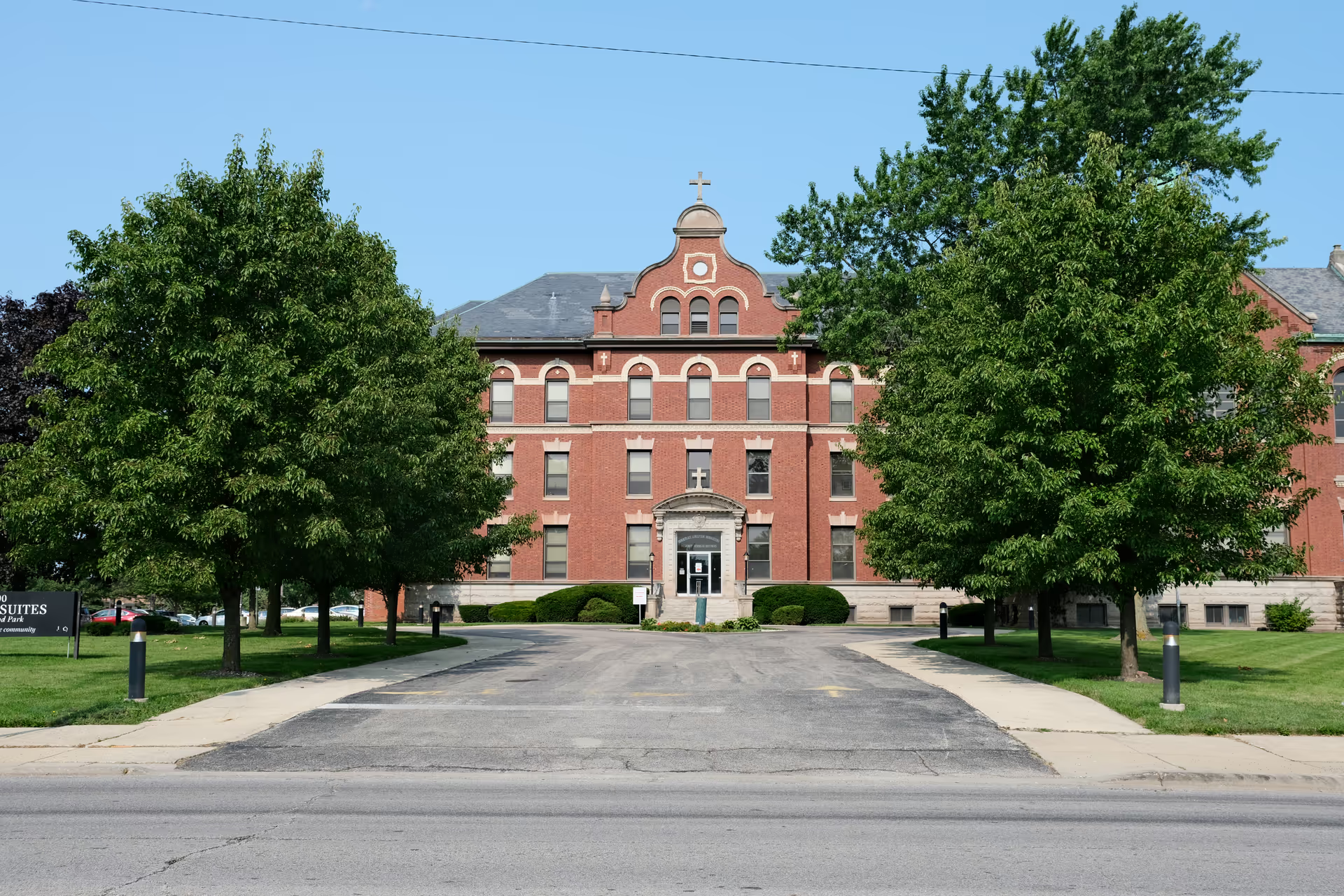
The Sheridan at Park Ridge is consistently described as a high-end, boutique-style senior living community with strong amenity offerings and a polished, hotel-like aesthetic. Families and prospective residents commonly praise the bright, modern design, well-maintained public spaces, and apartment finishes. On-site amenities such as a salon, physical-therapy area, gym, dining hall, and dedicated memory-care garden contribute to a resort-like experience. Programming is active and varied, incorporating arts, music, bingo, and regular bus outings, which supports a socially engaged lifestyle for ambulatory and cognitively stable residents.
Direct-care staff and leadership receive frequent positive mention. Reviewers highlight compassionate CNAs and nurses, accessible memory-care leadership, and an engaged executive team. Several accounts emphasize hands-on management, long-tenured personnel, attentive tours, and responsive administrative support. These strengths are cited as key contributors to family confidence and a general sense of safety and satisfaction among many residents.
Operational patterns surface as mixed. Multiple reviewers describe variability tied to staffing models—weekend and temporary agency personnel are sometimes characterized as less consistent in approach and nurturing, which affects continuity of care. There are also recurring concerns about the facility’s suitability for residents with higher clinical needs: families noted limitations when advanced dementia, frequent falls, or skilled nursing-level care are required. Related operational themes include intermittent gaps in fall-prevention practices, occasional delays in clinical responsiveness, and uneven hospice coordination.
Dining and activity programming receive overall positive remarks about variety and accommodations (including menu-read services), though a minority of comments reflect inconsistent meal quality or unmet expectations. Facility maintenance and equipment responsiveness are generally adequate but not uniform; a few reviewers identified specific equipment or therapeutic-resource issues that suggest opportunities for tighter maintenance protocols.
Cost and value perception are a clear consideration. The facility’s premium positioning and auxiliary services command higher fees, and several families expressed concern about perceived value—particularly when clinical complexity increases and the community’s capabilities no longer match resident needs. There are also isolated but serious complaints involving staff conduct and missing personal items; such allegations warrant careful inquiry during a tour and contract review.
For prospective residents and families: The Sheridan offers a strong hospitality model with many social and lifestyle advantages and notable leadership strengths in memory care. Those evaluating the community should clarify clinical-service boundaries, staffing ratios and use of agency staff (especially on weekends), fall-prevention protocols, hospice coordination processes, maintenance response times, and contract language around personal-item accountability. These targeted questions can help match expectations for care level and value to the facility’s operational model.